

You scan vehicle listings and insurance quotes because you want to know which cars cost more than they look. This article shows how insurance data highlights models that typically carry higher premiums, so you can judge risk before you buy or renew.
Use this guide to spot which vehicles often drive up your insurance bill and why those costs matter. It previews factors that influence premiums across performance, luxury, and SUV categories so you know what to watch for when comparing models like Teslas, luxury SUVs, and high-performance sedans.
Tesla Model S

The Model S often appears near the top of lists for costly insurance, driven by repair complexity and pricey parts. Its advanced tech and aluminum body raise repair bills, which insurers factor into premiums.
Data shows significant year-over-year increases for high-end EVs, and the Model S fits that pattern. For more on rising EV insurance costs and comparisons, see this report on EVs’ insurance trends.
Lexus RX 500h
The RX 500h often costs more to insure than base RX trims because repairs and parts run higher for its hybrid performance setup.
Insurers also price higher for powerful variants that carry advanced tech and stronger performance components.
Typical annual premiums reported sit around mid-to-high $2,700s, though rates vary by state, driver history, and coverage level.
Buyers should compare quotes and check insurers for hybrid-specific discounts.
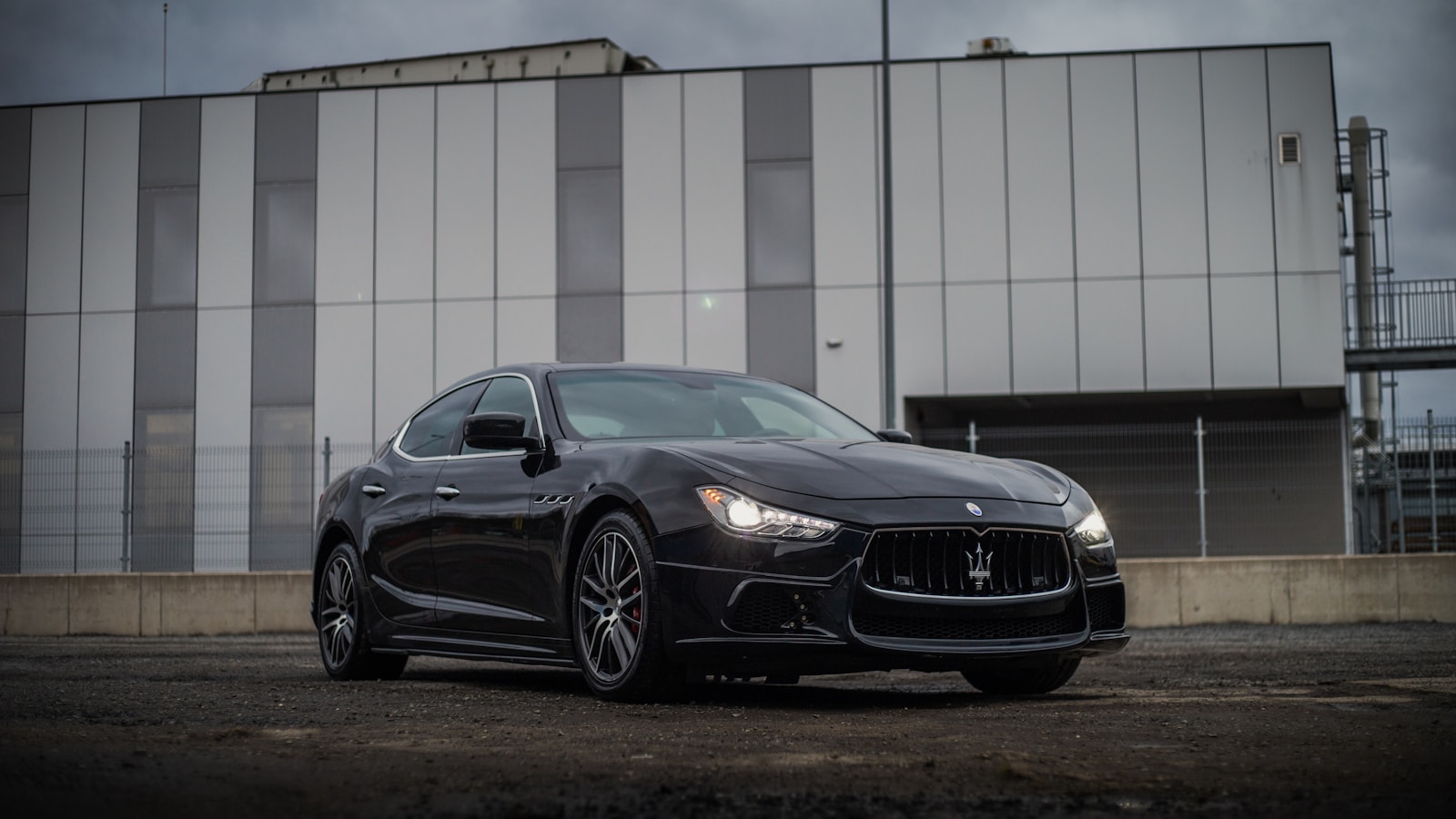
Maserati Ghibli
The Ghibli often turns up among the priciest cars to insure because repair and replacement costs run high. Luxury parts and performance tuning raise claims expenses, which insurers pass on as higher premiums.
Regional rules also matter; rates spike in states with higher required coverage or repair costs. Prospective buyers should compare quotes and consider higher deductibles to lower annual premiums.
Audi Q7
The Audi Q7 often shows up near the top of expensive-to-insure lists because repair and replacement costs run higher than average. Insurers factor in pricey parts, advanced tech, and multiple trim levels when setting premiums.
Typical annual rates vary by report, with many estimates clustering between about $1,800 and $3,000 depending on driver profile and model year. Drivers can lower costs by comparing quotes, raising deductibles, and keeping a clean record.
Dodge Charger SRT
The Charger SRT commands higher premiums because insurers treat it as a high-performance vehicle with costly repairs.
Its powerful engines and sporty upgrades increase crash and theft risk, which pushes rates up compared with standard Chargers.
Drivers can see significant variation by trim and model year, so comparing quotes helps.
Industry summaries show SRT trims among the most expensive Chargers to insure, especially for younger or high-mileage drivers (see detailed insurer comparisons).
BMW X5
The BMW X5 often lands near the higher end of insurance costs among midsize luxury SUVs. Insurers factor in repair complexity, higher parts costs, and value when setting premiums, so newer or performance trims tend to cost more to insure.
Average annual estimates range around $2,800–$3,400 depending on trim and year, with the M and plug‑in performance versions typically at the top. Compare quotes and consider higher deductibles or bundled discounts to lower rates from different providers like MoneyGeek or Insurance.com.
Porsche Cayenne
The Cayenne tends to sit near the higher end of insurance costs for midsize SUVs. Rates vary by trim, driver history, and state, with some estimates around $300 monthly and others lower depending on coverage choices.
Drivers pay more when repair and replacement costs are higher, and performance variants raise premiums further. Comparing quotes across carriers helps identify the best price for a particular driver and model year.
Mercedes-Benz GLC
The GLC often sits above average in annual premiums because repair and parts costs run high. Insurers report typical full‑coverage costs around $2,500–$2,700 per year for recent model years.
Rates vary by state and driver profile, so someone in a higher‑cost state or with a spotty record will pay more. Shopping multiple carriers and checking discounts can lower the bill; see detailed rate comparisons like the one at CarEdge for GLC insurance.
Jaguar F-Type
The Jaguar F-Type tends to carry higher insurance costs than many everyday cars because it’s a luxury sports model with expensive parts and repair costs. Estimates vary by source, with typical annual premiums often ranging from roughly $2,500 to over $4,000 depending on age, location, and driving history.
Buyers who prioritize lower premiums can compare companies—some insurers list the F-Type among pricier models—and consider higher deductibles or usage-based discounts to trim rates. See insurer breakdowns for model-specific numbers and state variations.
Cadillac Escalade
The Cadillac Escalade often lands among the pricier SUVs to insure, with annual rates commonly above the average for its class. Factors like high repair costs, powerful engines, and luxury features push premiums higher.
Rates vary by model year and location; newer Escalades typically cost more to insure than older ones. Shopping multiple carriers helps drivers find better deals, since quoted averages differ significantly across insurers.
More from Steel Horse Rides: