

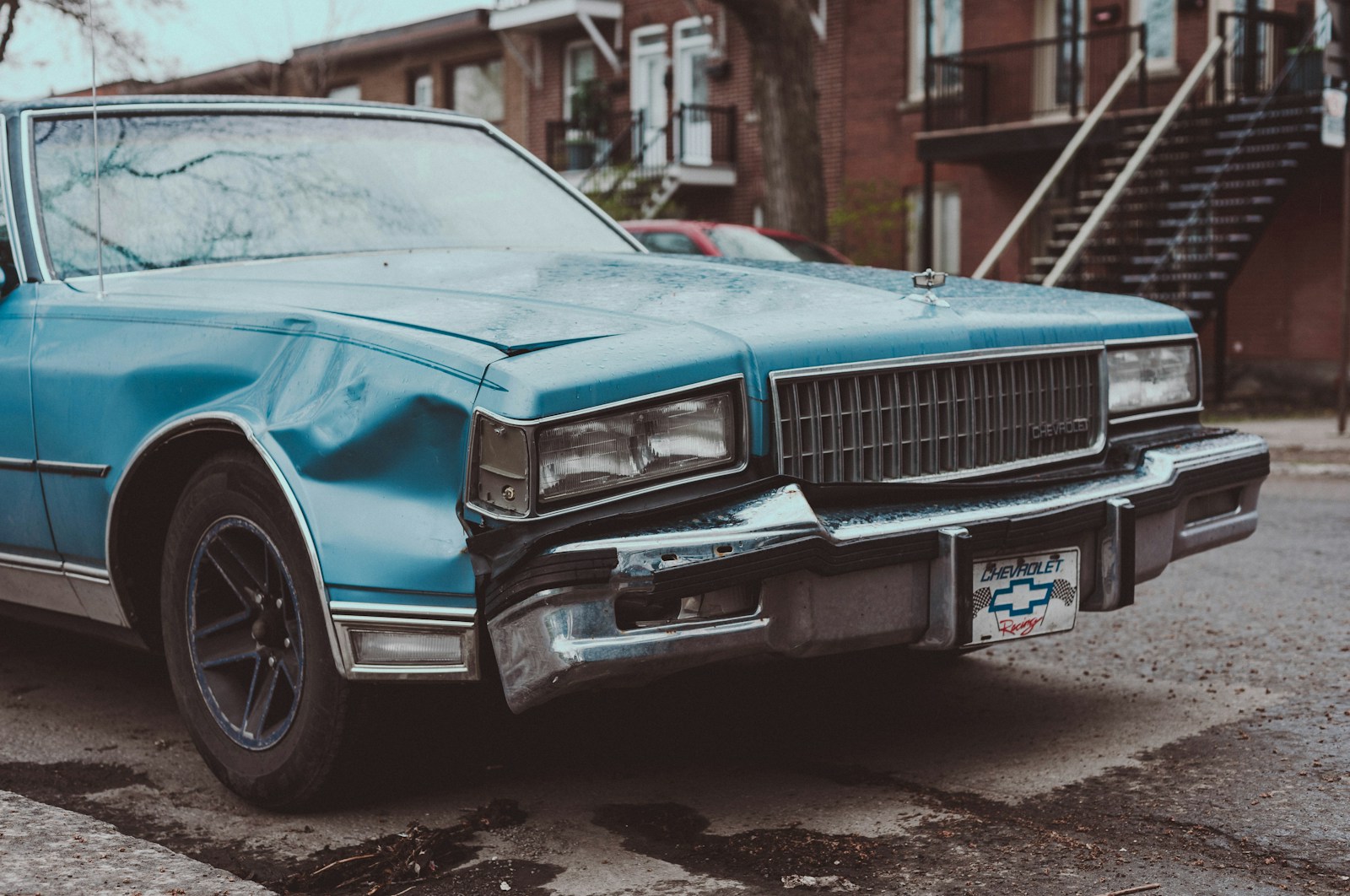
Many car owners unknowingly engage in habits that can significantly diminish their vehicle’s resale value. This issue affects millions of drivers across the United States, as a decline in resale value can lead to substantial financial losses when it comes time to sell or trade in a vehicle. Understanding these detrimental practices is crucial for anyone looking to maintain or enhance their car’s worth.
Poor Maintenance Records
Failing to keep up with regular maintenance is one of the quickest ways to reduce a car’s resale value. Potential buyers often look for a comprehensive service history, which includes oil changes, tire rotations, and other essential services. For instance, a 2018 Honda Accord lacking documented maintenance could lose up to $2,000 in resale value compared to a well-maintained counterpart.
Neglecting Exterior Care
Ignoring the exterior of a vehicle can lead to rust, scratches, and fading paint, all of which can significantly impact resale value. A car’s appearance is often the first thing potential buyers notice. Studies show that cars with chipped paint or significant scratches can lose about 15% of their value compared to similar models in pristine condition.
Skipping Interior Cleaning
A dirty or cluttered interior can turn off potential buyers and severely affect resale value. Stains, odors, and general neglect can make a vehicle seem less appealing. A clean and well-maintained interior can add as much as $1,500 to a car’s resale value, depending on the make and model.
Ignoring Warning Lights
When warning lights illuminate on the dashboard, it’s crucial to address these issues promptly. Ignoring problems can lead to severe mechanical failures down the line, drastically reducing resale value. For example, a 2020 Toyota Camry with unresolved engine issues could see its value plummet by 20% or more, depending on the severity of the problem.
Using Low-Quality Parts
Opting for cheap aftermarket parts instead of OEM (Original Equipment Manufacturer) parts can lead to performance issues and safety concerns. Buyers are often wary of vehicles with non-original components, which can lead to a significant decrease in resale value. In some cases, vehicles with non-OEM parts can lose up to 10% of their resale value compared to those with genuine parts.
Excessive Modifications
While personalizing a vehicle can be appealing, excessive modifications may deter potential buyers. Custom paint jobs, non-standard wheels, and performance upgrades can narrow the market for resale. Cars like the 2019 Ford Mustang, when excessively modified, may lose around 15% of their value, as most buyers prefer stock or lightly modified vehicles.
Failing to Store Properly
Improper storage can lead to various issues, including weather damage, mildew, and mechanical problems. Failing to store a vehicle in a garage or using a high-quality car cover can lead to depreciation. Vehicles exposed to the elements may lose up to 25% of their value over time compared to those stored properly.
High Mileage Without Care
High mileage is a natural part of car ownership, but it should be accompanied by proper care. Cars that have been driven extensively without regular maintenance can suffer significant depreciation. For example, a 2021 Chevrolet Silverado with 100,000 miles and poor maintenance records may lose up to 30% of its value compared to a well-maintained version with half the mileage.
Neglecting Tire Care
Failing to monitor tire pressure and tread depth can lead to uneven wear and unsafe driving conditions. Buyers are likely to see neglected tires as a sign of overall poor vehicle care. A set of properly maintained tires can add approximately $500 to a vehicle’s resale value, while worn or mismatched tires can diminish it by a similar amount.
Disregarding Recalls
Ignoring recall notices can have serious implications for both safety and resale value. Vehicles with unresolved recalls may be seen as liabilities, making them less attractive to buyers. A car with outstanding recalls can lose as much as 15% of its resale value compared to a similar model that is up to date on all safety recalls.
Conclusion
Maintaining your vehicle’s condition is crucial for preserving its resale value. By avoiding these ten detrimental habits, car owners can protect their investments and potentially save thousands of dollars down the line. As the automotive market continues to evolve, understanding the importance of proper car care is more urgent than ever. If you own a