

Car designers have been looking up at the sky for inspiration almost as long as both cars and planes have existed. From tailfins that mimic jet exhausts to cockpits that feel like scaled down flight decks, aviation has quietly shaped some of the most memorable machines on four wheels. The result is a small but fascinating club of cars that bring aerospace ideas back down to Earth in very literal ways.
Some of these vehicles borrow visual drama from fighter jets, others lift engineering tricks straight from the hangar, and a few blur the line so much they are almost aircraft themselves. Taken together, these ten examples show how deeply the dream of flight is wired into car culture, from classic cruisers to experimental supercars and even genuine flying hardware.
From jet age tailfins to cockpit thinking
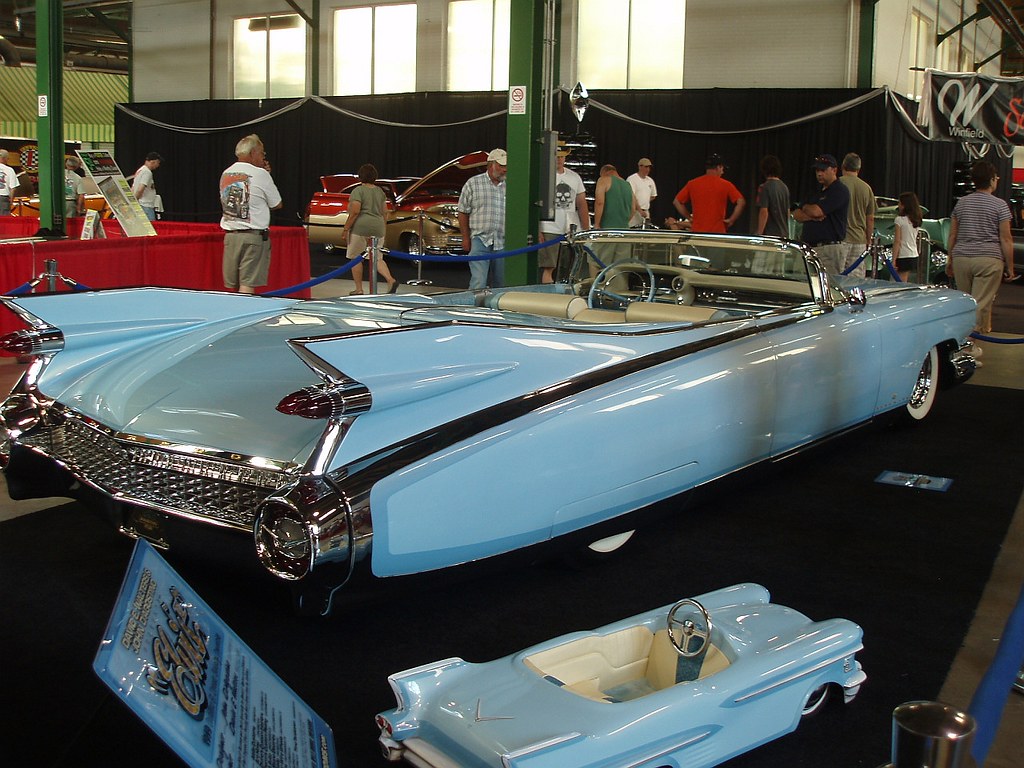
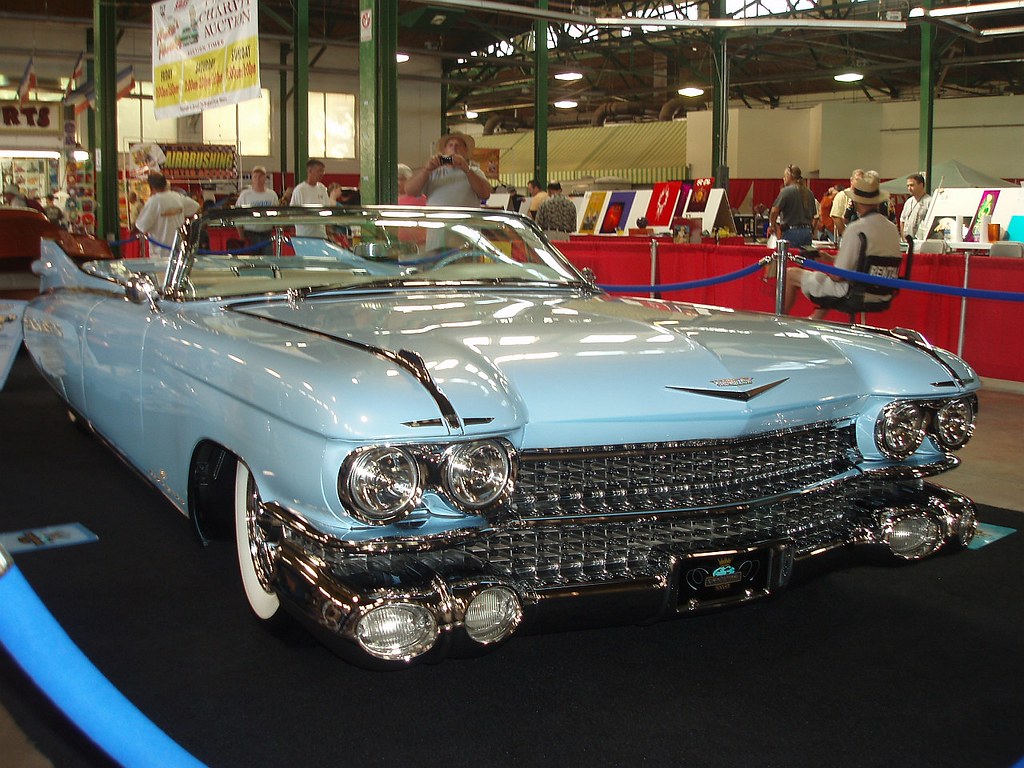
Any list of aviation inspired cars has to start with the 1959 Cadillac Eldorado, the car that turned jet age styling into a rolling billboard. Its towering fins, bullet shaped tail lamps and chrome that resembles flight instruments were not subtle, and that was the point, it looked like a civilian airliner shrunk to driveway size. Few production cars have leaned so hard into the fantasy of cruising a highway as if it were a runway, and that theatrical approach set the tone for a whole generation of American metal.
On the other side of the Atlantic, Saab treated aviation less as costume and more as a design language. The Saab 99 and its successors came from a company that built aircraft first, so wraparound windscreens, clear instrumentation and a focus on ergonomics felt like they were lifted from a cockpit. That heritage shows up in details such as the way the dash curves around the driver and the emphasis on visibility, a reminder that aviation influence can be quietly functional rather than loud and chromed.
Engineers who could not leave the hangar behind
Some of the most literal crossovers came from people who straddled both worlds. The quirky Zündapp Janus was shaped by Dornier, a company better known for aircraft, and by its boss Claude Dornier, who pushed into cars as a diversification play. The Janus used a central engine layout and a symmetrical body with doors at both ends, so it looked almost the same coming or going, a very aircraft like way of thinking about packaging and weight distribution. It was odd, but it showed how aerospace minds approached a city car as a problem in efficient use of volume rather than just style.
Modern boutique brands have picked up that thread and run with it. The Rezvani Beast Alpha in its X Blackbird form channels the look and mythology of a reconnaissance aircraft into a road legal supercar. The Rezvani Beast Alpha uses lightweight composite materials and aggressive aero surfaces that would not look out of place on a small jet, and the branding leans into the idea of a stealthy, high altitude machine. It is a reminder that for some buyers, the fantasy of piloting something with fighter jet vibes is as important as lap times.
Ten machines that bring flight down to the road
Line up the standouts and the aviation thread becomes even clearer. The 1959 Cadillac Eldorado is the obvious jet age icon, while the Saab 99 represents the more understated, pilot first approach that Here is rooted in real aircraft practice. The Zündapp Janus shows how Janus thinking can reshape a tiny people carrier, and the Rezvani Beast Alpha X Blackbird brings that mindset into the modern supercar era. Add in the broader family of Saab models, which kept refining that cockpit style layout, and the count of road cars shaped by aerospace logic quickly climbs.
Then there are the machines that barely pretend to be just cars at all. The Xpeng AeroHT eVTOL is described as a human carrying drone, and The Xpeng craft shows off its tech at CES with a dedicated land based support vehicle that acts like a mobile base. It sits alongside more traditional aviation styled exotics such as the Pagani Huayra Tricolore, which uses advanced composite materials for increased rigidity according to Nov, and together they round out a group of roughly ten machines that treat the sky as their design brief. Whether it is the precise figure of 99 in a model name or a body that looks ready to leave Earth, the pull of aviation keeps finding new ways to shape what people drive.
More from Wilder Media Group: