

The Great Recession, which spanned from late 2007 to mid-2009, significantly impacted the automotive industry, influencing consumer behavior and manufacturer strategies. This economic downturn forced many automakers to rethink their approaches, leading to the emergence of vehicles that catered to changing consumer needs amidst financial uncertainty. As the industry adapted, several models rose to prominence, shaping the automotive landscape during and after this tumultuous period.
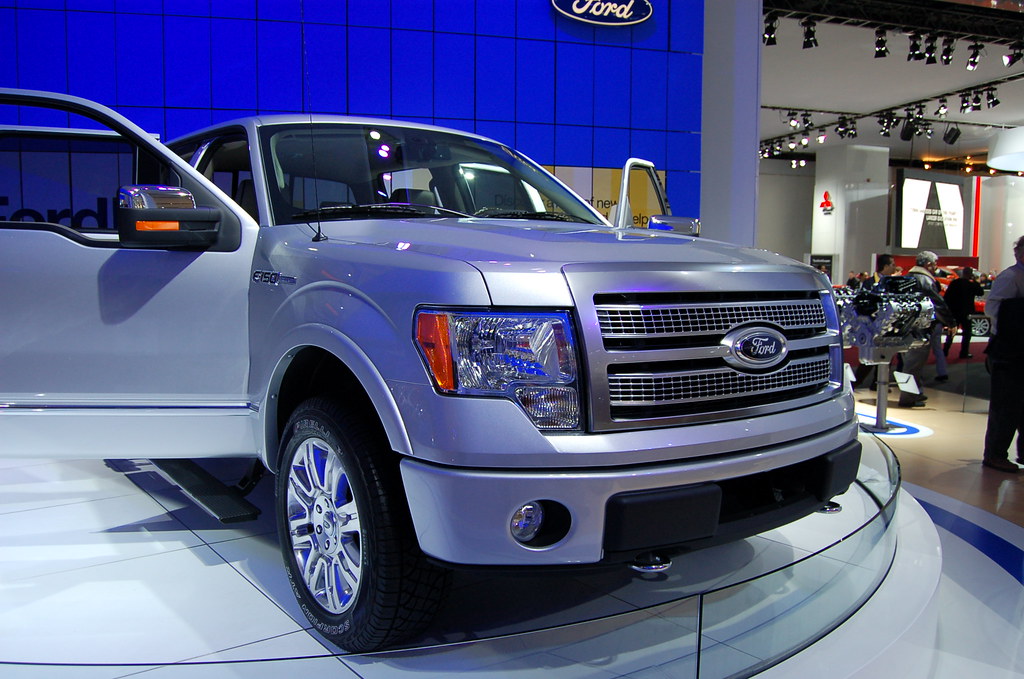
1. Ford F-150 (2009)
The 2009 Ford F-150 exemplified the shift toward more practical, fuel-efficient vehicles. With rising fuel prices and economic constraints, consumers sought trucks that balanced power with efficiency. The F-150’s fuel-efficient engines and strong resale value made it a preferred choice for many buyers, helping Ford reclaim its title as the best-selling truck in America.
2. Honda Civic (2008)
As one of the top compact cars during the recession, the 2008 Honda Civic offered reliability and fuel economy, which appealed to budget-conscious consumers. Despite the financial crisis, Honda sold over 300,000 Civics that year. The Civic’s reputation for longevity and low maintenance costs made it a popular choice for those looking to minimize expenses.
3. Toyota Camry (2007-2009)
The Toyota Camry consistently ranked as one of the best-selling cars in the United States, even during the recession. With sales reaching nearly 400,000 units in 2007, the Camry’s reputation for dependability and resale value attracted buyers looking for long-term investments. Its fuel efficiency and comfortable interior made it a practical choice during a period of economic uncertainty.
4. Chevrolet Volt (2010)
Introduced as a response to the recession’s impact on fuel prices, the Chevrolet Volt marked a significant shift toward hybrid technology. The Volt’s initial sales figures, approximately 7,600 units in its first year, reflected growing interest in electric vehicles and hybrids. This innovative model helped pave the way for more fuel-efficient technologies and underlined a new consumer focus on sustainability.
5. Subaru Outback (2008)
The 2008 Subaru Outback gained popularity during the recession due to its all-wheel drive capabilities and reputation for safety. With over 100,000 units sold that year, the Outback appealed to families and outdoor enthusiasts looking for a versatile vehicle. Its rugged design and practicality resonated with consumers seeking reliability during uncertain times.
6. Hyundai Sonata (2009)
The 2009 Hyundai Sonata emerged as a strong contender in the midsize sedan market, offering features typically found in more expensive vehicles. With a starting price under $20,000, the Sonata’s affordability appealed to budget-conscious consumers. Hyundai’s warranty and improved quality during this period contributed to the Sonata’s increased market share, with sales topping 150,000 units in 2009.
7. Kia Soul (2010)
The Kia Soul debuted in 2010 and quickly captured the attention of younger buyers looking for an affordable, quirky vehicle. With a starting price around $13,000, the Soul’s unique styling and spacious interior provided a practical yet fun option during the recession. It sold nearly 100,000 units in its first full year, showcasing its appeal to a demographic seeking value without sacrificing personality.
8. Ford Escape (2008)
The 2008 Ford Escape was one of the first compact SUVs to gain traction during the recession, as many consumers shifted away from larger vehicles. With fuel prices climbing, the Escape’s hybrid variant offered an appealing option, achieving 34 miles per gallon in the city. The Escape’s versatility and efficiency helped it sell over 150,000 units in 2008, making it a significant player in the SUV market during this period.
9. Nissan Altima (2007-2009)
The Nissan Altima experienced a surge in sales during the recession, largely due to its combination of affordability and fuel efficiency. With more than 200,000 units sold in 2007, the Altima offered a spacious interior and strong performance, making it attractive to numerous buyers. Its competitive pricing and reliability helped establish Nissan as a key player in the midsize sedan segment during tough economic times.
10. Chrysler 200 (2010)
Launched as a replacement for the Sebring, the Chrysler 200 debuted in 2010 amidst a challenging economic environment for American automakers. This model aimed to revitalize Chrysler’s image, featuring