

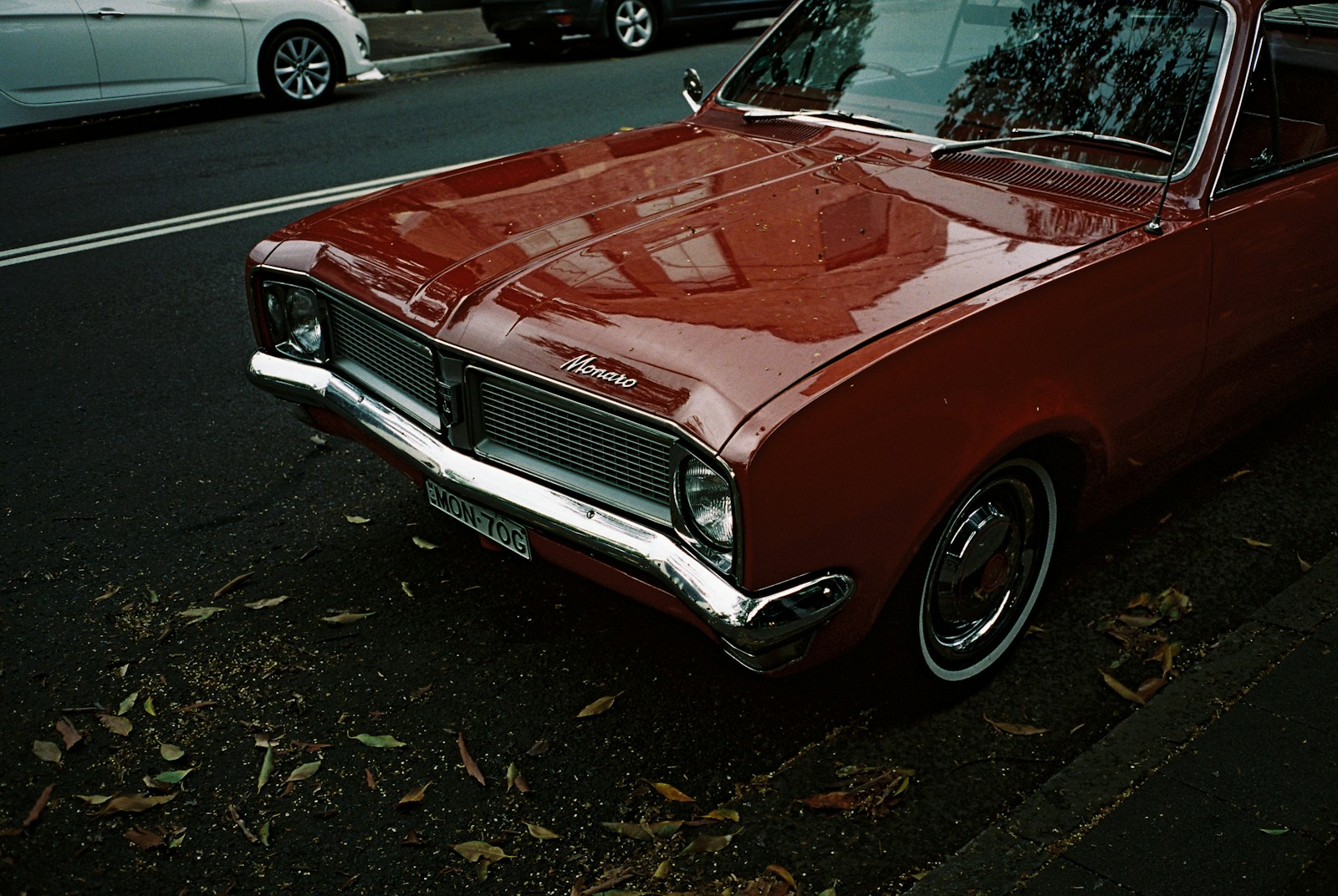
The muscle car era, spanning the 1960s and early 1970s, produced a generation of high-performance vehicles that transformed American car culture. These iconic cars not only defined a decade but also solidified a legacy that continues to resonate with enthusiasts and collectors today. Understanding these vehicles offers insight into the automotive advancements and cultural shifts of the time, influencing both design and performance standards in the industry.
1. 1964 Pontiac GTO
Often credited as the first true muscle car, the 1964 Pontiac GTO combined a lightweight body with a powerful 389 cubic-inch V8 engine, producing 325 horsepower. The introduction of this model marked a pivotal moment in automotive history, as it set the stage for the performance-oriented vehicles to follow. The GTO’s success helped establish a burgeoning market for high-performance cars, leading to a sales boom that saw over 32,000 units sold in its first year.
2. 1967 Ford Mustang GT
The 1967 Ford Mustang GT became a symbol of American automotive freedom and style. With its aggressive stance and optional 390 cubic-inch V8 engine, the Mustang GT delivered a thrilling driving experience, making it an instant classic. During its production, Ford sold over 400,000 Mustangs in 1967 alone, solidifying its status as a cultural icon and solidifying the notion of the “pony car.”
3. 1968 Chevrolet Camaro
Chevrolet’s answer to the Mustang, the 1968 Camaro, quickly became a favorite among performance enthusiasts. With options for a high-output 396 cubic-inch V8 producing 375 horsepower, the Camaro offered impressive speed and agility. Its introduction helped Chevrolet capture 20% of the muscle car market in its initial year, and it continues to be a competitive model in the performance car segment.
4. 1970 Dodge Challenger R/T
The 1970 Dodge Challenger R/T was designed to compete directly with the Ford Mustang and Chevrolet Camaro, offering a range of powerful engine options, including the legendary 426 Hemi. With its bold styling and performance capabilities, the Challenger R/T achieved a strong following and sold over 76,000 units in its debut year. The car remains a sought-after classic, often fetching high prices at auctions.
5. 1970 Plymouth Road Runner
The 1970 Plymouth Road Runner was notable for its combination of affordability and performance, making it accessible to a broader audience. Equipped with the robust 440 cubic-inch V8 engine, it produced 375 horsepower and was marketed as a no-frills muscle car. With over 38,000 units sold in 1970, the Road Runner exemplified the era’s focus on raw power without the luxury trappings.
6. 1971 Ford Mustang Boss 351
The 1971 Ford Mustang Boss 351 epitomized the ultimate muscle car with its powerful 351 cubic-inch V8 engine, capable of producing 330 horsepower. This model represented a shift in design and performance as emissions regulations began to take hold, leading to a decline in raw power across the industry. Only 1,806 units were produced, making this model a rare find among collectors today.
7. 1970 Chevrolet Chevelle SS
The 1970 Chevrolet Chevelle SS is often regarded as one of the most iconic muscle cars of its time, featuring the option for a 454 cubic-inch V8 engine that produced an astounding 450 horsepower. With aggressive styling and performance to match, the Chevelle SS captured the attention of both critics and consumers, leading to nearly 50,000 units sold in its production year. Its legacy continues with modern reproductions and a strong fan base.
8. 1969 Oldsmobile 442
Initially introduced as a trim package for the Cutlass, the 1969 Oldsmobile 442 became a standalone model known for its impressive performance. With a 400 cubic-inch V8 engine producing 365 horsepower, it was a formidable competitor in the muscle car arena. The 442 sold over 16,000 units in 1969, showcasing the demand for powerful, stylish vehicles during this dynamic era.
9. 1970 Buick GSX
The 1970 Buick GSX was one of the most powerful muscle cars of its time, featuring a supercharged 455 cubic-inch V8 engine with 510 horsepower. Its distinctive styling and performance capabilities set it apart from the competition, although only 678 units were