

The unexpected often happens when you’re on the road. From simple inconveniences like a flat tire to more serious situations like getting stranded in a snowstorm, it’s always best to be prepared. Being equipped with the right tools and items can not only make your journey more comfortable but could also save your life in extreme cases. In this blog post, we’ll discuss 10 items that you should always keep in your car, regardless of the season or the length of your trip.
1. First Aid Kit
A first aid kit is an absolute necessity in every vehicle. It’s crucial for treating minor injuries on the spot or providing temporary relief until professional help arrives. Your kit should include bandages, antiseptic wipes, tweezers, medical tape, a digital thermometer, and pain relievers among other things. You can either buy a pre-packaged kit from a trusted brand or assemble your own.
In case of an accident, having a first aid kit can make a big difference. It’s not just about physical wounds either; even a small headache could hinder your driving ability. Ensure that the kit is replenished regularly and that the medications haven’t expired.
2. Jumper Cables
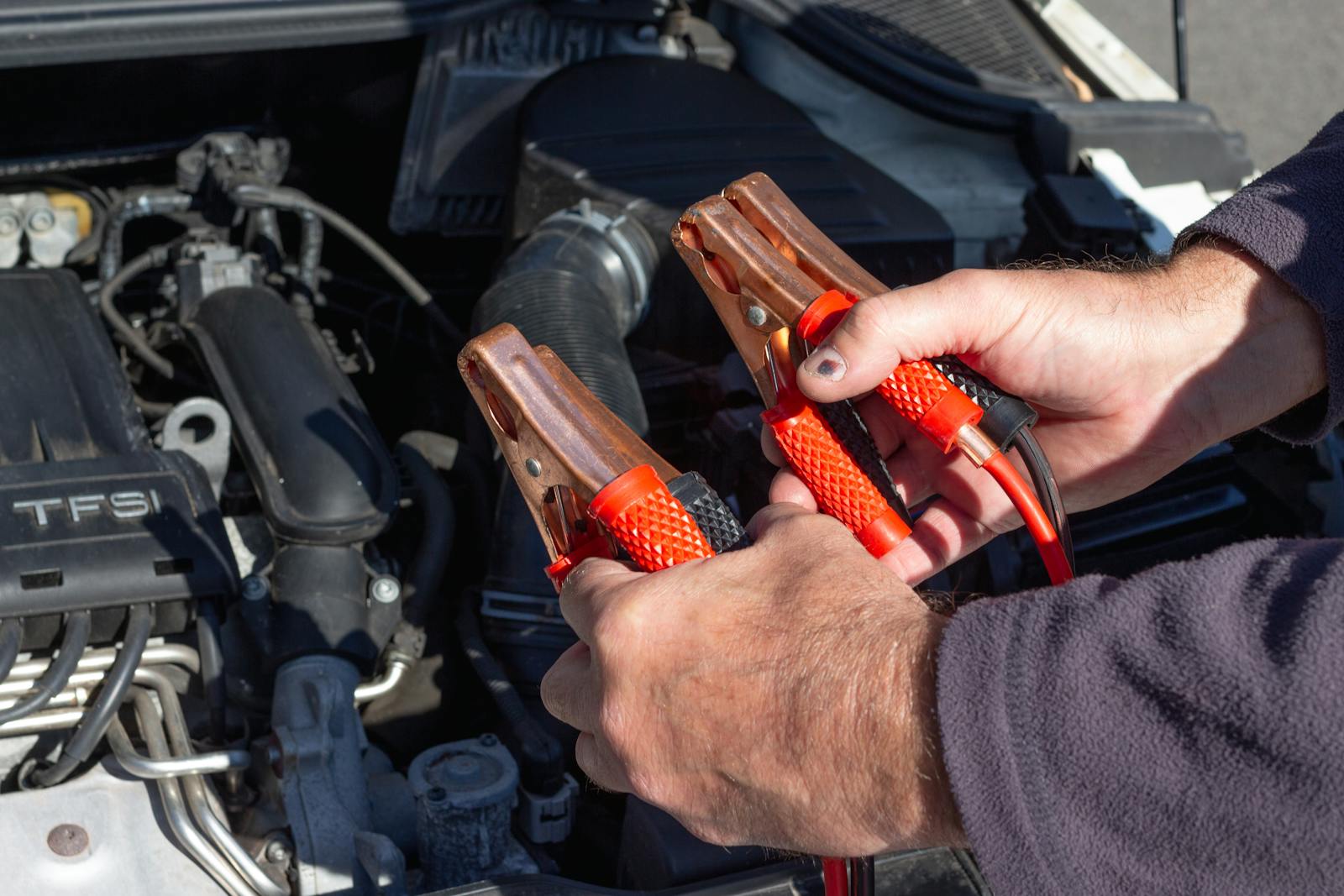
A dead battery can leave you stranded at the most inconvenient time. It’s a common issue, especially in cold weather. Jumper cables are a lifeline in such situations. They can get your car started long enough for you to reach a service station.
Keep in mind that not all jumper cables are the same. You need to choose one that’s long enough (at least 12 feet) and thick enough (6 to 8 gauge) to handle the power. Also, knowing how to use them is equally important. Familiarize yourself with the process or keep a guide handy.
3. Flashlight
A flashlight is another essential tool that can be a real lifesaver in many situations. Whether you’re trying to change a tire in the dark or looking for something in your car, a good, reliable flashlight can make all the difference.
Opt for an LED flashlight as they are more durable and have longer battery life. Also, remember to keep spare batteries or choose a model with a hand crank or solar charging option.
4. Blanket
You may wonder why it’s necessary to have a blanket. Imagine being stuck in your car on a cold night due to a breakdown or a snowstorm. A warm, woolen blanket can provide the much-needed warmth and comfort.
Even in milder weather, a blanket can be useful. You can use it for picnics or outdoor events, or even to protect your car seats from pet hair or children’s spills.
5. Portable Phone Charger
In today’s digital age, a smartphone can be your biggest ally on the road. It’s your GPS, your emergency contact tool, and your entertainment system. But all these functions are useless if your phone battery is dead. That’s why a portable phone charger is a must-have.
There are many types of portable chargers available, so choose one that suits your needs. Some can even jump-start your car! Make sure it’s always charged and ready to use.
6. Water and Non-perishable Food
Getting stranded without food or water can be a scary thought. Always keep a few bottles of water and some non-perishable snacks in your car.
Choose foods that can withstand temperature changes and have a long shelf life, like granola bars or canned goods. Don’t forget a manual can opener if you opt for canned food.
7. Basic Tool Kit
A basic tool kit can come in handy for minor repairs. This should include a multi-tool, screwdrivers, pliers, duct tape, and a tire pressure gauge.
Remember, even the best tools are useless if you don’t know how to use them. Take some time to learn about basic car maintenance and repair.
8. Spare Tire, Jack, and Tire Iron
A flat tire is one of the most common car problems. Having a spare tire, along with the necessary tools like a jack and tire iron, can get you back on the road in no time.
Ensure your spare tire is in good condition and that it’s properly inflated. Also, make sure you know how to change a tire.
9. Reflective Warning Triangles
In case of a breakdown, you’ll want to ensure other drivers can see your vehicle to avoid collisions. That’s where reflective warning triangles come in.
These triangles are universally recognized as a sign of a stalled vehicle. Place them about 50 feet behind your car to alert oncoming traffic.
10. Car Manual
Last but certainly not least, the car manual. It’s full of useful information about your vehicle and can assist you with minor repairs or troubleshooting.
Many people overlook the car manual, but it’s an invaluable resource. Keep it in your glove compartment for easy access.
Remember, preparation is key when it comes to road safety. Equip your car with these items, and you’ll be ready for most situations you may encounter on the road. Safe travels!