

You probably expect some depreciation when you drive off the lot, but a few models torch their resale value so quickly that they can wreck your budget if you like to trade in every few years. Focusing on models that historically lose value at an alarming pace helps you avoid the steepest drops and negotiate harder if you still want one. Here are 10 specific vehicles that tend to destroy their resale value shockingly fast, along with why the market punishes them so much.
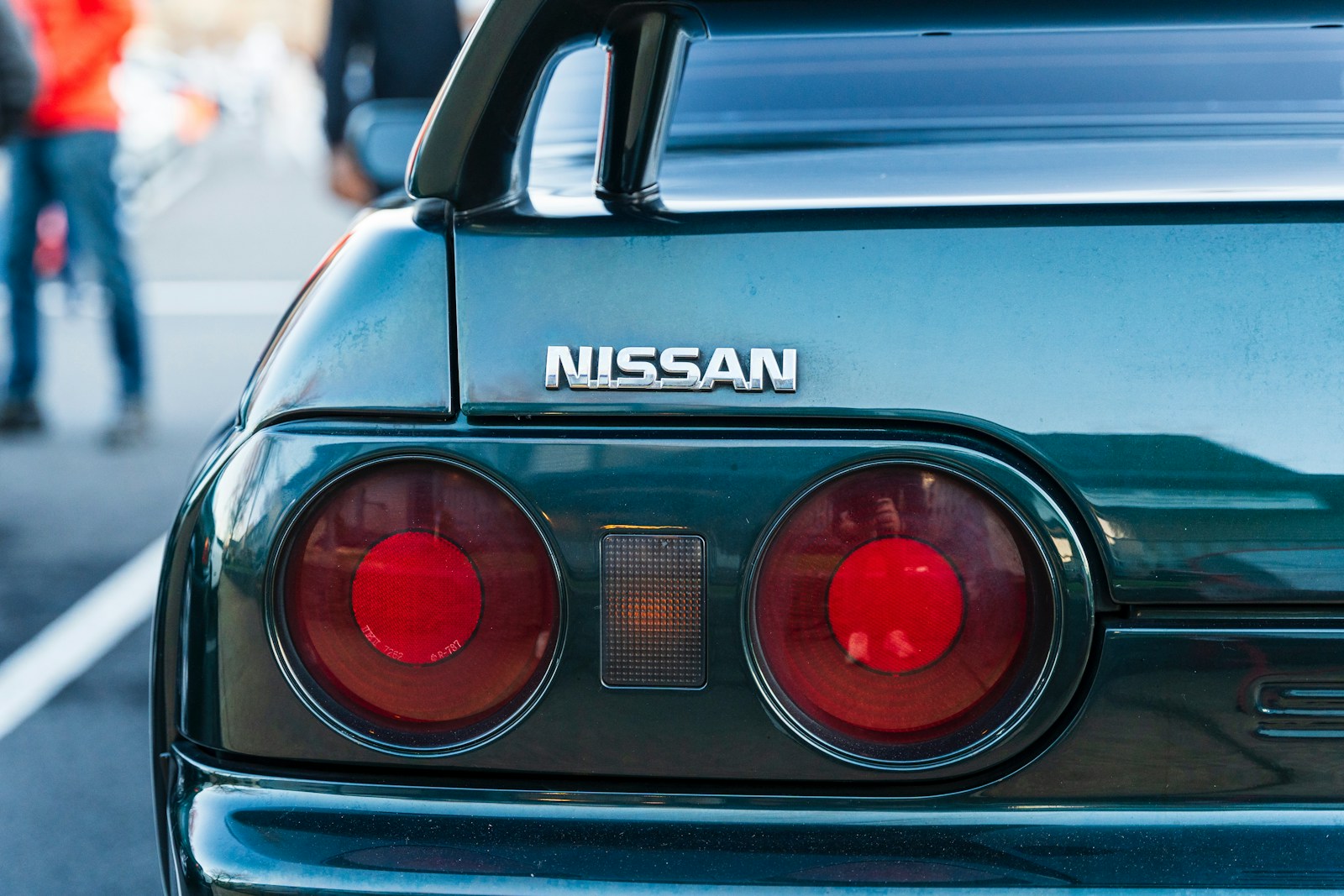
1) Nissan Leaf: Range Anxiety Craters Used Demand
The Nissan Leaf illustrates how fast-changing battery tech can hammer resale value. Early Leaf models, especially the 2011–2016 cars with smaller battery packs, were quickly overshadowed by newer EVs offering longer range and faster charging. As buyers gravitated to fresher options, used prices for the Leaf fell sharply, with many examples trading well below comparable gasoline compacts. That rapid obsolescence, driven by range anxiety and limited charging speed, made the Leaf one of the most heavily discounted used EVs.
For you as a shopper, that brutal depreciation cuts both ways. If you buy new, you risk watching thousands of dollars evaporate in just a few years as newer, longer-range EVs arrive. If you buy used, however, the Leaf can be a bargain commuter, provided you are realistic about battery health and daily range needs. The key is to treat it as an inexpensive, short-hop appliance rather than a long-term, high-value asset.
2) BMW 7 Series: Flagship Luxury, Fire-Sale Prices
The BMW 7 Series is a classic example of a prestige sedan that collapses in value once it leaves warranty. Complex technology, expensive air suspension components, and high parts and labor costs scare off second and third owners. As a result, a 7 Series that cost six figures when new can often be found for a fraction of that price within a few years, with depreciation outpacing smaller BMW models and many rival sedans. The market effectively prices in the risk of big repair bills.
If you are tempted by a used 7 Series, that steep drop can look like a steal, but you need to budget for maintenance like you still own a six-figure car. Extended warranties, thorough pre-purchase inspections, and a realistic reserve for repairs are essential. For new buyers, the lesson is simple: leasing or very short ownership cycles may be the only way to avoid being crushed by the model’s rapid value loss.
3) Maserati Ghibli: Exotic Badge, Mainstream Depreciation
The Maserati Ghibli shows how a glamorous badge does not guarantee strong resale. Positioned as an entry point into Italian luxury, the Ghibli has faced criticism for interior quality, reliability concerns, and high running costs compared with German rivals. Used-car listings often reveal dramatic price drops within the first three to five years, with Ghibli values undercutting similarly aged executive sedans that started at lower MSRPs. That mismatch between brand image and ownership reality accelerates depreciation.
For you, the Ghibli’s trajectory means you should be extremely cautious about buying new unless you are comfortable absorbing a large, fast hit. On the used side, the car can be tempting at its reduced prices, but insurance, brakes, tires, and routine service still reflect its original luxury positioning. The broader trend is clear: when a model trades heavily on image but struggles on durability and refinement, the resale market reacts harshly.
4) Jaguar XF: Luxury Sedan Hit by Reliability Fears
The Jaguar XF has long battled a reputation for reliability issues, and that perception weighs heavily on its resale value. Even as newer generations improved, lingering concerns about electronics, drivetrain durability, and dealer support kept many used buyers at arm’s length. As a result, XF sedans often depreciate faster than comparable German models, with sharp value drops in the first few years of ownership. The market essentially discounts the car for perceived risk and limited demand.
If you are considering an XF, that rapid depreciation can make a lightly used example far more sensible than a new one. You benefit from the initial owner’s big loss while still enjoying the car’s comfort and styling. However, you need to factor in potential repair costs and the possibility of weaker resale when you move on. The XF’s story underscores how brand reliability narratives, fair or not, can quickly destroy resale value.
5) Chevrolet Bolt EV: Price Cuts Undercut Used Values
The Chevrolet Bolt EV demonstrates how aggressive new-car pricing and incentives can crush the used market. When new Bolts were discounted heavily and later affected by high-profile battery recalls, used examples had to be priced steeply lower to attract buyers. That combination of factory incentives and consumer hesitation about battery longevity pushed resale values down faster than many other compact cars, even though the Bolt offers competitive range and practicality.
For you, the Bolt’s depreciation means buying new is risky if you plan to sell within a few years, because future buyers will expect deep discounts. On the other hand, a post-recall used Bolt can be a strong value if you verify that battery work has been completed and you are comfortable with the model’s history. The broader takeaway is that sudden price cuts and recall headlines can permanently reset a vehicle’s resale ceiling.
6) Mercedes-Benz S-Class: Tech-Heavy Flagship, Steep Slide
The Mercedes-Benz S-Class is packed with cutting-edge technology, but that innovation comes at a resale cost. As each new generation introduces more advanced driver aids, infotainment, and comfort features, older S-Class models feel dated quickly, even if they still drive well. Combined with high maintenance and repair costs, this tech turnover leads to some of the steepest depreciation in the luxury segment, with large value drops in the first three to five years.
From your perspective, the S-Class is a textbook case of why buying used can be financially smarter than buying new in the flagship luxury space. You can access a lavish cabin and strong performance at a fraction of the original price, provided you accept higher upkeep and potential electronic gremlins. The pattern highlights how fast-moving technology can erode resale value even for vehicles that remain aspirational on paper.
7) Dodge Charger (V8): Muscle Car Thirst Hurts Resale
The Dodge Charger with V8 power delivers classic American muscle, but its appetite for fuel and shifting market tastes drag down resale. As buyers increasingly prioritize efficiency and crossovers, large rear-wheel-drive sedans with big engines have seen demand soften on the used market. Chargers equipped with V8s often lose value faster than more modest trims, because their higher running costs and insurance premiums narrow the pool of interested second owners.
If you are drawn to a V8 Charger, that depreciation can work in your favor if you buy used, since you can secure serious performance for relatively little money. However, you should not expect strong trade-in offers later, especially if fuel prices rise or emissions rules tighten. The Charger’s trajectory shows how changing preferences and operating costs can quickly erode the resale of once-coveted performance models.
8) Chrysler Pacifica: Minivan Discounts Ripple Through Used Prices
The Chrysler Pacifica is often heavily incentivized when new, and those discounts ripple directly into the used market. When shoppers can secure large rebates or low financing on a new Pacifica, used examples must be priced aggressively to compete, which accelerates depreciation. Fleet and rental sales further increase supply, putting additional downward pressure on resale values compared with some rival family haulers.
For you, that means buying a new Pacifica without substantial incentives is financially risky, because the model’s transaction prices are already compressed. A nearly new used Pacifica can represent a better value, especially if you confirm it has not had unusually hard fleet use. The broader trend is that high-volume family vehicles with frequent discounts tend to shed value quickly, even when they are practical and well-equipped.
9) Infiniti Q50: Aging Platform, Aggressive Leasing
The Infiniti Q50 has remained on an aging platform while competitors have been refreshed more frequently, and that stagnation shows up in resale values. Interior tech, driver-assistance features, and overall refinement lag behind newer rivals, which makes used buyers less willing to pay premium prices. At the same time, aggressive leasing on new Q50s has created a steady stream of off-lease cars, increasing supply and pushing used prices down faster than many competing sedans.
If you are shopping in this segment, the Q50’s depreciation can make it a compelling used buy, but you should recognize that its resale will likely remain weak when you sell. The model’s situation illustrates how limited product updates and heavy reliance on leasing can combine to destroy long-term value, even for a car with strong engines and rear- or all-wheel-drive appeal.
10) Fiat 500L: Niche Appeal, Harsh Market Reality
The Fiat 500L is a cautionary tale about niche models with limited brand strength. While it offers extra space compared with the regular 500, the 500L struggled with reliability perceptions, awkward styling, and a small dealer network. Used buyers often avoid it in favor of more established compact crossovers and hatchbacks, which has led to steep depreciation and low resale values. In many markets, 500L prices fall quickly enough that owners face significant losses if they sell early.
For you, that means a new 500L is a risky bet if you care about protecting equity, and even a cheap used example should be approached with careful inspection and realistic expectations. The 500L’s experience underscores how limited demand, brand uncertainty, and practical compromises can combine to crush resale, especially when a model sits outside mainstream buyer preferences.
More from Wilder Media Group: