

Some vehicles have a reputation among tow truck drivers for showing up on the hook after crashes that barely wrinkle tougher models. You might walk away from a fender‑bender, only to discover your car is undriveable because of fragile components, awkward packaging, or costly electronics. Knowing which models are more likely to need a flatbed after minor impacts helps you shop smarter, budget for repairs, and decide whether that bargain used car is really worth the risk.
1) Compact sedans with low-mounted plastic bumpers
Compact sedans that rely on low-mounted plastic bumper covers often look fine after a parking-lot tap, yet hide expensive damage underneath. The thin plastic can crack or deform easily, exposing impact bars, radiators, and headlight mounts that sit just inches behind the fascia. Even a slow-speed hit can misalign these parts enough that your car is no longer safe or legal to drive, which is when the tow truck shows up.
For you, the stakes are financial and practical. A seemingly minor scrape can trigger airbag sensors, damage active grille shutters, or bend condenser brackets, all of which push repair estimates high enough that insurers prefer a tow over a roadside fix. If you commute daily or rely on street parking, that vulnerability can turn routine bumps into multi-day repair shop visits.
2) Entry-level crossovers with stiff ride heights
Entry-level crossovers often combine tall ride heights with relatively stiff suspension tuning, which can make minor impacts more abrupt for the structure. When a higher bumper meets a lower sedan or curb, the force can bypass reinforced crash zones and go straight into subframes or suspension arms. Even if the bodywork looks intact, bent control arms or misaligned steering components can leave the vehicle unsafe to drive, prompting a tow.
This matters if you count on your crossover as a family hauler or daily workhorse. A low-speed collision that a traditional body-on-frame truck might shrug off can sideline a unibody crossover for days. You may face alignment issues, uneven tire wear, and advanced driver-assistance systems that refuse to operate until recalibrated, all of which increase downtime and repair bills.
3) Luxury sedans packed with front-end sensors
Modern luxury sedans pack radar modules, cameras, and parking sensors into their front bumpers and grilles, turning minor taps into complex repair jobs. A gentle nudge that scuffs paint can also knock a radar bracket out of alignment or crack a hidden sensor housing. Because these systems control adaptive cruise control, automatic emergency braking, and lane-keeping aids, technicians often insist on towing the car rather than letting you drive with compromised safety tech.
For owners, the implications go beyond cosmetic fixes. Replacing and recalibrating advanced sensors can cost more than traditional bodywork, and insurers may classify even small collisions as significant claims. That combination of fragile electronics and strict safety standards makes these sedans frequent visitors to body shops and tow yards after crashes that older, simpler cars would drive away from.
4) Sports cars with low splitters and long overhangs
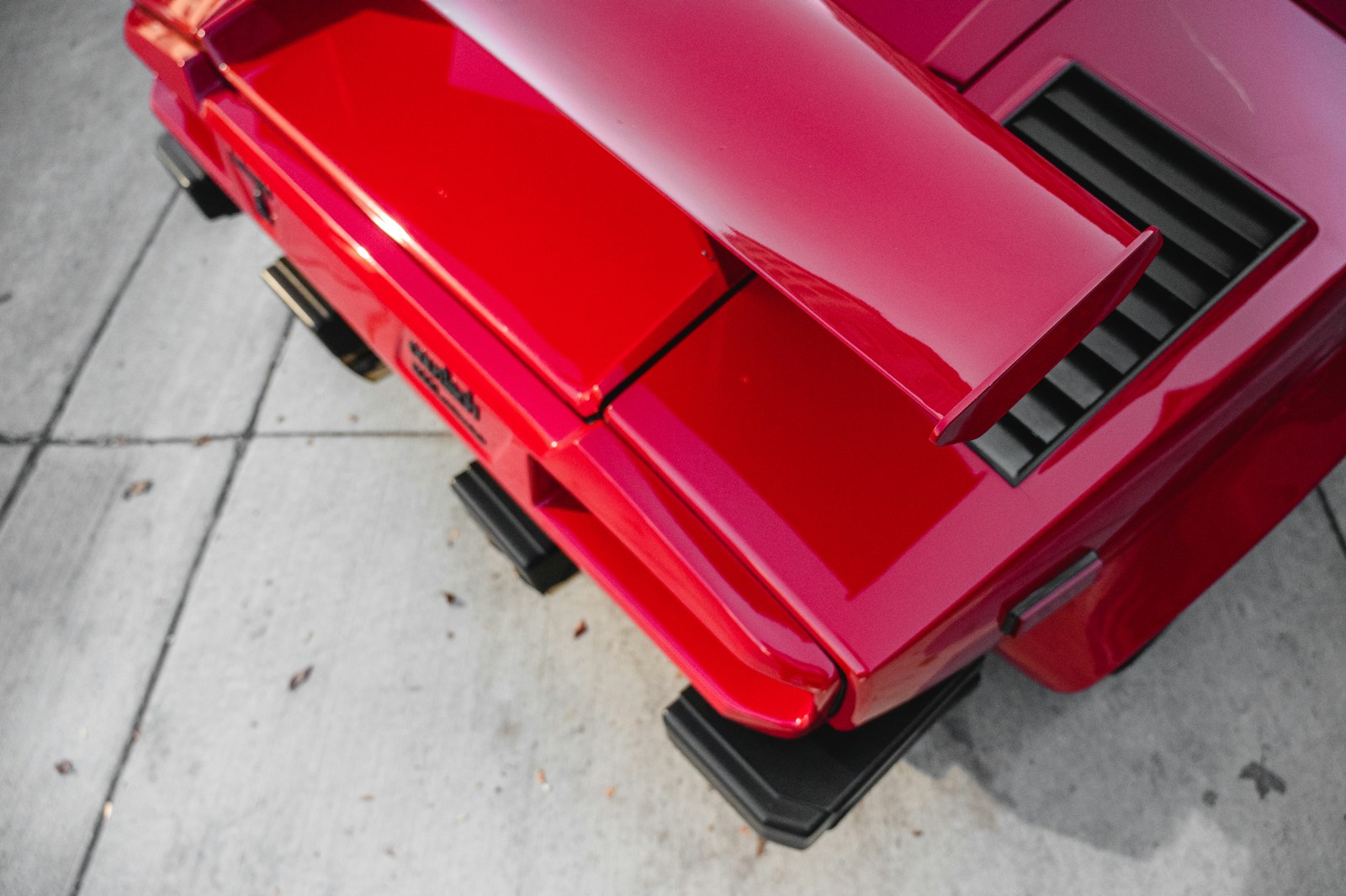
Sports cars with aggressive front splitters and long overhangs are especially vulnerable in low-speed accidents. Their low ride height means even a modest impact with a curb, parking block, or taller bumper can crack composite splitters, damage radiators, or puncture oil coolers mounted close to the ground. When vital cooling components are compromised, driving any farther risks engine damage, so a tow becomes the safest option.
If you enjoy spirited driving or track days, that fragility raises the stakes. A misjudged driveway angle or a slow-speed rear-end collision can leave your car stranded despite minimal visible damage. Replacement aero parts, specialty radiators, and underbody panels are often expensive and may require ordering from the manufacturer, stretching repair timelines and insurance negotiations.
5) Compact hybrids with tightly packaged engine bays
Compact hybrids typically cram gasoline engines, electric motors, inverters, and cooling systems into very tight engine bays. That dense packaging means a small front-end impact can ripple through multiple components at once, from coolant lines to high-voltage wiring harnesses. Even if the bumper cover survives, any suspicion of damage to orange high-voltage cables or battery cooling hardware usually leads to a precautionary tow.
For you, the risk is both safety and cost. High-voltage systems require specially trained technicians and strict procedures, so roadside assessments are limited. A minor collision can quickly escalate into a complex diagnostic job at a certified shop, with the car immobilized until every electrical component is cleared. That sensitivity to small impacts makes compact hybrids more likely to leave the scene on a flatbed.
6) Early-2000s trucks with aging frames and rust
Older trucks from the early 2000s can be cheap to buy but expensive to keep on the road once rust attacks their frames and suspension mounts. Even though many of these pickups were praised as reliable and affordable in their prime, time and corrosion change the equation. A low-speed collision that flexes a weakened frame rail or control arm mount can reveal structural issues that make the truck unsafe to drive, forcing a tow instead of a quick roadside fix.
That is why shoppers often cross-shop used pickups against more detailed reliability guides, such as lists of reliable early-2000s trucks that still hold up. If your truck has spent years in a rust-prone region, even a minor crash can expose hidden rot, trigger alignment problems, or cause brake line failures. The result is a vehicle that looks fine from the cab but cannot safely make it home under its own power.
7) Minivans with sliding-door alignment issues
Minivans rely on precisely aligned sliding doors and tracks, which can be surprisingly sensitive to side impacts and parking-lot scrapes. A gentle hit to a rear quarter panel or door edge can bend tracks, damage rollers, or tweak the body opening just enough that the door will not close or latch correctly. When a door cannot secure properly, towing is often the only safe option, especially if you are transporting children.
For families, that vulnerability has real consequences. A minor collision on the school run can instantly sideline your primary people-mover, even if the engine and suspension are untouched. Repairing and realigning sliding doors can be labor-intensive, and replacement hardware is often model-specific, so you may face both towing costs and extended time in the shop.
8) Compact luxury SUVs with fragile rear hatches
Compact luxury SUVs frequently integrate power liftgates, rear cameras, and proximity sensors into complex hatch assemblies. A low-speed rear-end collision that barely dents the outer panel can still damage liftgate motors, wiring looms, or latch mechanisms. If the hatch will not stay closed, or if the rear camera and sensors fail, many shops recommend towing the vehicle rather than letting you drive with compromised visibility and unsecured cargo.
Owners feel the impact in both convenience and repair complexity. Diagnosing intermittent electrical faults in a power hatch can take longer than replacing a simple steel tailgate, and parts often come as expensive modular units. That means even a “small” accident can generate a large bill and leave your SUV sitting at a body shop instead of in your driveway.
9) Subcompact city cars with minimal crumple zones
Subcompact city cars are designed to be light and maneuverable, but their short front and rear overhangs leave limited space for crumple zones. In a low-speed collision with a larger vehicle, more of the impact energy can reach structural members, suspension pick-up points, or steering components. Even if the body panels show only minor scuffs, hidden damage to these critical parts often leads to a tow for a thorough inspection.
If you rely on a tiny hatchback for urban commuting, that trade-off matters. The same bump that leaves a larger sedan drivable might bend your car’s subframe or steering rack just enough to cause pulling, vibrations, or tire wear. Insurers and repairers tend to err on the side of caution, preferring to tow and inspect rather than risk a follow-up failure on the road.
10) Performance EVs with exposed battery cooling hardware
Performance electric vehicles often route battery and motor cooling hardware close to the front and rear of the car to save space and improve efficiency. A modest impact that cracks a coolant line, deforms a battery shield, or disturbs underbody panels can trigger warning lights and automatic shutdowns. Because any suspected damage to the high-voltage battery is treated as serious, tow trucks are usually called in even when the exterior damage looks minor.
For drivers, the implications are significant. Specialized EV repair facilities, strict safety protocols, and the high cost of battery components all raise the stakes of a simple fender-bender. Until technicians confirm that the battery pack and cooling circuits are intact, your performance EV is likely to sit on a flatbed rather than limp home, turning small accidents into major logistical headaches.
More from Wilder Media Group: