

Car design in the 2000s was a mix of bold experiments and unexpected misses. While some vehicles stood out for their style and innovation, others quickly gained negative attention for strange looks and poor appeal. You might be surprised at how many designs from that era still spark strong opinions today.
This article highlights 10 of the most hated car designs of the 2000s, showing you which models missed the mark and why they remain unpopular. Understanding these designs can give you a better sense of how style and functionality impact a car’s success and reputation.
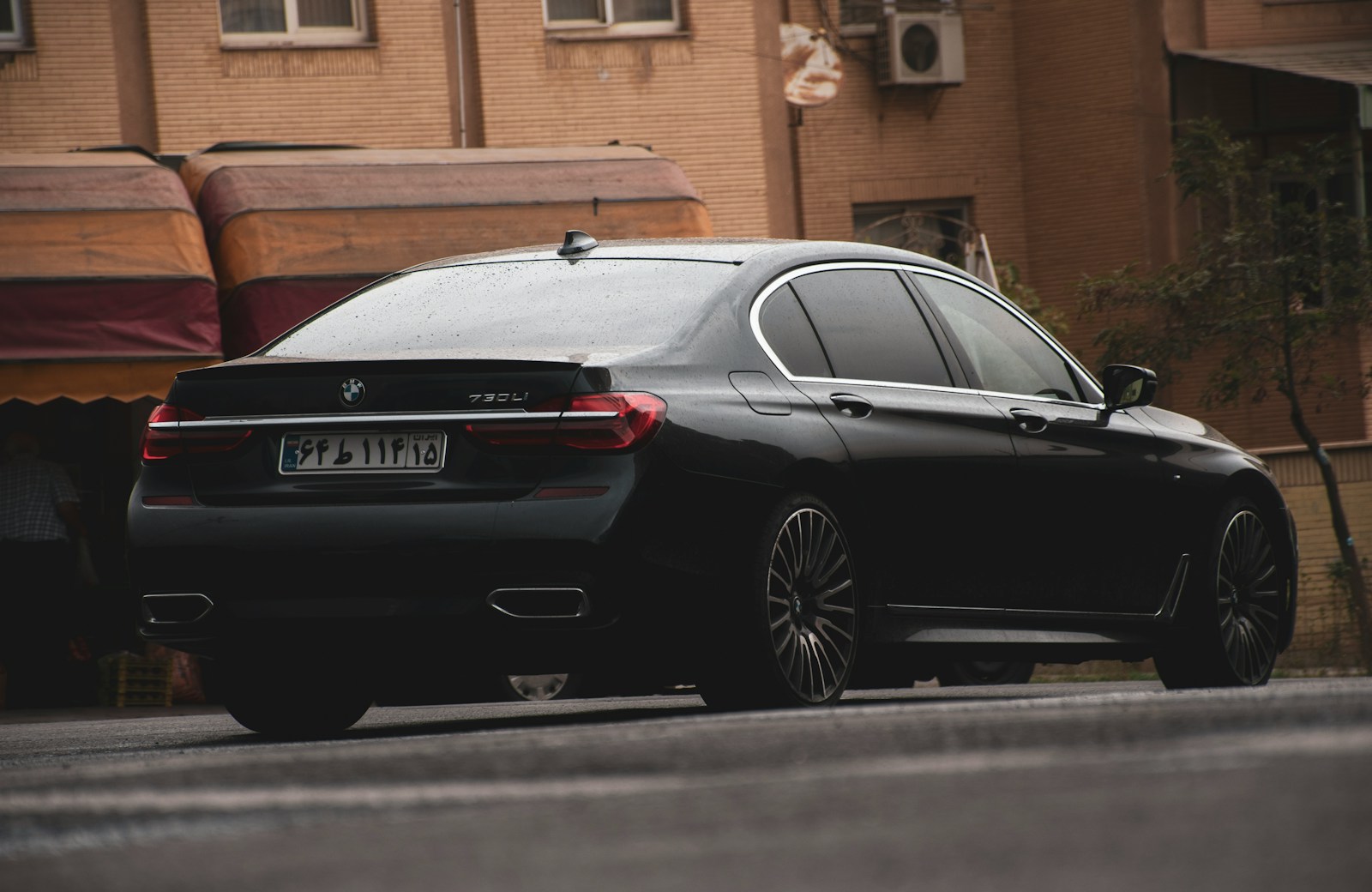
BMW 7 Series ‘Bangle Butt’
If you’re into BMWs, the 7 Series from the early 2000s might surprise you. This model introduced the so-called “Bangle Butt,” a bold rear design that many found unusual at first.
You might find the look polarizing—it mixes sharp angles with curves in a way BMW hadn’t tried before. While some drivers appreciate its unique style, others thought it was awkward or out of place on a luxury sedan.
Despite the criticism, the design marked a turning point in BMW’s styling, showing that car design can be daring and different. Learn more about the story behind it here.
Pontiac Aztek
If you ever saw a Pontiac Aztek, you probably know why it landed on so many “worst designs” lists. Its mix of SUV, minivan, and hatchback shapes can be confusing at first glance.
You might find its unconventional style difficult to love. Early buyers faced issues like electrical glitches and leaking coolant, which didn’t help its reputation.
Still, some people have grown to appreciate its unique look over time. So if you like something offbeat, the Aztek might just catch your eye. For more details, check out this page on the Pontiac Aztek’s reputation.
Nissan Juke
If you’ve seen the Nissan Juke, you know it’s one of the most unusual designs from the 2000s. Its bug-eyed headlights and quirky shape made it stand out, but not everyone loved it.
You might find the styling bold or just plain odd. Inside, it’s compact and efficient, but some feel the ride is a bit harsh and the backseat cramped.
Despite its haters, the Juke has become a cult favorite for those who like something different on the road. Learn more about its unique style and history here.
Fiat Multipla
When you first see the Fiat Multipla, its unusual design might catch you off guard. The double-layered headlights and boxy shape are unlike most cars on the road.
Despite its looks, the Multipla is surprisingly practical, comfortably seating six people in a compact space. It’s a car that puts functionality ahead of style, offering plenty of interior room for families or groups.
If you appreciate clever design behind quirky appearances, the Multipla might grow on you, even if it’s often rated among the most disliked car designs of the 2000s. Learn more about its unique style and story here.
Chevrolet SSR
If you’re looking for a unique truck with a retro vibe, the Chevrolet SSR might catch your eye. It tried to blend a vintage hotrod look with pickup utility, but it ended up feeling a bit awkward.
You might find its performance underwhelming, especially for a vehicle carrying the SS badge. Early models were slow, and even a Corvette engine upgrade couldn’t fix its clunky design.
The price was high, too—starting over $42,000—making it a tough sell for many buyers. It’s definitely one of Chevy’s more unusual attempts from the 2000s. For more, see this detailed look at the SSR’s issues.
Ford Edsel
You might find the Ford Edsel’s design puzzling at first glance. Its unusual horse-collar grille caught a lot of attention, but not the kind Ford hoped for. Many saw it as awkward and outdated even when it was new.
If you’re thinking about what went wrong, it wasn’t just the looks. Pricing and marketing missed the mark, too. The Edsel ended up being one of the most famous flops in automotive history, with just under 45,000 cars sold before it vanished in 1960. Learn more about the Edsel’s story here.
Toyota Prius (first gen)
When you see the first-generation Toyota Prius, you might notice its unusual shape. It wasn’t built to win beauty contests but to pioneer hybrid technology.
You’ll find the design awkward, and the car’s performance might feel slow compared to others from the 2000s. Its fuel efficiency was impressive, though, making it a smart green choice for many drivers.
If you value innovation over style, the Prius was a big step forward. But if looks matter most, this model might not be your favorite. It sparked a lot of mixed opinions early on.
Learn more about why the first Prius was so divisive at SlashGear.
Jeep Cherokee XJ (early 2000s)
If you’re considering a Jeep Cherokee XJ from the early 2000s, be cautious. Those models, especially 2000-2001, suffered from a cylinder head defect known as the “0331” issue. This flaw can cause serious engine damage.
You might love the classic boxy design, but under the hood, the 4.0L engine had problems that could lead to costly repairs. Years like these are often seen as less reliable compared to other XJ models. Check the engine carefully if you want one for your garage.
More details on these issues can be found in this Jeep Cherokee XJ years discussion.
Kia Soul (original)
If you’re considering the original Kia Soul, be ready for a design that’s quite bold and boxy. Its unique shape stands out, but not everyone loves the unconventional look.
People often dislike the quirky styling because it doesn’t follow typical car design trends. However, you might appreciate its spacious interior and affordable price.
The first-gen Soul isn’t perfect, with some complaints about engine reliability in certain years. Still, if you want something practical with character, it could be a fun choice.
Learn more about common critiques on why people hate the Kia Soul’s design on this discussion page.
Citroën Ami
If you’re looking for a car that breaks all the rules, the Citroën Ami fits the bill. It’s small, quirky, and its design has divided opinions since day one.
You might find it charmingly odd or downright strange. Its boxy shape and minimal features make it stand out on the road, but it wasn’t made to impress traditional car lovers. Instead, it aims to be practical and accessible for city driving.
Despite its unusual look, the Ami has earned a kind of cult following for being different and fun to drive. You either love it or hate it, with little middle ground. For a deep dive, check out this take on the Citroën Ami’s unique design.