

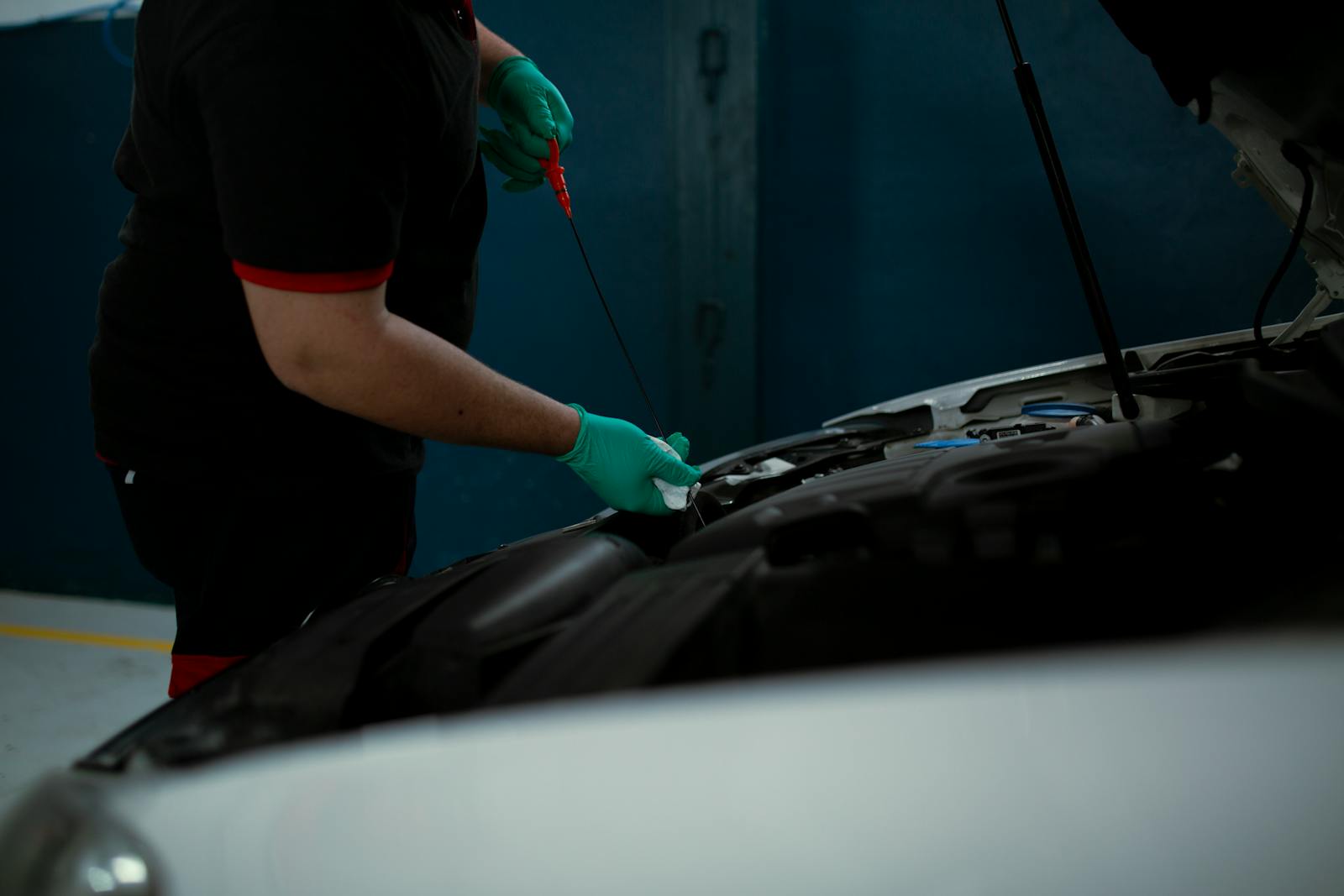
Regular oil changes are critical for vehicle maintenance, yet many drivers inadvertently make mistakes that could lead to severe engine damage. These errors not only compromise the longevity of your vehicle but can also lead to costly repairs, affecting millions of drivers across the country. Understanding these common pitfalls is essential to ensure your engine remains in optimal condition.
1. Skipping Oil Changes
One of the most significant mistakes drivers make is skipping oil changes altogether. According to automotive experts, neglecting to change your oil can lead to sludge buildup, which can severely impair engine function. For example, a 2020 Toyota Camry requires an oil change every 5,000 to 7,500 miles, depending on the oil type. Failing to adhere to this schedule can result in catastrophic engine failure.
2. Using the Wrong Oil Type
Using the incorrect oil type can significantly impact engine performance. Each vehicle has specific requirements as per the manufacturer’s recommendations. For instance, a 2021 Honda Civic typically needs 0W-20 synthetic oil. Choosing a different viscosity or type could lead to inadequate lubrication, increasing friction and wear on engine components.
3. Ignoring the Oil Filter
Many drivers overlook the importance of changing the oil filter during an oil change. The oil filter plays a crucial role in removing contaminants from the oil, and a clogged filter can cause oil starvation. A vehicle like the 2019 Ford F-150 can suffer from reduced oil flow if the filter is not replaced, potentially leading to severe engine wear.
4. Overfilling or Underfilling Oil
Another common mistake is misjudging the oil level during a change. Overfilling can cause excess pressure within the engine, leading to oil leaks and damage to seal rings. Conversely, underfilling can result in insufficient lubrication, causing the engine to run hotter and wear faster. It’s essential to consult the owner’s manual for the correct oil capacity—typically around 5 to 6 quarts for many mid-sized SUVs like the 2021 Chevrolet Equinox.
5. Not Checking the Oil Level Regularly
Failing to check the oil level regularly is a mistake that can lead to severe engine problems. Experts recommend checking your oil level at least once a month, especially for older models. A noticeable drop in oil level could indicate leaks or consumption issues that need to be addressed immediately to avoid serious damage.
6. Using Oil Beyond Its Shelf Life
Oil has a shelf life, and using oil that has expired can compromise engine protection. Most conventional oils have a shelf life of about five years if stored properly, while synthetic oils may last longer. Using oil that has sat in your garage for too long can lead to decreased performance and increased wear on your engine components.
7. Neglecting Oil Change Records
Failing to keep accurate records of oil changes can have repercussions when it comes to warranty claims and resale value. Many manufacturers require proof of regular maintenance to honor warranties. For instance, if you own a 2022 Subaru Outback, not having documented oil changes could void your warranty, costing you thousands in repairs.
8. Ignoring Warning Lights
Many drivers dismiss warning lights on their dashboard, thinking they can address them later. However, a check engine light can indicate low oil pressure or other critical issues. Ignoring these warnings can lead to irreversible engine damage, particularly in modern vehicles that rely on complex electronic systems for oil monitoring.
9. DIY Errors
While doing your own oil change can save money, it also opens the door to potential mistakes. Improper installation of the oil filter or drain plug can cause leaks. For instance, if you own a 2018 Nissan Rogue and fail to tighten the oil drain plug adequately, you could lose significant oil and risk engine damage. Always follow the manufacturer’s instructions or consult a professional if you’re unsure.
10. Timing Oil Changes Incorrectly
Finally, timing your oil changes incorrectly can lead to problems. While some recommend changing oil every 3,000 miles, modern engines often have longer intervals, especially when using synthetic oils. A vehicle like the 2023 Kia Sportage may only need an oil change every 7,500 to 10,000 miles, so adjusting your schedule based on your vehicle’s needs is critical for maintaining engine health.
In conclusion, avoiding these ten common oil change mistakes can help protect your engine and extend the life of