

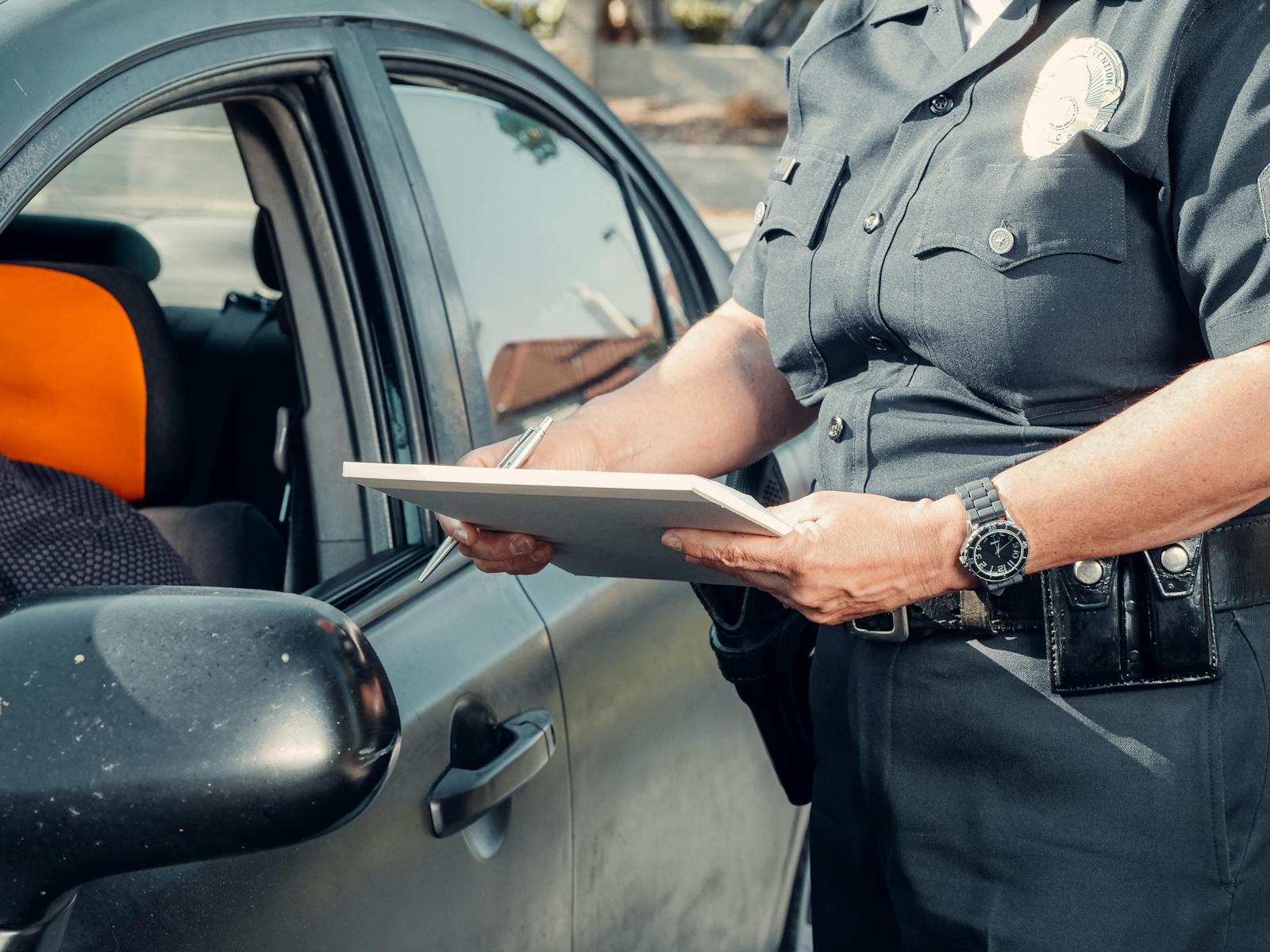
Even if you are not speeding, you can still be pulled over for a long list of other traffic and equipment issues. Officers are trained to watch for small details on your car and in your driving that signal potential safety problems or legal violations. Understanding these common triggers helps you spot risks before you drive and reduces the chance of an unexpected traffic stop.
1) Broken Taillight Violations
Broken taillight violations are one of the most common reasons officers pull over Drivers who are otherwise obeying the speed limit. Federal vehicle equipment guidelines treat working lights as basic safety gear, because other motorists rely on them to see you braking or turning. When a taillight is out or cracked, your car is technically out of compliance, and that alone can justify a stop in many jurisdictions.
Some departments openly acknowledge that a broken taillight can become a gateway to a broader investigation. In one explanation of traffic enforcement, Police describe using minor equipment violations to check the car and driver for more serious offenses, such as impaired driving or outstanding warrants. For you, that means a small maintenance issue can quickly escalate, so routinely checking your lights before night driving is a practical form of legal self‑defense.
2) Expired Registration Tags
Expired vehicle registration tags are another straightforward reason you might be pulled over even when your speed is perfect. State motor vehicle agencies treat visible plate stickers as proof that fees are paid and the car is legally on the road, and registration rules make clear that driving with lapsed tags is a violation. Because the date is printed right on the plate, officers can spot the problem from a distance in traffic or while parked behind you at a light.
In practice, enforcement often unfolds in layers. One explanation of how stops work notes that Drivers may first be pulled over for speeding or another moving violation, and that is when officers “nail them” for the out‑of‑date registration visible on the plate, as described in a traffic stop breakdown. The stakes are more than a ticket, since some states can tow or impound a car with severely overdue tags, disrupting your work and family schedule.
3) Excessively Tinted Windows
Excessively tinted windows can draw attention even when your driving is smooth and lawful. State laws summarized in window tinting studies limit how dark front and sometimes rear windows can be, because officers and other drivers need to see into and through vehicles for safety. When tint is so dark that it obstructs visibility, officers may view it as a direct equipment violation and initiate a stop to measure the tint level.
For you, the risk is that aftermarket tint on a sedan or SUV might look stylish but still fall outside your state’s legal range. If an officer cannot see your seatbelt, your hand signals, or even whether you are holding a phone, that lack of visibility can heighten suspicion during the stop. Correcting illegal tint usually requires removal or replacement, so checking your car’s percentage rating before installation can prevent repeated pulls and repair costs.
4) Seatbelt Non-Compliance
Seatbelt non‑compliance is a classic example of how your behavior, not your speed, can trigger a stop. In states with primary enforcement, officers are allowed to pull you over solely for not wearing a seatbelt, and seatbelt law summaries highlight that many jurisdictions treat this as a standalone offense. If an officer can see through the window that your shoulder belt is tucked behind you or not worn at all, that observation is enough to justify flashing lights.
One detailed explanation of state law spells it out plainly, stating, “Yes, California” officers can conduct a traffic stop if they observe the driver or passengers without safety restraints, as described in a seatbelt enforcement overview. Beyond the fine, a seatbelt ticket can affect insurance rates and, more importantly, signals to officers that you may be casual about other safety rules, which can shape how they approach the rest of the encounter.
5) Cell Phone Distraction
Using a cell phone while driving is another reason you can be pulled over even when your speedometer sits exactly at the limit. Public health and traffic safety data from the distracted driving research link handheld phone use to crashes, injuries, and deaths, so many states now treat visible texting or calling as a primary offense. If an officer sees your eyes locked on a screen or a phone held to your ear, that distraction alone can justify a stop.
From your perspective, the risk is not just a citation for using a device. Once you are pulled over, the officer may also scrutinize your lane position, following distance, and seatbelt use, potentially stacking multiple violations. Hands‑free systems built into newer cars or apps like Apple CarPlay and Android Auto can reduce that exposure, but only if you resist the urge to pick up the phone in your hand while the vehicle is moving.
6) Missing Turn Signal
Failure to use a turn signal is a small mistake that can have big consequences when an officer is watching. Analyses of crash and violation patterns from the AAA Foundation identify lane changes and turns without signaling as frequent triggers for enforcement, because other drivers rely on those signals to anticipate your moves. When you drift into another lane or turn at an intersection without indicating, you create a safety risk that is easy for officers to document and cite.
For drivers, the stakes go beyond a minor ticket. A signal violation can be used as the legal basis for a stop that then expands into questions about impairment, distracted driving, or equipment problems. If you are already under stress, forgetting to signal while changing lanes around a slow truck or exiting a freeway can be enough to start a chain of events that ends with a search or arrest, even though your speed was never the issue.
7) Cracked Windshield Obstruction
Driving with a cracked or obstructed windshield can also get you pulled over, regardless of how carefully you manage your speed. Federal commercial vehicle rules in FMCSA regulations spell out that windshields must be free of damage or objects that interfere with the driver’s field of view, and many states apply similar standards to passenger cars. A long crack in the driver’s line of sight or stickers clustered in front of your eyes can be treated as an equipment violation.
Even if your car is not a commercial truck, officers often borrow these safety principles when deciding whether a windshield problem justifies a stop. For you, that means a rock chip that spreads into a spiderweb across the glass is not just cosmetic, it is a legal liability. Repairing or replacing the windshield promptly can prevent repeated stops and also protect you in a crash, since compromised glass is more likely to shatter or fail.
8) Dangling Rearview Mirror Obstruction
An air freshener or other object dangling from your rearview mirror might seem harmless, but it can be enough to get you pulled over. Legal analyses of traffic codes note that some states, including Texas, prohibit “features or passengers that obstruct the view of the front or sides of the vehicle,” and one explanation of this rule cites that language directly from Under the Texas Transportation Code. When an officer sees a large ornament, tag, or freshener swinging in front of the glass, that can be treated as a visibility violation.
National reporting on these cases points out that an air freshener has been used as the stated reason for stops that later turned into searches or arrests, with some legal commentators warning that such minor infractions can become pretexts. For you, the implication is clear, even if you are not speeding or driving erratically, a small decoration can give officers a lawful opening to initiate contact, so keeping the area around your windshield clear is the safest choice.
9) Tailgating Behavior
Tailgating, or following too closely, is another behavior that can draw a stop even when your speed matches the posted limit. Basic speed laws summarized in NHTSA guidance emphasize that safe driving is about matching speed to conditions and maintaining enough distance to react. When an officer sees your front bumper riding just a few feet off the car ahead at highway speeds, that pattern can be cited as an unsafe following distance.
From a legal standpoint, tailgating is often treated similarly to speeding because it increases crash risk and reduces your ability to avoid sudden hazards. For you, the consequences can include a moving violation that adds points to your license and raises insurance premiums. It can also be interpreted as aggressive driving, which may influence how an officer approaches your window and whether they look for signs of road rage or impairment once you are stopped.
10) Unusual Vehicle Features
Out‑of‑state plates or unusual vehicle modifications can also attract attention, even when your driving is technically flawless. Analyses of pretextual policing practices by civil liberties advocates describe how officers sometimes use visible factors like unfamiliar plates or oversized tires as grounds for investigatory stops, especially when they suspect other criminal activity. One overview of these tactics notes that such Uncommon traffic stop reasons often center on the condition of the vehicle or concern about the driver rather than obvious speeding.
For you, that means a lifted pickup with oversized tires, a heavily modified exhaust, or plates from a distant state can invite extra scrutiny, particularly in areas where similar vehicles have been linked to prior offenses. While many of these modifications are legal if they meet equipment standards, they can still serve as the initial justification for a stop that leads to questions, document checks, or searches. Understanding that visibility can help you decide which customizations are worth the added attention.
Supporting sources: Reactions mixed as SF police commission adopts new ….
More from Wilder Media Group: