

As much as we love the thrill and exhilaration sports cars offer, sometimes, these beasts lose their charm and become less desirable. It could be due to a newer model, outdated design, or inadequate performance. But when people stop buying certain sports cars, it sends a clear message to the manufacturers. This could inspire them to innovate, adapt, and produce better machines that cater to consumers’ evolving preferences. So, let’s dive into the world of sports cars and take a look at 10 sports cars people stopped buying.
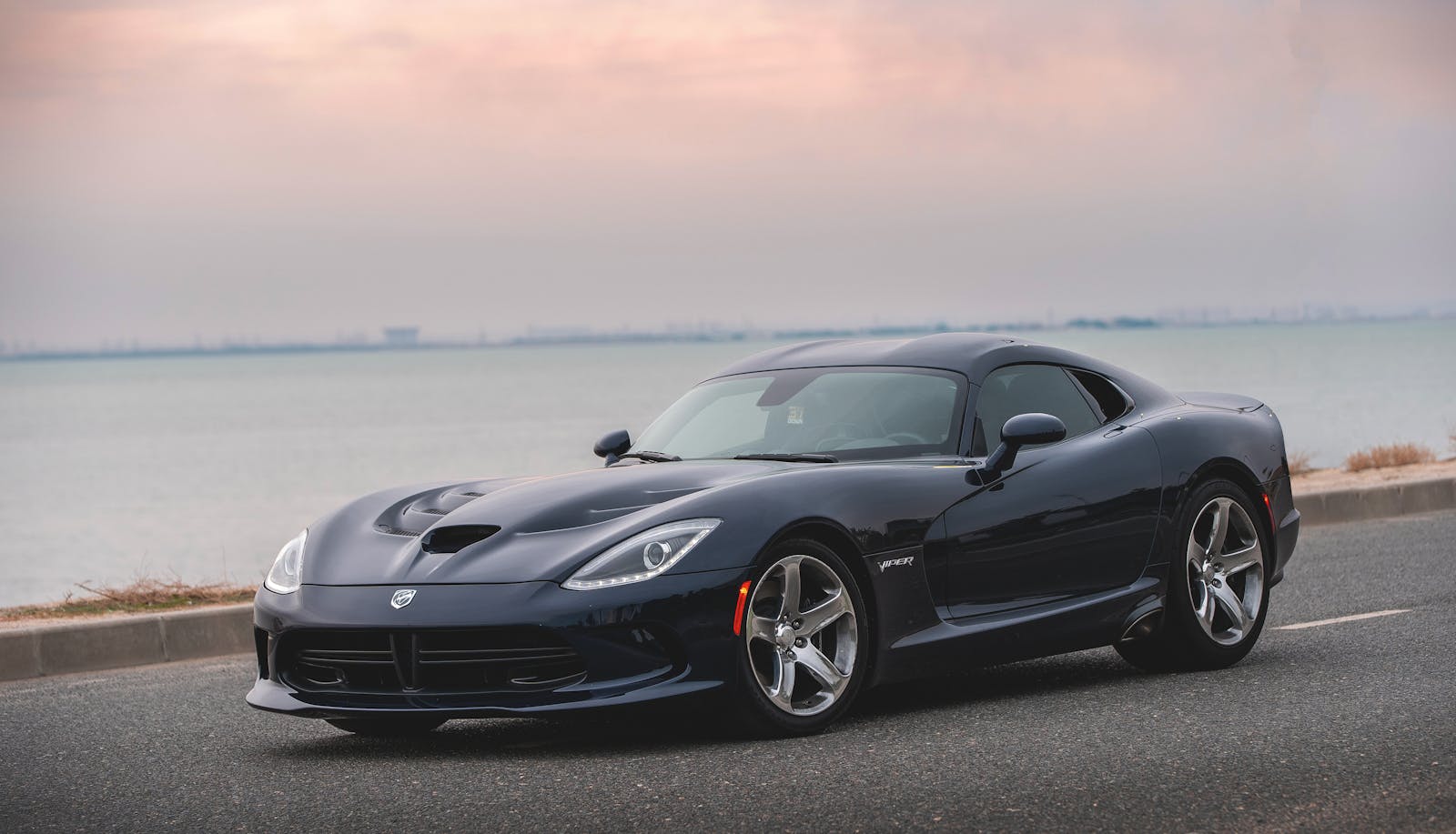
1. Dodge Viper
The Dodge Viper, once a symbol of raw American power, has seen a significant decline in sales. From its inception in 1992, the Viper was all about performance. However, its lack of refinement and comfort was what led to its downfall.
The Viper’s brute power and the absence of driver assists were initially selling points, but as the years went by, consumers moved towards more sophisticated and comfortable vehicles. Dodge stopped production in 2017 due to falling sales, but the Viper still holds a special place in the hearts of many car enthusiasts.
2. Nissan 370Z
The Nissan 370Z, a successor to the popular 350Z, hasn’t lived up to the expectations. Despite its respectable performance and handling, the 370Z struggled to compete with its rivals.
The car’s design, virtually unchanged since 2009, is a significant factor contributing to its declining popularity. Furthermore, the lack of technological updates and a high price tag compared to its competitors led to a sharp decrease in sales, making it one of the least popular sports cars on the market.
3. Mitsubishi Eclipse
The Mitsubishi Eclipse was a popular sports car in the 90s, but its popularity waned as the brand focused more on economy cars and SUVs. The Eclipse lost its sporty edge with every new generation, ultimately leading to its demise.
Mitsubishi attempted to revive the Eclipse name in 2018 as a compact SUV – the Eclipse Cross. However, the move was met with backlash from fans of the original sports car, further tarnishing the Eclipse’s reputation.
4. Honda CR-Z
The Honda CR-Z aimed to marry sportiness with hybrid technology, but it failed to impress. Consumers found the CR-Z’s performance underwhelming, and its fuel efficiency not quite up to par with other hybrids.
The CR-Z’s styling was a nod to the classic CRX, but the nostalgia factor wasn’t enough to save it. The last models rolled off the assembly line in 2016, signaling the end of Honda’s experiment with sporty hybrids.
5. Alfa Romeo 4C
The Alfa Romeo 4C is a pure sports car, focusing on providing an authentic driving experience. However, its lack of practicality and comfort features proved to be its downfall.
Despite its striking looks and excellent handling, the 4C’s harsh ride and lack of creature comforts made it a hard sell. Production ended in 2020, marking the end of Alfa Romeo’s lightweight sports car.
6. Audi TT
The Audi TT, once a design icon, saw declining sales due to its shift towards a more mainstream design. The TT’s original bubbly design was replaced with a more angular look, alienating some of its fan base.
Despite offering a refined interior and decent performance, the TT’s sales dwindled. Audi announced in 2019 that it would discontinue the TT in favor of electric vehicles, marking the end of an era.
7. Chevrolet SS
The Chevrolet SS was a wolf in sheep’s clothing, offering V8 power in a sedate sedan body. However, its understated looks didn’t resonate with consumers, leading to poor sales.
Despite its impressive performance and handling, the SS struggled to find buyers. Chevrolet discontinued the SS in 2017, marking the end of its performance sedan.
8. Toyota MR2
The Toyota MR2 was a popular mid-engined sports car in the 90s. However, as Toyota shifted its focus towards more practical cars, the MR2 fell by the wayside.
Despite its handling prowess, the MR2’s small size and lack of practicality led to decreasing sales. Toyota discontinued the MR2 in 2007, but rumors of its revival persist.
9. Jaguar XK
The Jaguar XK was a grand tourer that combined luxury and performance. However, as Jaguar introduced the sportier F-Type, the XK saw declining sales.
Despite its comfortable ride and powerful V8 engine, the XK couldn’t compete with its more modern rivals. Jaguar discontinued the XK in 2014, focusing on the F-Type instead.
10. BMW Z4
The BMW Z4, with its retractable hardtop and sporty handling, failed to find a broad audience. Its high price and lack of practicality led to declining sales.
Despite its stylish looks and performance, the Z4 couldn’t compete with more affordable sports cars. BMW redesigned the Z4 in 2019, hoping to revive its fortunes.