

Sports cars are often defined not just by their speed or power but by how they handle the road. Exceptional handling allows drivers to experience precise control, responsiveness, and confidence in various driving conditions. This article highlights 10 sports cars known for their legendary handling capabilities, emphasizing the engineering and design that set them apart.
Handling quality often results from a combination of balanced weight distribution, suspension tuning, and chassis rigidity. These factors come together to create driving experiences that enthusiasts value highly, whether on winding roads or track settings. Understanding what makes these cars handle so well provides insight into the evolution of sports car performance.
Mazda MX-5 Miata

The Mazda MX-5 Miata is celebrated for its balanced and responsive handling. Its lightweight design, using materials like aluminum and high-strength steel, enhances agility and cornering ability.
The car features rear-wheel drive and a simple four-cylinder engine, focusing on driving purity. Suspension tuning prioritizes nimbleness, though it can feel soft over uneven surfaces. The Miata remains a benchmark for accessible sports car dynamics.
Subaru BRZ / Toyota GT86

The Subaru BRZ and Toyota GT86 are lightweight sports cars developed together by Subaru and Toyota. They offer excellent handling and balance, thanks to their low weight and rear-wheel-drive layout.
These cars are praised for their agility and driver-focused feel. While their power is modest, their dynamic performance makes them popular among enthusiasts seeking precise road manners at an accessible price.
Porsche 911 (930 Turbo)

The Porsche 911 (930 Turbo) launched in 1974 is known for its distinctive turbocharged engine and iconic design. It weighs approximately 1195 kg and reaches a top speed of 154 mph.
Its performance includes a 0-62 mph acceleration time of around 5.7 seconds. The 930 combined racetrack technology with street usability, contributing to its reputation for sharp handling.
BMW M3 E30
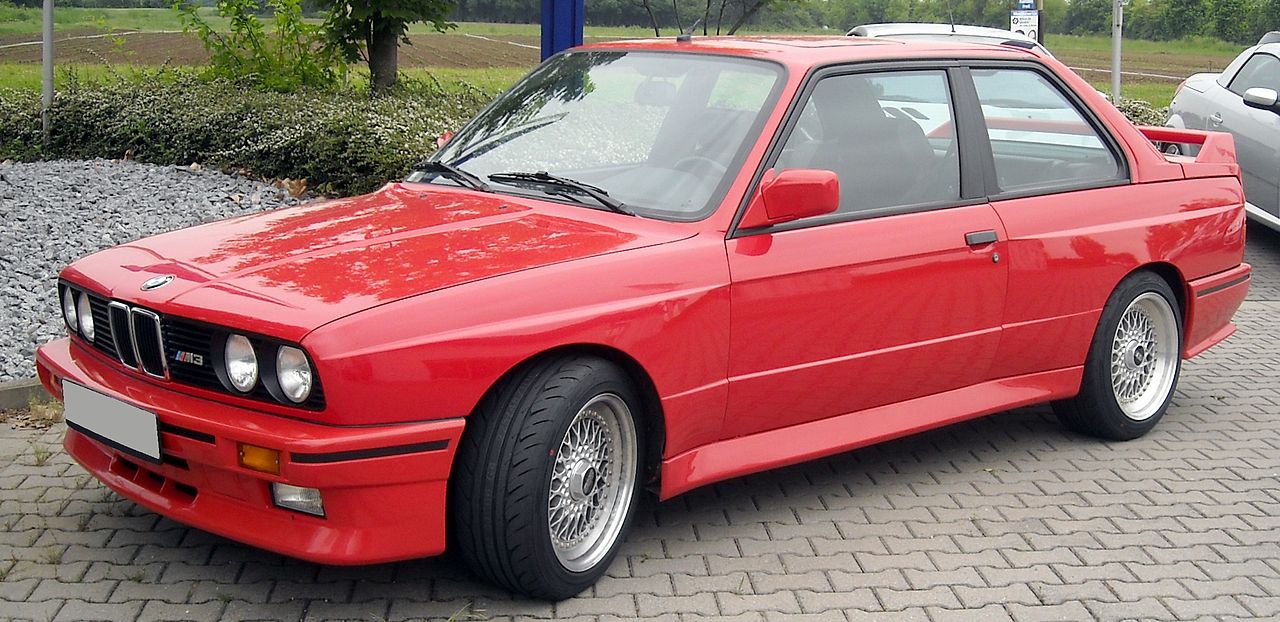
The BMW M3 E30 debuted in 1987, designed primarily for DTM racing. It secured championship wins in 1987 and 1989, proving its competitive edge.
The car’s handling is precise, balancing agility and control in tight corners. Its lightweight design and suspension setup contribute significantly to its reputation.
With over 1,400 race wins across various series, the M3 E30 remains an important model in BMW’s motorsport history.
Caterham Seven

The Caterham Seven is a lightweight sports car designed for precise handling and driver engagement. Its low weight, around 440 kg, enhances agility and responsiveness on the road.
It offers a range of engines, from modest power to high-performance variants exceeding 250 horsepower. The minimalist design focuses on driving dynamics rather than luxury or technology.
The car’s chassis and suspension setup provide excellent feedback, making it a favorite among enthusiasts who prioritize handling over outright speed.
Ariel Atom

The Ariel Atom is designed to provide a raw and precise driving experience. Its minimalist structure and steel chassis focus on torsional rigidity and safety.
This car removes unnecessary elements, allowing for exceptional handling and direct feedback. It is recognized for delivering one of the purest sports car experiences available.
The latest models, like the Atom 4, have improved refinement while maintaining the brand’s core focus on performance and driving engagement.
Jaguar E-Type Series 1
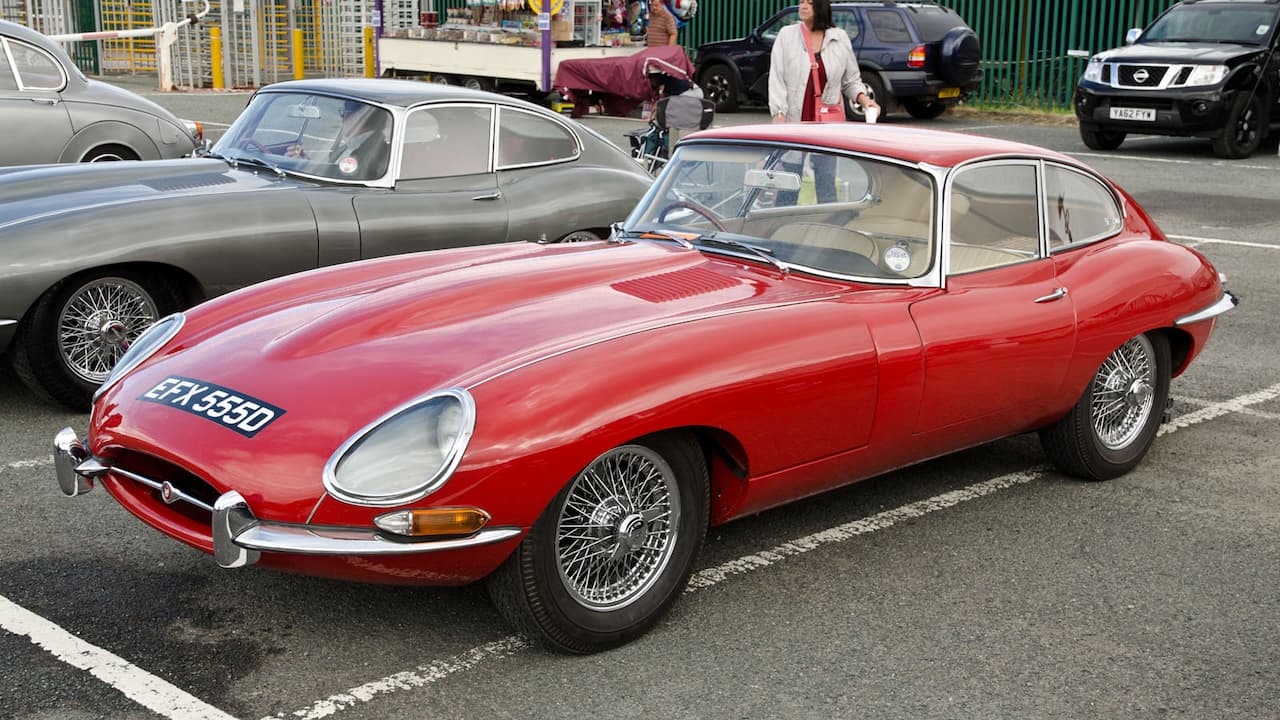
The Jaguar E-Type Series 1 is known for its advanced engineering and striking design. It features a monocoque body inspired by the D-Type and four-wheel disc brakes, enhancing its handling.
The car achieves a top speed of 150 mph and accelerates from 0 to 60 mph in under 7 seconds. It offers a balanced driving experience praised for both performance and reliability.
Its finely tuned chassis and lightweight construction contribute to precise cornering and control, marking it as a benchmark in sports car dynamics.
Lamborghini Miura
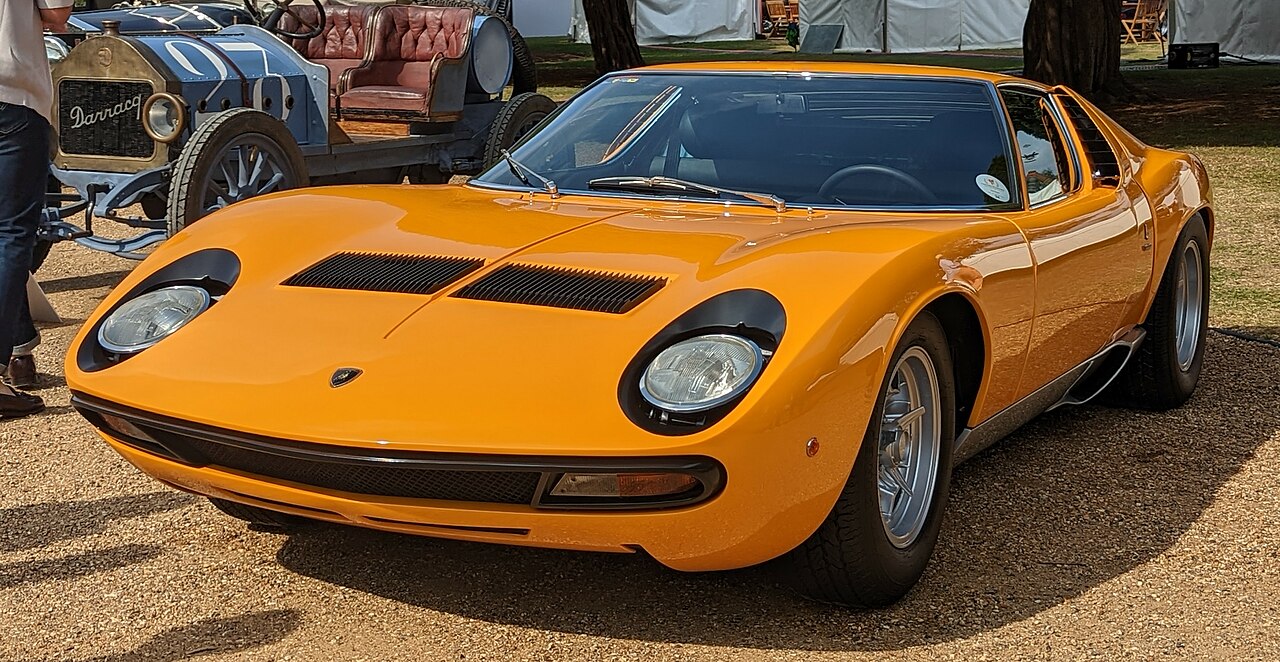
The Lamborghini Miura introduced a groundbreaking mid-engine layout by mounting its V12 engine transversely behind the driver. This design improved weight distribution and handling, setting new standards in sports car dynamics.
It reached a top speed of around 280 km/h and accelerated from 0 to 100 km/h in about six seconds. The Miura combined performance with striking design, influencing future supercars significantly.
Ford GT40
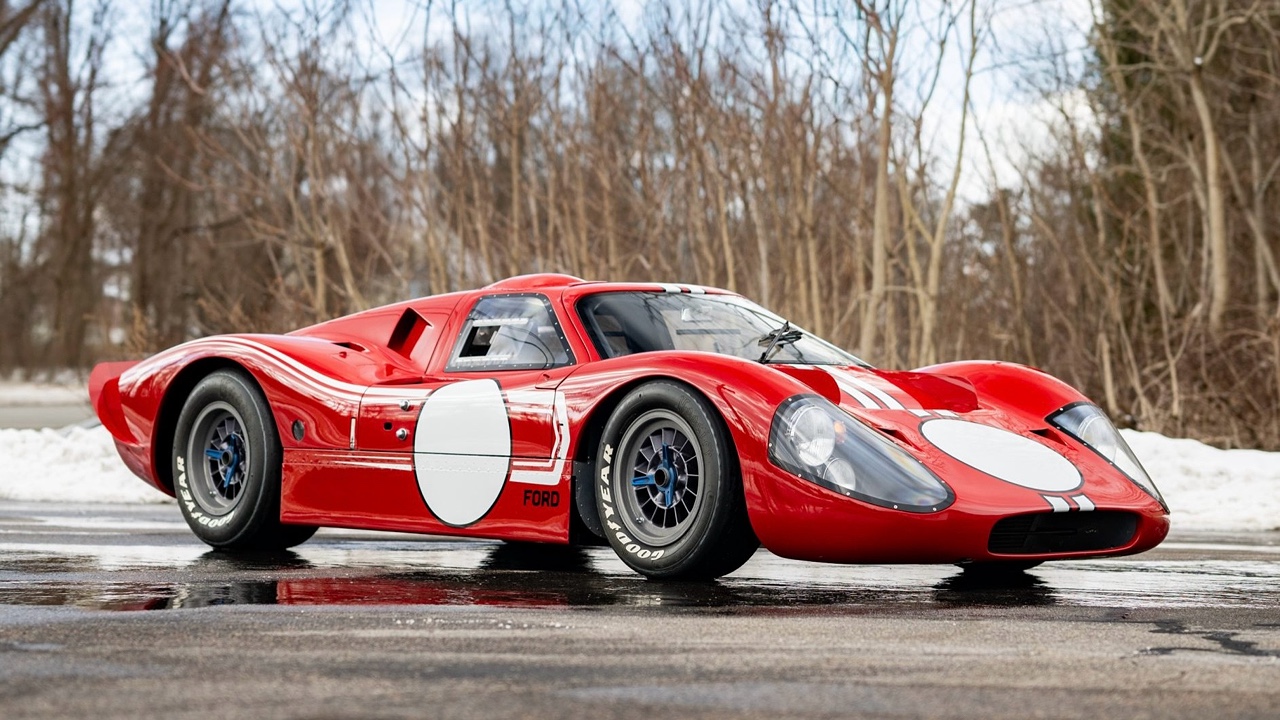
The Ford GT40 is a mid-engined racing car developed in the 1960s to challenge European competitors. It featured advanced engineering, including powerful engines and lightweight construction.
Its handling was praised for balance and precision, aided by innovations like ventilated disc brakes and aerodynamic design. The GT40’s success at Le Mans highlighted its exceptional road and track performance.
Porsche 911 Carrera RS

The Porsche 911 Carrera RS 2.7 is widely recognized for its precise and balanced handling. Introduced in 1973, it was designed primarily as a homologation model for racing.
Its lightweight construction and refined suspension setup contributed to exceptional road and track performance. The Carrera RS 2.7 set a benchmark for future 911 models in terms of driving dynamics and agility.