

Many SUVs look solid on the surface, yet hide problems that only show up when a seasoned mechanic crawls underneath or plugs in a scan tool. These 10 models have specific, well-documented flaws that can turn into expensive surprises if you do not know what to look for. Understanding these hidden issues helps you ask better questions in the shop and spot trouble before it becomes a safety or reliability crisis.
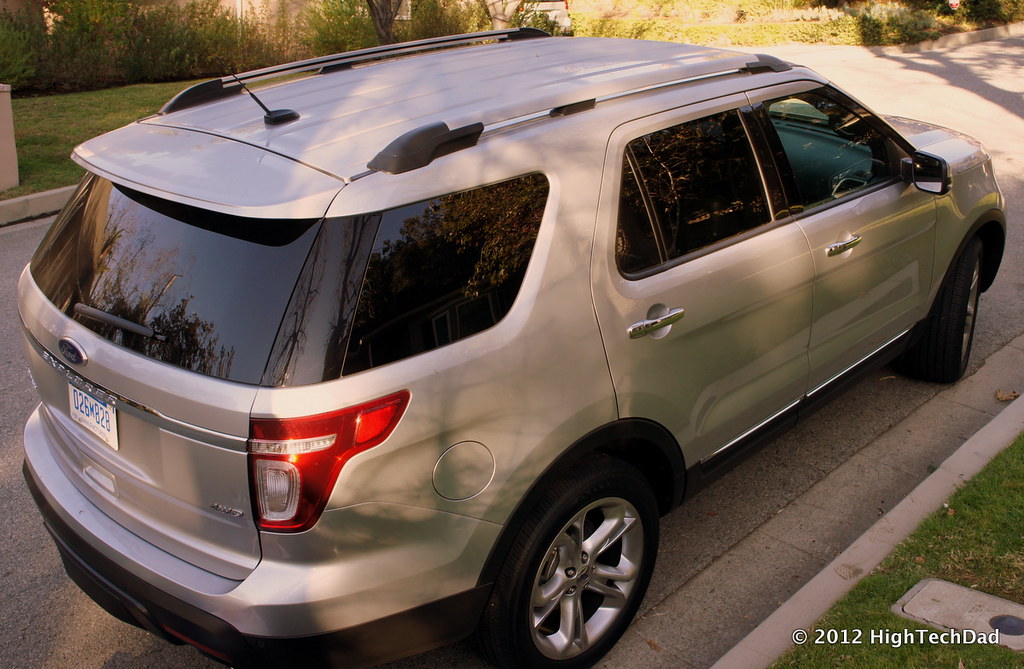
1) Ford Explorer’s PTU Leak Nightmare
The 2011-2017 Ford Explorer has a known weak point in its all-wheel-drive system, the Power Transfer Unit that routes power to the rear wheels. In NHTSA recall 20V-374, regulators state that “the PTU may fracture and leak lubricant onto the road,” which can lead to failure and AWD shutdown. Mechanics often catch this only during fluid checks, because the PTU is tucked up near the transmission and small leaks are easy to miss until the unit runs low on lubricant.
Shops that specialize in Ford repairs warn that the PTU is “small but mighty” and needs regular fluid changes to survive, a point echoed in a detailed video explanation of how neglect leads to overheating and internal damage. For owners, the stakes are high, since a failed PTU can disable AWD in bad weather and leave you with a four-figure repair on a vehicle that otherwise seems fine.
2) Jeep Grand Cherokee’s TIPM Electrical Gremlins
The 2011-2014 Jeep Grand Cherokee hides a notorious troublemaker in its Totally Integrated Power Module, or TIPM, which acts as the SUV’s electrical nerve center. According to complaint data compiled on CarComplaints.com, owners have filed more than 1,200 reports of random electrical malfunctions tied to this module. Symptoms range from stalling and non-start conditions to fuel pump issues and erratic lighting, problems that often baffle drivers but are instantly familiar to experienced Jeep technicians.
The scale of the failures led to a class-action lawsuit filed in 2015 by the firm Hagens Berman, which alleged that defective TIPMs created safety risks by cutting power unpredictably. For buyers, the danger is that a used Grand Cherokee can appear to run fine on a short test drive, while an aging TIPM is quietly waiting to fail. Mechanics typically diagnose it only after repeated complaints, using scan data and circuit testing to confirm the module as the root cause.
3) Chevy Trailblazer’s Frame Rust Catastrophe
The 2003-2007 Chevy Trailblazer carries a structural problem that you cannot see from the driver seat, excessive frame rust that can literally split the SUV in two. In NHTSA investigation PE06-020, engineers documented how “frame corrosion can cause the rear of the frame to separate from the front,” a catastrophic failure that compromises suspension mounting points. Surface rust on body panels may look cosmetic, but the real danger lurks along boxed frame rails and crossmembers.
Seasoned mechanics know to put these Trailblazers on a lift and probe the frame with a hammer or pick, checking for soft spots and flaking metal around control arm mounts and rear spring perches. Once corrosion reaches the point of separation, repair often becomes uneconomical, effectively totaling the vehicle. For owners in rust-belt states, this hidden decay turns what seems like a budget SUV into a potential safety hazard that can fail inspection without much warning.
4) Toyota 4Runner’s Rear Axle Seal Contamination
The 2003-2009 Toyota 4Runner has a reputation for durability, yet its rear axle seals are a quiet weak link that many owners overlook. A Technical Service Bulletin, TSB 0094-09, issued on September 15, 2009, addresses axle seals that leak gear oil onto the rear brakes. Consumer reliability data backs this up, with Consumer Reports’ 2022 survey giving the 4Runner a score of 2/5 for brakes, citing contamination from leaking seals as a recurring issue.
Technicians typically spot the problem during brake jobs, when they find oil-soaked pads and drums or rotors, along with a telltale stripe of gear oil on the backing plate. Left unchecked, the leak reduces braking performance and can cause premature wear of both pads and parking brake components. For shoppers, a clean-looking 4Runner can hide this fault until the first hard stop reveals a soft pedal, so having a mechanic pull the rear wheels before purchase is critical.
5) Honda Pilot’s VCM Oil Consumption Woes
The 2009-2015 Honda Pilot hides its biggest trouble inside the engine management system, where Variable Cylinder Management, or VCM, can create long-term damage. In NHTSA complaint ID 10045234 from July 2012, an owner reported that “VCM causes spark plug fouling and excessive oil use up to 1 quart per 1,000 miles.” By deactivating cylinders under light load, the system can allow oil to pool and burn, leading to misfires and carbon buildup that are not obvious on a quick drive.
Mechanics familiar with these Pilots often see fouled plugs, coked piston rings, and uneven compression in engines that otherwise sound normal. The stakes are significant, because chronic oil consumption can starve the engine between changes, risking bearing damage and costly overhauls. For owners, careful monitoring of oil level and attention to subtle misfire codes can catch VCM-related issues early, but many only discover the problem after a check-engine light and a large repair estimate.
6) Nissan Pathfinder’s CVT Shudder Surprise
The 2005-2012 Nissan Pathfinder is widely criticized for its Continuously Variable Transmission, which can develop a distinct shudder under load. Complaint data on CarComplaints.com ranks the 2005 Pathfinder as the worst model year, with more than 1,500 transmission complaints. Nissan addressed part of the issue in TSB NTB10-039, which describes a “judder during acceleration” and outlines updated procedures for diagnosing and repairing the CVT.
Technicians often reproduce the problem by performing moderate acceleration at highway speeds, feeling for vibration and watching for fluctuating engine rpm that does not match vehicle speed. Once the shudder appears, internal wear is usually advanced, and fixes can range from fluid changes with special additives to full transmission replacement. For buyers, the risk is that a short city test drive may not trigger the judder, so having a mechanic perform an extended road test and scan for CVT-related codes is essential.
7) Dodge Durango’s ESC Activation Faults
The 2011-2013 Dodge Durango conceals a safety-critical glitch in its electronic stability control, or ESC, that can intervene when it should not. In NHTSA recall 13V-276, regulators warned that “the ESC may activate unexpectedly during vehicle operation,” causing the system to apply brakes or cut power without driver input. Because the fault is electronic, there may be no visible clues until the SUV suddenly slows or pulls to one side under normal driving.
Mechanics typically track this down using diagnostic scans that reveal stored ESC fault codes and by test driving with live data to see when the system commands intervention. The implications are serious, since unintended ESC activation can surprise drivers in traffic or on slippery roads, increasing the risk of a crash. For owners, ensuring recall repairs are completed and having a shop investigate unexplained braking or traction-control lights can prevent a hidden software issue from becoming a real-world emergency.
8) Subaru Forester’s Head Gasket Leaks
The 2009-2013 Subaru Forester continues a long-running pattern of head gasket trouble in Subaru flat-four engines, a problem that often starts as a slow coolant seep. A 2018 vehicle reliability study by AAA reported a 15% failure rate for engine cooling in these models, reflecting widespread gasket-related leaks and overheating. The issue was serious enough to lead to a class-action settlement in 2016 covering affected Subaru models, including many Foresters from this era.
Technicians usually detect the problem by spotting dried coolant around the head-to-block seam, smelling sweet exhaust, or finding combustion gases in the cooling system. If ignored, a minor leak can escalate into overheating, warped heads, and full engine rebuilds that far exceed the SUV’s resale value. For shoppers, a pre-purchase inspection that includes a cooling system pressure test and a look for external gasket seepage is crucial, since early-stage leaks may not yet trigger a temperature warning light.
9) GMC Acadia’s Timing Chain Stretch
The 2007-2010 GMC Acadia hides a major engine durability concern in its 3.6L V6, where timing chains can wear out long before expected. An October 2019 overview from Consumer Reports highlighted “premature timing chain wear in the 3.6L V6 engine,” linking it to rough running and failure. General Motors addressed diagnostic procedures in NHTSA TSB 08-08-50-017A from August 2010, which covers chain stretch that leads to camshaft timing errors and check-engine lights.
Mechanics often hear a rattling noise on cold start and see camshaft correlation codes when scanning the engine computer, both signs that the chains have elongated. Repair typically requires removing the engine or significant front-end components, making it an expensive job that can rival the value of an older Acadia. For owners, using the correct oil and following strict change intervals can help, but once stretch sets in, only a thorough mechanical repair will restore reliability.
10) Kia Sorento’s Engine Bearing Seizure
The 2011-2013 Kia Sorento conceals a severe engine risk tied to internal bearing wear that can end in sudden seizure. In NHTSA recall 17V-224, regulators reported that “the engine may seize due to metal debris contaminating the oil passages,” a condition that starves bearings of lubrication. Drivers may notice knocking noises or reduced power shortly before failure, but in some cases the engine can lock up with little warning.
Shops familiar with these Sorentos often find glittery metallic debris in drained oil and heavily scored crankshaft journals when engines are torn down. The consequences extend beyond repair bills, since an engine that seizes at speed can cause a sudden loss of power steering and braking assist, raising the risk of a crash. For buyers, verifying recall completion and having a mechanic listen carefully for bottom-end noise during a warm test drive are key steps to avoid inheriting a ticking time bomb.
More from Wilder Media Group: