

When you get pulled over or stopped by an officer, it can be confusing to know what you have to say or do. Police officers might ask a lot of questions or request certain things, but not everything they ask is something you’re legally required to comply with.
Knowing what you don’t have to answer or do can protect your rights and keep interactions smoother. Being aware of your limits helps you stay calm and confident without giving away more than you need to.
Opening your car window fully
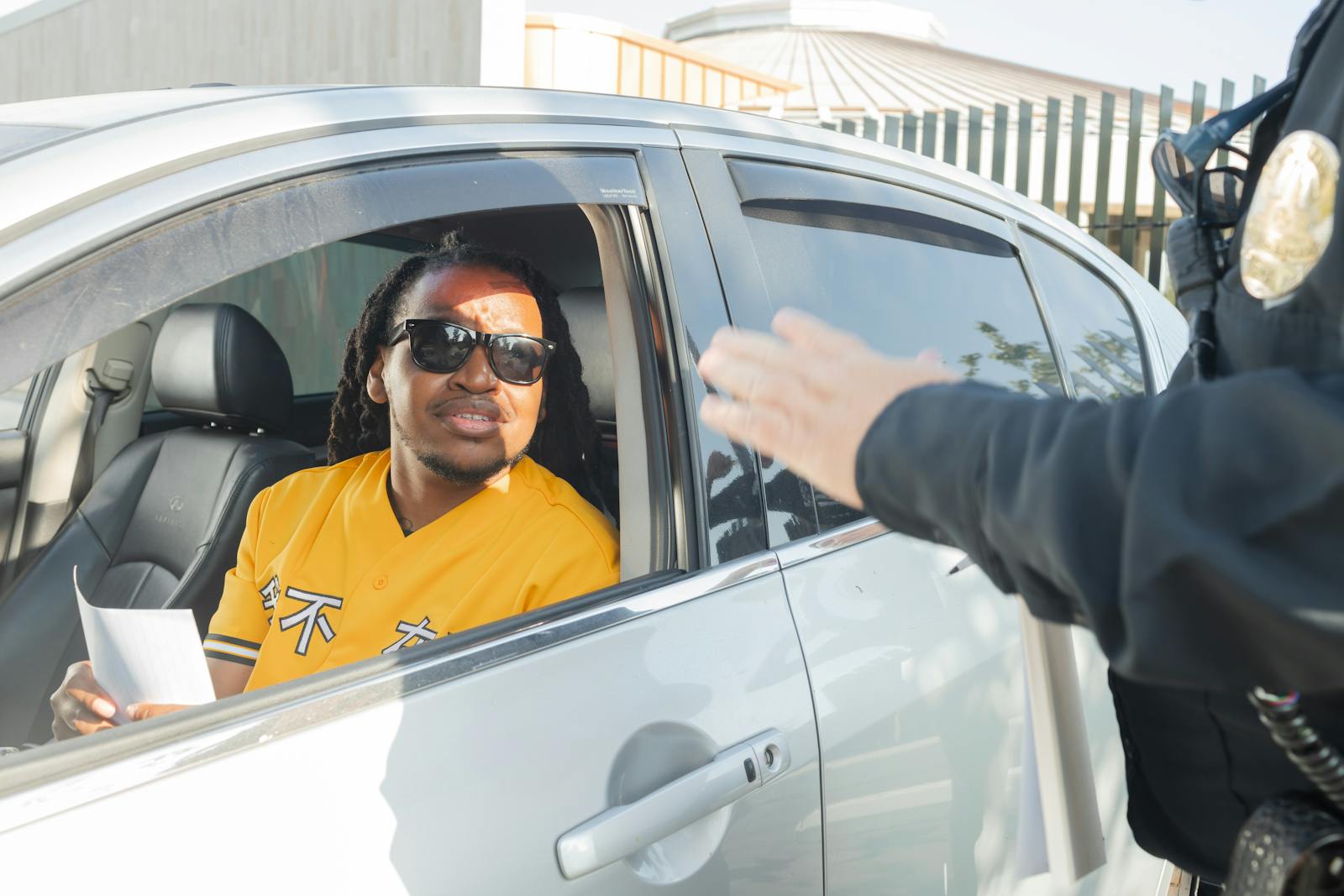
You don’t have to roll your window all the way down. Just enough to talk clearly and hand over your documents is usually enough.
Officers may ask you to open your window fully if visibility is blocked, like with dark tint. This is mainly for their safety.
Refusing to lower your window enough to communicate can raise suspicion. But you aren’t required to open it wider than needed to follow these basic requests.
Showing your phone or its contents
Officers can ask to see your phone or its contents, but you don’t have to say yes. You’re not legally required to hand it over unless they have a search warrant.
Even if you’re arrested, they can take your phone but still need a warrant to search what’s inside.
If you don’t want to share, it’s okay to politely refuse and ask if they have a warrant. Remember, you’re in control of what they can access.
Letting them inside your home without a warrant
If police show up and ask to come inside, you don’t have to say yes. You’re protected by the Fourth Amendment, which guards against unreasonable searches.
Officers can only enter without a warrant in specific situations, like if they believe someone inside needs immediate help. Otherwise, you can politely refuse. Remember, letting them in voluntarily means you’re giving consent, so it’s your choice to make.
Answering questions beyond ID and basic info
You only have to provide your name, ID, and some basic details if asked. Anything more, like where you’re going or what you’re doing, you don’t have to answer.
If an officer pushes for more info, you can politely decline. Remember, you can always say you want to speak to a lawyer before answering anything else.
Anything you say beyond basic info can be used against you later, so it’s smart to keep your answers limited. Just stick to the basics unless you’re certain you want to share more.
Consenting to a car search
If an officer asks to search your car, you don’t have to say yes. Giving consent means you’re waiving your right against unreasonable searches.
You can simply say, “I do not consent to a search,” to protect yourself. Stay calm and polite—arguing won’t help.
Keep in mind, officers often ask for permission when they don’t have probable cause. Saying no doesn’t give them a reason to search without a warrant or valid cause.
Handing over your social media passwords
Officers might ask for your social media passwords, but you’re not required to give them up. Sharing this info could expose a lot more than you realize.
Keep in mind, without a warrant, they usually can’t force you to hand over login details. If you feel uncomfortable, you can politely decline.
It’s smart to know your rights and stay calm. If needed, ask for legal advice before sharing anything.
Taking a roadside sobriety test
When an officer asks you to take a roadside sobriety test, remember you’re not legally required to say yes. These tests usually include standing on one leg, walking a straight line, or following an object with your eyes.
Refusing the test won’t lead to immediate arrest, but it might influence the officer’s decision. Keep in mind, these tests are just tools to help officers decide if further chemical testing is needed. You have the right to decline without criminal penalties at this stage.
Answering questions about your destination
When an officer asks where you’re headed, you don’t have to answer. This question might seem harmless, but your response can give them a reason to dig deeper.
You have the right to stay silent or politely say you prefer not to answer. Remember, providing this info isn’t required, even during a traffic stop.
Keeping your answers short or declining to answer helps protect your privacy without escalating the situation.
Allowing a search of your bags or backpack
Officers can ask to search your bags or backpack, but you don’t have to say yes. You have the right to refuse unless they have a warrant or probable cause.
If they claim urgency, like a threat to safety, they might search without your permission. Otherwise, saying no keeps your Fourth Amendment rights intact. Remember, consent to search is your choice, so don’t feel pressured to agree just because they ask.
Showing receipts or proof of purchase without suspicion
You might be asked to show your receipt as you leave a store, but you’re generally not legally required to do so. Most of the time, it’s just a request, not a demand backed by law.
Stores can’t force you to show proof of purchase unless they have a valid reason, like probable cause for suspected shoplifting. Refusing to show a receipt usually won’t lead to legal trouble, but it might make store staff uncomfortable or result in you being asked to leave.
Keep in mind, rules can vary by state, so it’s good to know your local laws.
More from Wilder Media Group: