

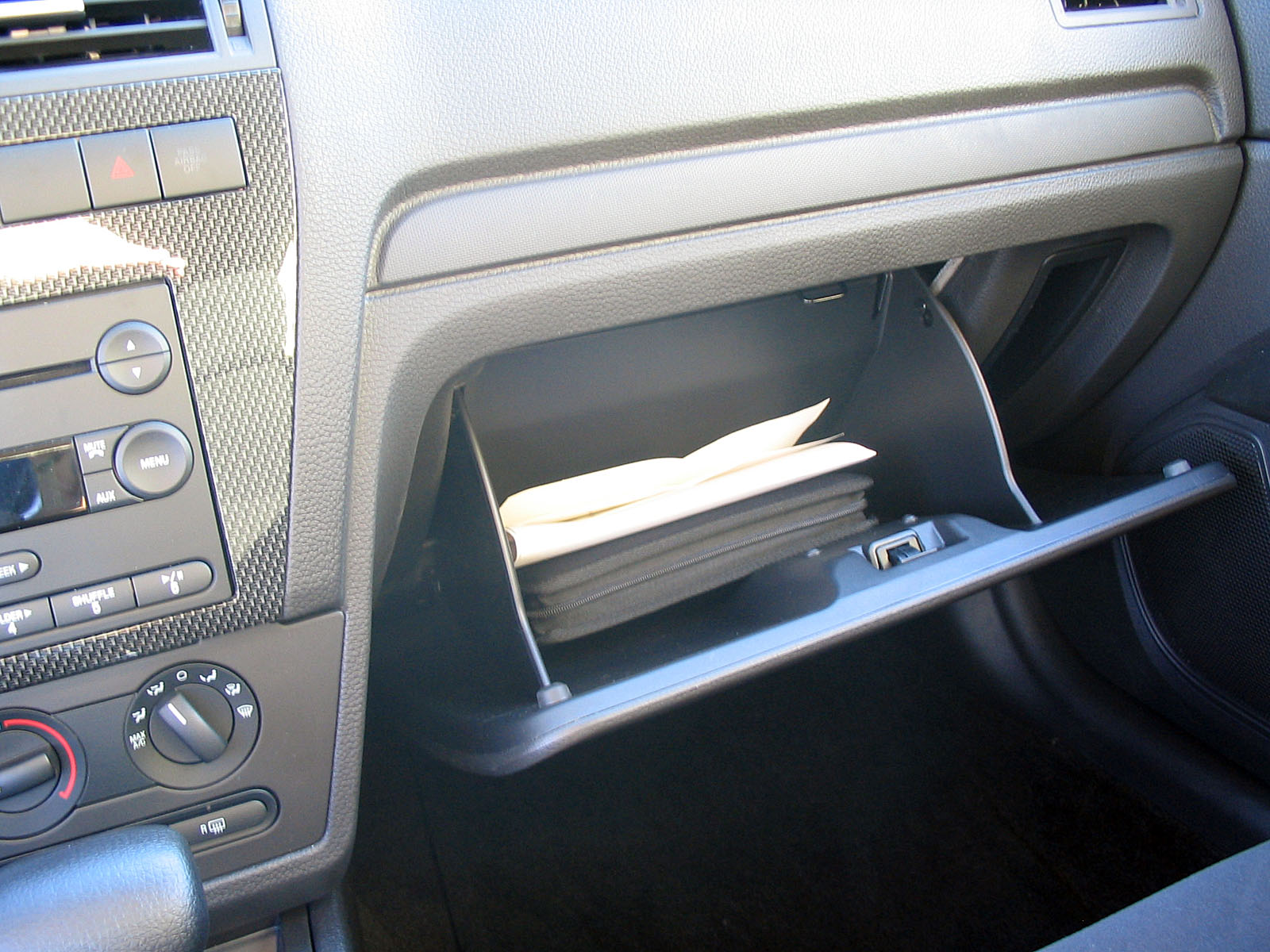
Your glove box may seem like a convenient storage space for essential items, but it can also become a danger zone if you store the wrong things. Knowing what to keep out of your glove box is crucial for safety and compliance, especially considering that car-related emergencies and accidents can happen unexpectedly. This article outlines ten items that should never be kept in your glove box to help drivers maintain safety and efficiency.
1. Important Documents
While it might be tempting to store your vehicle registration, insurance policy, and other critical documents in your glove box for easy access, doing so can lead to problems. If your car is stolen, having these documents in your glove box makes it easy for thieves to assume your identity and access your accounts. Instead, consider a secure location at home or a digital format stored on your phone.
2. Medications
Storing medications in your glove box can pose significant health risks. Many medications, including certain over-the-counter options, require specific temperature conditions to remain effective. For instance, medications like insulin can degrade if exposed to high temperatures, potentially leading to serious health risks during emergencies. Keep your medications in a climate-controlled environment instead.
3. Valuable Items
Jewelry, electronics, and cash are best kept out of your glove box. These valuable items can attract thieves if they break into your vehicle. In fact, a survey by the National Insurance Crime Bureau found that approximately 40% of vehicle thefts involve items left inside cars. Instead, opt for a hidden compartment or take your valuables with you when leaving the vehicle.
4. Firearms and Weapons
While some states permit firearms in vehicles, it’s critical to understand the laws surrounding gun storage. Keeping a firearm in your glove box can lead to legal issues, especially if you are pulled over or involved in an accident. Furthermore, the glove box is not a secure storage option, increasing the risk of accidental discharge. Always follow local regulations and consider a secure lockbox designed for firearms instead.
5. Hazardous Materials
Chemicals such as bleach, paint, or aerosol sprays should never be stored in your glove box. These items can become volatile when exposed to heat, potentially causing dangerous reactions. The temperature inside a car can soar well above 100 degrees Fahrenheit in summer months, increasing the risk of explosions or hazardous leaks. Dispose of these materials properly and keep them in a safe, designated location.
6. Food and Drinks
It may seem convenient to store snacks or beverages in your glove box, but this can lead to unpleasant surprises. Food items can spoil, attract pests, and create odors that linger in your vehicle. Additionally, spills from beverages can damage essential components of your car’s interior. Keep snacks and drinks in a cooler or insulated bag instead.
7. Child Safety Seats
While it’s important to have a child safety seat readily available, storing it in your glove box is not advisable. A child safety seat needs to be installed correctly to ensure the safety of your child during travel. Keeping it in the glove box can lead to improper installation when you need it. Always install the seat properly in the vehicle’s back seat and ensure it meets safety regulations.
8. Spare Keys
Many individuals hide spare keys in their glove boxes for convenience, but this practice can backfire. Thieves often know to check the glove box for spare keys, making it an easy target. Instead, consider giving a spare key to a trusted friend or family member, or use a secure key storage solution designed for automobiles.
9. Tools and Equipment
While having roadside assistance tools is essential for emergencies, keeping them in your glove box can hinder their accessibility. Items like tire inflators, jumper cables, and wrenches can take up valuable space and may not fit properly. Store these tools in the trunk of your vehicle, where they can be easily accessed without cluttering the glove box.
10. Expired Items
Keeping expired items in your glove box can lead to safety hazards. Expired insurance cards, outdated maps, or old emergency contact lists can complicate situations when you need them most. Regularly check your glove box for items that may have expired and replace them as needed to ensure you always have the correct information on hand.
Conclusion
Keeping your glove box organized and free from hazardous or unnecessary items is vital for ensuring safety and efficiency while driving. By avoiding these ten