

Modern dashboards are packed with warning icons, yet many drivers still misread what those lights are really saying. Misunderstanding them can lead you to panic when you do not need to, or worse, ignore a signal that demands urgent attention. Here is how mechanics say you should really interpret 11 of the most misunderstood dashboard lights so you can react calmly and protect your car.
1) The Check Engine Light Isn’t Always a Catastrophe
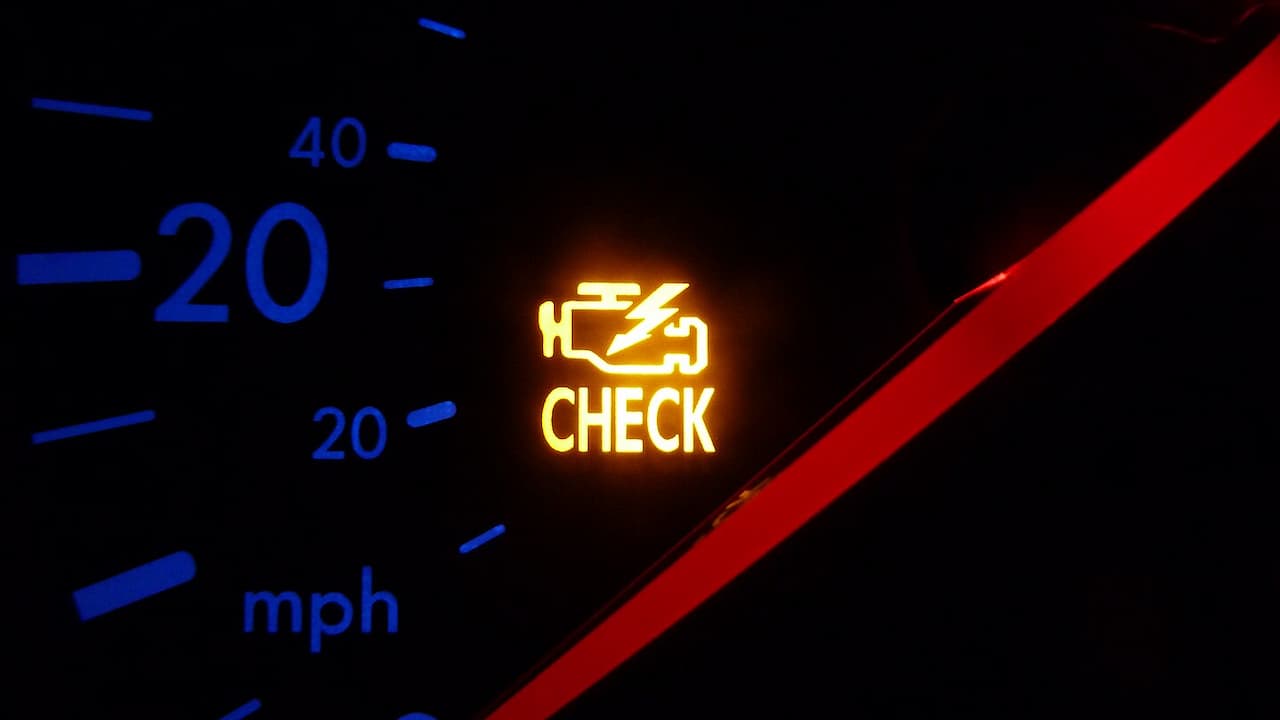
The Check Engine Light is one of the most misunderstood alerts, because you often cannot see or feel anything obviously wrong. Mechanics point out that a steady light usually points to a less urgent issue, such as a minor sensor fault, which matches guidance on how the engine control sensor system flags problems. In many cases, the car will still drive normally, even though the computer has stored a fault code.
Drivers also overlook how often a loose or damaged gas cap is to blame. When the cap is not sealing correctly, fuel vapors escape and the emissions system detects a leak, which can trigger the light, as explained in detail when you are told to check your gas cap when it is loose. One technician on a popular forum notes that, for Your typical commuter, this kind of code is “usually nothing dangerous or serious,” a point echoed in a widely shared Your check-engine discussion. The stakes are financial as much as mechanical, because ignoring the light for months can let a cheap fix snowball into a costly repair.
2) Oil Pressure Light Means More Than Low Oil
The Oil Pressure Warning Light is often mistaken for a simple “add a quart” reminder, but it actually signals low oil pressure inside the engine. According to technical guidance from the National Institute for Automotive Service Excellence, that pressure drop can come from a failing pump, clogged pickup, or internal wear, not just a low oil level. Because pressurized oil is what keeps metal parts from grinding together, a glowing oil can icon is treated as an immediate stop-driving alert.
Mechanics stress that if this light comes on while you are moving, you should pull over safely, shut the engine off, and only then check the dipstick. Topping off oil without diagnosing the pressure problem can give a false sense of security while damage continues. For owners of engines known to have oiling issues, such as some early-2000s Toyota 3.0-liter V6 models, misreading this light can mean the difference between a quick tow and a full engine replacement.
3) Battery Light Points to Charging Problems, Not Just a Dead Battery
The Battery Warning Light, shaped like a little battery icon, often gets blamed on a weak 12-volt battery, but it actually monitors the entire charging system. Reporting on electrical failures notes that this light frequently points to a failing alternator, a broken belt, or corroded connections that prevent the battery from being recharged while you drive. In other words, the battery may be fine, but it is not getting the power it needs.
Ignoring this light can leave you stranded once the remaining charge is used up by headlights, climate control, and engine electronics. On vehicles loaded with power-hungry features, such as a Ford F-150 with heated seats and a large infotainment screen, a dead alternator can drain a healthy battery in less than an hour of night driving. Mechanics recommend testing the alternator output and belt condition as soon as the light appears, rather than just swapping in a new battery.
4) ABS Light Doesn’t Mean Your Brakes Are Totally Shot
The ABS (Anti-lock Braking System) Light often scares drivers into thinking they have lost all braking, but it actually means the anti-lock function has shut itself off after detecting a fault. Safety guidance explains that the car will still brake, but may not have the usual power assist, which can create an unsafe situation for drivers who have difficulty braking, as detailed in advice on whether your vehicle is safe when the ABS light is on. The core hydraulic system still works, so the car can usually be driven cautiously to a shop.
Technicians add that the light can be triggered when the ABS control unit detects a fault that could affect braking performance, a point reinforced in a technical explainer that notes, “When the ABS light switches on, it means the Anti-lock Braking System has detected a fault” in its sensors or valves, as shown in a detailed When the ABS overview. The stakes are highest on wet or icy roads, where losing anti-lock and stability support can dramatically increase stopping distances and the risk of skids.
5) Overheating Light Often Ties to Thermostat Woes
The Temperature Gauge or Overheating Light is widely feared as a sign of a blown head gasket, but mechanics say that is not the most common cause. Reporting on overheating diagnostics notes that coolant issues often trace back to a faulty thermostat that is stuck closed, preventing coolant from circulating through the radiator. In many cases, replacing that relatively inexpensive part restores normal temperatures without major engine work.
Drivers are urged to watch for the gauge climbing into the red or a steam icon lighting up, then pull over and shut the engine off before serious damage occurs. Continuing to drive while overheating can warp cylinder heads and eventually lead to the very head gasket failure people worry about. For owners who tow with SUVs like the Chevrolet Tahoe or Ford Explorer, understanding that a thermostat or cooling fan fault is often the first suspect can save thousands in repair costs.
6) TPMS Light Can Be Seasonal, Not a Flat Tire
The Tire Pressure Monitoring System (TPMS) Light is designed to warn you when one or more tires drop below a safe pressure threshold, but that drop is not always caused by a puncture. Tire engineers explain that air contracts in colder weather, so a 10 to 20 degree temperature swing can lower pressure enough to trigger the warning, even if the tire itself is intact. That is why TPMS lights often appear on the first cold morning of autumn or winter.
Mechanics recommend checking pressures with a gauge and inflating to the door-jamb specification before assuming you have a nail or sidewall damage. Driving for long periods on underinflated tires increases heat buildup, which can lead to blowouts and uneven wear, especially on heavily loaded crossovers like the Honda CR-V or Toyota RAV4. Treat the TPMS light as a prompt to verify and adjust pressures, not an automatic sign that you need a new tire.
7) Brake Light Steady? It Might Not Be Urgent
The Brake Warning Light, usually a red exclamation mark or the word “BRAKE,” can mean several different things, which is why drivers often misinterpret it. Technical guides explain that a steady light commonly indicates the parking brake is engaged or that brake fluid level is low, as outlined in a detailed overview of what the brake system warning light can signal. In many cases, releasing the parking brake or topping off fluid after fixing a leak will turn the light off.
Other shops note that a steady light can also point to worn pads or a sensor issue in the ABS, while a flashing light or sudden change in pedal feel is more urgent. One service bulletin emphasizes that Drivers may notice a soft pedal, pulling, or grinding if there is a serious hydraulic problem. The stakes are obvious, because ignoring a persistent brake warning can lead to reduced stopping power or total brake failure, especially on steep grades or in stop-and-go city traffic.
8) Traction Control Light Shows Intervention, Not Breakdown
The Traction Control Light, sometimes labeled “TCS” or showing a car with squiggly lines, often flickers during hard acceleration or on slippery roads. That brief illumination usually means the system is actively intervening to prevent wheelspin or skids, cutting engine power or pulsing the brakes to keep the car pointed where you steer. In that moment, the light is confirming that the technology is working, not that something has broken.
Concern should rise only if the light stays on continuously after conditions return to normal, which can indicate a failed wheel-speed sensor or a deeper stability control fault. On vehicles that integrate traction and stability systems, such as the Subaru Outback or Volkswagen Golf, a persistent warning can also disable advanced safety aids. Mechanics advise scanning for codes and repairing sensor issues promptly, because losing these systems can make emergency maneuvers much harder to control.
9) Airbag Light Doesn’t Mean No Protection at All
The Airbag Warning Light, often labeled “SRS” for Supplemental Restraint System, signals a problem somewhere in the airbag network, not necessarily that every airbag is defective. Safety researchers explain that the system is designed to disable deployment if it detects a fault, which can be as simple as a faulty sensor in a seat, buckle, or impact detector. In many cases, the airbags themselves are structurally sound, but the computer cannot verify that they will deploy correctly.
Because the light means the system may not deploy in a crash, technicians treat it as a high-priority repair even if the car drives normally. Common triggers include worn clock springs in steering wheels on models like the Toyota Corolla or Jeep Wrangler, or loose connectors under seats that move frequently. Leaving the SRS light on effectively means you are relying only on seat belts and crumple zones, giving up a key layer of protection in a serious collision.
10) Fuel Warning Isn’t for Empty Tanks
The Fuel Level Warning Light, usually a yellow gas-pump icon, is widely assumed to mean you are about to run out of gas immediately. Mechanics and ownership surveys clarify that most vehicles trigger this light when roughly one eighth of a tank remains, not when the tank is dry. That buffer is intentional, giving you a reserve to find a station rather than forcing an instant roadside stop.
Even so, experts caution against routinely driving until the light comes on, because running on fumes can overheat in-tank fuel pumps that rely on gasoline for cooling. Sedans like the Honda Accord and compact SUVs like the Hyundai Tucson use electric pumps that can fail prematurely if they are frequently starved of fuel. Treat the warning as a reminder to refuel soon, not an invitation to see how far you can push the remaining range.
11) Transmission Temp Light Flairs Up with Heavy Loads
The Transmission Temperature Light, often a gear icon with a thermometer, alerts you when transmission fluid is running hotter than intended. Specialists in drivetrain repair note that overheating fluid is frequently caused by towing heavy loads, climbing long grades, or driving in stop-and-go traffic with a trailer, rather than an immediate internal failure. In many trucks and SUVs, the light is calibrated to come on early enough to let you protect the transmission before damage occurs.
When this light appears, mechanics recommend slowing down, shifting to a lower gear if appropriate, or pulling over to let the transmission cool. Continuing to tow a large camper with a midsize SUV like a Toyota Highlander or Kia Sorento while the light is on can oxidize the fluid and damage clutches, leading to expensive rebuilds. Installing auxiliary coolers and respecting tow ratings are common preventive steps for drivers who regularly see this warning while hauling.