

Traffic stops rarely feel routine when you are the one seeing flashing lights in the mirror. Many of those encounters start with something visible on your car that Officers treat as “probable cause” to pull you over and look closer. Understanding which conditions invite scrutiny helps you fix small issues before they escalate into searches, citations, or even criminal investigations.
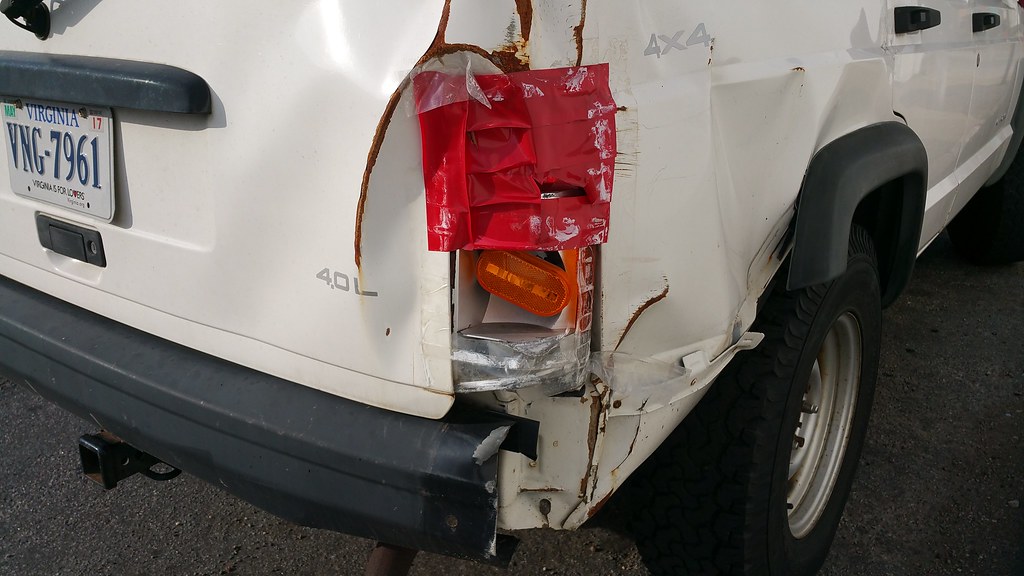
1) Broken Taillights
Broken taillights are one of the clearest examples of a vehicle defect that gives police probable cause to stop you. Guidance on Florida traffic stop procedures notes that a broken taillight is a textbook reason for Officers to initiate a stop and then assess the driver, passengers, and interior. Once the car is lawfully pulled over, anything else in plain view, from contraband to signs of impairment, can quickly expand the encounter beyond a simple equipment warning.
For you, the stakes are larger than a fix-it ticket. A single burned-out bulb can open the door to questioning, field sobriety tests, or a request to search the vehicle. If you decline consent, the initial taillight violation still anchors the legality of the stop. Regularly checking your lights, including brake and reverse lamps, is one of the easiest ways to avoid giving Officers that initial foothold.
2) Illegally Tinted Windows
Illegally tinted windows are another common trigger for probable cause, because they directly affect visibility and officer safety. Drivers often treat tint limits as flexible, but one owner on a popular forum admitted that Every car they tinted beyond the legal threshold “has been flagged and tagged,” underscoring how aggressively some departments enforce these rules. When an officer cannot clearly see into the cabin, they are more likely to initiate a stop to verify compliance and assess who and what is inside.
Once you are pulled over for tint, the interaction can quickly broaden. Officers may ask about recent modifications, request that you roll down windows, or look for other violations such as missing mirrors or windshield cracks. Because tint laws vary by state and even by vehicle type, checking your exact legal limits before darkening your glass is crucial. Staying within those limits reduces both your citation risk and the chance of a stop that spirals into a search.
3) Expired Registration Tags
Expired registration tags are a classic paperwork issue that still count as probable cause for a stop. A policy document on Traffic Stops lists “Expired Tags” and “Covered Tags” alongside “No Lights Running” as specific vehicle defects that justify pulling a car over. When an officer sees outdated or missing stickers, they are authorized to stop you to confirm registration status, ownership, and whether the vehicle might be stolen or improperly transferred.
The consequences can be far more serious than a minor fine. A preliminary report titled Stop the Stops notes that Daunte Wright, 20, was killed after being pulled over for an expired registration tag, illustrating how quickly a seemingly low-level stop can escalate. For drivers, keeping tags current and unobstructed is not just about compliance, it is about reducing the chances of a high-stress encounter that can turn volatile.
4) Loud or Modified Exhaust System
A loud or modified exhaust system can also give Officers a lawful reason to pull you over. Municipal codes that adopt model traffic rules often specify that “no person shall modify the exhaust system of a motor vehicle” in ways that exceed noise or emissions standards, and they authorize enforcement once an officer determines there is probable cause to believe a violation occurred. In one such code, the adoption of a Model Traffic Code explicitly ties exhaust modifications to stop authority.
For enthusiasts driving cars like a Subaru WRX or a tuned Ford Mustang, that means a straight-pipe or “muffler delete” is not just a style choice, it is a rolling invitation for police attention. Once stopped, you may face equipment citations, orders to restore the factory system, or inspections for other modifications such as illegal ride height or lighting. Keeping exhaust changes within documented legal limits helps you enjoy performance upgrades without constantly risking traffic stops.
5) Hanging Objects from Rearview Mirror
Hanging objects from your rearview mirror, from air fresheners to handicap placards, can also be treated as probable cause if they obstruct your view. One municipal traffic regulation specifies that a placard “shall be displayed by hanging it from the interior rearview mirror” only when the vehicle is parked, and notes that a passenger vehicle can be detained for probable cause of violating that rule. The same ordinance, available in a traffic regulations chapter, reflects how seriously some jurisdictions treat windshield obstructions.
For drivers, the risk is that a small decoration becomes the legal hook for a stop that leads to questions about your license, insurance, or sobriety. Officers may argue that any dangling item blocks part of your forward field of vision, especially at intersections or when checking mirrors. Keeping the area around your windshield and mirror clear while driving, and only displaying required placards when parked, reduces both safety hazards and the chance of a stop rooted in a technical obstruction rule.
6) Visible Open Container of Alcohol
A visible open container of alcohol inside a vehicle is one of the most direct pathways to probable cause for a deeper investigation. Open container laws generally prohibit drivers and passengers from possessing unsealed bottles, cans, or cups of alcohol in the passenger area, and Officers who see one through the window can immediately suspect a violation. Once that container is in plain view, they have a legal basis to stop the car, question occupants, and potentially conduct sobriety tests.
The stakes here extend beyond a simple citation. An open container can lead to DUI investigations, searches for additional alcohol or drugs, and even child endangerment charges if minors are present. Because the container itself is the trigger, it does not matter whether you personally have been drinking, the mere presence of an unsealed bottle in reach can justify the stop. Keeping any alcohol sealed and stored in the trunk or cargo area is the safest approach.
7) Non-Functional Turn Signals
Non-functional turn signals, or failing to use them, are another clear-cut basis for a traffic stop. A legal guide on challenging stops in New Jersey lists “No signal when making a turn or changing lanes” alongside “Speeding,” “No headlights turned on after dusk,” and “Erratic” driving under the heading Was There Probable Cause To Initiate The Traffic Stop. That framing reflects how courts routinely accept signal violations as sufficient justification for pulling a driver over.
For you, a broken blinker is more than an inconvenience, it is a safety risk and a legal vulnerability. Officers can argue that failing to signal endangers surrounding traffic, then use the lawful stop to check your license status, run warrants, or look for signs of impairment. Testing your signals regularly, especially after minor collisions or bulb changes, helps you avoid both crashes and the kind of stop that can quickly expand into a broader investigation.
8) Driving Without Headlights at Night
Driving without headlights at night is treated as a serious safety violation and a straightforward ground for probable cause. The same New Jersey guidance that highlights turn-signal issues also lists “No headlights turned on after dusk” as a specific example of conduct that justifies a stop. In a separate operational manual, “No Lights Running” appears alongside “Expired Tags” as a defect that authorizes Officers to intervene, as detailed in the Traffic Stops policy.
From a safety perspective, the rationale is obvious, other drivers cannot see you clearly, and you may not see pedestrians, cyclists, or obstacles. For law enforcement, a car moving in the dark without lights can also raise suspicion of impaired driving or stolen-vehicle activity. Ensuring your automatic headlight setting works correctly and manually switching lights on in low-visibility conditions reduces both crash risk and the likelihood of being stopped for this easily avoidable violation.
9) Faded or Missing License Plate
A faded, obscured, or missing license plate is another condition that almost guarantees a stop. Traffic policies that mention “Covered Tags” treat any obstruction of the plate, from tinted covers to mud or missing screws, as a problem because it prevents quick identification. When Officers cannot clearly read your plate, they lose a key tool for checking registration, insurance status, and whether the vehicle is flagged in any database, so they are authorized to pull you over to investigate.
For drivers, the implications go beyond aesthetics. A cracked plastic cover, a novelty frame that hides state names, or a plate so sun-bleached that characters are hard to read can all be cited as violations. Once stopped, you may face questions about ownership, recent travel, or why the plate is in poor condition. Replacing damaged plates promptly and avoiding decorative frames that obscure any printed information helps you stay visible to both automated readers and human officers without inviting unnecessary stops.
10) Unsecured or Bulging Cargo
Unsecured or bulging cargo that looks ready to spill into the roadway is another condition that gives police probable cause to intervene. Traffic codes generally require loads to be properly secured and not to extend dangerously beyond the vehicle’s body, because falling debris can cause serious crashes. When Officers see a pickup bed stacked above the cab line, a trailer with loose straps, or a trunk that will not close over luggage, they can stop the vehicle to prevent a potential hazard.
The stakes are particularly high for drivers of work trucks, moving vans, and SUVs loaded for road trips. A single ladder, mattress, or box tumbling into traffic can trigger multi-car collisions and significant liability. During a stop, officers may order you to re-secure the load, issue citations, or even bar you from continuing until the cargo is safe. Planning ahead with proper tie-downs, cargo nets, and weight distribution keeps you compliant and protects everyone sharing the road.
11) Dead Body Inside the Vehicle
A dead body inside a vehicle is an extreme but very real basis for probable cause, transforming a traffic stop into a full-scale criminal investigation. When law enforcement in Arizona responded to a situation on US 60 near Gold Canyon and Apache Junction, they ultimately identified a man found dead in a car, prompting an extended closure and intensive scene processing. The presence of a body in a vehicle immediately signals potential homicide, overdose, or other suspicious circumstances that justify searching the car and detaining involved individuals.
For investigators, the vehicle becomes both a potential crime scene and a key piece of evidence. Officers will typically secure the area, obtain search warrants if needed, and document everything from seat positions to visible injuries. While most drivers will never encounter such a scenario, the case illustrates how quickly a vehicle can shift from ordinary transportation to the center of a major investigation when clear signs of death or serious harm are present.
12) Signs of Injury or Restraint to Occupants
Visible signs of injury or restraint on occupants inside a car also create powerful probable cause for detention and a detailed search. In Beaumont, Texas, a probable cause affidavit described a kidnapping victim who was “beaten, bound, and left severely injured,” with the document outlining how the victim had been restrained and assaulted. Reporting on that affidavit shows how severe injuries and bindings can anchor charges related to abduction and aggravated assault.
When Officers see blood, bruises, duct tape, zip ties, or occupants who appear bound or unconscious inside a moving vehicle, they are not dealing with a routine traffic matter. Those observations justify immediate intervention, removal of victims, and detention of suspects while investigators piece together what happened. For bystanders and other drivers, promptly reporting such alarming signs can be critical, because the law treats obvious trauma or restraint as a red flag that demands swift, decisive action.
More from Wilder Media Group: