

Some cars look like a bargain on the lot but quietly drain your wallet once the warranty ends. Mechanics see the repair bills that pile up over time, and their verdict is blunt: certain models simply cost too much to maintain. Below are 12 cars that technicians single out for steep parts prices, complex labor, or chronic issues that turn routine ownership into an expensive habit.
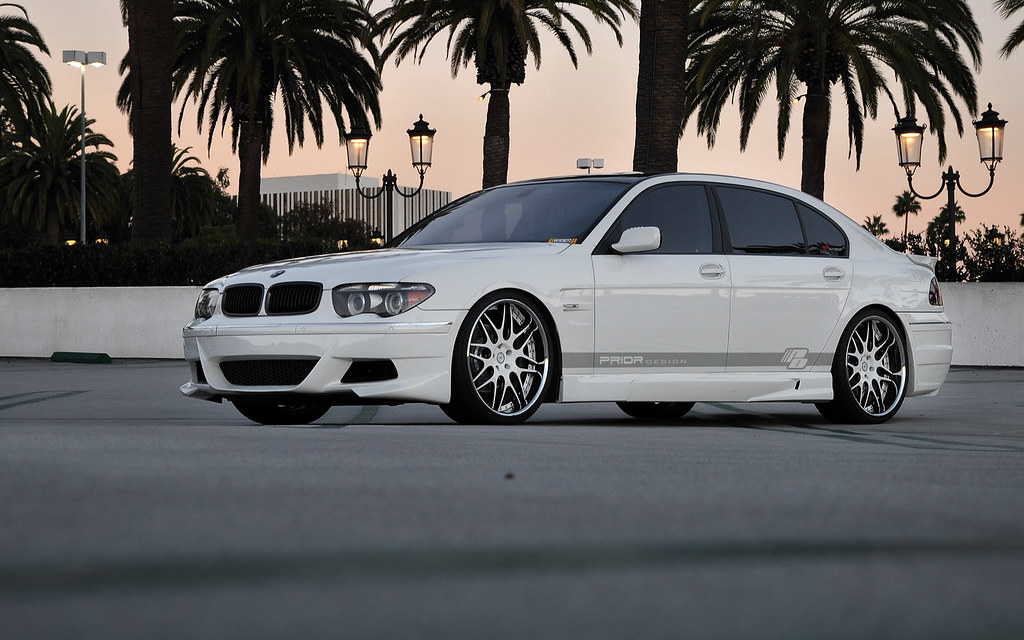
1) BMW 7 Series, where luxury electronics drive repair bills
The BMW 7 Series often tops mechanics’ lists of costly cars because its air suspension, active steering, and intricate infotainment systems fail more often as the car ages. Technicians point to repeated issues with air suspension components and turbocharged engines that require meticulous maintenance to avoid carbon buildup. When these systems go wrong, you are paying for both premium parts and many hours of specialized labor, which quickly inflates the final invoice.
For owners, the stakes are clear: a used 750i that seems affordable can generate four-figure repair visits once it is out of warranty. Independent shops warn that even routine services, such as brakes or cooling-system work, cost more because of the car’s size and complexity. If you are not budgeting a generous annual maintenance fund, a 7 Series can turn from flagship sedan into a financial liability surprisingly fast.
2) Mercedes-Benz S-Class, complex tech that ages expensively
The Mercedes-Benz S-Class is packed with advanced driver aids, adaptive suspension, and multi-contour seats, and mechanics say that same technology makes it one of the most expensive sedans to maintain. AirMatic suspension struts, hydraulic trunk and door closers, and intricate climate-control systems are frequent offenders once the car passes 100,000 miles. Each failure involves proprietary parts and diagnostic time that a typical mainstream car simply does not require.
From a cost perspective, owners face a double hit: depreciation that tempts buyers into older S-Class models, and then repair costs that can exceed the car’s market value. Independent mechanics caution that a single suspension overhaul or transmission repair can wipe out years of fuel savings. If you want S-Class comfort without S-Class maintenance, they often steer you toward simpler models that skip the most failure-prone options.
3) Audi A8, all-wheel drive and electronics push costs higher
The Audi A8 combines aluminum construction with standard Quattro all-wheel drive, and technicians say that mix leads to above-average maintenance costs. The drivetrain uses multiple differentials and complex axles that are more expensive to service than a conventional front-wheel-drive sedan. In addition, the car’s adaptive air suspension and MMI electronics suite are known trouble spots as the vehicle ages, often requiring specialized diagnostic tools.
For you as an owner, that means even relatively minor issues can become major line items. A leaking air spring or failed control module is not just a quick fix, it is a parts-intensive job that may involve recalibration and coding. Mechanics note that while the A8 delivers quiet, confident performance, it is best treated as a car that always needs a contingency fund, not as a low-cost luxury shortcut.
4) Range Rover, air suspension and drivetrain repairs add up
Range Rover models routinely appear in shop anecdotes about high repair bills, largely because of their air suspension, complex four-wheel-drive hardware, and electronics. Independent technicians highlight recurring suspension failures, transfer case issues, and oil leaks that demand extensive labor to access and fix. When these SUVs are used off-road or for towing, wear accelerates, compounding the maintenance burden.
Owners who buy older Range Rovers for their prestige often underestimate the cost of keeping them roadworthy. A full set of air struts, a timing-chain service, or a transmission rebuild can each run into the thousands, and it is not unusual for multiple systems to need attention in the same year. Mechanics frequently advise that if you cannot afford a new or certified pre-owned Range Rover with warranty coverage, you should be prepared for luxury-level repair spending.
5) Porsche Cayenne, performance SUV with sports-car service costs
The Porsche Cayenne delivers sports-car performance in an SUV body, and mechanics say its maintenance profile matches that performance pedigree. Reports of coolant pipe failures, transfer case problems, and high brake and tire wear are common, especially on V8 and Turbo models. Because the Cayenne shares engineering with Porsche sports cars, many components are engineered for high performance rather than low cost.
In practical terms, that means you pay premium prices for everything from oil changes to brake jobs, and specialized fluids and parts limit your ability to shop around. Technicians note that skipping scheduled services is not an option, since deferred maintenance can quickly lead to engine or transmission damage. For drivers who want Porsche handling without Porsche upkeep, they often recommend considering simpler, naturally aspirated trims and budgeting carefully for consumables.
6) Maserati Quattroporte, exotic parts and limited service networks
The Maserati Quattroporte is a favorite example among mechanics of a sedan that looks attainable used but is costly to keep running. Its Ferrari-related engines, intricate ZF transmissions, and bespoke interior components mean replacement parts are expensive and sometimes slow to source. Routine items like brakes and suspension pieces are priced at exotic-car levels, not mainstream luxury-sedan rates.
Another factor is the limited number of shops with the tools and experience to work on these cars, which reduces competition and keeps labor rates high. Owners who live far from a dealer or specialist may face long waits and towing costs on top of the repair itself. Technicians often warn that while a used Quattroporte can be tempting, you should treat it like a true exotic and plan for ownership costs that reflect that reality.
7) Jaguar XJ, aging luxury with chronic electrical issues
The Jaguar XJ, particularly older generations, is frequently cited by mechanics for its combination of electrical gremlins and suspension wear. Technicians point to recurring electrical faults affecting window regulators, infotainment, and sensor networks, which can be time-consuming to diagnose. Air suspension components and bushings also tend to wear out earlier than owners expect, especially on heavier long-wheelbase models.
For drivers, the implication is that even if the engine and transmission remain solid, the cost of chasing intermittent electrical issues can rival major mechanical repairs. Each visit may involve hours of diagnostic labor before a relatively small part is replaced. Independent shops say that buyers who love the XJ’s style and comfort should prioritize the best-documented examples and set aside a healthy reserve for the inevitable electrical and suspension work.
8) Cadillac Escalade, heavy SUV with pricey drivetrain and electronics
The Cadillac Escalade is built on a truck platform, and mechanics say its size and weight contribute to higher maintenance costs. Common shop complaints include transmission issues, magnetic ride control failures, and premature wear on brakes and tires due to the SUV’s mass. When the adaptive suspension or four-wheel-drive system needs attention, parts and labor quickly exceed what you would pay on a smaller crossover.
Owners who use the Escalade for towing or frequent city driving often accelerate this wear, leading to more frequent fluid services and component replacements. Technicians also note that the luxury-focused interior electronics, from power steps to complex infotainment, add another layer of potential expense. If you want full-size SUV capability without full-size repair bills, they often suggest considering simpler trims or related models without the most complex suspension hardware.
9) BMW X5, sophisticated SUV with high long-term upkeep
The BMW X5 blends performance and utility, but mechanics consistently flag it as a high-maintenance SUV once the odometer climbs. Reports of engine oil leaks, cooling-system failures, and air suspension problems are common, particularly on turbocharged and diesel variants. Each of these systems is tightly packaged, which increases labor time for even routine gasket or hose replacements.
From an ownership standpoint, that means you are paying not only for premium parts but also for the complexity of the layout. Independent technicians say that skipping proactive maintenance on an X5 is risky, since small leaks or warning lights can quickly escalate into major repairs. Buyers drawn to its driving dynamics are urged to factor in a robust maintenance budget and to prioritize vehicles with detailed service histories.
10) Volvo XC90, advanced safety and powertrains with repair trade-offs
The Volvo XC90 is praised for safety, yet mechanics note that its advanced systems and compact turbocharged engines can raise long-term costs. Technicians cite issues with electronic modules, air suspension on higher trims, and wear on complex all-wheel-drive components. Because many XC90s use small displacement engines with turbocharging or supercharging, they are sensitive to oil quality and timely servicing.
For families, the trade-off is between cutting-edge safety features and the expense of maintaining them as the vehicle ages. Radar sensors, cameras, and control units that support driver-assistance systems are not cheap to replace or recalibrate after a fault or minor collision. Mechanics often advise XC90 owners to adhere strictly to service intervals and to budget for occasional high-ticket repairs that come with owning a tech-heavy SUV.
11) Tesla Model S, out-of-warranty repairs and bodywork costs
The Tesla Model S eliminates oil changes and many traditional engine services, but mechanics and body shops highlight other costly realities. Independent data on out-of-warranty repairs shows that items like door handles, air suspension, and large touchscreen units can be expensive to replace. In addition, aluminum body panels and proprietary parts make collision repairs particularly pricey, especially at certified facilities.
For owners, the main risk is assuming that low routine maintenance equals low total cost of ownership. While brake wear can be modest thanks to regenerative braking, a single failure in a high-voltage component or control module can rival years of savings. Technicians who work on EVs stress the importance of warranty coverage and recommend that buyers factor in potential repair costs just as carefully as they calculate fuel savings.
12) Mini Cooper S, fun-to-drive hatch with frequent small repairs
The Mini Cooper S is beloved for its handling, yet mechanics often describe it as a “nickel-and-dime” car that adds up over time. Common shop visits involve timing chain tensioner issues, carbon buildup on direct-injection engines, and failures in cooling-system components. Each repair may not match the cost of a luxury sedan fix, but the frequency of visits and the need for specialized labor push annual maintenance higher than many compact rivals.
For drivers, the implication is that the purchase price and fuel economy do not tell the whole story. Repeated check-engine lights, oil leaks, and suspension wear can erode the value of owning a small, sporty hatchback. Independent mechanics often advise enthusiasts to seek out later model years with updated components and to budget realistically for the steady stream of minor but cumulative repairs that characterize long-term Mini ownership.
More from Wilder Media Group: