


You hear about blown head gaskets constantly in repair shops because a few specific engines fail the same way again and again. Knowing which cars mechanics see weekly for this problem helps you shop smarter, budget for repairs, and spot early warning signs before you overheat an engine beyond saving. Here are 12 models that have built a reputation for head gasket trouble, along with what typically goes wrong and how you can respond.
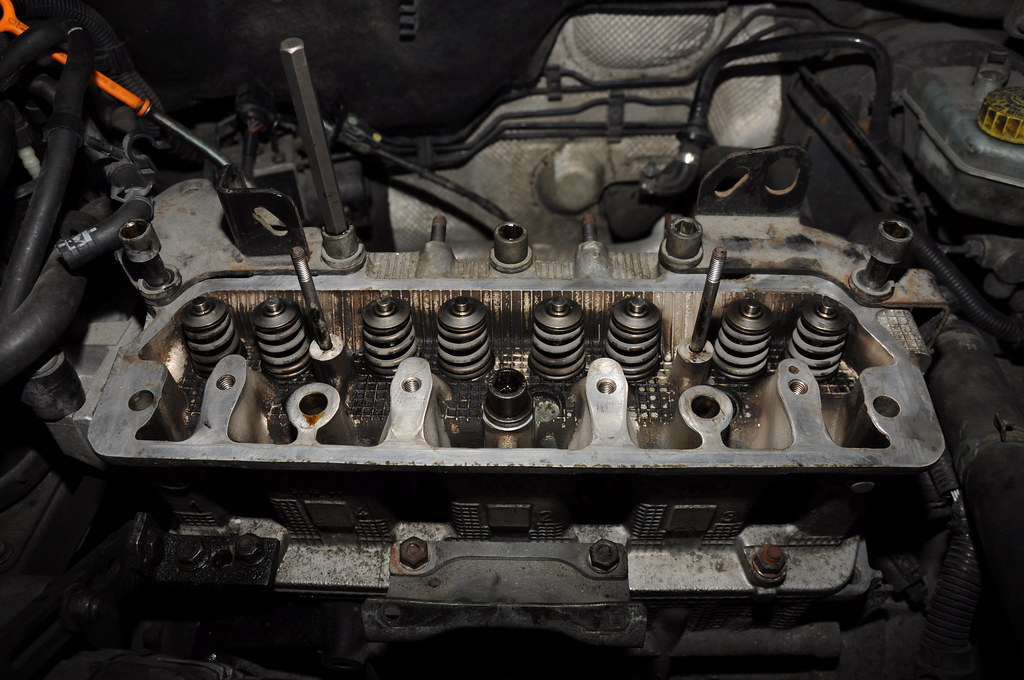
1) Subaru Outback 2.5L, external coolant and oil leaks
The Subaru Outback with the 2.5‑liter flat‑four is one of the most frequently cited examples of recurring head gasket issues, especially in late‑1990s and 2000s models. Mechanics often point to the naturally aspirated EJ25 engine, where the head gaskets can seep coolant and oil externally along the lower edges of the block. You usually notice a sweet smell, low coolant in the overflow bottle, or damp, rusty staining on the case seam long before the engine misfires or overheats.
Because these leaks often start small, you might keep driving for months while topping off fluids, which raises the risk of a sudden overheat that can warp the aluminum heads. Many independent shops treat a full gasket job on these engines as routine maintenance once mileage passes a certain point, bundling in timing belt, water pump, and thermostat service. If you are shopping used, a documented gasket replacement with updated parts is a major plus.
2) Subaru Forester 2.5L, internal combustion leaks
The Subaru Forester using the same 2.5‑liter boxer architecture shows a different pattern, with some engines developing internal head gasket leaks that let combustion gases push into the cooling system. Instead of obvious drips, you may see bubbling in the radiator or overflow tank, unexplained overheating on long grades, or a heater that goes cold as air pockets form. A chemical block test that detects exhaust gases in the coolant is a common diagnostic step when a Forester repeatedly runs hot without visible leaks.
Because internal leaks can erode the fire ring around the cylinder, continuing to drive risks pitting the head surface and damaging the cylinder walls. That is why many technicians recommend addressing early symptoms quickly rather than waiting for a catastrophic overheat. When repaired correctly with resurfaced heads, quality gaskets, and fresh cooling components, these engines can still deliver long service, but you should budget for the possibility if you own or are considering an older Forester.
3) Toyota Prius (second and third generation), misfires from coolant intrusion
The second‑ and third‑generation Toyota Prius have built a reputation for head gasket problems as mileage climbs, particularly on high‑use commuter and rideshare cars. On some 1.8‑liter engines, coolant can seep into one or more cylinders, leading to rough cold starts, misfire codes, and a telltale puff of white exhaust that clears as the engine warms. Owners often first notice a slight shake on startup that gradually worsens over weeks or months.
Because the Prius engine cycles on and off frequently, small gasket failures can go unnoticed until the leak grows, at which point the cylinder walls and piston rings may already be affected. Technicians who see these cars regularly often pair a head gasket job with inspection of the EGR system and intake deposits, since heat and carbon buildup are recurring themes. If you rely on a Prius for high‑mileage driving, watching for early misfire symptoms and unexplained coolant loss is critical to avoiding a more expensive engine replacement.
4) Mini Cooper S (R56), turbo heat and gasket stress
The Mini Cooper S from the R56 generation uses a turbocharged four‑cylinder that runs hot, and that thermal load can contribute to head gasket failures as the miles add up. Mechanics frequently encounter cars with overheating complaints, coolant loss, and oil contamination that trace back to a compromised gasket between the aluminum head and block. In some cases, owners report repeated low‑coolant warnings long before the temperature gauge spikes.
Turbo heat, tight packaging, and extended oil change intervals all raise the stress on sealing surfaces in this engine family. When the gasket fails, the repair often includes checking for warped heads, replacing plastic cooling components, and verifying that the turbo and cooling fans are functioning correctly. If you drive an R56 Cooper S hard or in hot climates, staying ahead of cooling system maintenance and using the correct oil specification can reduce the odds that you join the long list of drivers facing a major gasket job.
5) BMW 3 Series (E46 325i/330i), overheating from cooling system failures
The BMW E46 3 Series, especially the 325i and 330i with the M54 inline‑six, is notorious in workshops for cooling system failures that eventually take out the head gasket. Plastic expansion tanks, brittle radiator necks, and aging water pumps can cause sudden coolant loss, and if the engine overheats even once, the aluminum head is vulnerable. Many mechanics can recount E46 cars that arrived after a brief red‑zone incident only to test positive for combustion gases in the coolant.
Because the underlying problem often starts with a cracked plastic component, proactive replacement of the entire cooling system at set mileage intervals is a common recommendation among specialists. Once the gasket fails, repairs can escalate to head machining or even replacement if cracks develop between valves. If you own an E46, treating the cooling system as a wear item rather than waiting for visible leaks is one of the most effective ways to avoid a costly head gasket failure.
6) BMW 5 Series (E39 528i/530i), extended overheating damage
The BMW E39 5 Series shares much of its engine architecture with the E46, and the same weak points in the cooling system often lead to head gasket trouble. On 528i and 530i models, a failed thermostat, expansion tank, or radiator can cause a rapid temperature spike that drivers sometimes miss until it is too late. Once the gauge climbs, even a short period of overheating can warp the head and compromise the gasket seal.
Shops that specialize in these cars frequently see a pattern where owners replace one failed cooling part at a time, only to suffer repeated overheating episodes that cumulatively damage the engine. A more comprehensive approach, refreshing hoses, radiator, expansion tank, water pump, and thermostat together, significantly lowers the risk of a blown gasket. For a car that enthusiasts often keep for the long term, budgeting for this preventive work is far cheaper than rebuilding or replacing an overheated inline‑six.
7) Ford Focus 2.0L and 2.3L, overheating from coolant loss
The Ford Focus with 2.0‑liter and 2.3‑liter four‑cylinder engines appears regularly on shop lists for head gasket failures tied to overheating. Common complaints include unexplained coolant loss, temperature spikes in traffic, and white exhaust smoke once the gasket has fully let go. In some cases, a small external leak from a hose or radiator seam goes unaddressed, allowing the engine to run low on coolant until a highway pull or hot day pushes it over the edge.
Once the gasket fails, you may see cross‑contamination where oil turns milky or coolant takes on a dark, oily sheen. Technicians often stress that catching and fixing minor cooling issues early is the best defense, since the base engines themselves are generally robust when kept within normal temperature ranges. If you drive a Focus with higher mileage, regular cooling system inspections and prompt attention to any overheating light can prevent a routine leak from becoming a full head gasket job.
8) Ford Escape 1.6L EcoBoost, severe overheating risk
The Ford Escape equipped with the 1.6‑liter EcoBoost engine has been associated with serious overheating incidents that can culminate in head gasket failure. Reports describe coolant leaks from engine components that, if not addressed quickly, allow the small turbocharged engine to overheat. Once temperatures climb, the gasket can fail, leading to white smoke, rough running, and in extreme cases engine fires or total engine loss.
Because the 1.6‑liter EcoBoost operates under high thermal and pressure loads, any loss of coolant is more critical than on a larger, naturally aspirated engine. Owners are often advised to watch the temperature gauge closely, respond immediately to warning lights, and ensure that recall or service campaign work related to cooling components has been completed. For a compact SUV that many families rely on daily, staying ahead of these issues is essential to avoid both safety risks and the cost of a full engine replacement.
9) Chevrolet Cruze 1.4L turbo, small leaks that snowball
The Chevrolet Cruze with the 1.4‑liter turbocharged engine is another compact car that mechanics frequently associate with head gasket problems. Coolant leaks from plastic housings, water pumps, or the thermostat assembly can slowly drain the system, and drivers may not notice until the engine overheats. Once that happens, the thin aluminum head and gasket are at risk, and repeated overheating cycles dramatically increase the chance of failure.
Technicians often see Cruzes arrive with a combination of low coolant, overheating complaints, and misfire or rough‑running symptoms that point to a compromised gasket. Because the engine bay is tightly packaged, some leaks are hard to spot without a pressure test, which means regular inspections are especially valuable. If you own a Cruze, treating any coolant smell, visible drip, or temperature fluctuation as a priority repair can keep a relatively inexpensive leak from turning into a major engine teardown.
10) Chevrolet Equinox 2.4L, oil consumption and overheating
The Chevrolet Equinox with the 2.4‑liter four‑cylinder has a track record of engine issues that can culminate in head gasket failure, particularly when high oil consumption is ignored. As these engines burn oil, owners sometimes run them low, which increases operating temperatures and stresses the gasket. Combined with potential cooling system problems, the result can be overheating, loss of compression, and coolant contamination.
Shops that see these SUVs regularly often recommend close monitoring of oil levels and prompt attention to any overheating or low‑coolant warnings. Once the gasket fails, repairs may reveal additional internal wear from running low on lubrication, raising the cost beyond a simple gasket replacement. For drivers who depend on an Equinox as a family hauler or commuter, building a habit of frequent dipstick checks and timely cooling system service is one of the most effective ways to avoid a major engine failure.
11) Hyundai Elantra 1.8L/2.0L, neglected cooling system maintenance
The Hyundai Elantra with 1.8‑liter and 2.0‑liter engines can suffer head gasket problems when cooling system maintenance is neglected, a pattern many independent shops recognize. Over time, old coolant loses its corrosion inhibitors, allowing internal passages to scale up and radiators to clog. As flow drops, the engine runs hotter, and a marginal gasket can begin to leak, leading to overheating, white exhaust, or contaminated oil.
Because these engines are otherwise known for solid longevity, technicians often trace gasket failures back to skipped coolant changes, ignored leaks, or faulty thermostats. Once overheating occurs, the aluminum head is vulnerable to warping, which complicates repairs and may require machining. If you drive an Elantra and plan to keep it for high mileage, following the factory coolant service intervals and addressing any temperature irregularities quickly is key to preserving the head gasket seal.
12) Kia Sportage 2.4L, repeated overheating in heavy use
The Kia Sportage with the 2.4‑liter four‑cylinder rounds out the list of vehicles mechanics frequently see with head gasket failures, especially in hard‑driven or heavily loaded examples. Towing, mountain driving, or hot‑climate commuting can expose weaknesses in the cooling system, and once the engine overheats, the gasket is at risk. Symptoms often include loss of coolant, rough idle, and white smoke from the exhaust once the failure is advanced.
Technicians who service fleets and high‑mileage Sportage models emphasize the importance of keeping radiators clean, fans working properly, and coolant fresh to manage operating temperatures. When a gasket job is required, they typically inspect for additional damage such as warped heads or cracked exhaust manifolds that may have contributed to the overheating. For owners who rely on a Sportage as a daily workhorse, investing in preventive cooling system care is far less costly than facing repeated head gasket repairs or a full engine replacement.
More from Wilder Media Group: