


Engines that overheat too easily can turn daily driving into a constant worry, especially when traffic, towing, or hot weather push cooling systems to their limits. By focusing on specific engine types with documented temperature issues, you can spot red flags before buying and manage risks if you already own one.
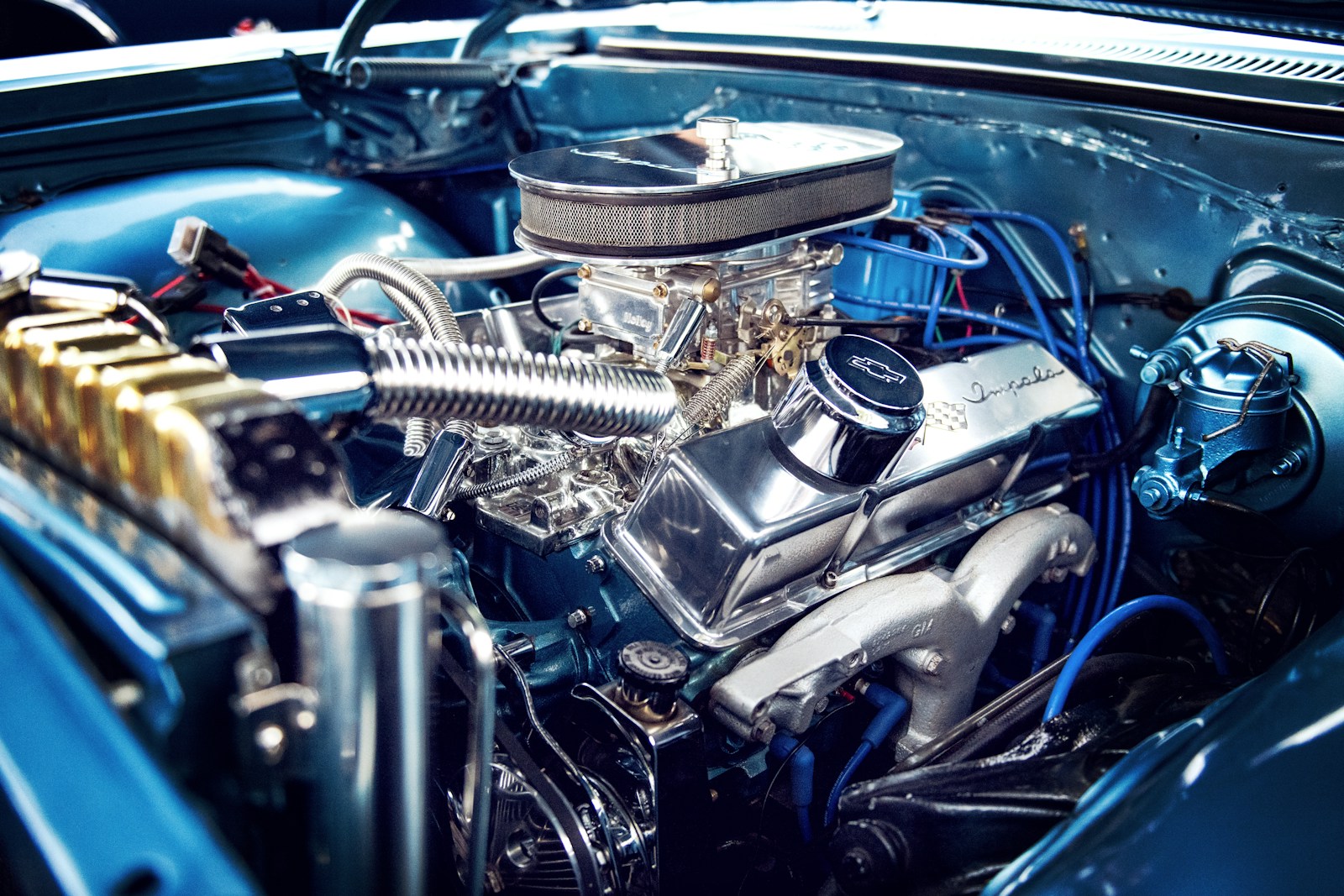
The following list highlights 12 engine families repeatedly linked to overheating, explaining what goes wrong, how it shows up on the road, and what it means for your maintenance budget and long‑term reliability.
1) Chrysler 2.7L V6 (LH and early LX platforms)
The Chrysler 2.7L V6 used in models like the Dodge Intrepid and Chrysler Sebring is frequently cited for overheating tied to internal sludge and coolant flow problems. Owners and technicians describe how the compact cooling passages and timing chain area trap heat, which can accelerate oil breakdown and clog return galleries. When that happens, the engine may run hotter, starve critical components of lubrication, and eventually suffer head gasket failure or complete seizure if the temperature spikes are ignored.
For you, the stakes are high because even minor cooling neglect can snowball into a full engine replacement that often exceeds the car’s value. Regular coolant changes, strict oil‑change intervals, and close monitoring of the temperature gauge are essential if you drive a 2.7L V6. Many owners also proactively replace radiators and water pumps earlier than usual, treating the cooling system as a wear item rather than a lifetime component to keep chronic overheating at bay.
2) Subaru EJ25 2.5L flat‑four (Phase I and II)
The Subaru EJ25 2.5L flat‑four, found in Legacy, Outback, Forester, and Impreza models, is well known for head gasket issues that often present first as subtle overheating. The horizontally opposed layout places the head gaskets low in the engine bay, and when they begin to fail, combustion gases can seep into the cooling system. Drivers typically notice rising temperatures on long grades, unexplained coolant loss, or bubbles in the overflow tank, all of which signal that the engine is struggling to shed heat effectively.
If you own an EJ25, catching these early signs is critical because repeated overheating can warp cylinder heads and dramatically increase repair costs. Many independent Subaru specialists recommend upgraded multi‑layer steel gaskets and revised torque procedures when the heads are off, which can significantly reduce the chance of future overheating. Staying ahead of coolant leaks, using the correct coolant type, and bleeding air carefully after service are practical steps that help this engine run cooler and last longer.
3) Ford 1.6L EcoBoost (early Focus, Escape, Fiesta)
Ford’s early 1.6L EcoBoost engines in models such as the Escape, Focus, and Fiesta drew attention for overheating that, in some cases, led to engine fires. Reports describe coolant leaks from the cylinder head area that allowed the engine to run low on coolant, causing localized hot spots and potential cracking. When the temperature climbed unchecked, owners experienced sudden power loss, dashboard warnings, and in severe cases, visible smoke or flames as overheated components ignited nearby materials.
For drivers, this pattern means you cannot ignore even minor coolant seepage or repeated low‑coolant warnings on a 1.6L EcoBoost. Many affected vehicles received revised cooling components and software updates to better manage temperature and alert you sooner to overheating. If you are shopping used, verifying that recall and service campaigns were completed is a key safeguard, and during ownership, routine pressure tests and hose inspections help prevent small leaks from turning into catastrophic overheating events.
4) BMW N54 3.0L twin‑turbo inline‑six
The BMW N54 3.0L twin‑turbo inline‑six, used in early 335i, 135i, and 535i models, runs hot by design and is prone to overheating when cooling components age. Turbochargers add significant thermal load, and the electric water pump and thermostat are known wear points that can fail abruptly. When that happens, drivers may see a yellow or red temperature warning, sudden limp‑mode power reduction, or steam from under the hood if the engine is pushed hard before the system can shed heat.
If you own an N54, the risk is that a failed pump or clogged radiator can quickly escalate into warped heads or cracked plastic cooling parts. Enthusiasts often treat the water pump and thermostat as preventive maintenance items, replacing them around 80,000 to 100,000 miles to avoid surprise overheating. Upgraded aluminum radiators, fresh coolant, and careful monitoring of oil and coolant temperatures through the car’s hidden menus are common strategies to keep this high‑output engine from cooking itself.
5) Mazda RX‑8 13B‑MSP rotary
The Mazda RX‑8’s 13B‑MSP rotary engine is especially sensitive to heat, and overheating can accelerate apex seal wear and rotor housing damage. Unlike conventional piston engines, the rotary’s compact housing concentrates combustion heat in a small area, so any weakness in the radiator, thermostat, or coolant flow shows up quickly on the temperature gauge. Owners who track their cars or drive aggressively often report rising temps in traffic or after repeated high‑rpm runs, which can lead to hot‑start problems and loss of compression.
For you, the implication is that cooling upgrades are not optional if you plan to keep an RX‑8 healthy. Many specialists recommend larger radiators, improved oil coolers, and meticulous attention to coolant bleeding to avoid air pockets that cause localized overheating. Because rebuilds are expensive and fewer shops are willing to work on rotaries, staying ahead of temperature issues with frequent inspections and conservative driving when the gauge creeps up is crucial to preserving this unique engine.
6) GM 3.1L and 3.4L 60‑degree V6 (LA1 family)
General Motors’ 3.1L and 3.4L 60‑degree V6 engines, used in vehicles like the Chevrolet Malibu, Pontiac Grand Am, and various minivans, are widely associated with intake manifold gasket failures that trigger overheating. When the plastic and rubber gaskets deteriorate, coolant can leak internally or externally, lowering the system’s capacity to control temperature. Drivers often notice a sweet smell, milky oil, or a slowly climbing temperature gauge, all of which indicate that the engine is running hotter than intended and may be ingesting coolant.
From an ownership standpoint, ignoring these symptoms can lead to spun bearings, warped heads, or complete engine failure as overheated oil loses its protective qualities. Many repair shops now use improved gasket materials and revised torque specs to reduce repeat failures, but you still need to monitor coolant levels closely. Regular cooling‑system flushes, prompt attention to any visible leaks, and oil analysis when contamination is suspected can help you catch overheating‑related damage before it becomes irreversible.
7) Volkswagen 1.8T turbo inline‑four (early longitudinal and transverse)
Volkswagen’s early 1.8T turbocharged inline‑four, found in models like the Jetta, Passat, and Audi A4, has a reputation for running hot when maintenance is neglected. The combination of a small displacement, turbocharger, and tight engine bays means that sludge buildup or clogged oil and coolant passages quickly translate into higher operating temperatures. Failures of plastic coolant flanges, water pumps with plastic impellers, or stuck thermostats can cause rapid overheating, sometimes before the driver has much warning.
If you drive a 1.8T, the main risk is that chronic heat accelerates timing belt wear, turbocharger failure, and cracking of brittle plastic components. Owners who follow strict oil‑change intervals with synthetic oil, replace coolant parts proactively, and upgrade to metal‑impeller pumps see far fewer overheating incidents. Keeping the cooling system clean, watching for small leaks around the rear coolant flange, and avoiding extended high‑boost runs when temperatures are already elevated are practical ways to protect this engine.
8) Toyota 3.0L 3VZ‑E V6 (early trucks and 4Runner)
The Toyota 3.0L 3VZ‑E V6 used in older pickups and 4Runner models is known for head gasket problems that often manifest as overheating under load. The combination of a relatively small radiator, tight engine bay, and early gasket design made these engines vulnerable when towing, climbing long grades, or operating in hot climates. Drivers frequently report temperature spikes on hills, unexplained coolant loss, or white exhaust smoke, all signs that combustion gases may be entering the cooling system.
For owners, the consequence is that a once‑bulletproof truck can become an expensive project if overheating is allowed to continue. Many engines have already received updated head gaskets and revised torque procedures, which significantly improve durability, but you still need to respect the cooling limits. Installing a larger radiator, ensuring the fan clutch works properly, and backing off the throttle when the gauge climbs are straightforward ways to keep the 3VZ‑E from overheating and extend its useful life.
9) Mini Cooper S 1.6L “Prince” turbo (R56 generation)
The 1.6L turbocharged “Prince” engine in the R56 Mini Cooper S has been linked to overheating through issues with the thermostat housing, water pump, and carbon buildup. Plastic cooling components can crack or warp, allowing coolant to escape and leaving the engine vulnerable to rapid temperature rises, especially in stop‑and‑go traffic. Owners often notice the cooling fan running at full speed, warning lights on the dash, or a sharp coolant smell before the gauge climbs into the danger zone.
If you own one of these Minis, the stakes include not only potential head gasket failure but also timing chain problems that worsen when the engine runs hot. Many specialists recommend replacing the thermostat housing and water pump as preventive maintenance and using high‑quality coolant to minimize deposits. Regularly checking for leaks around the front of the engine, cleaning carbon from intake valves, and avoiding extended idling in hot weather can significantly reduce the risk of overheating and costly repairs.
10) Jeep 4.0L inline‑six in tightly packaged XJ and WJ models
The Jeep 4.0L inline‑six is mechanically robust, but in tightly packaged XJ Cherokee and WJ Grand Cherokee models it can overheat when the cooling system is marginal. Limited airflow through the radiator, aging fan clutches, and clogged cores combine with slow off‑road driving or heavy towing to push coolant temperatures higher than intended. Drivers may see the gauge creep toward the red on long climbs or during low‑speed trail work, especially in hot climates where under‑hood heat has nowhere to go.
For you, the risk is not that the 4.0L is inherently weak, but that repeated overheating can crack cylinder heads and shorten the life of gaskets and sensors. Many Jeep owners address this by installing all‑metal radiators, ensuring the mechanical fan and electric auxiliary fan are fully functional, and adding hood vents to improve heat extraction. Keeping mud and debris out of the radiator fins and backing off when the gauge climbs are simple habits that help this engine stay within a safe temperature range.
11) Hyundai and Kia 2.0L/2.4L Theta II GDI engines
Hyundai and Kia’s 2.0L and 2.4L Theta II GDI engines, used in models like the Sonata, Optima, and Sportage, have been scrutinized for internal failures that can be aggravated by overheating. Metal debris from machining and bearing wear can restrict oil passages, and when combined with high combustion temperatures from direct injection, the engine may run hotter and seize. Drivers often experience knocking noises, loss of power, and warning lights before the engine fails, with overheating sometimes appearing as a secondary symptom.
For owners, the concern is that once these engines begin to overheat, damage can progress quickly to a point where only a full replacement is viable. Many vehicles have been covered by extended warranties and inspection programs, but you still need to monitor oil levels, respond immediately to temperature warnings, and avoid hard driving if the engine feels rough. Regular oil changes with the correct specification and prompt diagnosis of any cooling‑system irregularities are essential to reduce the risk of catastrophic overheating.
12) Tesla Model S and Model X drive unit cooling challenges
Electric vehicles like the Tesla Model S and Model X avoid traditional head gaskets and radiators, but their drive units and battery packs can still face overheating challenges. The liquid‑cooled motors, inverters, and battery modules rely on pumps, valves, and software to manage temperature, and when any part of that system falters, the car may limit power to protect itself. Drivers sometimes see warnings about reduced acceleration or temporarily unavailable performance modes when the system detects that components are running hotter than allowed.
For you as an EV owner, the implication is that thermal management is just as critical as it is in combustion engines, even if the symptoms look different. Keeping coolant service up to date, ensuring software is current, and avoiding repeated high‑power launches in extreme heat can help prevent the drive unit from overheating. Because repairs to high‑voltage components are costly, paying attention to early temperature‑related alerts and scheduling service promptly is key to preserving both performance and long‑term reliability.
More from Wilder Media Group: