

Electric vehicles (EVs) are often praised for their potential to reduce emissions and reliance on fossil fuels. However, the source of the electricity that powers these vehicles significantly affects their overall environmental impact.
Understanding where the electricity comes from is crucial to evaluating the true benefits of EVs. This article explores the realities behind electricity generation and how it shapes the sustainability of electric transportation.
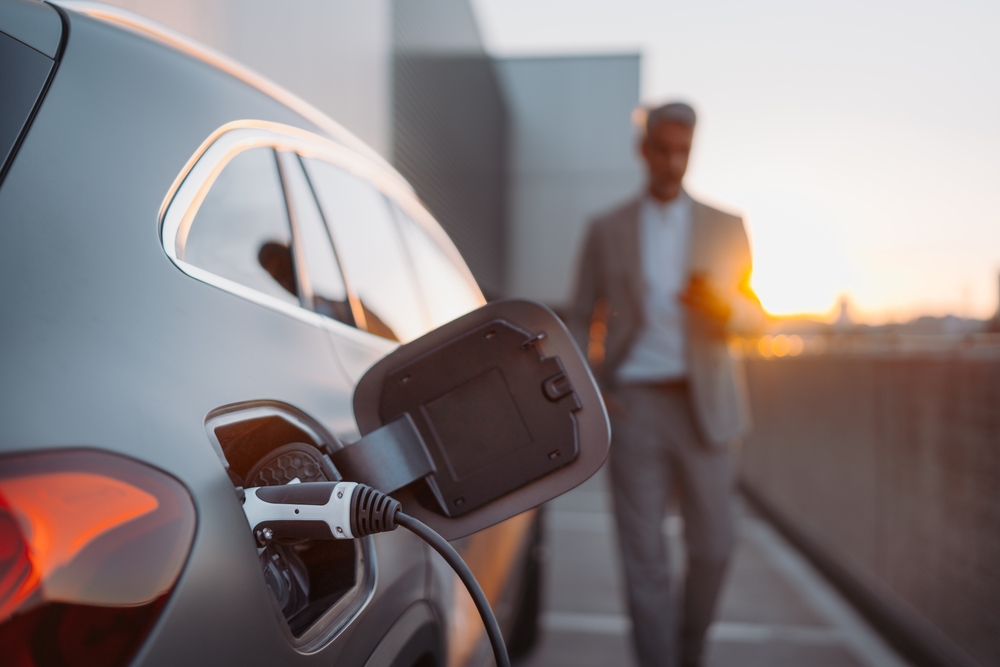
A significant portion of EV electricity is generated from fossil fuels like coal and natural gas.
A large share of the electricity used to charge electric vehicles (EVs) comes from fossil fuel sources such as coal and natural gas. The exact mix depends on the regional power grid composition.
Coal-fired power plants, while declining, still contribute substantially in some areas. Natural gas plants are more efficient but also produce greenhouse gases.
This reliance on fossil fuels affects the overall environmental impact of EVs, making the source of electricity a critical factor in assessing their true sustainability.
Electricity generation emissions vary greatly depending on regional energy grids.
Electric vehicle emissions depend heavily on how electricity is produced in a region. Areas relying on coal or natural gas generate higher emissions than those using renewable sources.
Grid composition varies significantly worldwide, affecting the environmental impact of EV charging. In some regions, low-carbon energy reduces overall emissions, while in others, fossil fuel dependence increases them.
This variability means the environmental benefit of electric vehicles is not uniform but tied to local energy policies and infrastructure.
EV charging during peak hours can increase reliance on less clean energy sources
When many electric vehicles charge simultaneously during peak hours, demand for electricity spikes. This can force grid operators to activate additional power plants, often relying on fossil fuels like coal or natural gas.
These plants typically emit more greenhouse gases compared to renewable sources. Charging EVs during off-peak hours reduces stress on the grid and encourages the use of cleaner energy available at those times.
Renewable energy only accounts for a fraction of total electricity used for EVs in many areas
In many regions, the electricity that powers electric vehicles (EVs) primarily comes from non-renewable sources. Renewable energy, such as wind and solar, often represents only a small portion of the overall electricity mix.
This means the environmental benefits of EVs depend heavily on the local energy grid composition. Until renewable generation increases significantly, the carbon footprint of charging an EV may be higher than expected.
Battery production and charging infrastructure indirectly affect EV electricity sources.
Battery production requires energy-intensive mining and manufacturing processes. These often rely on electricity generated from fossil fuels, increasing the carbon footprint before the EV is even used.
Charging infrastructure also influences electricity demand patterns. This affects how grid operators balance power generation, sometimes necessitating more electricity from conventional sources during peak charging times.
Grid carbon intensity fluctuates daily and seasonally, impacting EV emissions
The carbon intensity of electricity varies throughout the day due to changing demand and the availability of renewable energy. During peak hours, grids often rely more on fossil fuels, increasing emissions linked to EV charging.
Seasonal changes also affect grid emissions. In winter, higher heating demands may lead to greater fossil fuel use, while in spring and summer, more solar and wind energy can reduce carbon output.
These fluctuations mean the environmental impact of driving an EV depends partly on when and where it is charged.
Some regions use nuclear power significantly to supply EV electricity, reducing carbon footprint.
Nuclear energy provides a substantial share of electricity in certain areas. This low-carbon source helps reduce emissions associated with charging electric vehicles.
By relying on nuclear power, these regions can offer cleaner electricity compared to those depending heavily on fossil fuels. It supports a more sustainable transition to electric mobility while maintaining grid stability.
Hydropower contributes clean electricity but is geographically limited
Hydropower generates electricity using the energy of flowing water, providing a low-cost and renewable source of power. It produces clean energy without direct greenhouse gas emissions during operation.
However, its availability depends heavily on local water resources and suitable geography. Not all regions have the rivers or infrastructure needed for efficient hydropower plants. Seasonal and weather changes also affect its output reliability.
EV charging from coal-heavy grids negates some environmental benefits of electric driving
Electric vehicles (EVs) charged on grids dominated by coal face reduced environmental advantages. Coal power plants emit significant carbon dioxide, which increases the EV’s indirect emissions during charging.
While EVs remain more efficient than traditional gasoline cars, the pollution from coal-generated electricity narrows this efficiency gap. The overall carbon footprint of EVs depends heavily on the energy mix powering the grid where they charge.
In regions with coal-heavy grids, EVs can produce emissions comparable to fuel-efficient gasoline vehicles, lessening the expected gains from electric driving.
Incentives to charge EVs during off-peak hours can shift electricity use towards cleaner times
Utilities and grid operators offer financial incentives to encourage EV owners to charge during off-peak hours. These incentives help flatten demand spikes and allow better integration of renewable energy.
Shifting charging to overnight hours aligns electricity use with times when wind and solar generation can be more abundant. This reduces reliance on fossil fuel plants that run during peak demand.
Behavioral nudges combined with rewards have proven effective in changing user habits. Such strategies support a more efficient and cleaner electricity grid overall.
Many charging stations still draw power from non-renewable sources due to infrastructure limitations.
Many EV charging stations rely on the existing electrical grid, which often depends on fossil fuels. The integration of renewable energy into these grids remains incomplete in many areas.
Infrastructure challenges, such as limited grid capacity and variable renewable energy supply, slow the transition. Until upgrades and broader renewable adoption occur, non-renewable sources will continue to power a significant portion of EV charging stations.
Electricity imports and exports between regions influence the true carbon impact of EV charging.
Electricity grids often share power across regions, affecting the source mix that ultimately charges electric vehicles. This interchange means the carbon intensity of EV charging depends not just on local generation but also on imported electricity.
If a region imports power from coal-heavy grids, the EV’s carbon footprint rises, even if the local grid is cleaner. Conversely, exporting renewable energy can lower emissions elsewhere. Understanding these dynamics is key to assessing the real environmental impact of EV charging.