
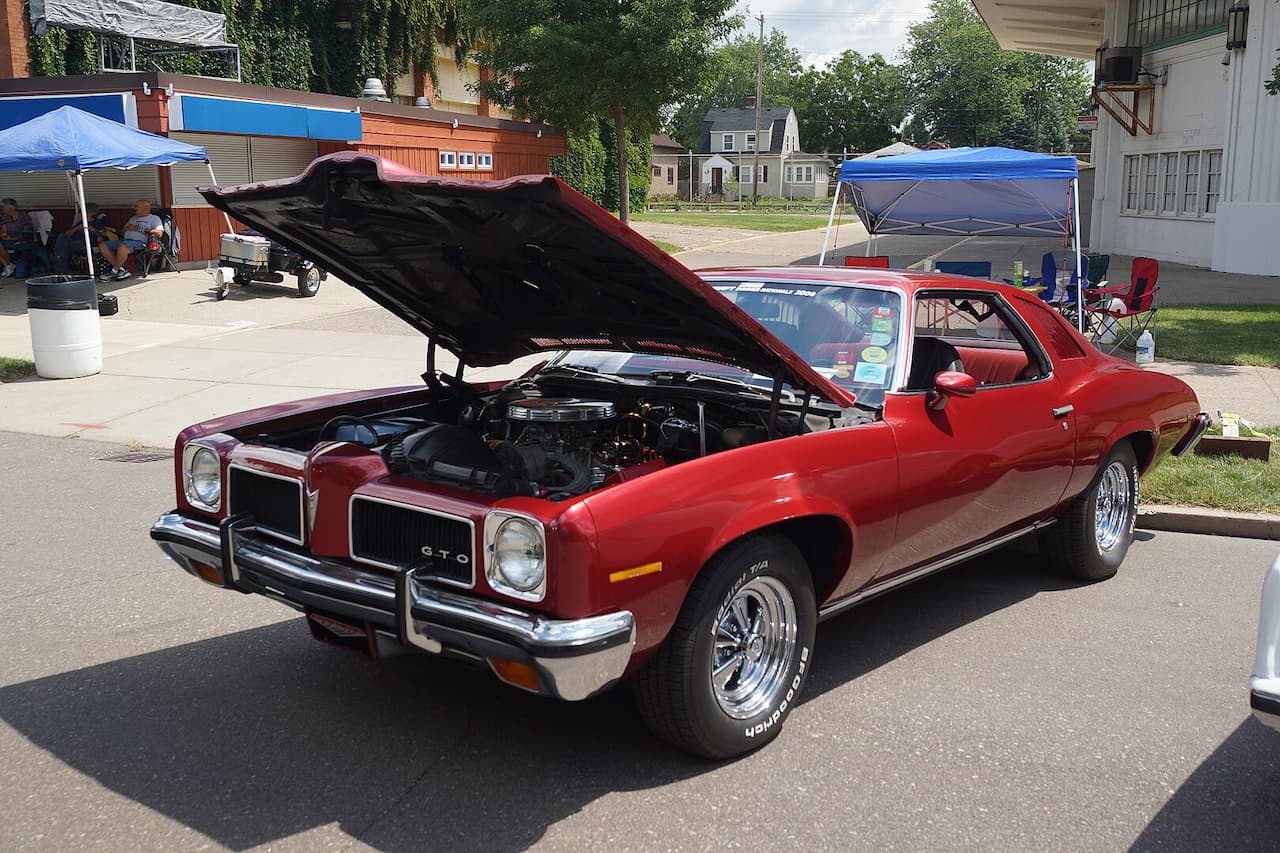

Muscle cars have long been a symbol of American automotive innovation and performance. They represent a unique combination of power, design, and cultural impact that continues to influence car enthusiasts and the automotive industry today.
The significance of certain muscle cars lies in their ability to redefine performance standards and reshape automotive trends. This article explores twelve muscle cars that left a lasting mark on the industry by changing the game forever.
1969 Dodge Charger
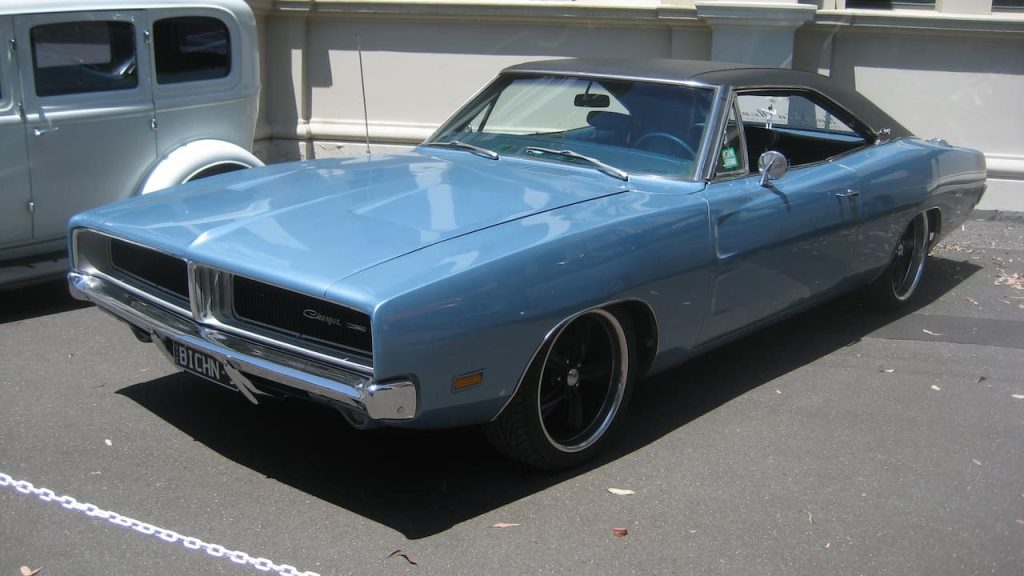
The 1969 Dodge Charger is a significant muscle car known for its bold design and powerful performance. It featured a range of strong engines, including a 426 HEMI V8, which helped it stand out in the muscle car era.
The Charger Daytona variant was the first American car to reach 200 mph in NASCAR, marking a milestone in racing history. Its aerodynamic shape and racing success influenced both motorsport and car design afterward.
1949 Oldsmobile Rocket 88
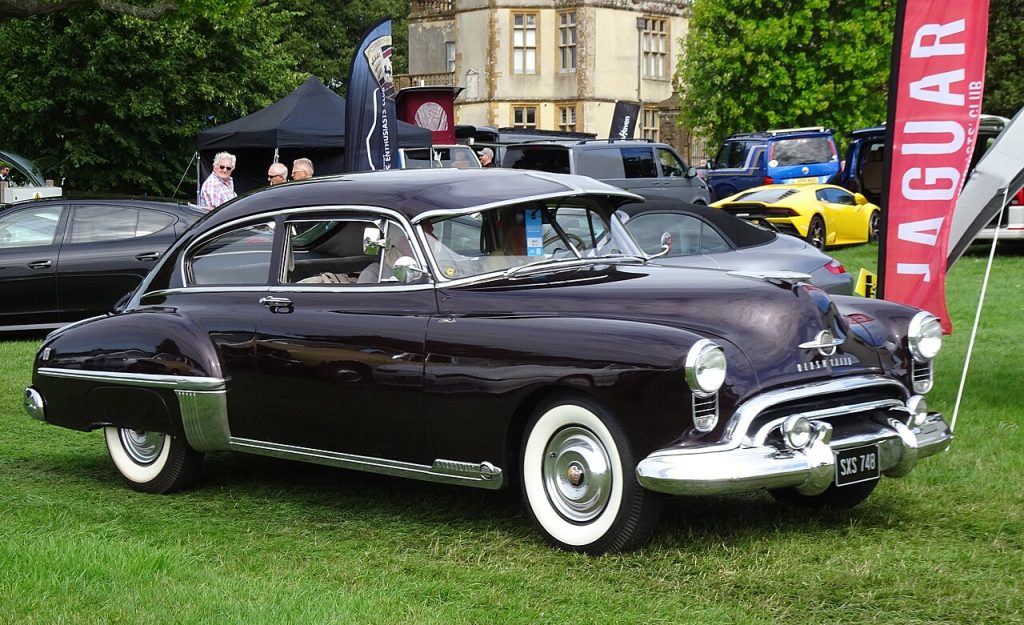
The 1949 Oldsmobile Rocket 88 is widely recognized as an early muscle car. It combined a lightweight body with a powerful overhead valve V8 engine, offering performance unmatched at the time.
This model gained success in both sales and racing, influencing future muscle car designs. It was positioned between Oldsmobile’s base and luxury lines, making it accessible yet sporty.
1964 Pontiac GTO

The 1964 Pontiac GTO is widely recognized as the first true muscle car. It combined a powerful V8 engine with a midsize body, creating an accessible performance vehicle.
This model introduced a new category of road-going hot rods, appealing to enthusiasts looking for speed and style. Its impact defined American muscle cars for years.
1964 Ford Mustang
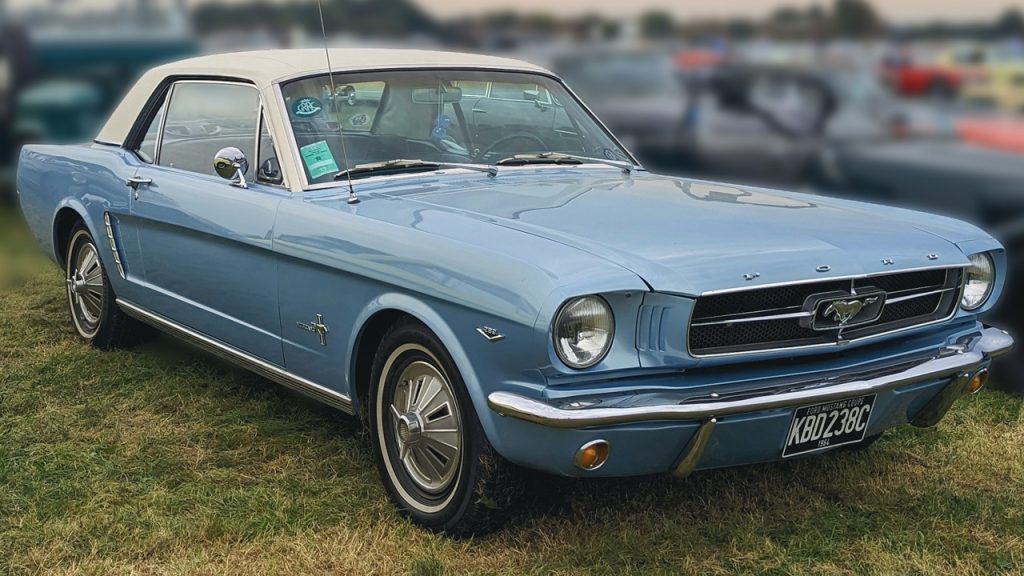
The 1964 Ford Mustang introduced a new segment known as the pony car. It combined sporty design with affordability, appealing to a broad audience.
Its customizable options and powerful engine choices set a new standard for performance and style. The Mustang quickly became a defining symbol of American automotive culture.
This model influenced the muscle car era by blending everyday usability with high performance, changing the automotive market landscape significantly.
1970 Dodge Challenger
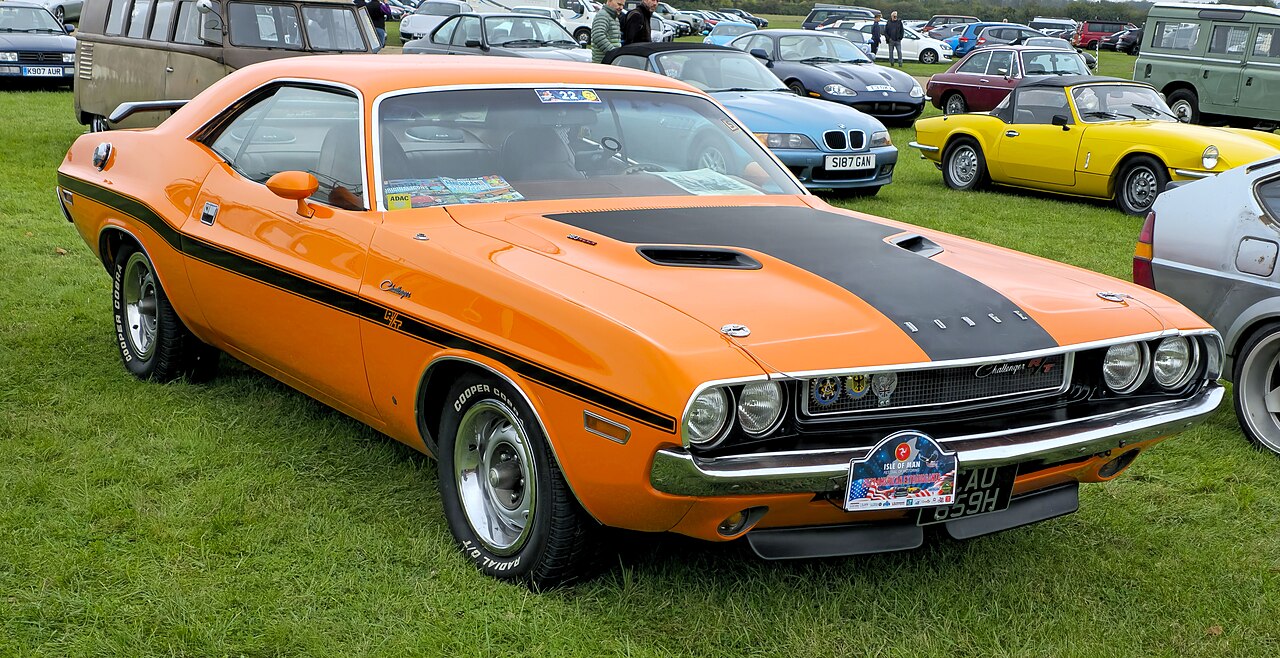
The 1970 Dodge Challenger marked a significant entry into the muscle car era. It combined aggressive styling with powerful engine options, including a 426 HEMI V8.
This model quickly gained recognition for its performance and handling. Its impact remains notable among classic American muscle cars.
1956 Chrysler 300B
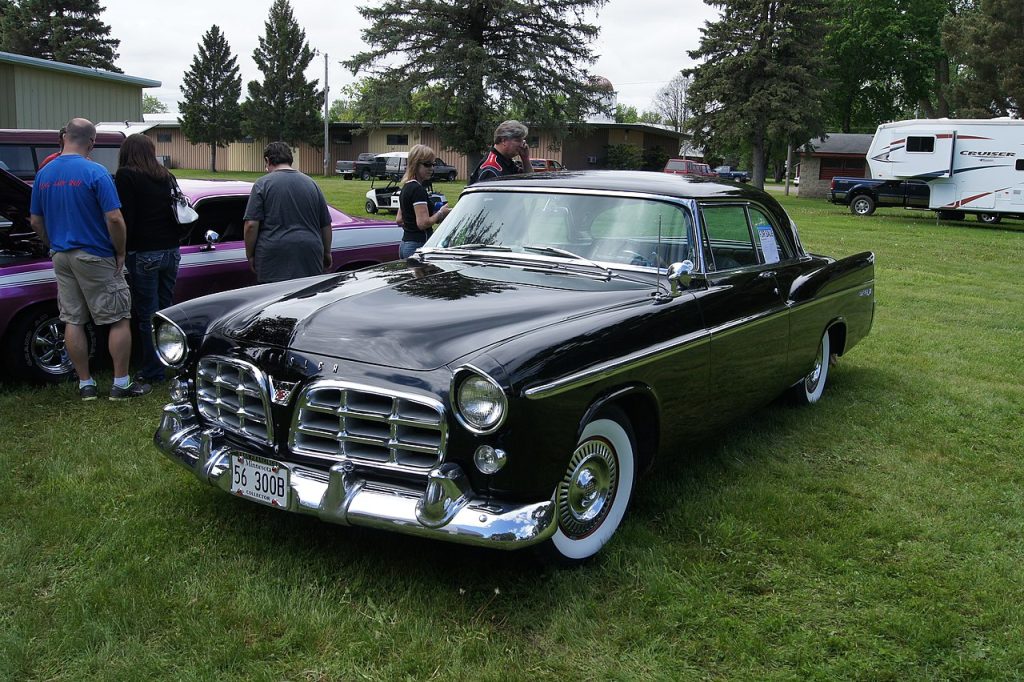
The 1956 Chrysler 300B is notable for being one of the first production cars to exceed one horsepower per cubic inch. This model combined powerful performance with advanced features like power steering and power seats.
It is often regarded as an early muscle car and a precursor to later high-performance American vehicles. The 300B’s engineering and design influenced muscle car development for years to come.
1960s Pontiac GTO
The 1960s Pontiac GTO is often credited with starting the muscle car era. It introduced the concept of a factory-built, high-performance road car designed for speed and style.
The GTO combined a powerful V8 engine with a mid-size body, making it both practical and fast. Its success influenced many manufacturers to create similar performance models.
This car set a new standard for American muscle cars by offering muscle in an accessible package. Its impact on the automotive industry remains significant decades later.
1964 Porsche 911
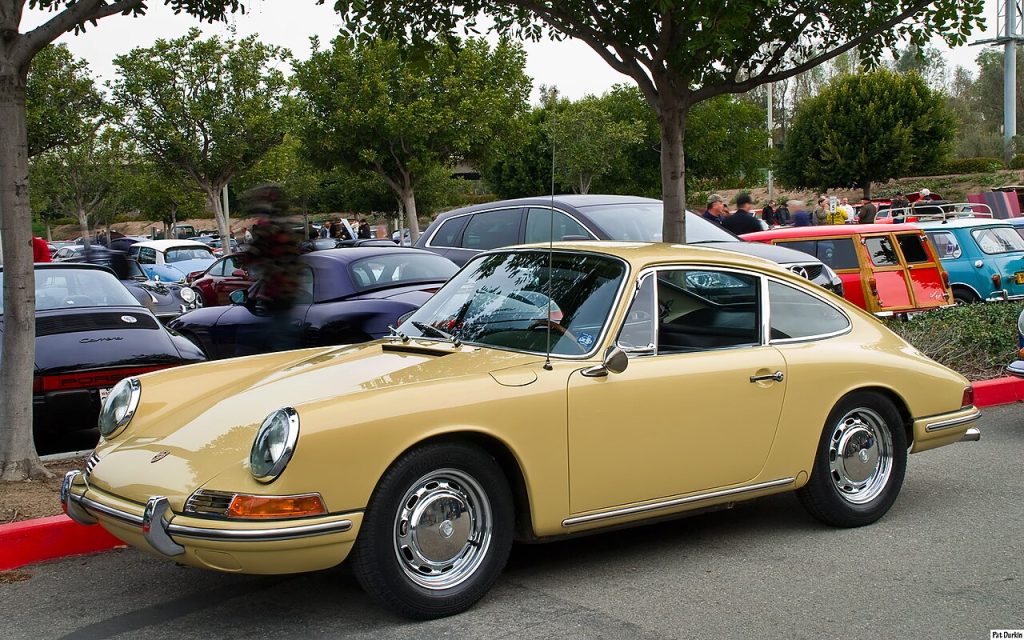
The 1964 Porsche 911 introduced a new era in sports car design with its distinctive shape and rear-engine layout. It combined performance and style in a compact, lightweight package.
It stood out for its balance of power and handling, setting a benchmark for future generations. The 911’s legacy is evident in its continuous evolution over more than five decades.
1989 Nissan Skyline R32 GT-R
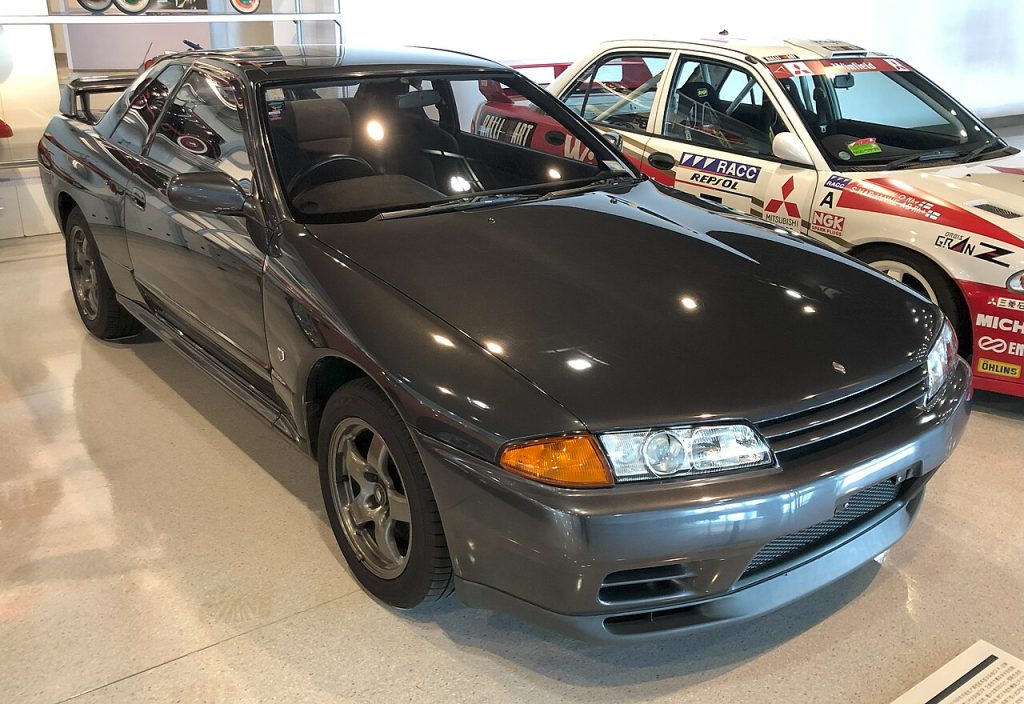
The 1989 Nissan Skyline R32 GT-R marked a significant advancement in performance cars. It featured the RB26DETT engine, producing 276 horsepower, paired with a sophisticated all-wheel-drive system.
It earned the nickname “Godzilla” due to its dominance in motorsports. The R32 combined advanced technology with reliable power, influencing many future performance cars.
1985 BMW M5
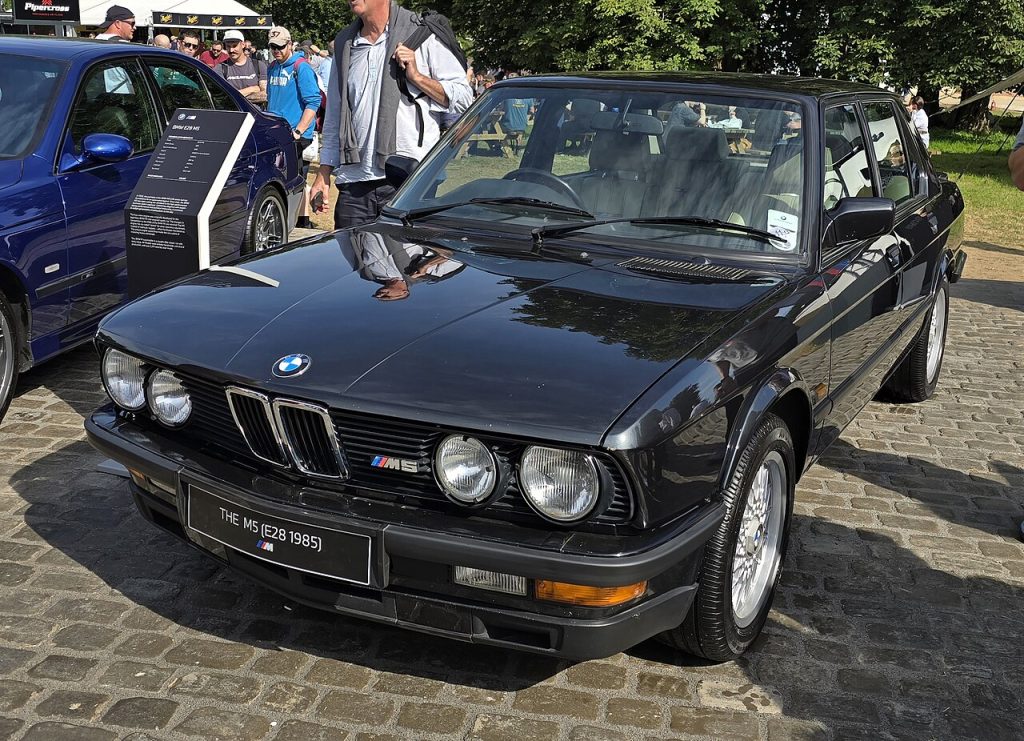
The 1985 BMW M5 marked the debut of the high-performance luxury sedan segment. Built on the E28 5 Series platform, it combined sportscar capabilities with comfort and refinement.
It featured a powerful inline-six engine paired with precise handling. The interior included leather upholstery, power windows, and heated seats, elevating driver experience.
The M5 set new standards by blending everyday usability with dynamic driving pleasure. Its impact remains evident in modern performance sedans.
1976 Volkswagen Golf GTI MK.1
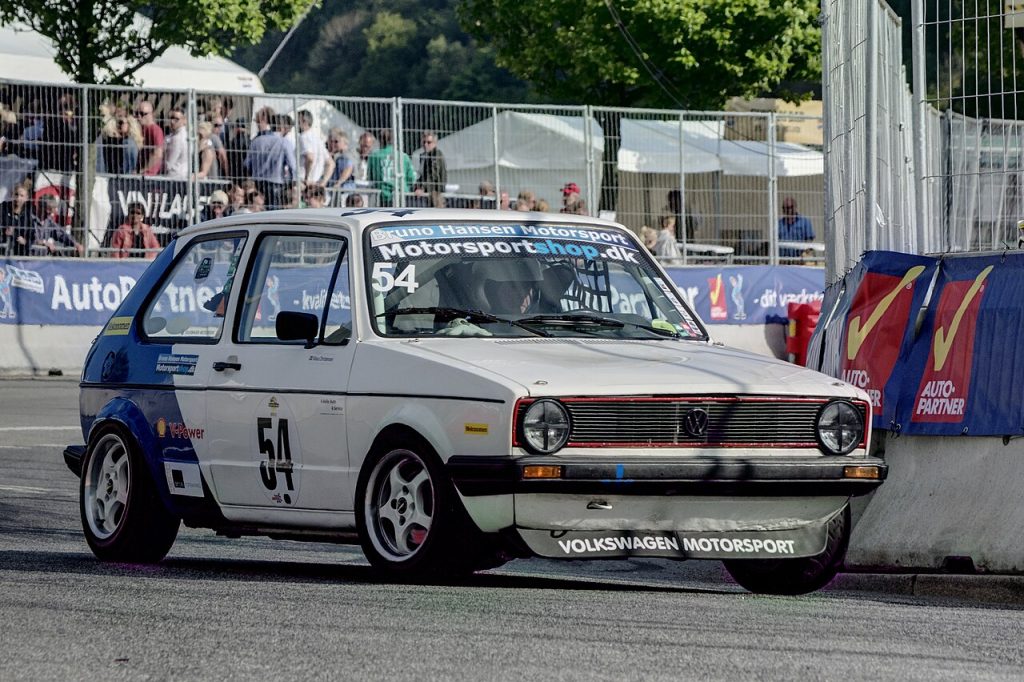
The 1976 Volkswagen Golf GTI Mk.1 introduced the hot hatch concept to a broad audience. It combined compact size with sporty performance, creating a practical yet engaging driving experience.
Its balance of handling and power made it stand out among early performance cars. The GTI’s success influenced future hatchback designs and remains a key model in automotive history.