

Spotting a mechanic who is not actually certified can save you money, time, and serious safety risks on the road. Just as you would not ignore warning signs that a routine sunburn is turning into something more serious, you should pay attention to subtle red flags that your technician may not have the training they claim. Here are 12 specific signs that help you separate qualified professionals from people who only look the part.
1) They dodge questions about their credentials
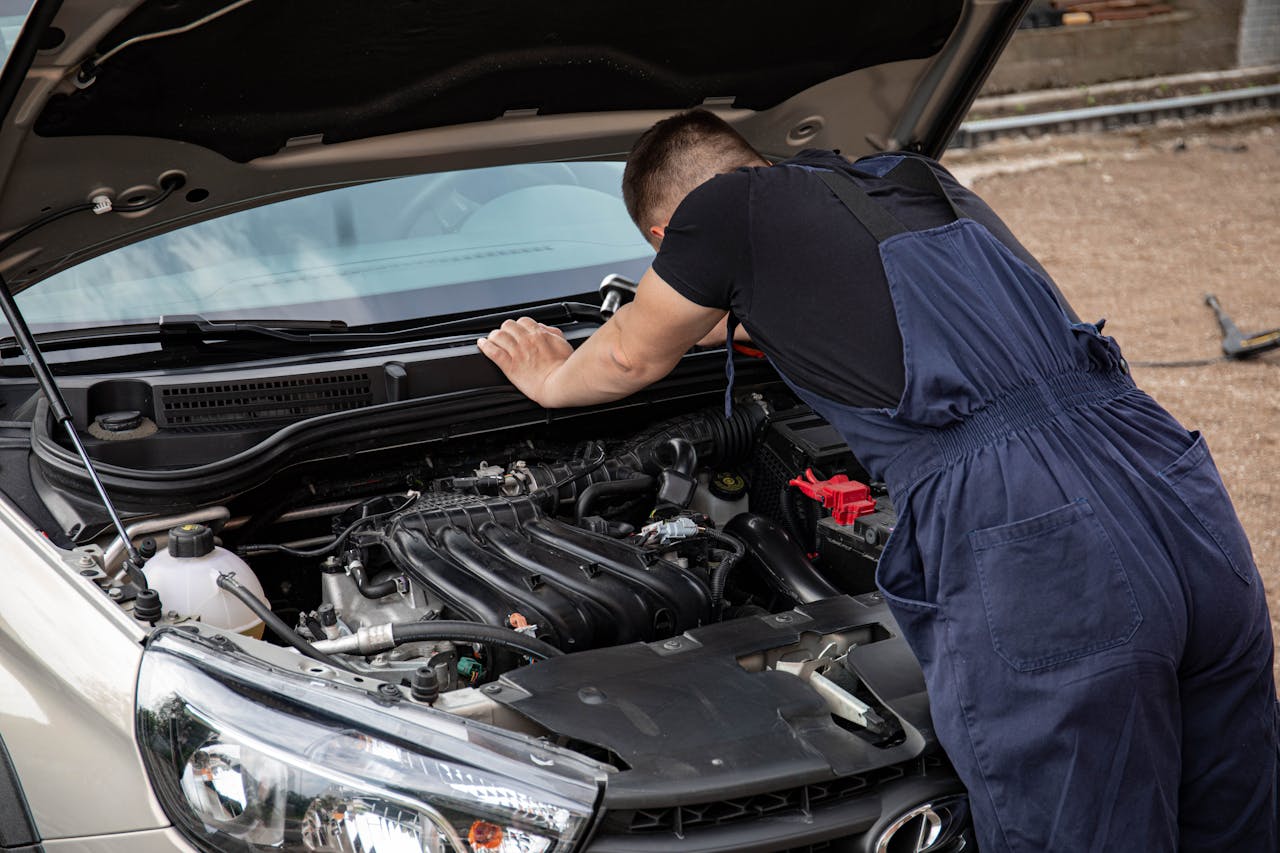
One of the clearest signs your mechanic is not certified is how they respond when you ask about training and credentials. A qualified technician is usually comfortable explaining what certifications they hold, what tests they passed, and how often they renew those credentials. If you get vague answers, quick subject changes, or irritation when you ask, that is a red flag that the person may not have formal qualifications. In medicine, specialists are expected to explain their expertise, and you should expect the same transparency when someone works on your car.
The stakes are high because modern vehicles rely on complex electronics, safety systems, and manufacturer procedures that require structured training. When a mechanic cannot clearly describe where they learned to service hybrid systems, advanced driver assistance features, or even basic brake hydraulics, you have no way to judge whether they can safely diagnose problems. That lack of clarity mirrors how health experts warn you not to ignore escalating symptoms, because uncertainty about someone’s expertise can quickly turn into expensive or dangerous mistakes.
2) There is no certification displayed anywhere in the shop
A certified mechanic or repair facility usually displays proof of qualifications where customers can see them. If you look around the waiting area and service bays and find no certificates, no training plaques, and no signs of completed courses, that absence can signal that the staff is not formally trained. Professionals tend to be proud of passing difficult exams and want customers to know they meet industry standards. When nothing is posted, you are left guessing about who is actually working on your vehicle and what they know.
This matters because you rely on those credentials as a quick way to verify competence, the same way you might look for medical diplomas in a clinic. Without visible proof, you have to take the shop’s word that its people are qualified, which can expose you to misdiagnoses, repeat failures, or unsafe repairs. If a business invests in training, it usually invests in showing that training off, so a blank wall can be a quiet but important warning sign.
3) They cannot explain repairs in clear, simple language
A mechanic who is actually certified should be able to translate technical issues into plain language you can understand. If your technician leans on confusing jargon, rushes through explanations, or gets flustered when you ask follow-up questions, it may indicate they do not fully grasp the systems they are describing. In healthcare, specialists are expected to explain complex conditions like severe sun damage in everyday terms, and the same communication skill is a hallmark of real automotive expertise.
Clear explanations are not just a courtesy, they are a safety tool. When you understand why a part failed and what the repair involves, you can make informed decisions about cost, timing, and whether a second opinion is necessary. A mechanic who cannot walk you through a brake job, cooling system repair, or airbag warning light in straightforward language may be repeating procedures they memorized rather than applying deep knowledge, which increases the risk of missed problems and unnecessary work.
4) They dismiss serious warning signs as “no big deal”
An uncertified mechanic may downplay serious symptoms because they do not recognize how urgent they are. If you describe grinding brakes, a flashing check engine light, or strong fuel smells and are told it is “nothing to worry about,” that casual attitude can be dangerous. Automotive warning signs, like medical symptoms, often escalate if ignored. Experts who study severe sun damage warn that intense pain, blistering, or systemic symptoms are not just cosmetic issues, and that same logic applies when your car shows clear signs of distress.
When a technician minimizes obvious problems, you risk driving with failing components that could lead to breakdowns or crashes. A qualified professional tends to err on the side of caution, explaining what could happen if you delay a repair and outlining safe options. If someone repeatedly brushes off your concerns without inspection or testing, it suggests they may not have the training to recognize critical failures, or they are more focused on quick turnover than on your long-term safety.
5) They skip basic diagnostic steps and guess at the problem
Another sign your mechanic is not truly certified is a habit of guessing instead of diagnosing. Proper training emphasizes step-by-step testing, from scanning fault codes to checking wiring, fluid levels, and mechanical wear. If your technician jumps straight to replacing parts without explaining what tests they performed, or if they change multiple components hoping one will fix the issue, that trial-and-error approach suggests a lack of structured education. Certified professionals are taught to follow diagnostic trees rather than rely on hunches.
The consequences of guesswork can be expensive and unsafe. You may pay for unnecessary parts, lose time to repeated visits, and still drive away with the original problem unresolved. In complex systems like modern engine management or anti-lock brakes, skipping basic checks can also mask deeper failures that only appear under certain conditions. A mechanic who respects proper diagnostics will show you test results, describe what they ruled out, and explain why a specific repair is needed, giving you confidence that their recommendation is grounded in real knowledge.
6) They ignore manufacturer guidelines and service intervals
A certified mechanic understands that manufacturer guidelines exist for a reason and uses them as a baseline for maintenance and repairs. If your technician shrugs off the owner’s manual, dismisses factory service intervals, or insists that “all cars are the same,” that attitude can reveal a lack of formal training. Modern vehicles, from a 2018 Honda Civic to a 2023 Ford F-150, have specific fluid types, torque specs, and procedures that differ widely, and ignoring those details can cause premature wear or sudden failures.
When a shop routinely recommends services that contradict the manual, such as drastically shortened fluid intervals without explanation or skipping critical timing belt replacements, you should question their expertise. Certified professionals typically reference technical databases and bulletins to stay aligned with factory standards. A mechanic who relies only on habit or outdated rules of thumb may not be keeping up with evolving technology, which puts your warranty, your wallet, and your safety at risk over the long term.
7) They misinterpret or overlook visible damage and symptoms
Misreading obvious signs of trouble is a strong indicator that a mechanic is not properly trained. If you bring in a car with uneven tire wear, visible fluid leaks, or dashboard warning lights and the technician either overlooks them or offers explanations that do not match what you see, that disconnect suggests gaps in their knowledge. Medical specialists warn that certain patterns of redness, blistering, and systemic symptoms can signal a serious condition like sun poisoning, and recognizing those patterns is part of their expertise.
In the same way, a qualified mechanic should recognize patterns such as cupped tires pointing to suspension issues or oily residue near a valve cover indicating a gasket leak. When they miss or misinterpret these visible clues, you may leave with underlying problems unaddressed, which can worsen over time and lead to higher repair bills. Accurate visual assessment is a basic skill taught in certification programs, so repeated mistakes in this area are a warning that your technician may not have that foundational training.
8) They cannot provide detailed, written estimates
A mechanic who is not certified may struggle to produce a clear, itemized estimate because they do not fully understand the labor steps and parts involved. If you receive handwritten notes with vague descriptions like “engine work” or “front end repair” instead of specific line items, that lack of detail can signal inexperience or an attempt to hide uncertainty. Certified professionals are trained to break down jobs into defined tasks, list part numbers, and estimate labor hours based on established guides.
Detailed estimates protect you by setting expectations and creating a record you can compare with the final invoice. When a shop cannot or will not provide that level of clarity, it becomes easier for costs to balloon or for unnecessary work to be added without your informed consent. The ability to map out a repair on paper reflects how well a mechanic understands the process in practice, so vague paperwork often mirrors vague knowledge under the hood.
9) They rely on you to describe technical solutions
If your mechanic frequently asks you what parts to replace, which brand to use, or how you think the problem should be fixed, that role reversal is a sign they may not be certified. While it is normal to discuss options, the technician should lead the conversation with informed recommendations. When you find yourself doing online research, suggesting diagnoses, or correcting their assumptions, it indicates the person working on your car may lack the training to confidently identify and solve issues.
This dynamic can be risky because you are not the one with access to professional tools, service information, or hands-on inspection. A certified mechanic uses your description of symptoms as a starting point, then applies structured testing and experience to reach a conclusion. If the shop instead treats you as the primary problem-solver, you may end up authorizing repairs that do not address the root cause, wasting money and time while critical safety problems remain unresolved.
10) They avoid or discourage second opinions
Another warning sign is a mechanic who becomes defensive when you mention getting a second opinion. A certified professional who is confident in their diagnosis usually has no problem with you confirming it elsewhere, because they know their work can stand up to scrutiny. If your technician pressures you to decide immediately, warns that another shop will “just confuse you,” or suggests that seeking another view is disloyal, that resistance can indicate insecurity about their own expertise.
Second opinions are a standard safeguard in complex fields, from medicine to structural engineering, and auto repair is no different. When a shop tries to isolate you from outside input, you lose an important check on both accuracy and fairness of pricing. A reluctance to have their work reviewed may mean the mechanic is not following best practices or is worried that a more qualified technician will spot errors, which is a strong reason to pause before authorizing major repairs.
11) Their repairs fail quickly or create new problems
Repeated failures after supposedly completed repairs often point to a lack of certification or training. If you pick up your car and the same noise, leak, or warning light returns within days, or if new issues appear immediately after service, it suggests that the mechanic did not correctly diagnose or execute the job. While any shop can occasionally have a part defect, a pattern of comebacks indicates deeper problems with technique, torque procedures, or system understanding.
These recurring failures are more than an inconvenience, they can be dangerous. A poorly installed brake caliper, misrouted fuel line, or incorrectly programmed electronic module can lead to sudden loss of control or breakdowns in high-speed traffic. Certified mechanics are trained to verify their work with test drives, rechecks, and scan tool confirmations before returning the vehicle. When that discipline is missing, you become the final quality control, discovering mistakes only when something goes wrong on the road.
12) They show no interest in ongoing training or new technology
A final sign your mechanic is not actually certified is a lack of interest in continuing education. Automotive technology changes rapidly, with new driver assistance systems, electric drivetrains, and complex infotainment networks appearing in models like the Tesla Model 3, Toyota RAV4 Hybrid, and Chevrolet Silverado. Certified professionals are typically required or strongly encouraged to update their skills through courses, tests, and manufacturer training. If your technician dismisses new systems as “gimmicks” or admits they have not taken any classes in years, that stagnation is concerning.
Ignoring ongoing training means the mechanic may not understand how to safely disable high-voltage systems, recalibrate cameras after windshield replacement, or program replacement modules. As vehicles become more like rolling computers, outdated knowledge can lead to misdiagnoses, software conflicts, or disabled safety features. A shop that invests in current tools and education signals that its staff is serious about competence, while one that resists learning may be relying on outdated habits instead of recognized standards.
More from Wilder Media Group: