


Electric vehicle (EV) charging has become a central part of the EV ownership experience, but it often comes with unseen difficulties. While EVs offer many benefits, the realities of charging infrastructure and practical challenges can create unexpected frustrations for drivers.
This article highlights key issues EV owners face at charging stations that are rarely discussed but crucial to understand. Awareness of these challenges helps prepare current and future EV users for a smoother transition to electric mobility.
Frequent charger malfunctions causing unexpected delays
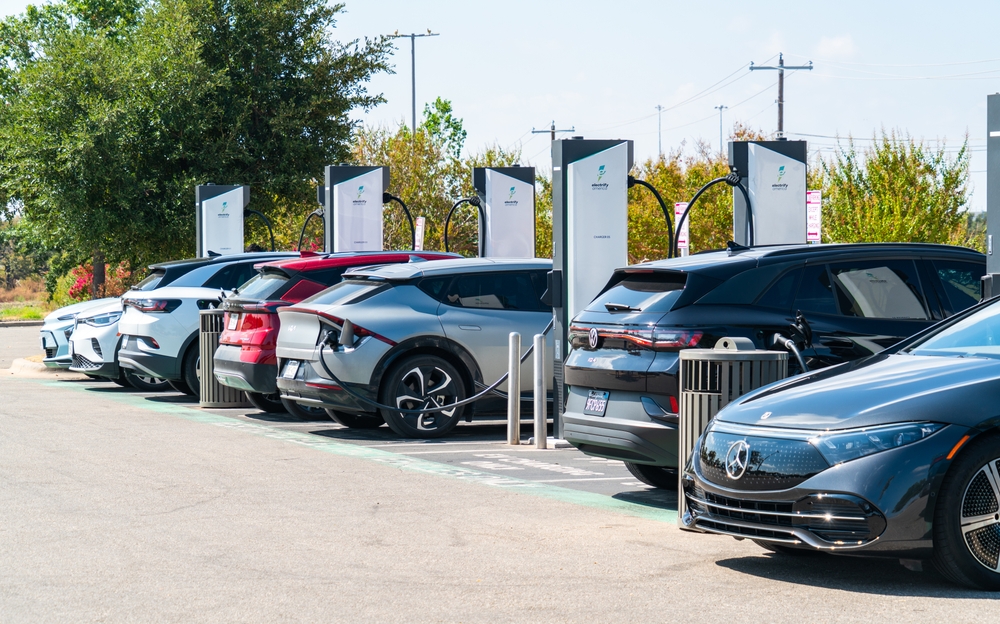
Electric vehicle charging stations often experience connectivity issues. More than half of charging failures occur because the station cannot connect to its network.
These malfunctions cause unexpected delays for drivers. A stalled charging session means waiting without knowing when it will resume.
Technical glitches may also prevent the charger from recognizing the vehicle. This forces users to restart the process or seek alternative stations.
Limited availability of fast chargers on long routes
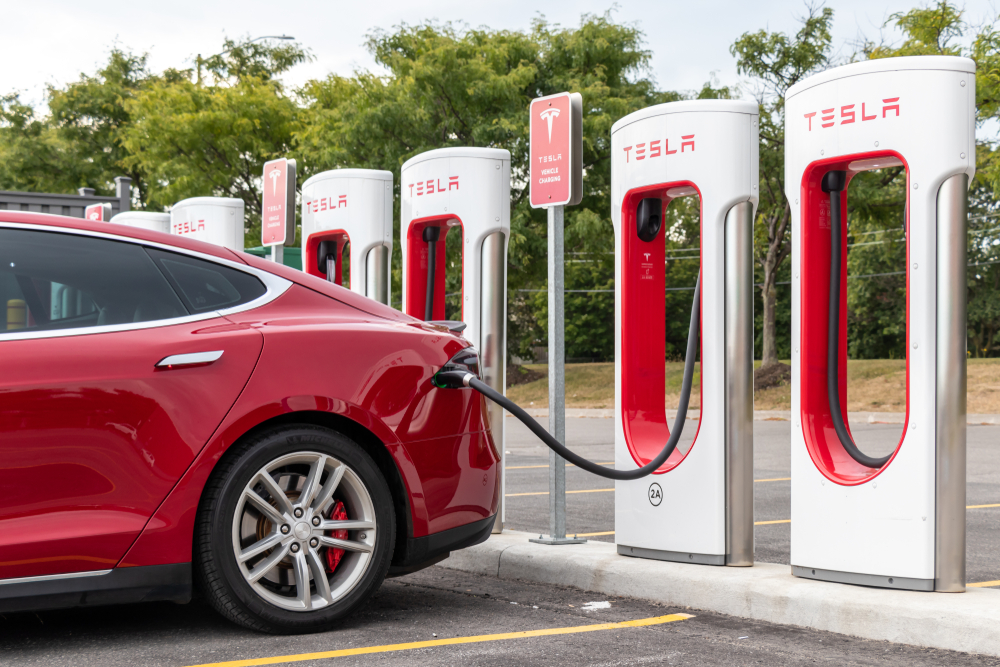
Fast chargers remain scarce along many long-distance routes. Drivers often encounter large gaps between charging stations capable of rapid charging.
This limited availability can cause delays and add planning complexity to trips. It also affects convenience, especially in less populated areas.
Travelers may need to rely on slower chargers or extend stops to wait for an available fast charger. This situation makes long journeys less predictable for EV users.
Complicated and inconsistent payment systems
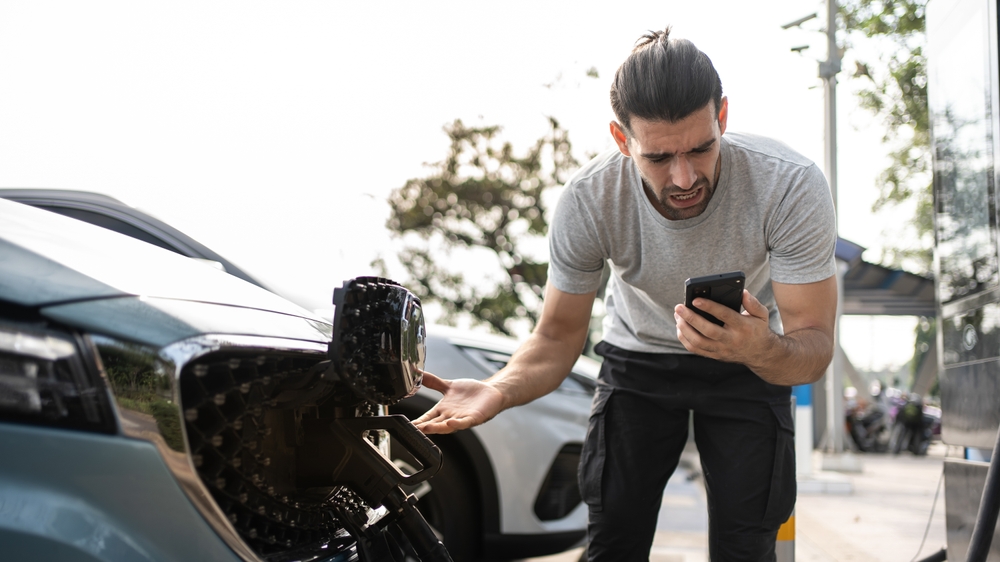
EV charging stations often require users to navigate multiple apps to start a session. This fragmentation can confuse and delay the process.
Many stations do not accept credit cards at the point of sale, forcing drivers to use specific apps or memberships. When apps or machines malfunction, payment failures can leave users stranded.
The lack of a unified payment standard increases frustration and reduces convenience for EV owners.
Non-functional or out-of-order charging stations
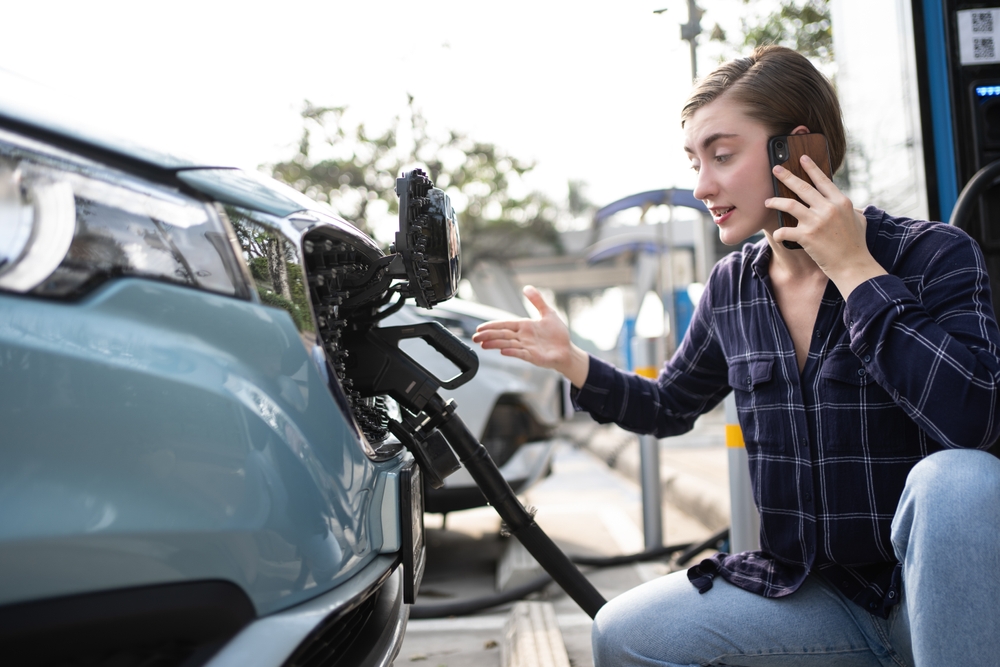
Many EV drivers face the frustration of arriving at a charging station only to find it non-functional or out of order. This issue disrupts travel plans and adds uncertainty to charging availability.
Maintenance problems and technical faults are common causes of non-working chargers. In some locations, a significant portion of charging points remains unusable for extended periods.
This unreliability underscores the need for better infrastructure upkeep and clearer station status updates to improve user experience.
Slow charging speeds at many public stations
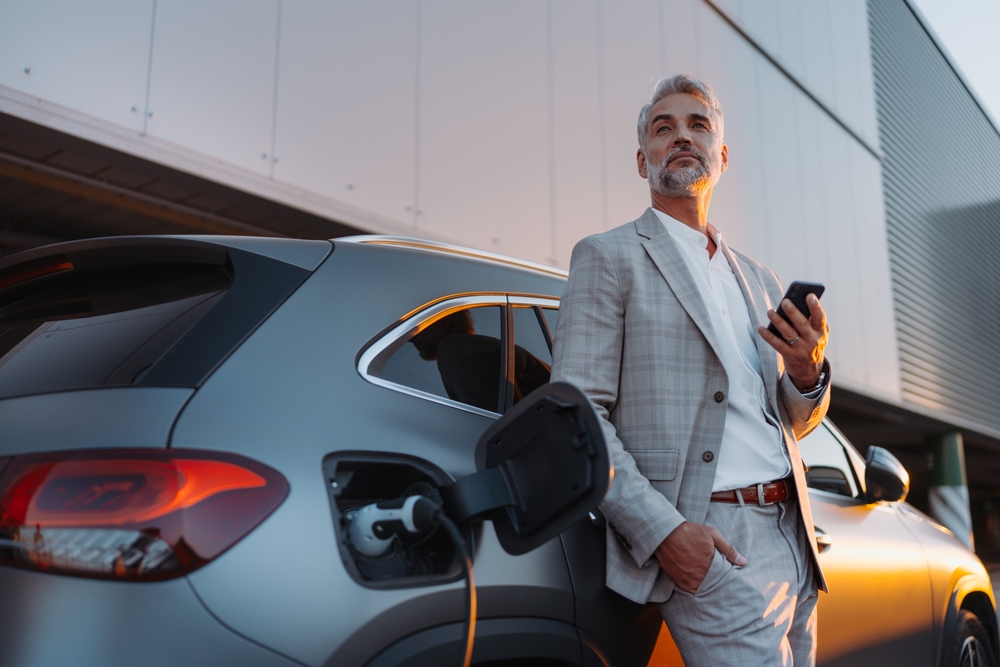
Many public EV chargers often deliver slower speeds than advertised. Stations that promise 100 kW charging frequently provide about half that rate in practice.
This reduced speed leads to longer wait times and frustration. It can significantly affect travel plans, especially on longer routes requiring quick recharges.
Variations in charger quality, network congestion, and vehicle compatibility contribute to inconsistent charging performance. Users should be prepared for these delays when using public infrastructure.
Lack of universal charging connectors across different EV models
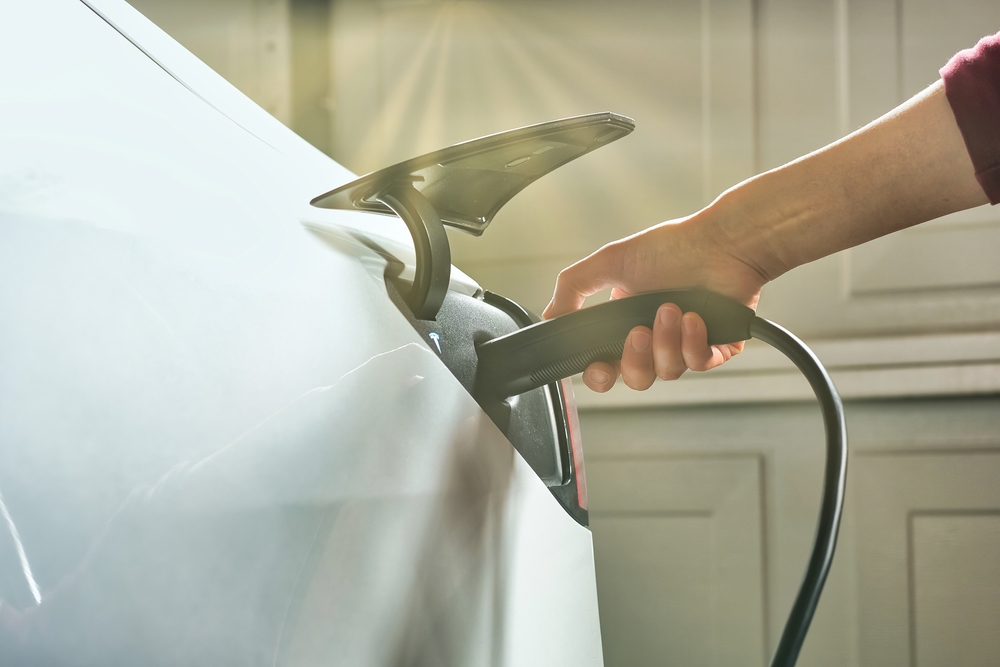
Electric vehicles use various charging connectors depending on the region, manufacturer, and charging speed. Some common standards include CHAdeMO and CCS, but not all cars support both.
This lack of a single universal plug means drivers may struggle to find compatible chargers, especially at public stations. Level 2 and fast chargers also use different plugs due to varying power requirements, adding complexity.
The inconsistency limits convenience and can cause delays, forcing some drivers to carry adapters or search specifically for compatible stations.
Inadequate signage making chargers hard to locate
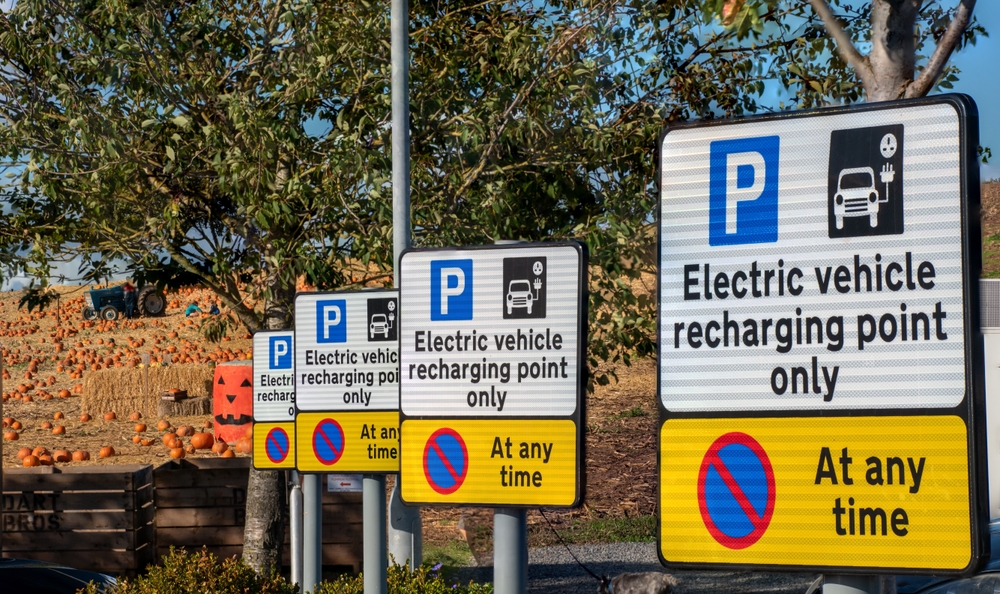
Many EV charging stations suffer from poor or insufficient signage. This makes it difficult for drivers to find chargers, especially in large parking areas.
Some signs lack clear directions or visibility, causing confusion. Without proper markers, drivers may waste time searching or unknowingly park in non-charging spaces.
Improving signage with clear symbols and lighting can significantly enhance the user experience. Proper guidance helps reduce frustration and increases charger accessibility.
Unreliable charger reservation systems
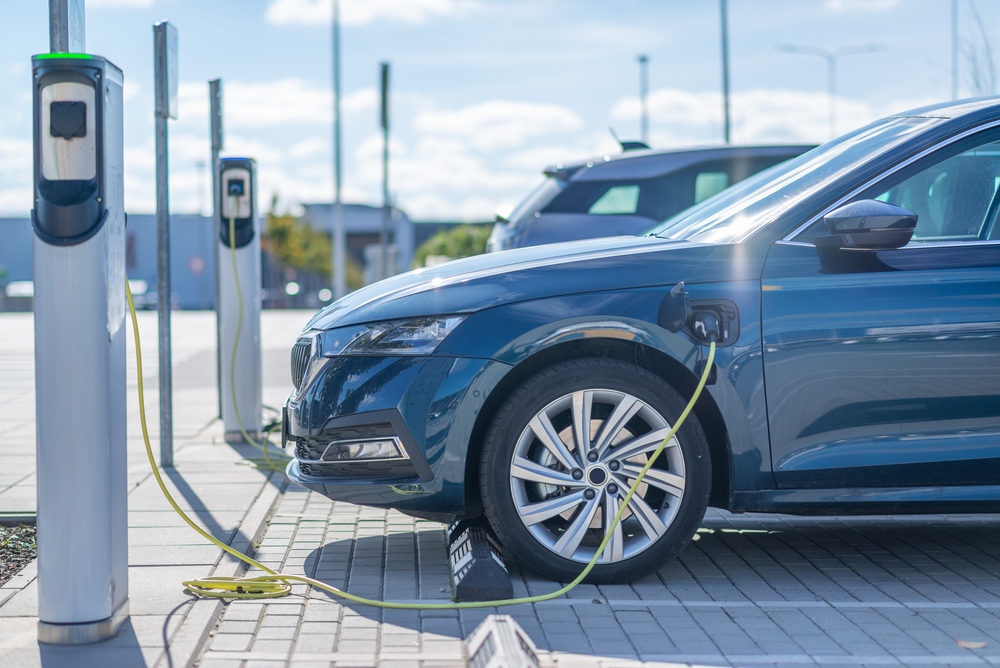
Reservation systems for EV chargers often fail to reflect real-time availability accurately. Drivers may reserve a charger only to find it occupied or out of service upon arrival.
Some apps show chargers as available when they are offline or broken, leading to wasted time and frustration. This inconsistency undermines trust in the reservation technology and complicates trip planning.
Improving communication between chargers and reservation platforms is essential to reduce these issues.
Nighttime safety concerns at isolated charging spots
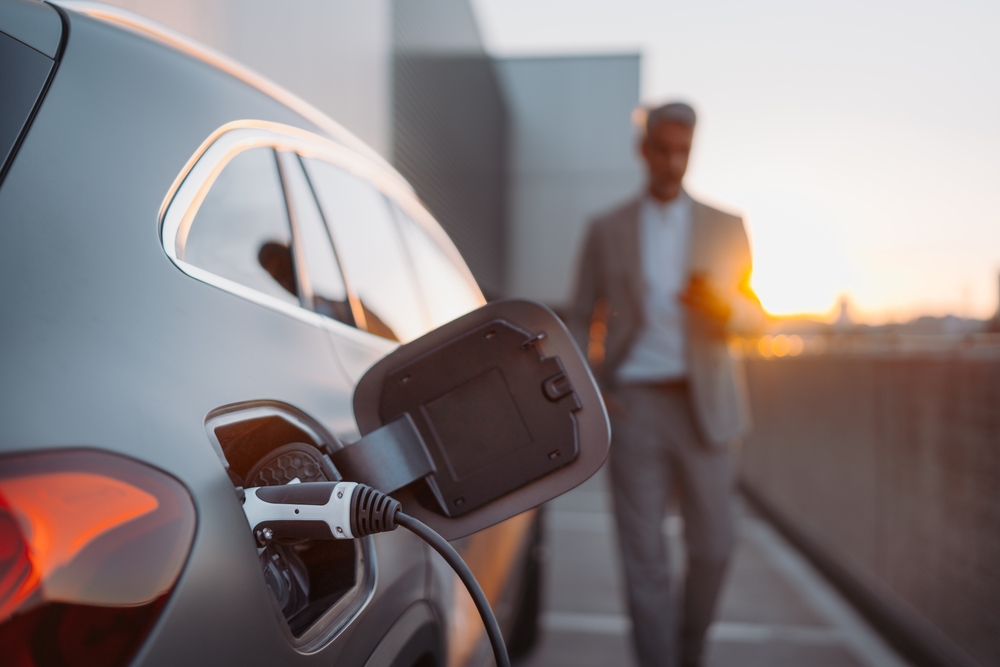
Isolated EV charging stations often lack sufficient lighting, which can create an unsafe environment after dark. Users may feel vulnerable due to limited visibility and absence of people nearby.
Some stations are located in remote areas or behind buildings, increasing the risk of personal safety issues. The lack of staff or security presence can further heighten concerns.
Well-lit, monitored, and frequently used charging locations are generally safer options for nighttime use.
Difficulty troubleshooting charging errors on the spot
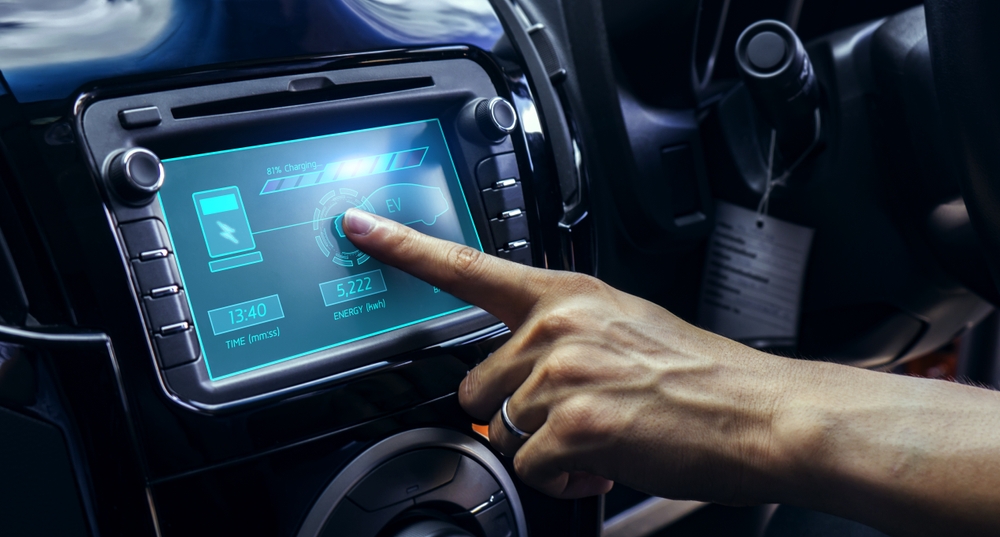
EV users often face challenges when errors occur at charging stations. Diagnostic information is usually limited or unclear, making it hard to identify the root cause quickly.
Many charging stations lack user-friendly interfaces or detailed error messages. This forces drivers to guess whether the problem stems from the car, the charger, or the software.
Without immediate technical support, users can become stranded or experience significant delays. Access to comprehensive troubleshooting guidance is generally minimal during the charging process.