


Electric vehicles (EVs) are often promoted as a cleaner alternative to traditional gasoline-powered cars. While they do offer environmental benefits, there are several factors that can make their overall impact more complex and sometimes less positive than commonly assumed.
This article explores twelve ways in which electric vehicles may contribute to environmental issues despite their green reputation. Understanding these aspects is important for a balanced view of the environmental footprint of EVs.
EV battery production emits high carbon dioxide levels

Battery manufacturing for electric vehicles generates significant carbon emissions. Producing a single EV battery requires energy-intensive mining and processing of materials like lithium, cobalt, and nickel.
This process can result in carbon dioxide emissions far exceeding those of producing comparable gasoline cars. Additionally, the environmental toll includes toxic outputs from mining and high water usage.
Electric vehicle batteries contain toxic heavy metals

Electric vehicle batteries rely on materials such as lithium, cobalt, and nickel. These metals are toxic and can pose environmental risks if not handled properly.
The extraction and processing of these metals often cause pollution and habitat damage. Additionally, if EV batteries are discarded improperly, they may release harmful substances into ecosystems.
Recycling efforts exist but are not yet widespread or fully efficient. This limits the ability to reduce the environmental impact of toxic metals in EV batteries.
Improper disposal of EV batteries pollutes ecosystems
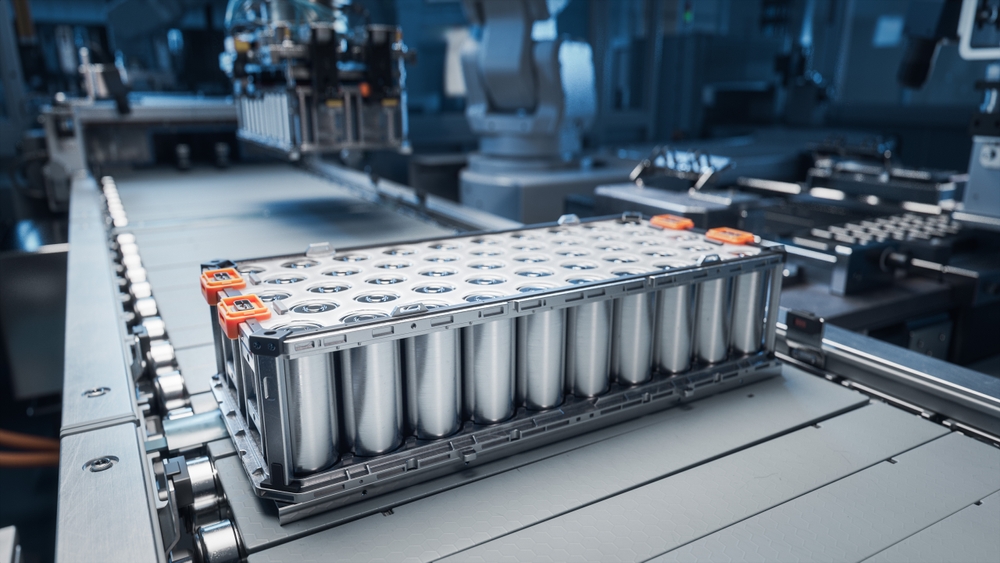
Electric vehicle batteries contain heavy metals like lithium, cobalt, and nickel, which can be toxic to the environment. When batteries are discarded improperly, these metals can leach into soil and water systems.
This contamination poses risks to wildlife and human health. Recycling rates remain low, increasing the likelihood of environmental damage. Proper battery disposal and recycling are essential to reduce these ecological hazards.
EVs are on average 30% heavier than gas cars
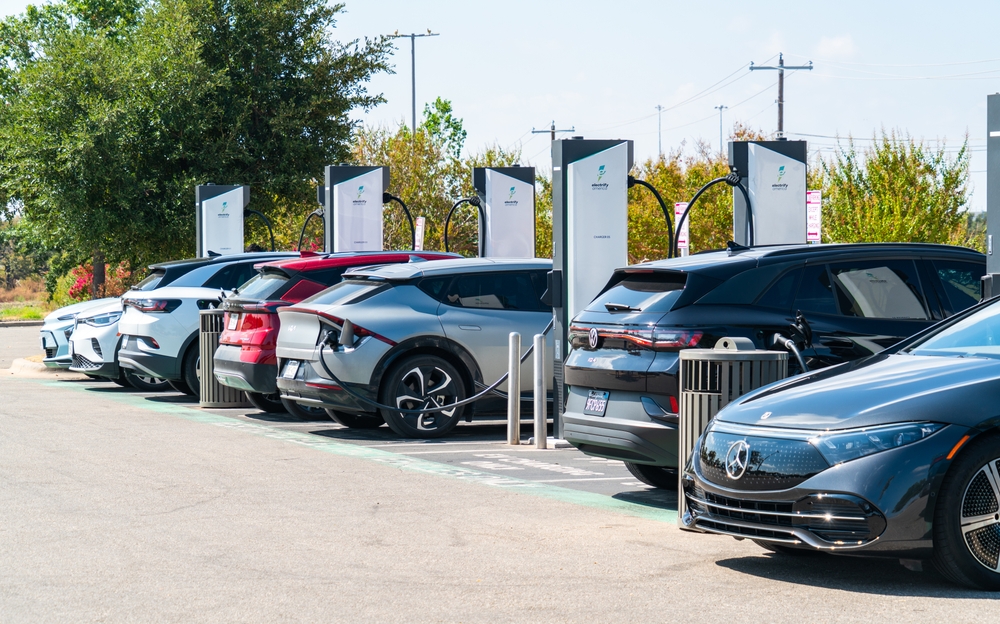
Electric vehicles (EVs) tend to be about 30% heavier than comparable gasoline cars. This increased weight mainly comes from large battery packs.
Heavier vehicles can cause faster wear on brakes and tires. This results in more frequent replacements, which may increase environmental impact through additional resource use.
However, the overall lifecycle emissions of EVs typically remain lower than those of gasoline cars despite the weight difference.
Heavier EVs cause accelerated brake wear
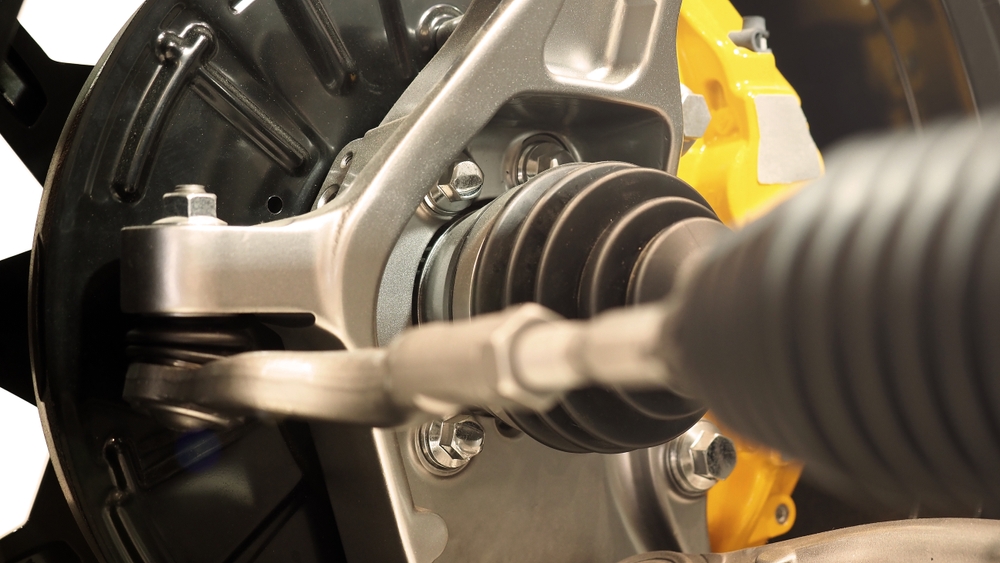
Electric vehicles tend to be heavier than traditional cars due to their large batteries. This increased weight puts more strain on braking systems.
As a result, EV brakes wear out faster, leading to more frequent replacements. Brake pads generate fine particles, which contribute to air pollution.
The additional brake wear from heavier EVs means they can emit more particulate matter than lighter petrol or diesel vehicles under similar conditions.
Increased tire wear from heavier EVs releases more microplastics
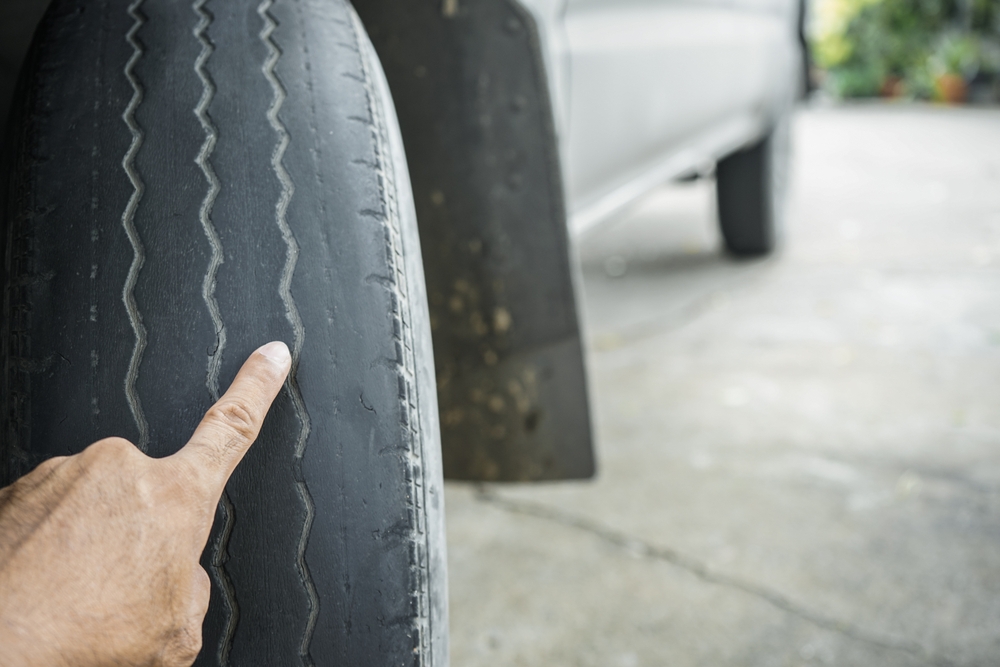
Electric vehicles (EVs) are generally heavier than conventional cars due to their large batteries. This added weight causes increased tire wear during regular driving.
As tires wear down, they release microplastics and tiny particles into the environment. These particles contribute to pollution in air, soil, and water systems.
The higher torque of EVs also accelerates tire degradation. This means EVs can emit more tire-related microplastic pollution compared to lighter petrol or diesel vehicles.
Electricity generation for EV charging can involve fossil fuels
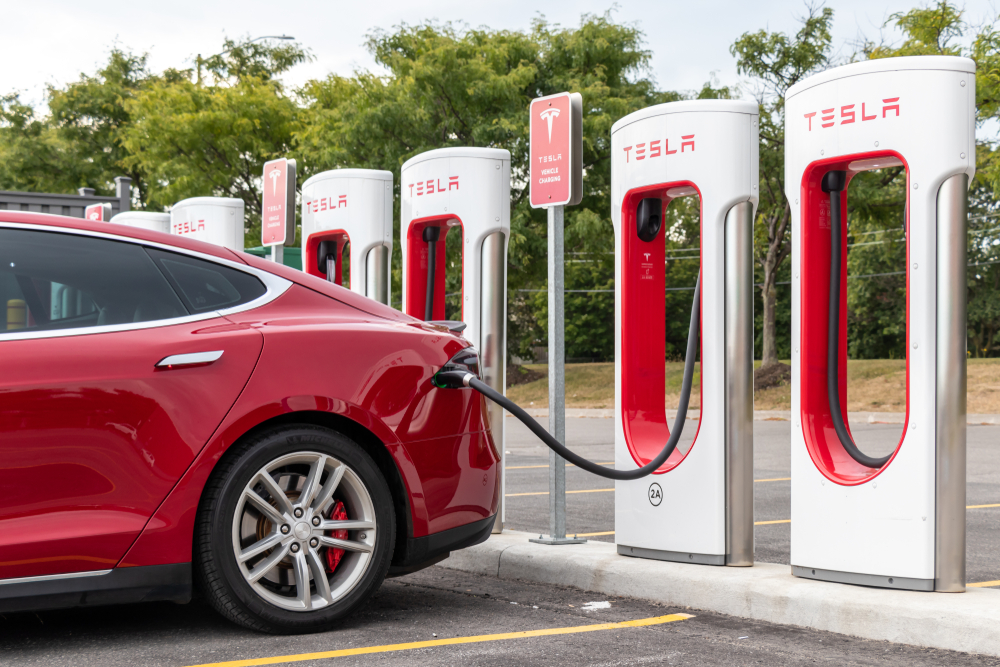
Electric vehicles require electricity for charging, which often comes from the existing power grid. In many regions, a significant portion of this electricity is generated by burning fossil fuels such as coal, natural gas, or oil.
This reliance on fossil fuels means that EVs indirectly produce greenhouse gas emissions during charging. The environmental impact depends largely on the energy mix of the local grid.
Areas with cleaner energy sources, like renewables or nuclear, reduce these emissions. However, in regions dominated by fossil fuels, the benefits of EVs for the environment are diminished.
Brake dust from EVs contains harmful particles
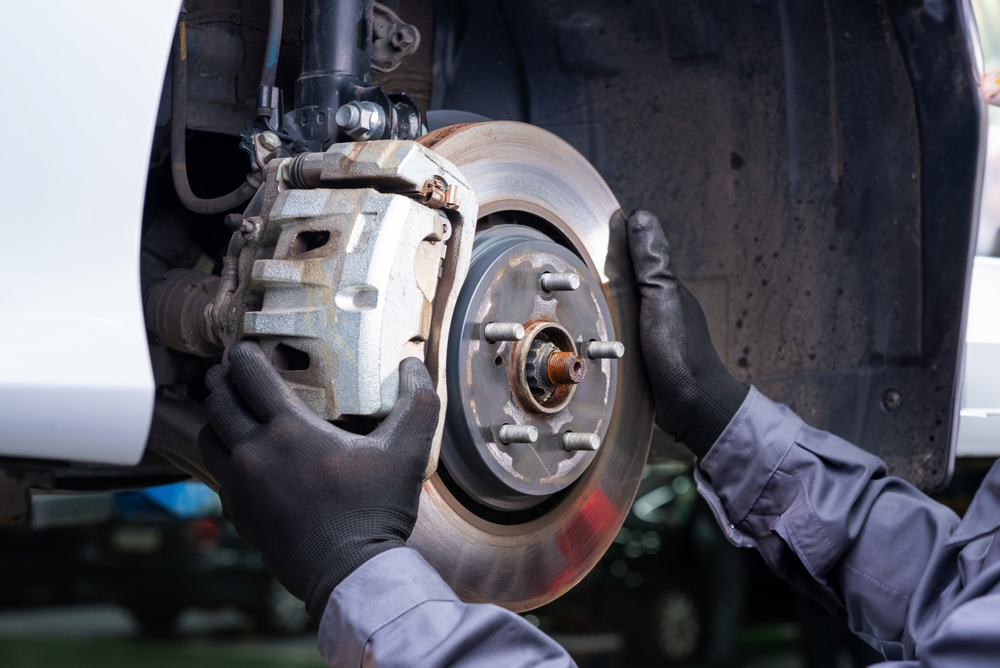
Electric vehicles produce brake dust that contains microscopic particles harmful to air quality. These particles can be more toxic than those from traditional exhaust emissions.
Because EVs are heavier, their brakes and tires generate more particulate matter through friction. This increases pollution from these sources despite the lack of tailpipe emissions.
Research shows EV brake and tire wear releases significantly higher amounts of particle pollution compared to modern combustion engine exhaust systems. These particles contribute to environmental and health concerns.
Battery replacement has significant environmental costs

Replacing an electric vehicle (EV) battery involves substantial environmental impact. Manufacturing new batteries consumes large amounts of energy and raw materials, resulting in significant carbon emissions.
The production process also requires mining for materials like lithium, cobalt, and nickel, which can cause habitat destruction and pollution.
Improper disposal of old batteries risks releasing toxic metals into ecosystems. These environmental costs make battery replacement a critical factor in an EV’s overall footprint.
Landfill leakage from EV batteries releases toxins
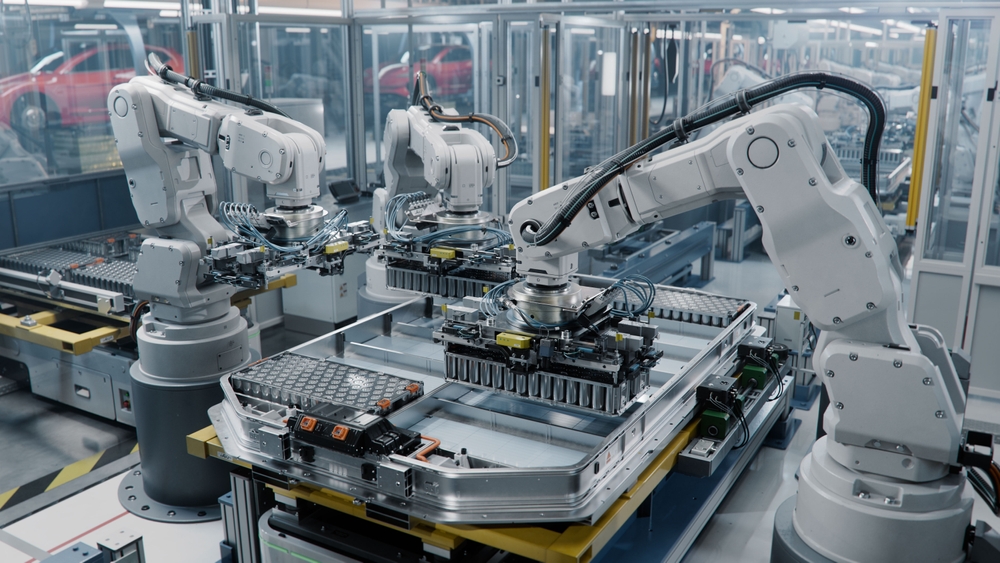
Spent electric vehicle batteries often end up in landfills. Over time, their cells can degrade, releasing toxic substances.
These toxins include heavy metals that may seep into soil and groundwater. This leakage poses risks to ecosystems and human health.
Proper recycling and disposal are necessary to limit environmental damage. However, current infrastructure is insufficient to handle the growing volume of used batteries.