

Concept cars often spark the imagination with their futuristic designs and innovative features. Many of these vehicles showcase what could be possible in the realm of automotive technology, pushing boundaries and challenging norms. While some concepts inspire awe and excitement, others are simply too ambitious to become reality.
The allure of these designs lies not just in their extravagant aesthetics but also in the ideas they represent for the future of driving. You’ll find that some of the most visually stunning concepts have faced hurdles that prevent them from hitting the streets. Whether it’s impracticality or cutting-edge technology that doesn’t yet exist, these vehicles remain a fascinating glimpse into the dreams of automotive designers.
Peugeot Oxia

The Peugeot Oxia is a striking concept car that debuted in 1988. Designed at the La Garenne research center, it aimed to challenge the world’s supercars.
With a mid-mounted 2.9-liter V6 engine, it delivered an impressive 600 horsepower. The sleek shape boasted a drag coefficient of just 0.32, showcasing advanced aerodynamics for its time.
Inside, the Oxia was loaded with futuristic features, focusing on driver experience and innovation. While it never made it to production, the Peugeot Oxia remains a memorable example of bold automotive design.
Rolls-Royce 103EX
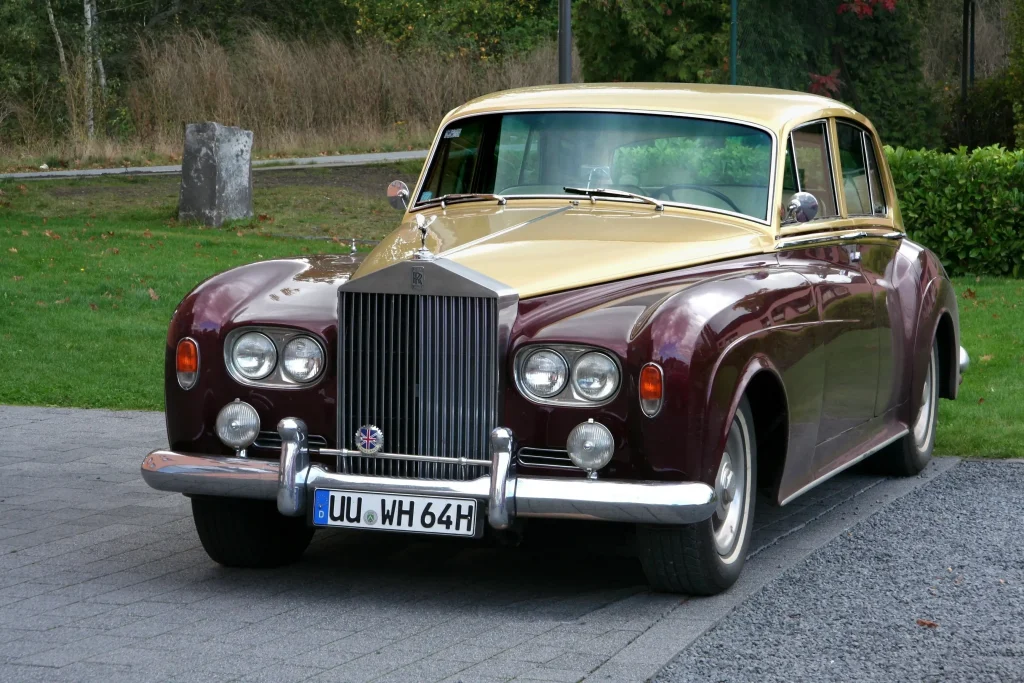
The Rolls-Royce 103EX is a striking concept that redefines luxury. It’s a massive vehicle, stretching 19.4 feet (5.9 meters) long, making it more akin to a mobile living room than a traditional car.
The design focuses on a seamless exterior that resembles a sculpture, showcasing fluid curves and a sleek profile. This concept car is also self-driving, emphasizing the future of automated luxury transport.
Inside, the cabin is designed for relaxation and opulence. While some criticize its minimalistic controls, the vision demonstrates Rolls-Royce’s ambition to innovate in luxury automotive design. The 103EX truly represents an imaginative leap into what the future may hold for car enthusiasts.
Ford Nucleon

The Ford Nucleon was a quirky concept car unveiled in 1957. It was designed to be powered by a small nuclear reactor, a bold idea for its time.
The plan was to swap the reactor every 5,000 miles. If your daily commute was 30 miles round trip, you’d need a new reactor roughly every six months.
Though it sounded innovative, the Nucleon never moved beyond the prototype stage. It remains one of those fascinating “what if” designs from the Cold War era. You can find more about its wild concept in detail on Wikipedia.
Mercedes-Benz Biome

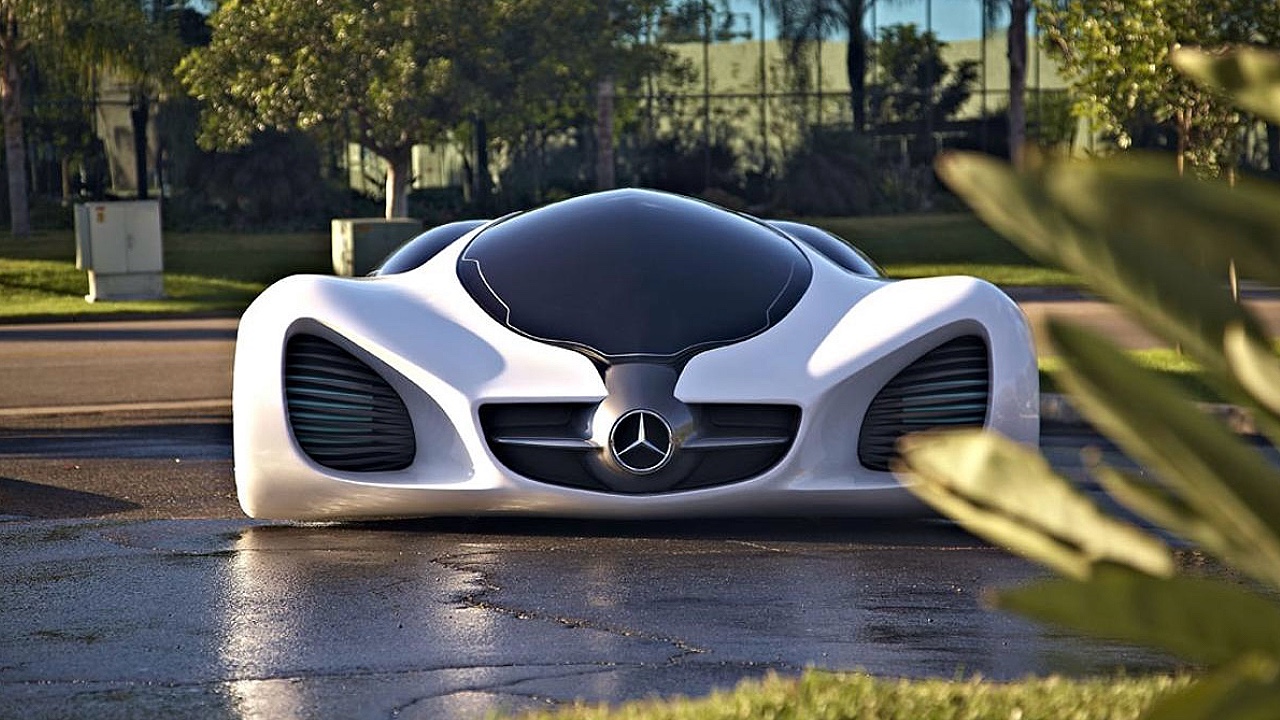
The Mercedes-Benz Biome is one of those wild concepts that really pushes the envelope. Designed for the Los Angeles Design Challenge, it showcases an ultra-lightweight structure that aims for harmony with nature.
What makes the Biome stand out? It’s constructed using advanced bio-materials and is meant to be “grown” from genetically modified seeds. Imagine a car powered by plant juice!
Its futuristic design and eco-friendly approach may be unrealistic, but it definitely gets you thinking about the future of automotive technology.
Plymouth Voyager III
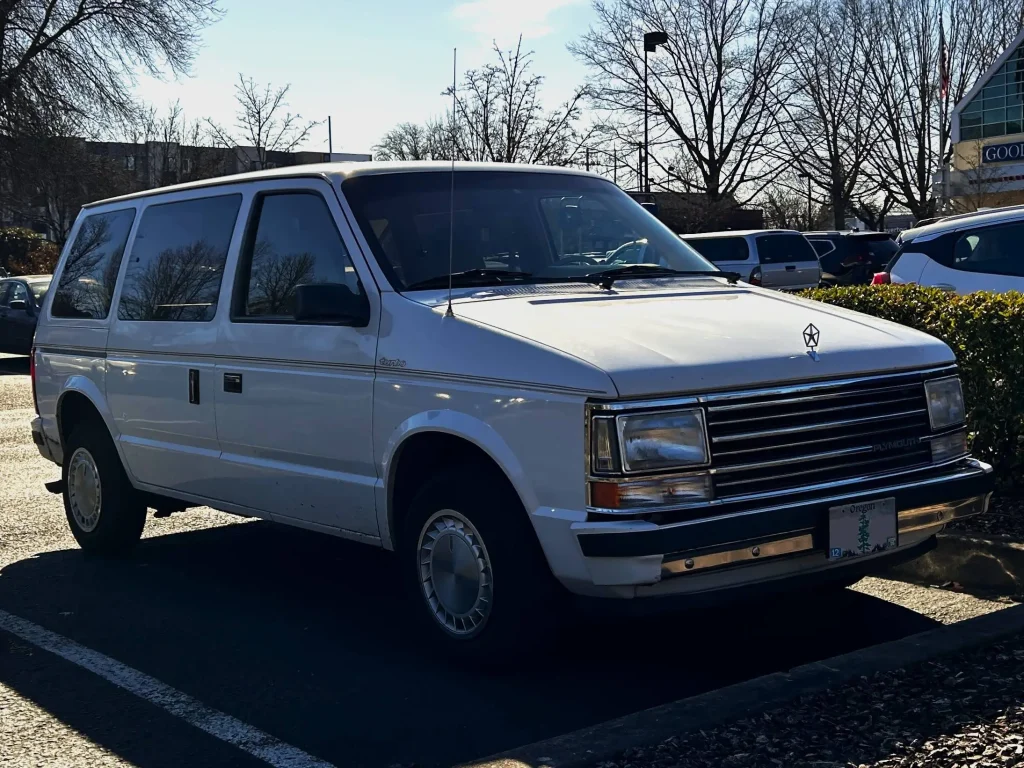
The Plymouth Voyager III was a unique concept minivan unveiled in 1989. Its design featured a detachable front cab that could separate from the main passenger area, giving it a two-in-one functionality.
This innovative minivan was showcased at the 1990 Chicago Auto Show, capturing attention with its futuristic look. Although it was never mass-produced, it remains a memorable example of 1990s automotive creativity.
Despite its cool concept, the Voyager III didn’t make it past the prototype stage, leaving enthusiasts to wonder what could have been.
The Dale
The Dale was a unique three-wheeled concept car from the 1970s. It featured an 850cc engine and could reach a top speed of 85 mph. Designed to be lightweight and efficient, it had some pretty ambitious ideas for its time.
You might find it interesting that the Dale was supposed to be a sporty vehicle, despite its unusual shape. Unfortunately, it never made it to mass production, leaving its innovative features largely unrealized.
The concept aimed at high performance and fuel efficiency, but you can see how its design was a bit ahead of its time.
Suzuki Q-Concept
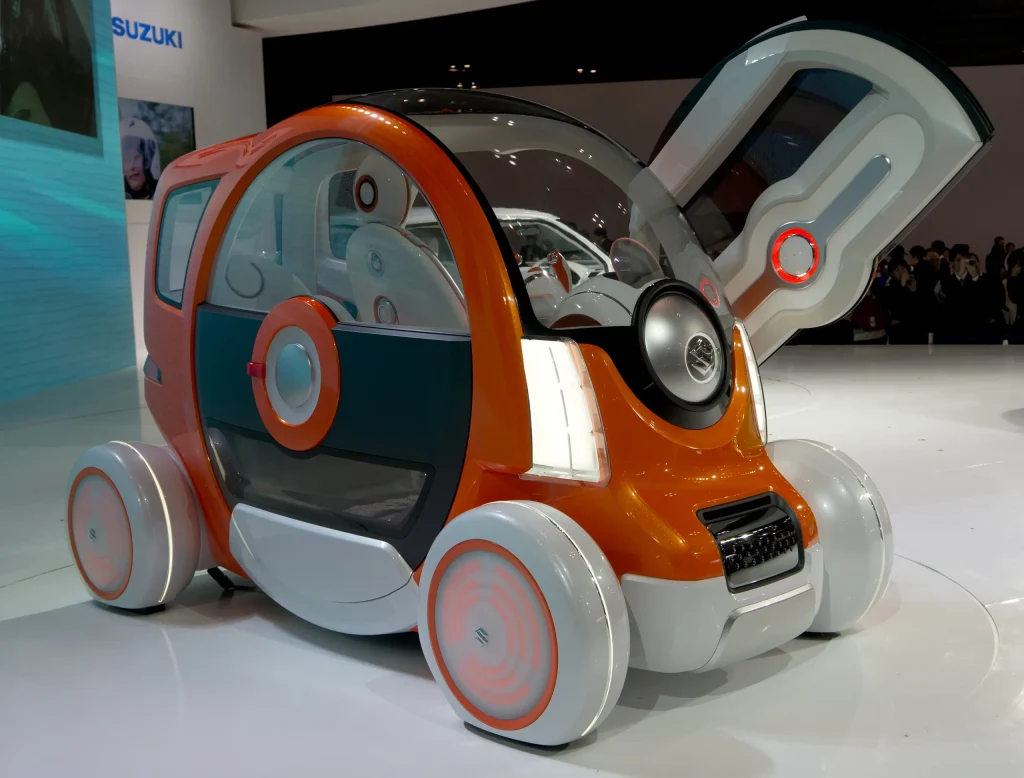
The Suzuki Q-Concept offers a fresh take on urban mobility. Designed as a tandem two-seater, it features a unique 1+1 seating layout. This compact vehicle is perfect for city driving.
With ultra-compact dimensions, the Q-Concept is all about efficiency. It’s intended for short trips, ideally within a six-mile radius. Weighing in as a lightweight option, it straddles the line between cars and motorcycles.
Think of it as your perfect city companion, combining style with practicality. Its design reflects a fun, modern approach to getting around without the bulk of traditional cars.
Mini ACV30
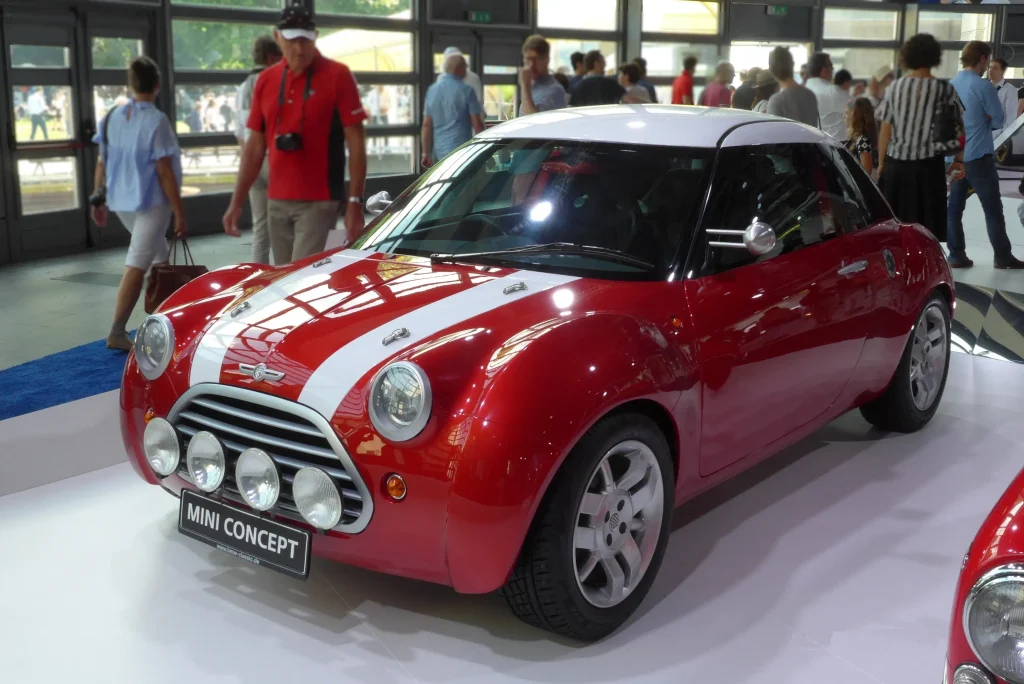
The Mini ACV30 is a bold concept car that emerged in the late ’90s. Designed to celebrate 30 years of the Monte Carlo Rally, it features a striking mid-engine layout.
You’ll notice its unique cantilevered door design, which is not only eye-catching but also adds functionality.
While it was a nod to the retro style of the original Mini, it pushed boundaries with its carbon spaceframe and futuristic aesthetics.
Sadly, this exciting design didn’t make it to production, remaining a tantalizing “what if” in automotive history.
Mini Spiritual
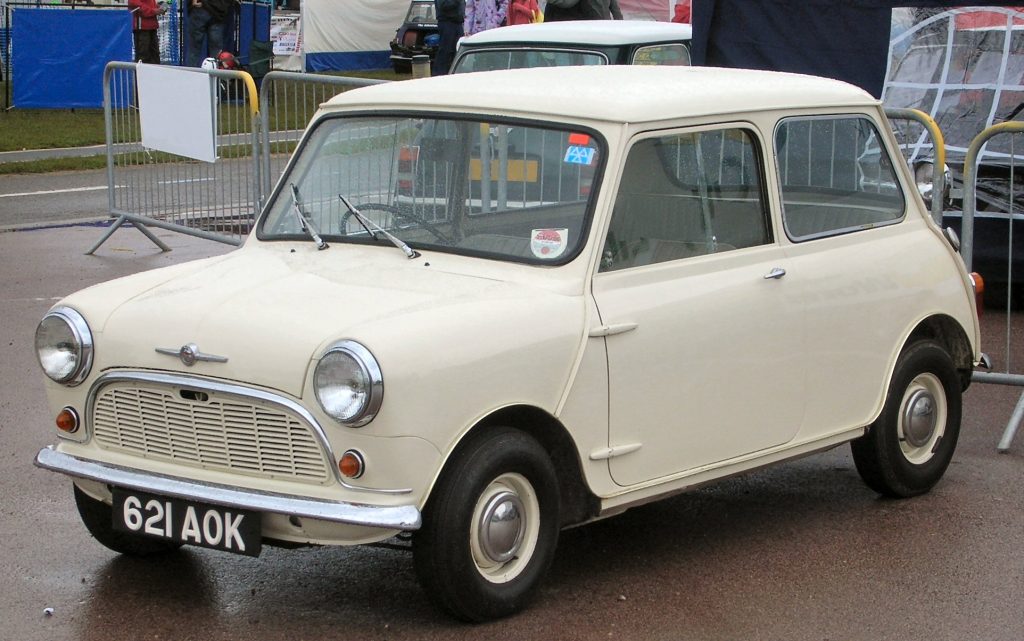
The Mini Spiritual concept car captured attention with its unique design and playful aesthetic. It featured a compact body that was both stylish and practical for city driving.
With a focus on eco-friendliness, it aimed to showcase sustainable materials and innovative technologies. You’d notice its vibrant colors and quirky details that set it apart from traditional Mini models.
Though it was never mass-produced, the Mini Spiritual offered a glimpse into what urban mobility could look like. Its charm and design definitely generated buzz among car enthusiasts and casual drivers alike.
Volkswagen Space Up
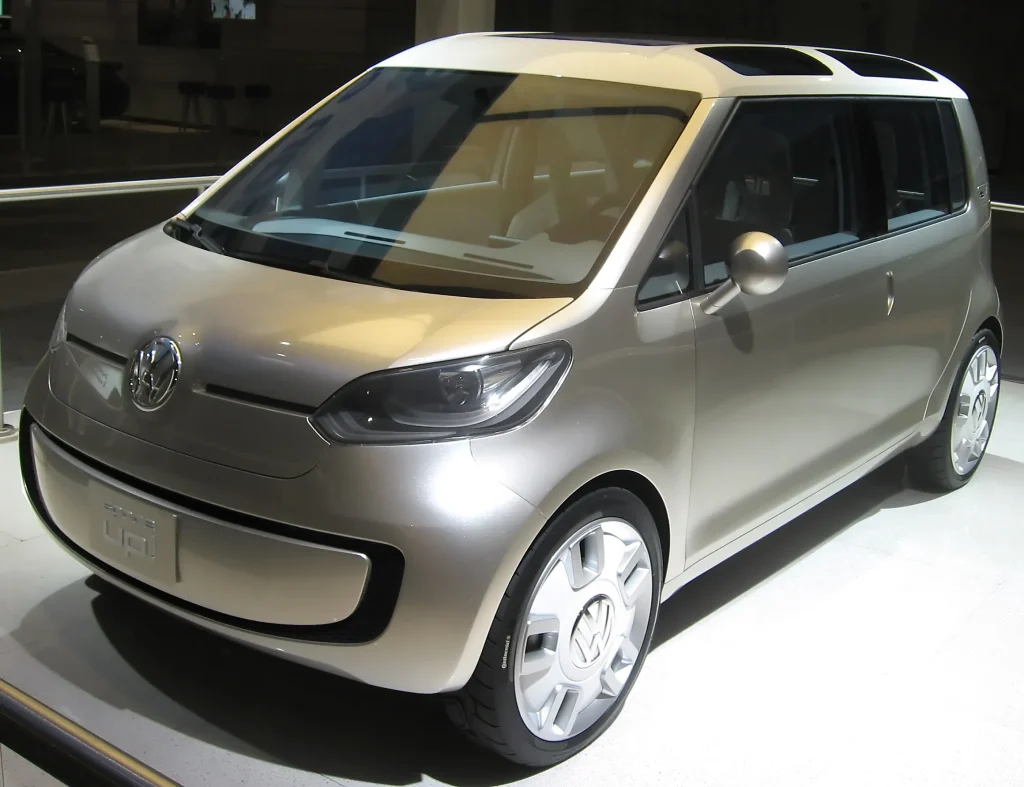
The Volkswagen Space Up! is a concept that really stands out. With a minivan layout, it features four doors and seats for four passengers.
Its total length is under 4 meters, making it compact and practical. This design focuses on maximizing interior space while maintaining a youthful vibe.
The innovative features and unique styling may have seemed a bit ahead of its time, but it’s an interesting look at what could have been in urban mobility.
Mercedes-Benz Vision Tokyo

The Mercedes-Benz Vision Tokyo is a futuristic concept car designed for urban living. It features a sleek, monolithic structure that reflects modern design trends.
This autonomous vehicle targets young, urban trendsetters, making it feel like a lounge on wheels. With its spacious interior, you can relax as the car navigates through city traffic.
Equipped with advanced technology, the Vision Tokyo represents a step toward autonomous driving while addressing the needs of a new generation. The unique style and innovative features make it a standout in the world of concept cars.
Dodge Super8 Hemi
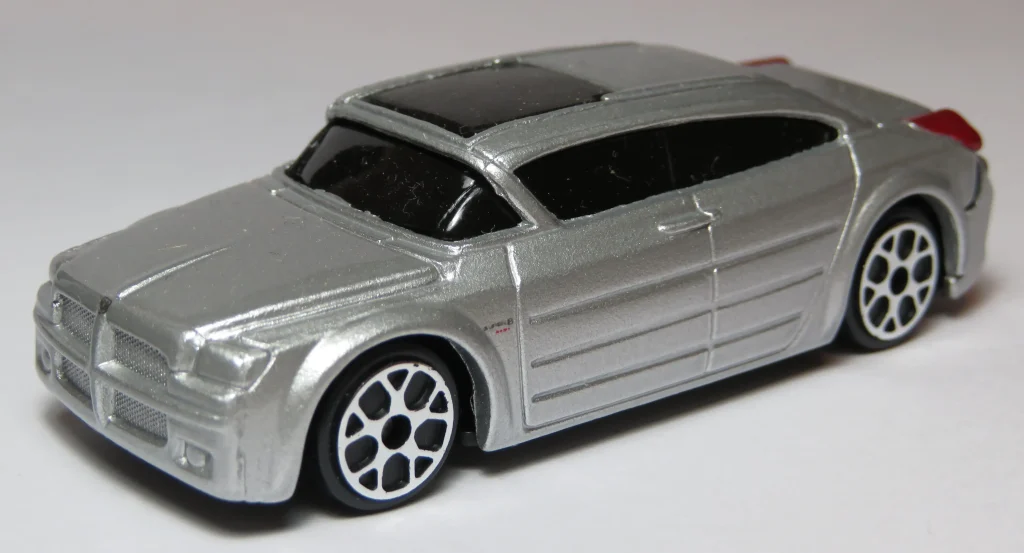
The Dodge Super8 Hemi is a fascinating concept car introduced in 2001. It showcased a retro design inspired by the 1950s while incorporating modern technology.
With a powerful Hemi V8 engine, this rear-drive sedan aimed to blend classic styling with contemporary performance. Its unique look sparked debate among car enthusiasts, with opinions split on its bold design choices.
You might find its old-school window line and aggressive stance appealing. While it never made it to production, the Super8 Hemi remains a memorable piece of automotive history. The concept illuminated potential directions for future Dodge models, influencing designs for years to come.
General Motors Firebird

The General Motors Firebird series is a collection of striking concept cars that turned heads in the 1950s. You might find it fascinating that these prototypes were showcased at the Motorama auto shows in 1953, 1956, and 1959.
The Firebird III, introduced in 1958, was particularly innovative. It featured a gas turbine engine, something quite futuristic for its time. Harley Earl, who designed these cars, really pushed the boundaries of automotive design.
These prototypes still resonate with car enthusiasts today, often seen as a bold vision of what cars could become. The Firebird series remains a symbol of creativity and ambition in automotive history.