


Electric cars have a fascinating history that dates back much further than you might think. While many people associate electric vehicles with recent technological advancements, the truth is that some early models hit the market well over a century ago. Understanding the reasons behind their failures can shed light on the challenges that innovators faced in a rapidly changing automotive landscape.
As you explore the stories of these early electric cars, you’ll discover a mix of ambition and misfortune. These failed attempts not only highlight the hurdles in the evolution of electric vehicles but also illustrate how the automotive industry has evolved over time. With each setback, valuable lessons were learned that paved the way for today’s thriving electric car market.
Waverly Model 22 (1901)
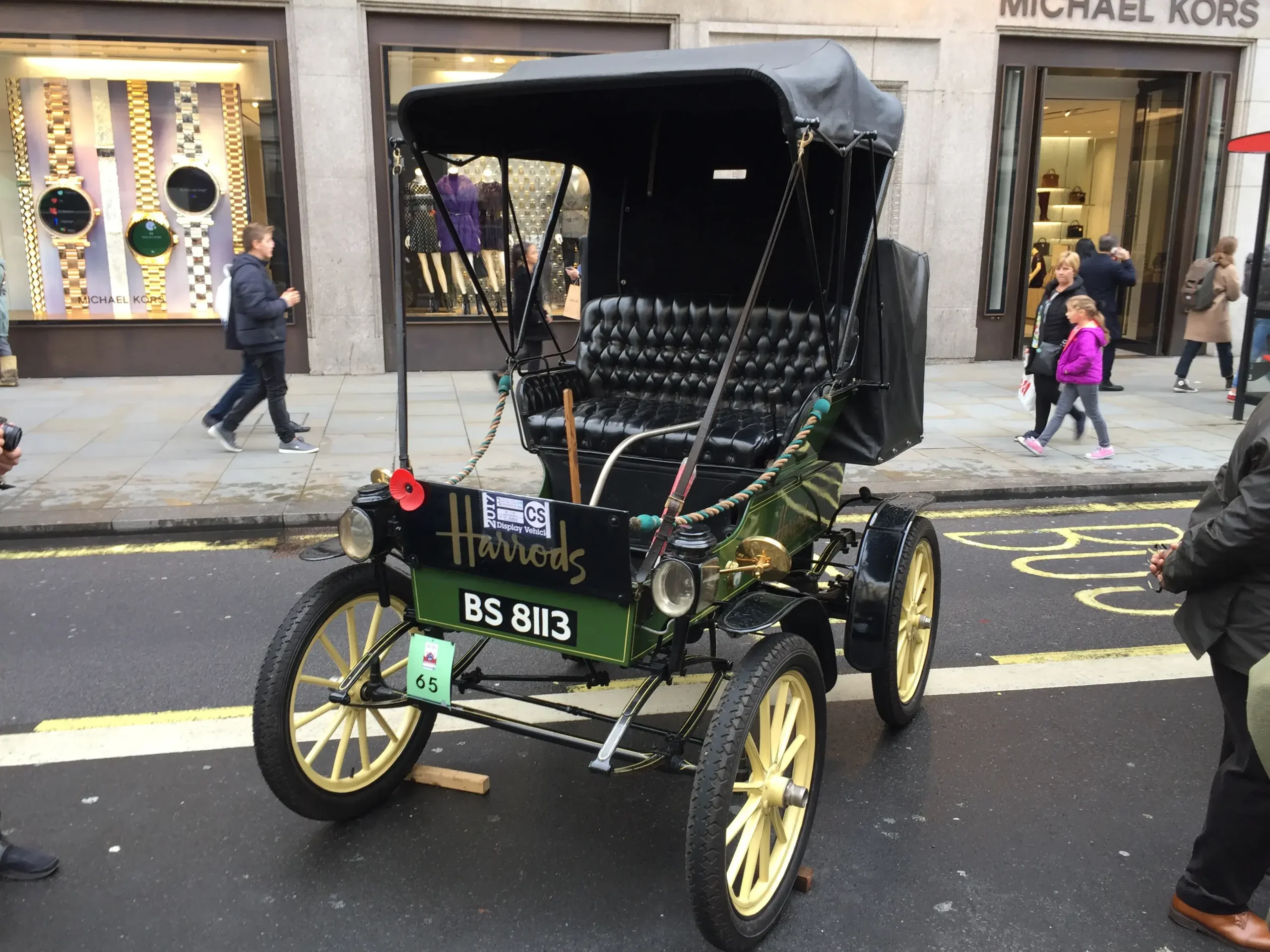
The Waverly Model 22, produced in 1901, is one of the earliest electric cars you can find. It was designed as a runabout, showcasing a compact and charming appeal.
This model featured a lightweight design, weighing around 1,200 pounds. It could reach speeds of about 20 miles per hour, which was impressive for its time.
While it was innovative, the Waverly struggled to compete with gasoline-powered cars. The limited range and availability of charging stations led to its decline.
You can see this historic vehicle in action in videos, such as those from the Fully Charged Show.
Detroit Electric Model 47

The Detroit Electric Model 47 is one of the classic attempts to create a viable electric vehicle in the early 20th century. Produced from 1914 to 1925, it offered a smooth ride and a range of about 70 miles on a full charge.
With a price tag of around $2,000, it attracted affluent buyers who preferred quiet, emission-free travel. You’d find it favored by celebrities and even some industrial tycoons of the time.
Despite its popularity with a niche audience, it couldn’t keep up with the rising demand for gasoline-powered cars, leading to its eventual decline in production. Only about 3,000 units were built, a testament to both its charm and the challenges of the market it faced.
Baker Electric Car
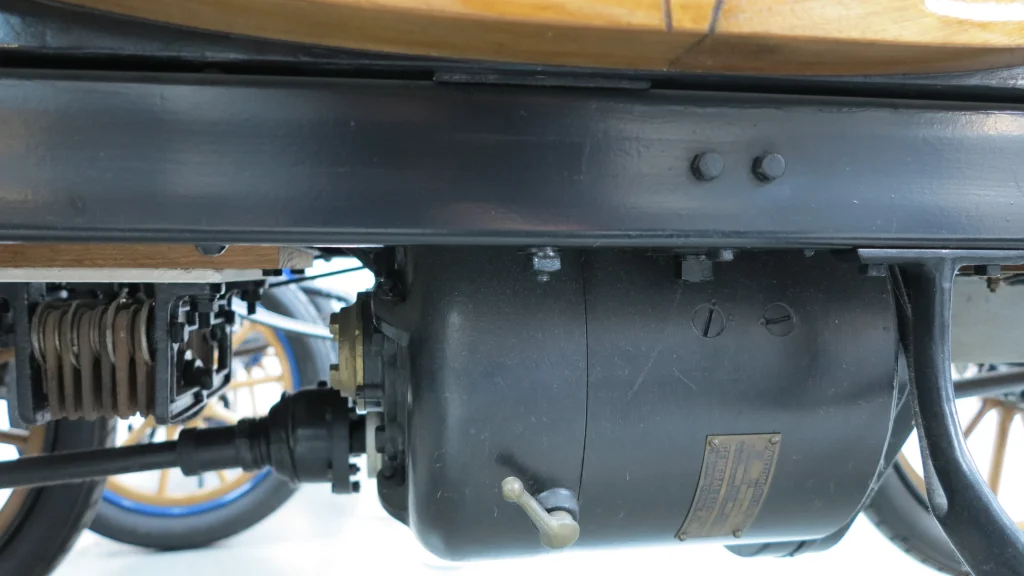
The Baker Electric Car was one of the early players in the electric vehicle market, popular during the 1900s. It boasted a range of about 30 to 40 miles on a single charge, which was quite impressive back then.
Baker Electric cars were known for their reliability and ease of use. They appealed mainly to a wealthy clientele, including notable figures like Thomas Edison.
Despite its innovative design and features, the company struggled to compete with gas-powered vehicles. By the 1920s, the rise of internal combustion engines ultimately led to the decline of the Baker Electric Car.
Columbia Electric Runabout
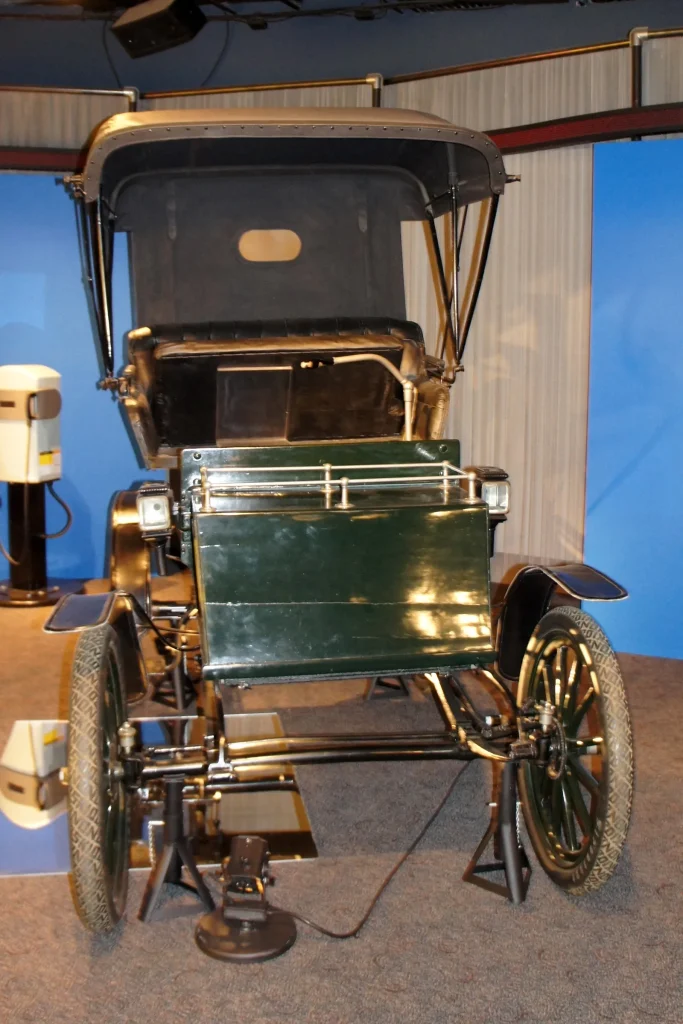
The Columbia Electric Runabout was an early electric vehicle introduced in 1903. You’d find it charming with its two-tone dark finish and retro design.
This runabout was one of the first commercially successful electric cars. It was priced at $850, which was more than many gasoline cars of the time.
Its simple design resembled a horseless carriage and was steered using a tiller. Despite its appeal, the Columbia Electric Runabout eventually lost traction in the face of gasoline-powered vehicles.
Fritchle Electric
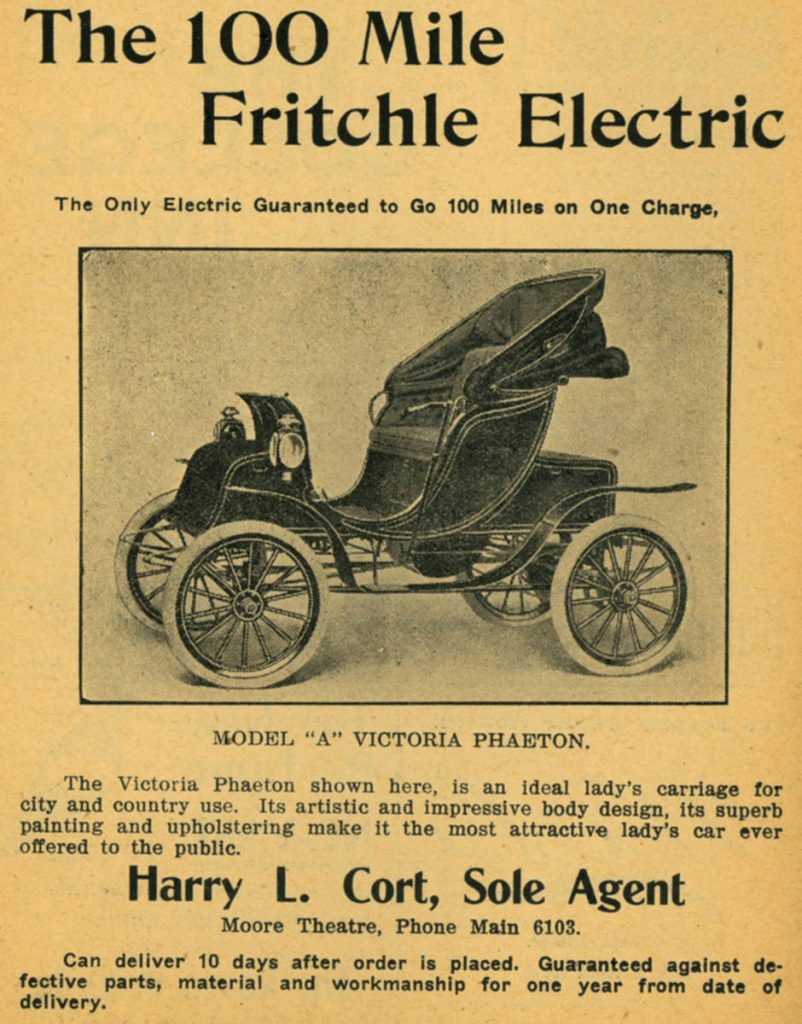
The Fritchle Electric was a product of innovation back in the early 1900s. Fritchle, a chemist and electrical engineer, aimed to create a more efficient electric vehicle after his experience as an auto repairman.
In 1914, the vehicle gained attention for being quiet and easy to drive, appealing to those looking for alternatives to gasoline cars. Despite its promising features, only a handful were produced.
The combination of high production costs and competition from gasoline-powered vehicles ultimately led to its demise. It serves as a reminder of the early challenges electric cars faced in gaining traction in the automotive market.
General Motors EV1
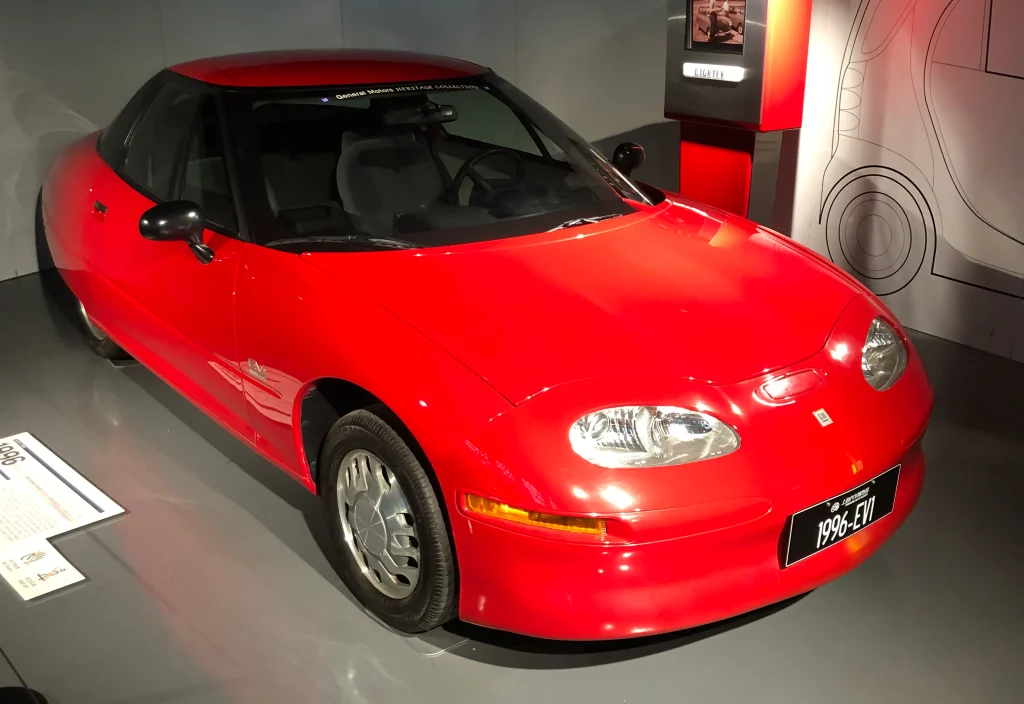
The General Motors EV1 was one of the first mass-produced electric cars, introduced in 1996. It featured a sleek design and could travel about 70 to 100 miles on a single charge.
Despite its innovative technology, the EV1 faced challenges. GM pulled the plug in 2003, citing high production costs and lack of consumer demand. Many of the 1,117 units produced were destroyed, with only about 40 donated to museums.
You might find it interesting that the EV1 had around 2,000 unique parts, making repair and replacement tough. The legacy of the EV1 still sparks conversations about electric vehicle innovation and environmental impact.
Henney Kilowatt
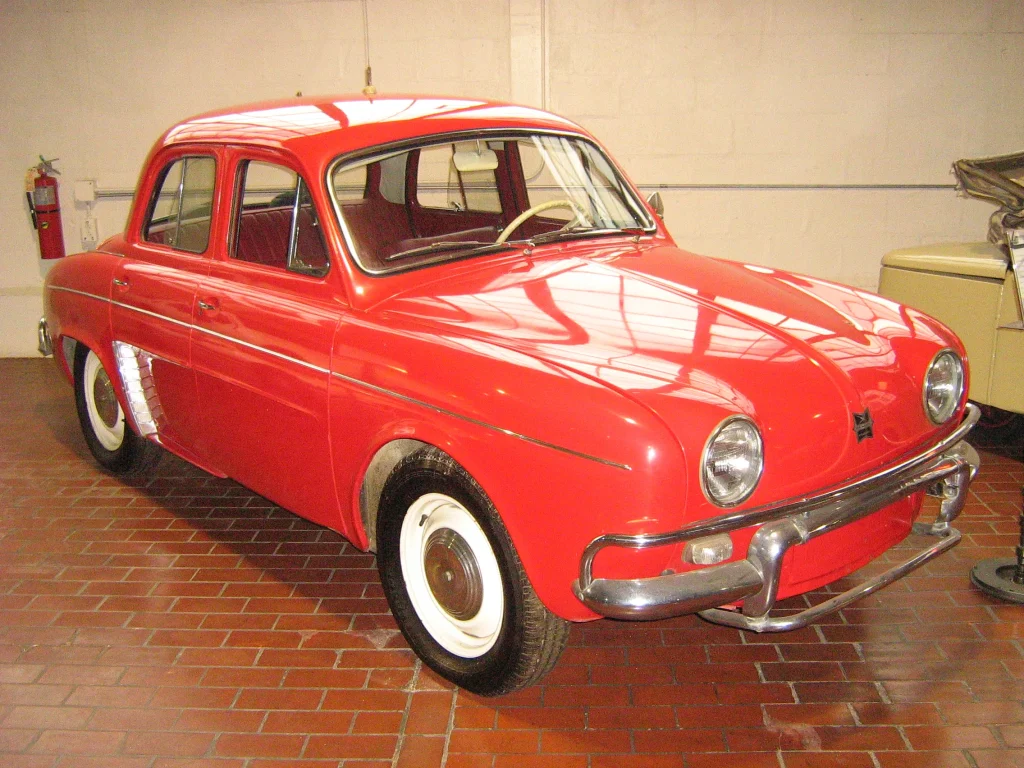
The Henney Kilowatt hit the scene in 1959 as one of the first American electric cars. It was based on the Willys Jeep, but only about 100 chassis were produced, with just 47 reaching buyers.
Its biggest issue was the lack of a proper distribution and sales network. Despite being innovative, this limited availability contributed to its demise. Selling for around $3,500, its electric range was only about 60 miles, making it a tough sell for everyday use.
Zachary T. Pasis Electric
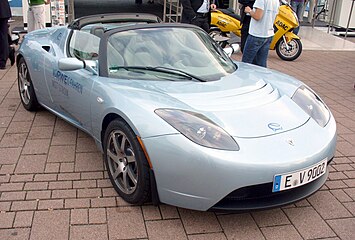
The Zachary T. Pasis Electric was an ambitious attempt to make a mark in the early electric vehicle scene. Introduced in the late 1890s, it sought to provide an alternative to gasoline-powered cars.
This electric vehicle featured a unique design and was touted for its quiet operation. Unfortunately, it struggled with performance and range issues, which limited its appeal.
Production halted after a few units as it couldn’t compete with more established models. Despite its shortcomings, it serves as an interesting footnote in the history of electric vehicles.
Milburn Electric
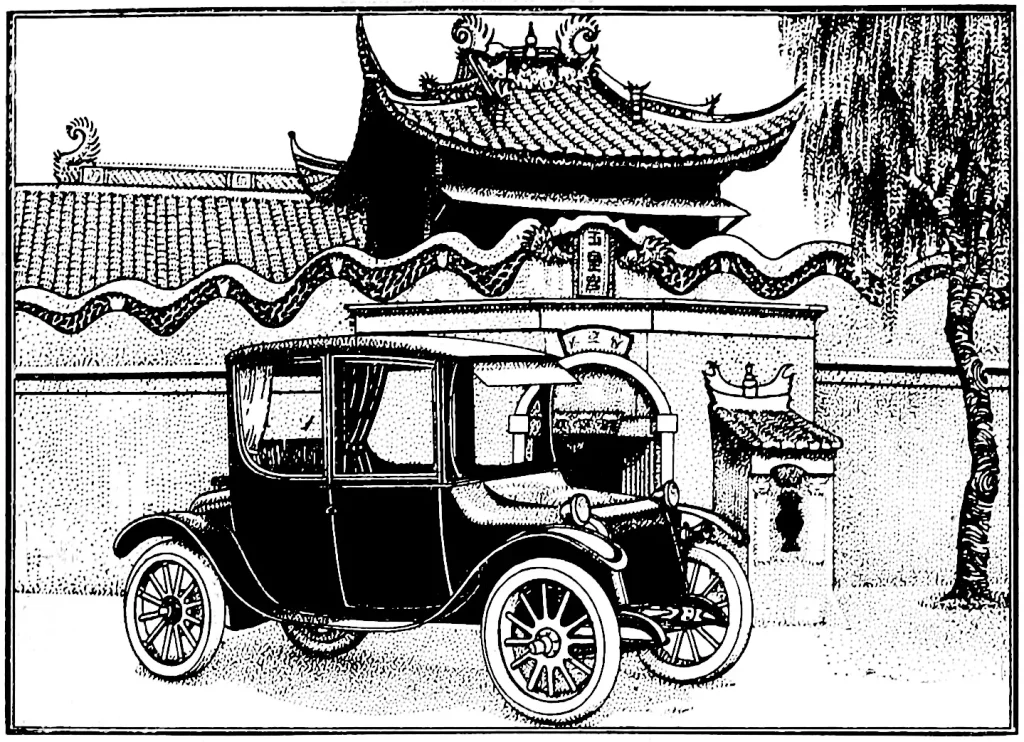
Milburn Electric was one of the notable players in the early electric car market, starting way back in 1917. They gained traction by offering light, reasonably priced electric automobiles, making them accessible to a broader audience.
Interestingly, their cars were quite popular during their time due to their lightweight design. Despite this, they struggled to compete with gasoline-powered vehicles as the industry evolved.
Ultimately, Milburn Electric became a part of automotive history, showcasing both the promise and challenges of electric mobility in the early 20th century.
Lead-acid Battery Cars
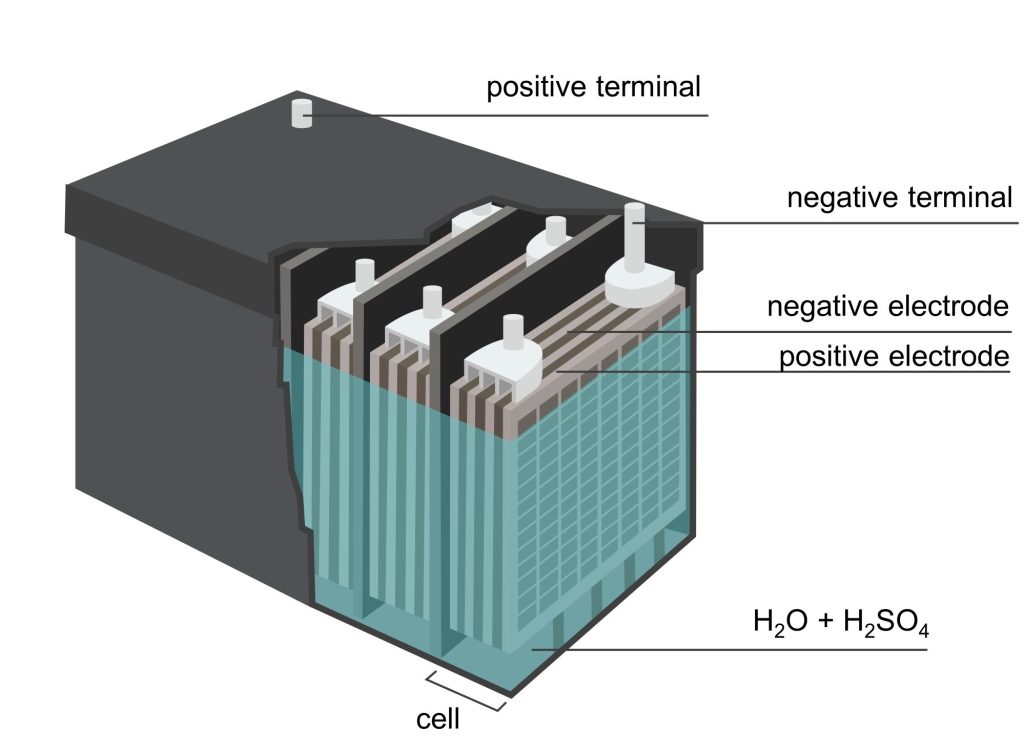
Lead-acid batteries were among the first types of batteries used in electric vehicles. They date back to the 19th century and provided a practical way to store electricity for on-the-go use.
While popular initially, they had limitations. These batteries were heavy and only offered a limited range—often around 30 to 50 miles on a single charge.
Many early electric cars, like the 1901 Waverly Model 22, relied on lead-acid batteries. Unfortunately, their short lifespan and inefficient performance made them less appealing as technology advanced.
Today, lead-acid batteries still exist but are mostly used in smaller applications, like golf carts or backup power systems, rather than mainstream electric vehicles.
Coda Automotive
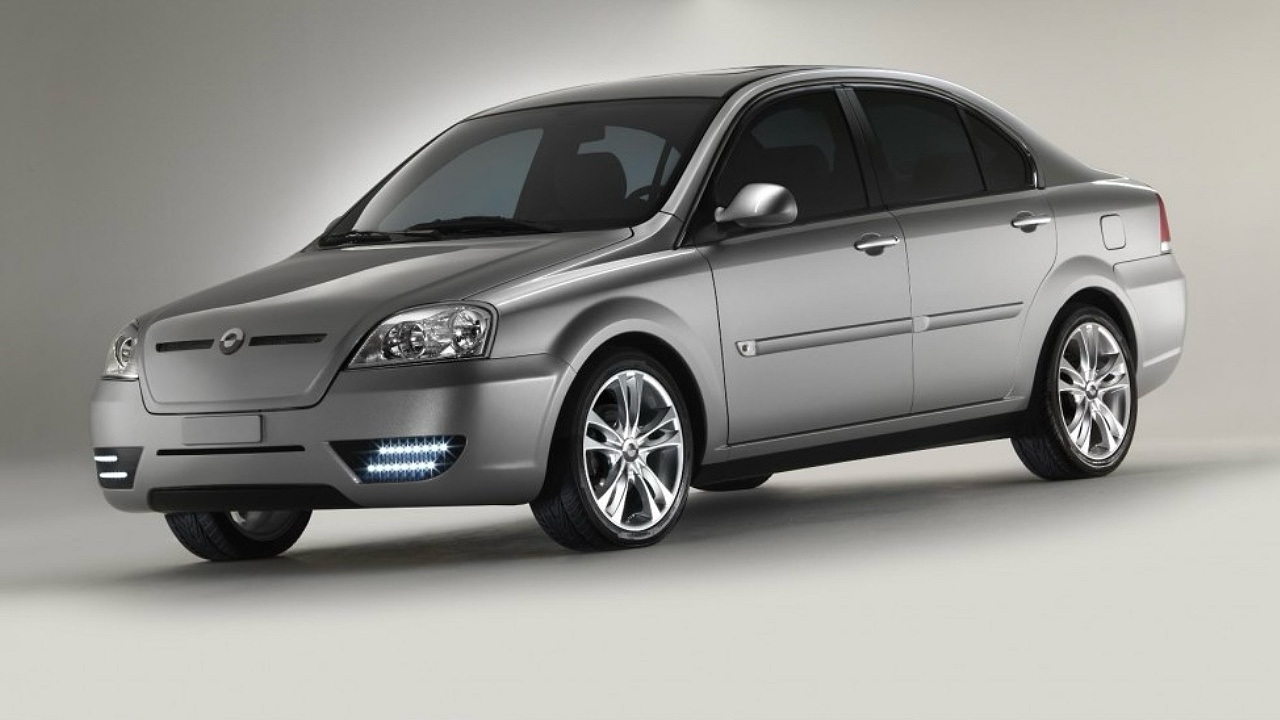
Coda Automotive was an ambitious player in the electric vehicle market. Founded in 2009, it aimed to produce an all-electric sedan that would take on the competition.
Unfortunately, the company went bankrupt in May 2013, just a year after its launch. Only about 117 units of the Coda sedan ever reached customers.
Many factors contributed to its failure, including limited funding and a lack of consumer interest. The car was often seen as unexciting and uninspired compared to competitors like Tesla.
Today, Coda’s legacy serves as a reminder of the challenges in the evolving EV landscape. You can read more about its rise and fall here.
Aptera Motors
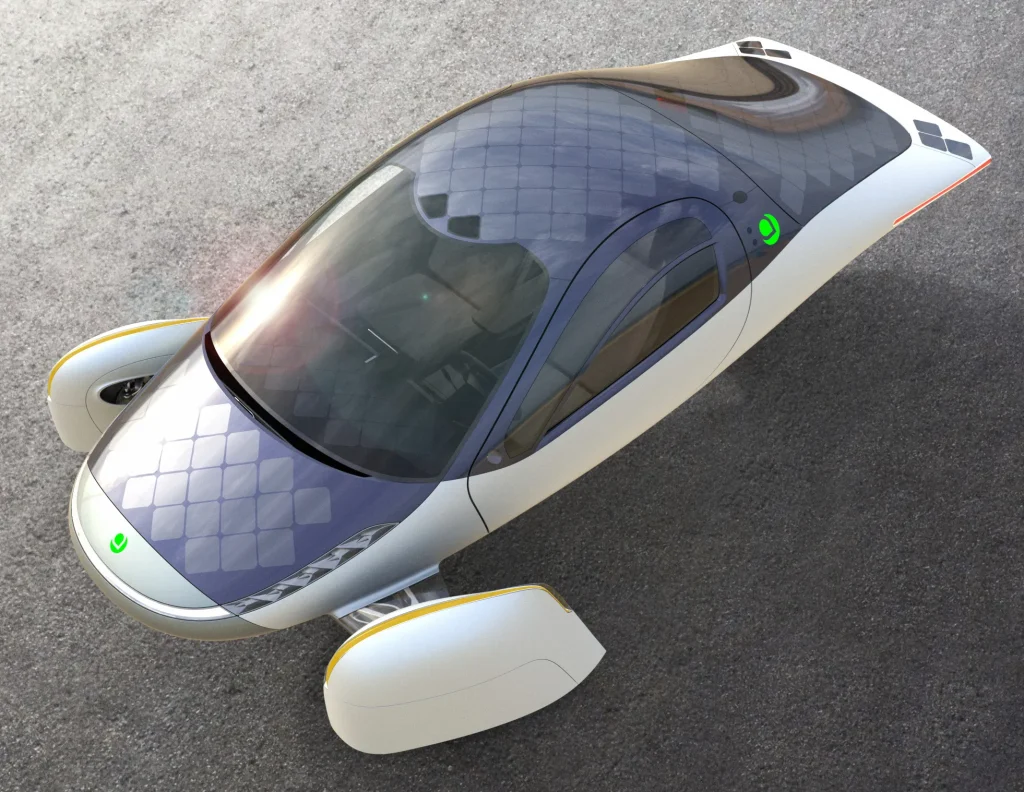
Aptera Motors was founded in 2005 with a vision to create a super-efficient three-wheel electric car. Their first model, the Aptera 2e, promised an impressive range of up to 100 miles per charge.
Despite its innovative design, the company faced significant hurdles in funding and production. By 2011, Aptera Motors ultimately shut down, unable to secure the necessary support to bring their vision to life.
Fast forward to recent years, and Aptera is making a comeback. They aim to deliver sleek, efficient vehicles, showing that sometimes failures can lead to new beginnings.
Bright Automotive
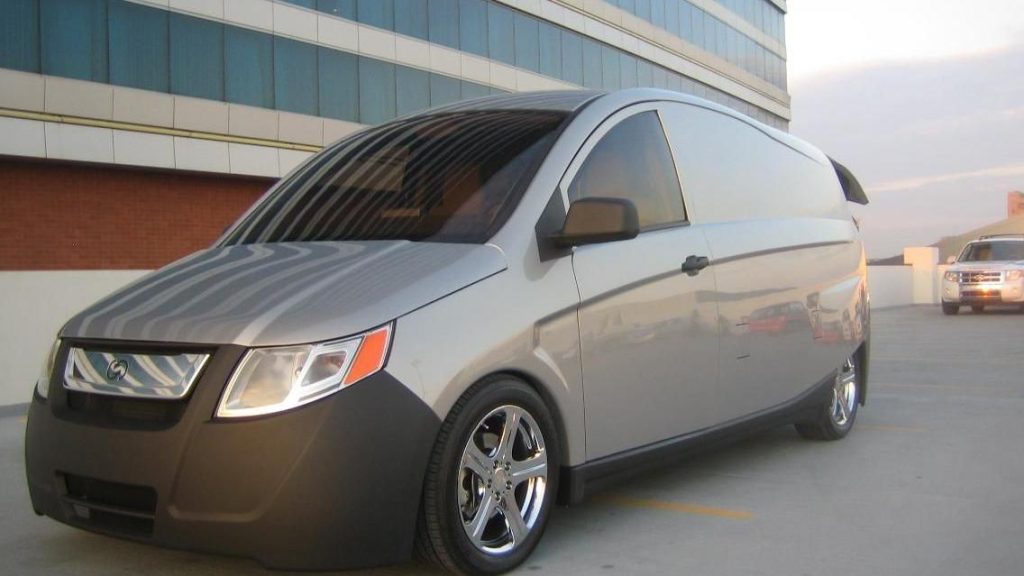
Bright Automotive was a startup based in Indiana that aimed to create efficient plug-in electric vehicles. Founded in 2008, it promised innovative designs but struggled to secure funding.
In 2012, Bright shut down after failing to obtain a low-interest loan from the Department of Energy. They had actually received $5 million in financing but couldn’t turn that into sustainable growth.
Despite their vision, the company couldn’t compete in the challenging EV market. Bright Automotive serves as a reminder of the hurdles that early electric vehicle manufacturers faced.