

The 1980s was a transformative era for sports cars, particularly in Europe, where innovation and performance took center stage. With manufacturers pushing the limits of design and engineering, you saw some of the most iconic vehicles define the landscape of automotive culture. These sports cars not only showcased speed and style but also set the foundation for the performance vehicles we admire today.
From the racetracks to the highways, you couldn’t help but notice how these European machines captured the hearts of enthusiasts around the globe. They embodied a spirit of freedom and excitement that resonated with a generation looking for adventure and luxury. As we dive into this topic, you’ll discover what made these cars truly legendary and their lasting impact on the automotive world.
Ferrari Testarossa
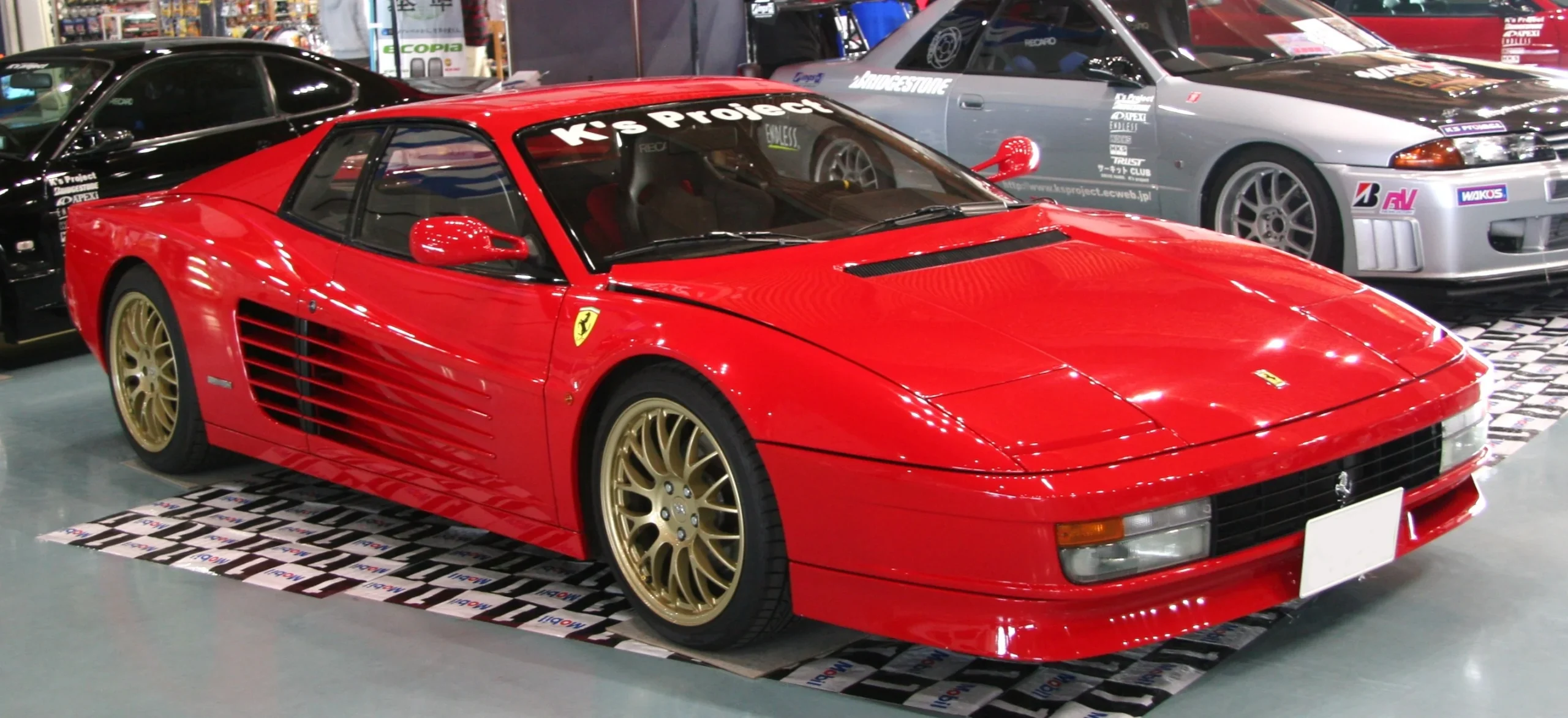
The Ferrari Testarossa is an iconic supercar that defined the 1980s. Launched in 1984, it quickly became a symbol of luxury and speed. With a top speed of around 180 mph, it was one of the fastest production cars of its time.
Equipped with a 4.9-liter flat-12 engine, it produced 390 horsepower. This powerhouse allowed you to feel the thrill of acceleration like never before. The Testarossa’s unique design featured wide side strakes and a low profile that captivated car enthusiasts everywhere.
You might recognize it from popular culture, especially in TV shows like “Miami Vice.” With its striking looks and impressive performance, the Testarossa remains a legendary piece of automotive history.
Porsche 911 Turbo (930)
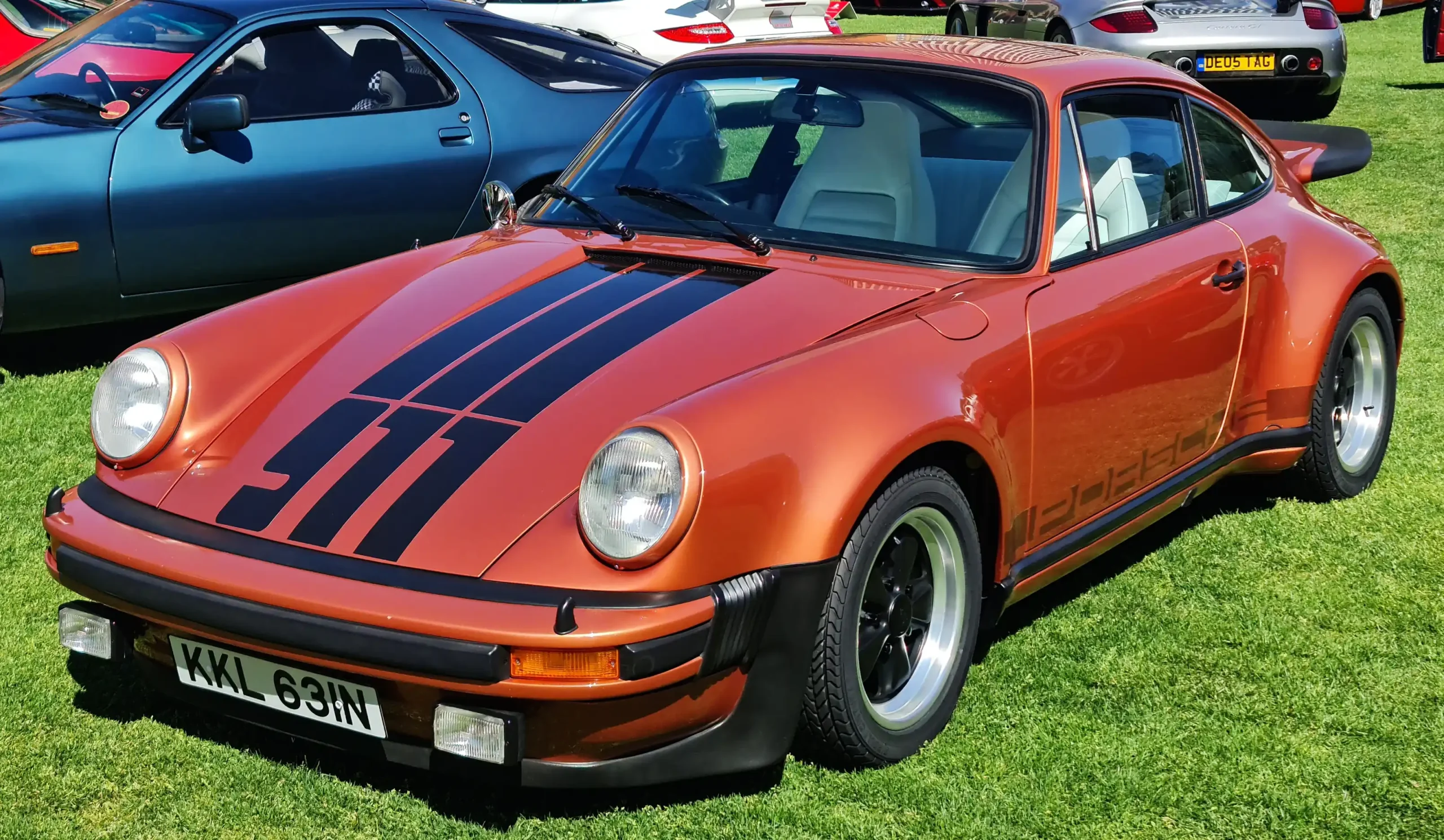
The Porsche 911 Turbo, known as the 930, made waves in the ’80s. It was the first 911 to feature a turbocharged engine, boosting performance significantly.
With a 3.3-liter flat-six engine, it produced around 300 horsepower and could hit 0-60 mph in just 5.0 seconds.
The design included flared fenders and a distinctive spoiler, giving it an aggressive look. You could reach impressive speeds of up to 160 mph, making it one of the era’s fastest sports cars.
This model cemented Porsche’s reputation as a performance powerhouse and remains a classic in the automotive world. Check out more details on the Porsche 930 here.
Lamborghini Countach
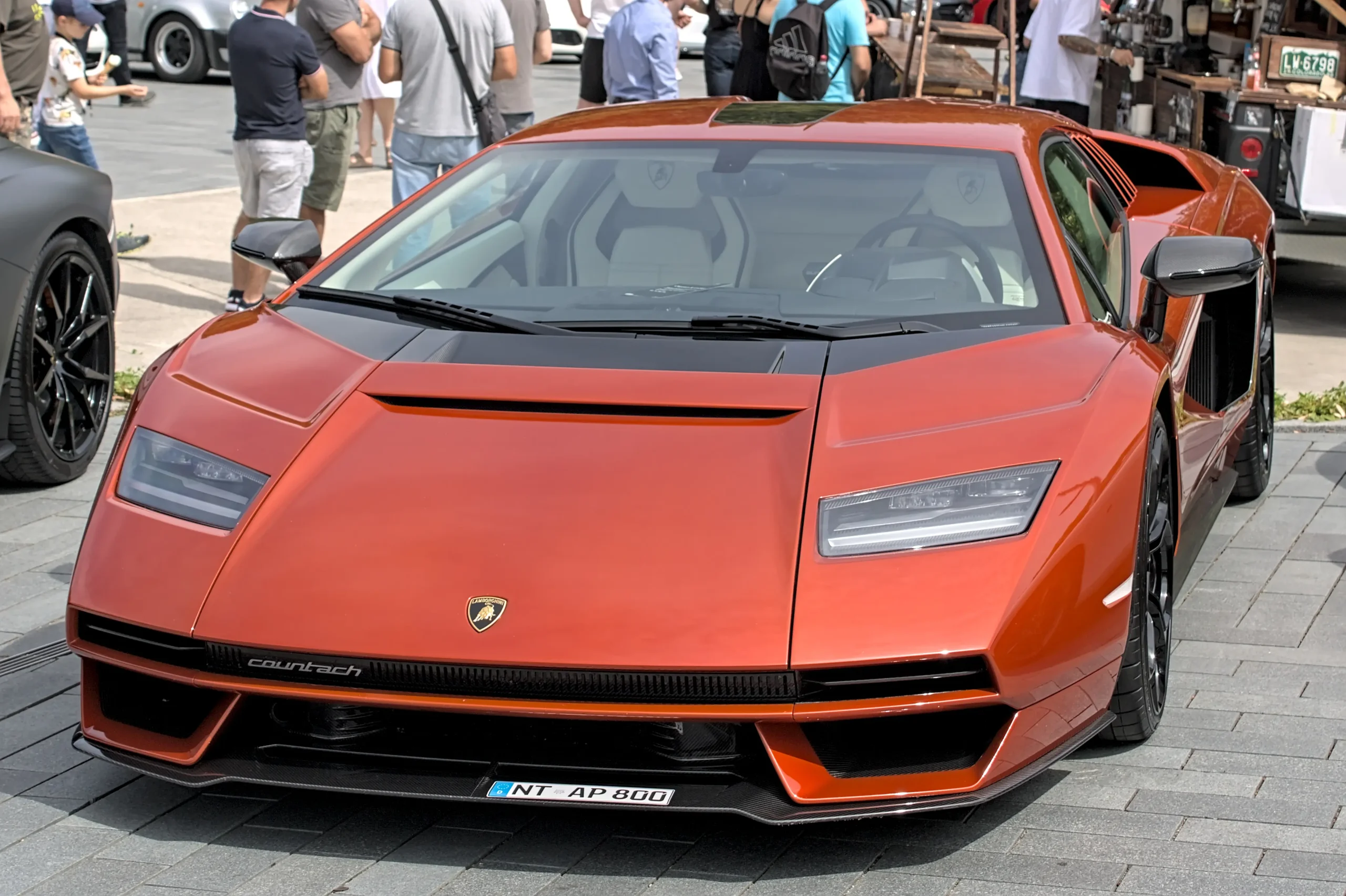
The Lamborghini Countach is a true icon of the ’80s sports car scene. Produced from 1974 to 1990, it features a striking wedge-shaped design that turned heads everywhere.
With a rear mid-engine layout and rear-wheel drive, this car offers an exhilarating driving experience. The V12 engine can produce around 449 horsepower, making it one of the fastest cars of its time.
You might recognize the Countach from countless posters and films, cementing its status as a symbol of luxury and performance. It’s not just a car; it’s a piece of automotive art that many dream of owning.
BMW M3 (E30)

The BMW M3 E30, launched in 1982, is a classic in the sports car world. It packs a punch with a 2.3-liter inline-four engine, producing 192 horsepower.
Weighing around 2,800 pounds, its lightweight construction helps it deliver impressive performance. The E30 M3 can accelerate from 0 to 60 mph in just 6.5 seconds.
Its iconic boxy design has made it a favorite among car enthusiasts. Plus, it offers practicality, blending sports car thrills with everyday usability. The M3 E30 remains a symbol of 1980s motoring excellence.
Alfa Romeo 75

The Alfa Romeo 75, known as the Milano in North America, debuted in 1985. This compact executive car marked a significant moment in Alfa Romeo’s history, celebrating the brand’s 75th anniversary.
You could find it with a range of engines, including a 2.0-liter Twin Spark that delivered 135 horsepower. The 75 was notable for its rear-wheel-drive layout, which made for a fun, engaging driving experience.
You might appreciate its distinctive styling with sharp lines and a sporty appearance. Production continued until 1992, making it the last model produced before Alfa Romeo became part of the Fiat group. This car represents a unique chapter in European sports car heritage.
Mercedes-Benz 190E 2.3-16
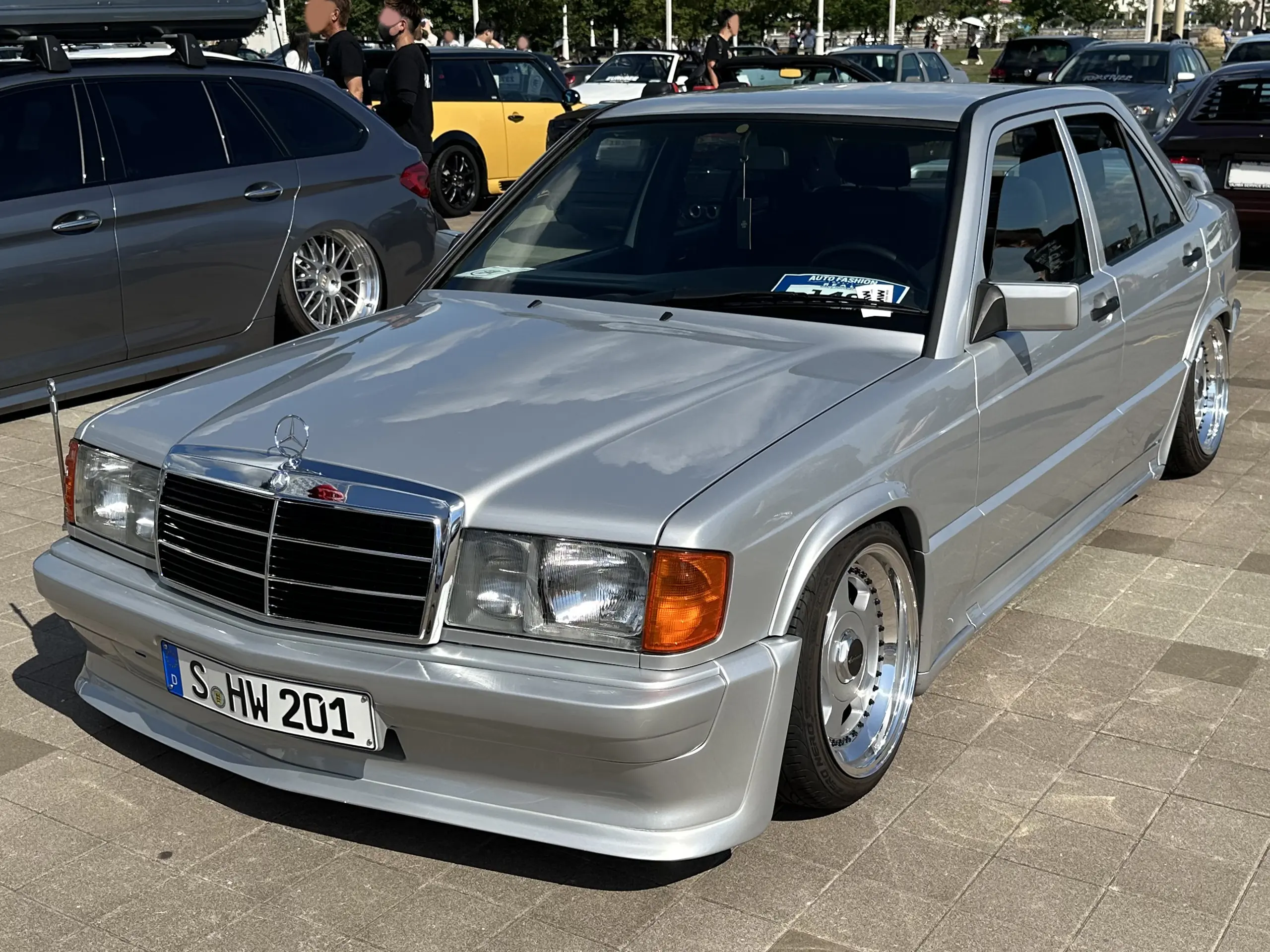
The Mercedes-Benz 190E 2.3-16 is a standout from the ’80s. Introduced in 1983, it featured a 2.3-liter 16-valve engine, producing 167 horsepower.
This performance-focused model was the first in the W201 line, boasting sporty handling and an aerodynamic design. It quickly became known for its balance of power and practicality.
With a top speed of around 140 mph, the 190E 2.3-16 made a mark in the sports sedan segment. It paved the way for future high-performance models from Mercedes, well before the AMG era began.
Audi Quattro

The Audi Quattro made its debut in 1980 and quickly became a game-changer in the sports car world. Known for its innovative all-wheel-drive system, it offered exceptional handling and traction.
Equipped with a turbocharged 2.1-liter five-cylinder engine, it could sprint from 0 to 60 mph in about 6.5 seconds. This speed was impressive for its time, making it a favorite among enthusiasts.
The Quattro not only excelled on the road but also dominated in rally racing, securing Audi’s legacy in motorsport. It remained in production for around 23 years, solidifying its status as a classic.
Peugeot 205 GTI
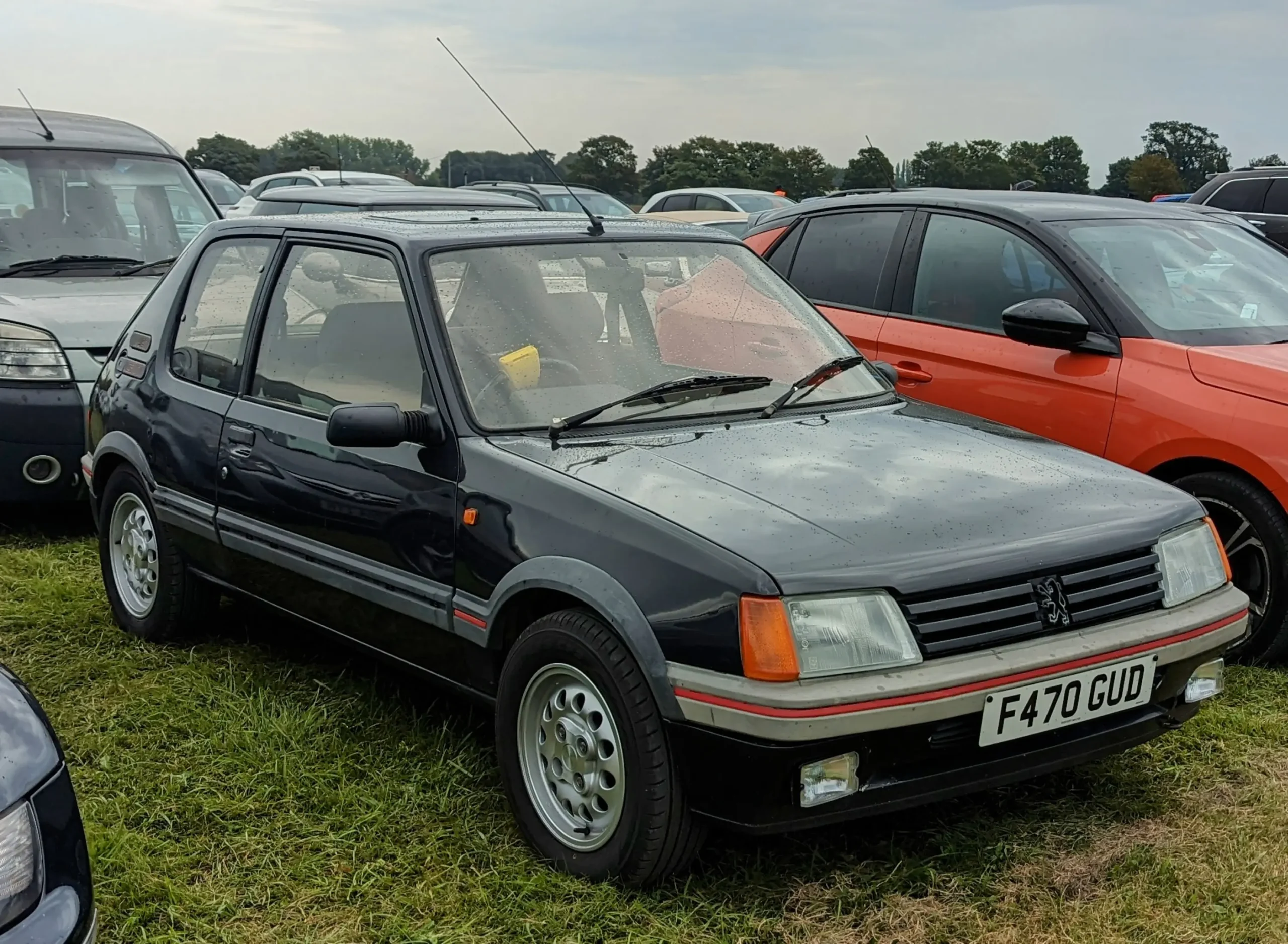
The Peugeot 205 GTI is a legendary hot hatch that burst onto the scene in 1984. Weighing just around 900 kg, it felt nimble and agile on the road.
With a 1.6-liter engine initially delivering 105 hp, it offered responsive performance. Later, the 1.9-liter version cranked it up to 130 hp, making it even more thrilling.
You’ll find the 205 GTI is celebrated for its exceptional handling and spirited drive. It sold over 300,000 units in Europe, cementing its place as an icon of the ’80s.
Volkswagen Golf GTI
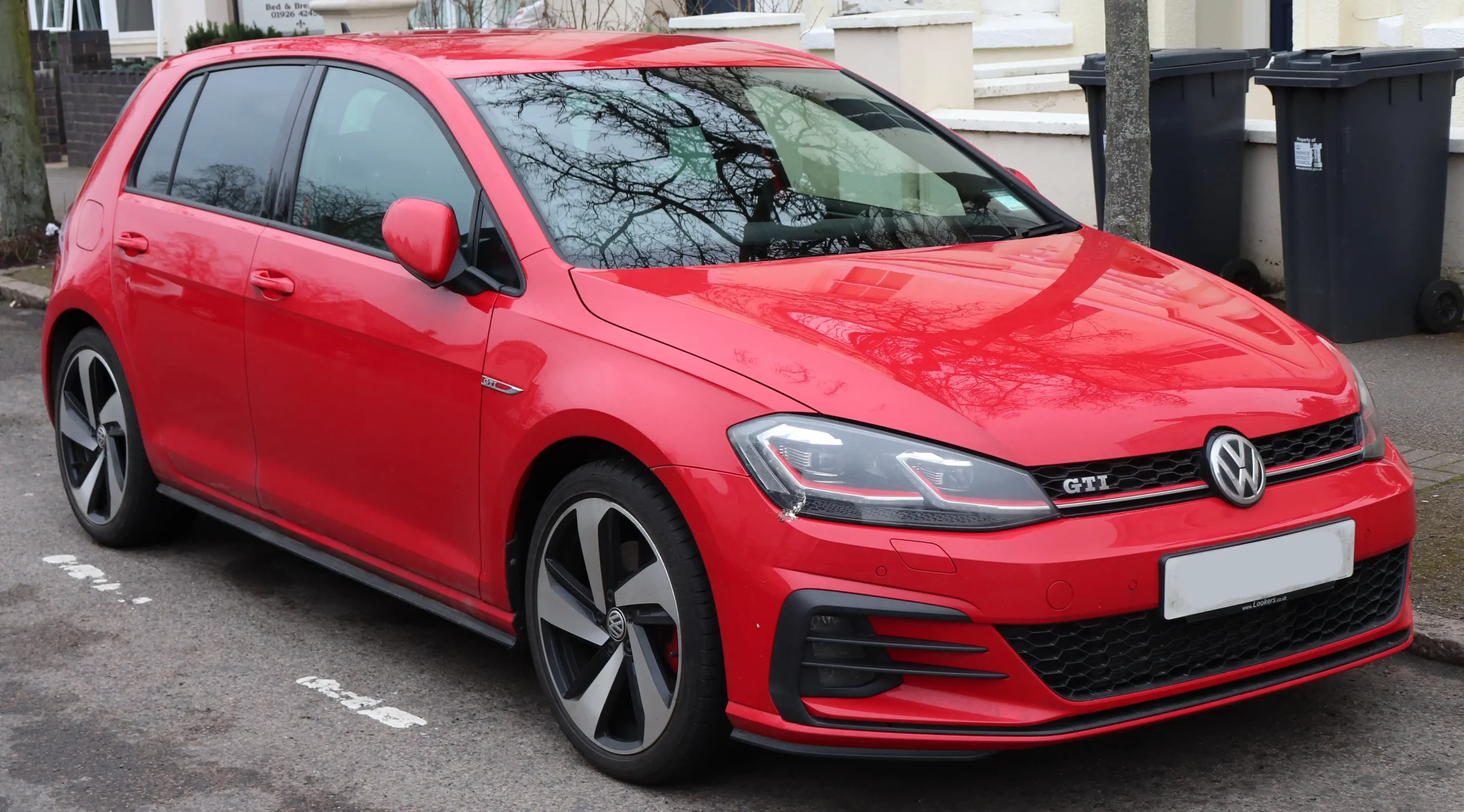
The Volkswagen Golf GTI burst onto the scene in the late ’70s, quickly becoming a favorite for driving enthusiasts. Its combination of practicality and performance redefined the hot hatch genre.
With a 1.6-liter fuel-injected engine, it could hit 0-60 MPH in just 8.4 seconds. This was impressive for a compact car at the time.
The GTI’s nimble handling made it a joy on twisty roads. You could enjoy the spacious hatchback while having fun behind the wheel.
More than just a car, the GTI became a symbol of sporty driving for a generation. It’s no surprise that it still holds a special place in automotive history.
Renault 5 Turbo
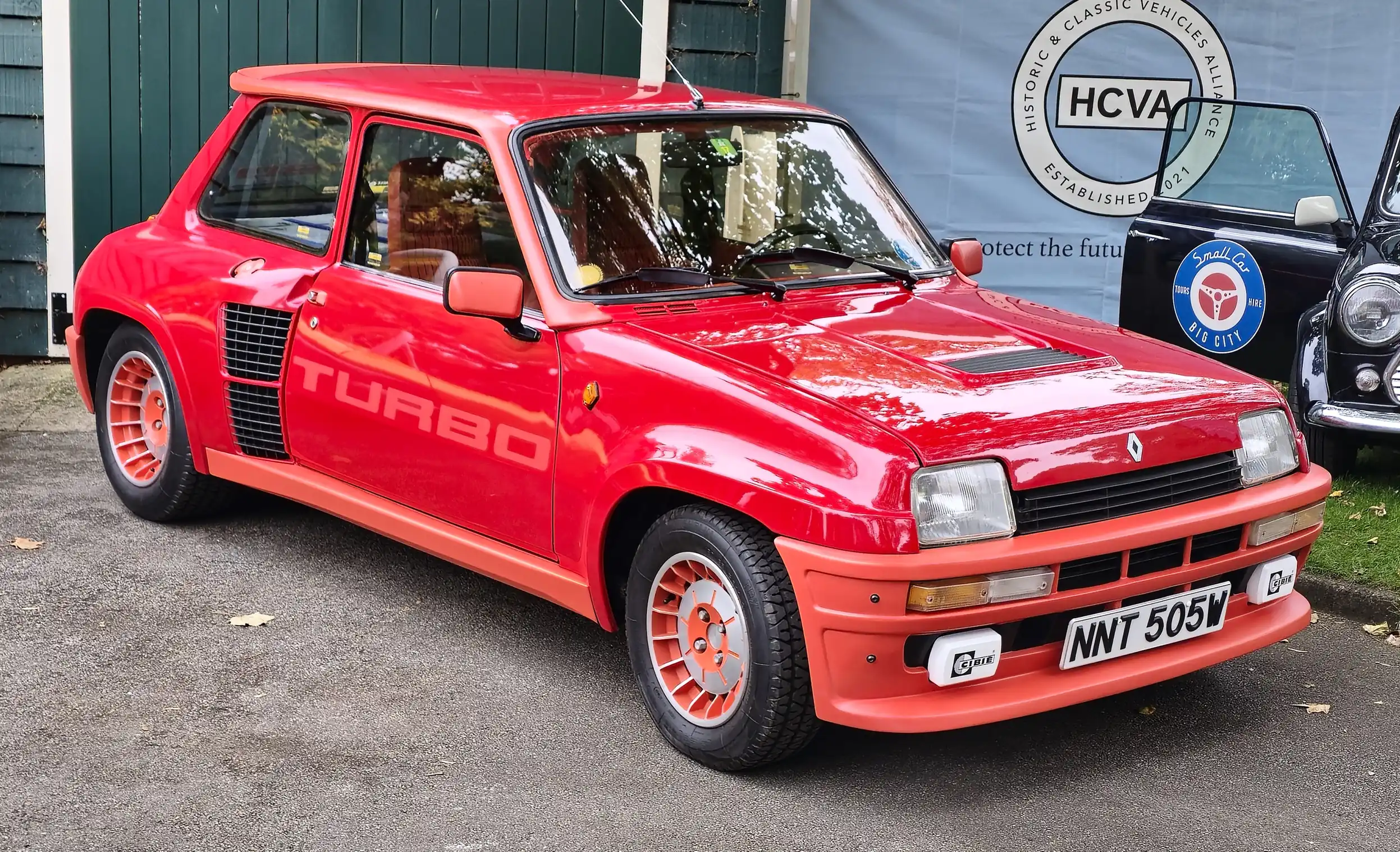
The Renault 5 Turbo is a standout from the ‘80s. Launched in 1980, it featured a turbocharged 1.4-liter engine that produced around 160 horsepower.
You could hit 0 to 60 mph in just about 6.9 seconds, making it one of the quicker options among hot hatches.
Its lightweight, rear-wheel-drive design made it a fun car to drive, especially on twisty roads.
In rallying, the Renault 5 Turbo had impressive results, including a victory at the Monte Carlo Rally.
It remains a classic icon, blending performance with a unique style that many enthusiasts adore.
Jaguar XJ-S

The Jaguar XJ-S, launched in 1975, became an iconic luxury grand tourer. With a sleek design and a powerful V12 engine, it captured the essence of ’80s sports cars.
You’d enjoy its top speed of about 150 mph, making it a thrill on the road. The XJ-S was also recognized for its advanced engineering, marrying performance with elegance.
Produced until 1996, it evolved through various models, maintaining a loyal following. If you appreciate timeless style and British craftsmanship, the XJ-S is a classic choice.
Maserati Biturbo
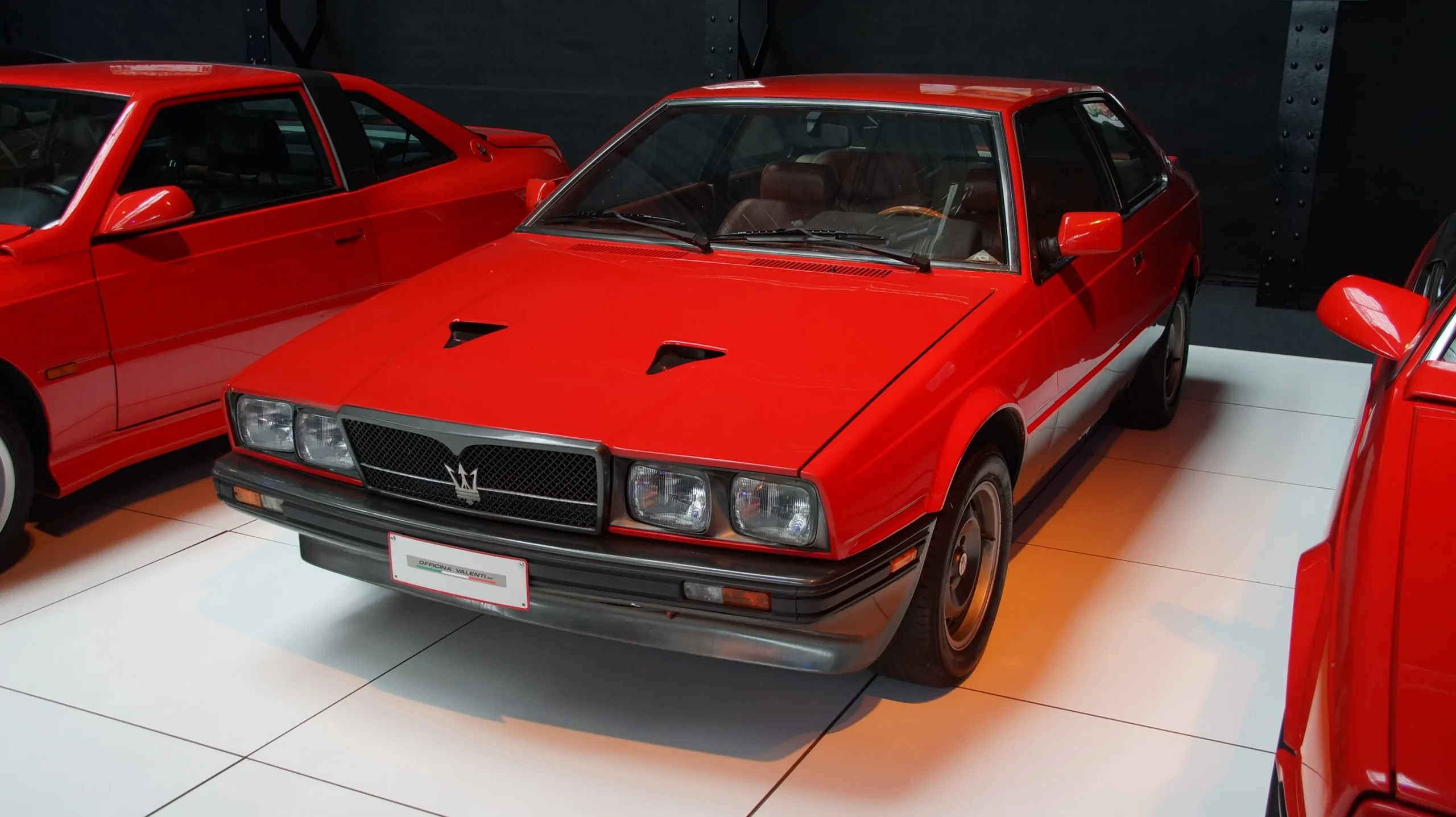
The Maserati Biturbo hit the scene in 1981 and ran until 1994. This sporty executive grand tourer featured a twin-turbocharged 2.0L V6 engine, offering decent power for its time.
You might find its boxy design iconic. The Biturbo is known for its luxurious interior, which was a big draw back then.
Despite its allure, the Biturbo gained a reputation for reliability issues. It was often viewed as a high-maintenance car, which affected its appeal.
If you’re looking for an affordable slice of ’80s Italian flair, the Maserati Biturbo could be a unique choice. Just be sure to do your homework before diving in.
Lancia Delta HF Integrale

The Lancia Delta HF Integrale is an iconic rally car that took the world by storm in the ’80s. With a turbocharged 2.0-liter engine, it churned out about 200 horsepower, delivering thrilling performance both on and off the track.
It features a legendary all-wheel-drive system, which contributed to its dominance in the World Rally Championship. Between 1987 and 1992, it clinched six consecutive manufacturers’ titles, cementing its status in motorsport history.
With its distinctive boxy design and wide stance, the Delta HF Integrale is still cherished by car enthusiasts. It’s not just a vehicle; it’s a symbol of an entire era in European motorsport.