

European sports cars have long been revered for their performance, style, and rich history in racing. Across the continent, manufacturers have crafted vehicles that not only excel on the track but also capture the hearts of car enthusiasts everywhere.
You’ll discover some of the most iconic models, each with a story that highlights their legendary status in the world of motorsport.
Porsche 911 Carrera RSR
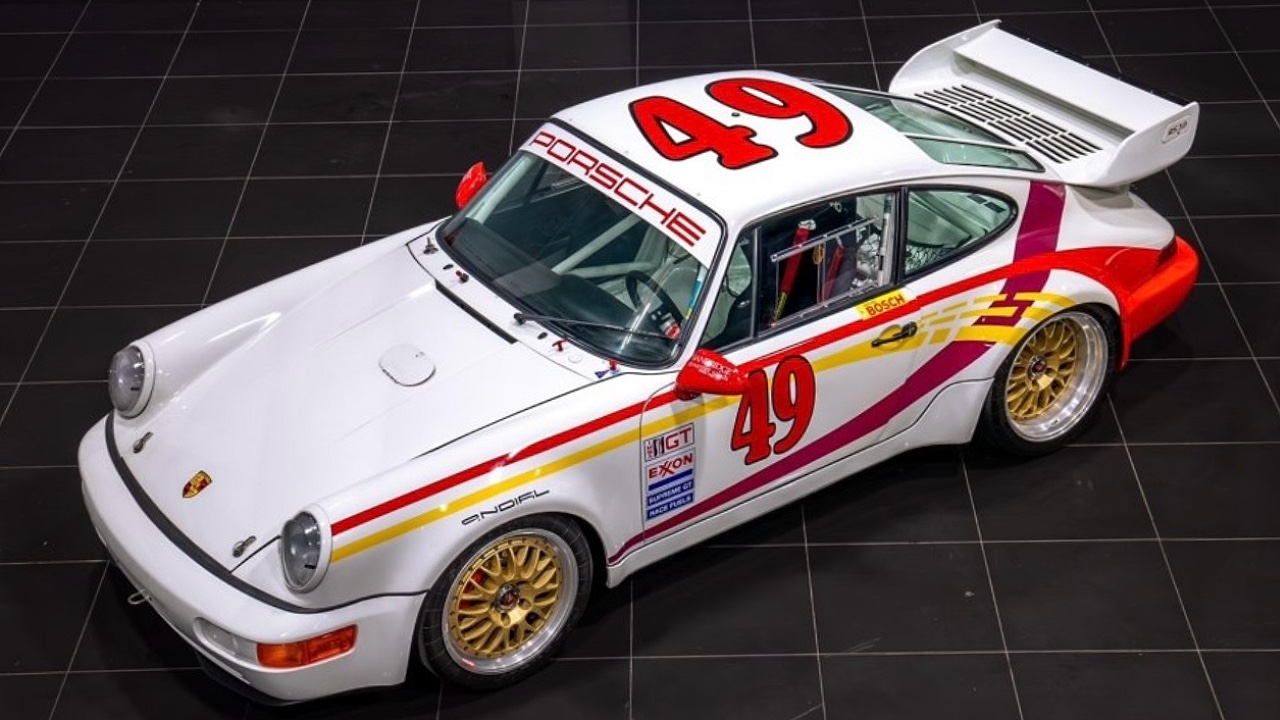
The Porsche 911 Carrera RSR is an icon in the sports car world. First introduced in 1973, it featured a lightweight design and powerful 2.8-liter engine, producing around 300 horsepower.
You might be surprised to know that this model boasts a racing pedigree, securing victories at the Targa Florio and Daytona.
Over the years, the RSR evolved, with the 3.8 version becoming one of the most successful prototypes. It remains a favorite among collectors and enthusiasts alike, symbolizing Porsche’s commitment to performance and innovation.
The 911 RSR continues to dominate the racing scene, showcasing that legendary engineering truly endures through time.
Ferrari 250 GTO
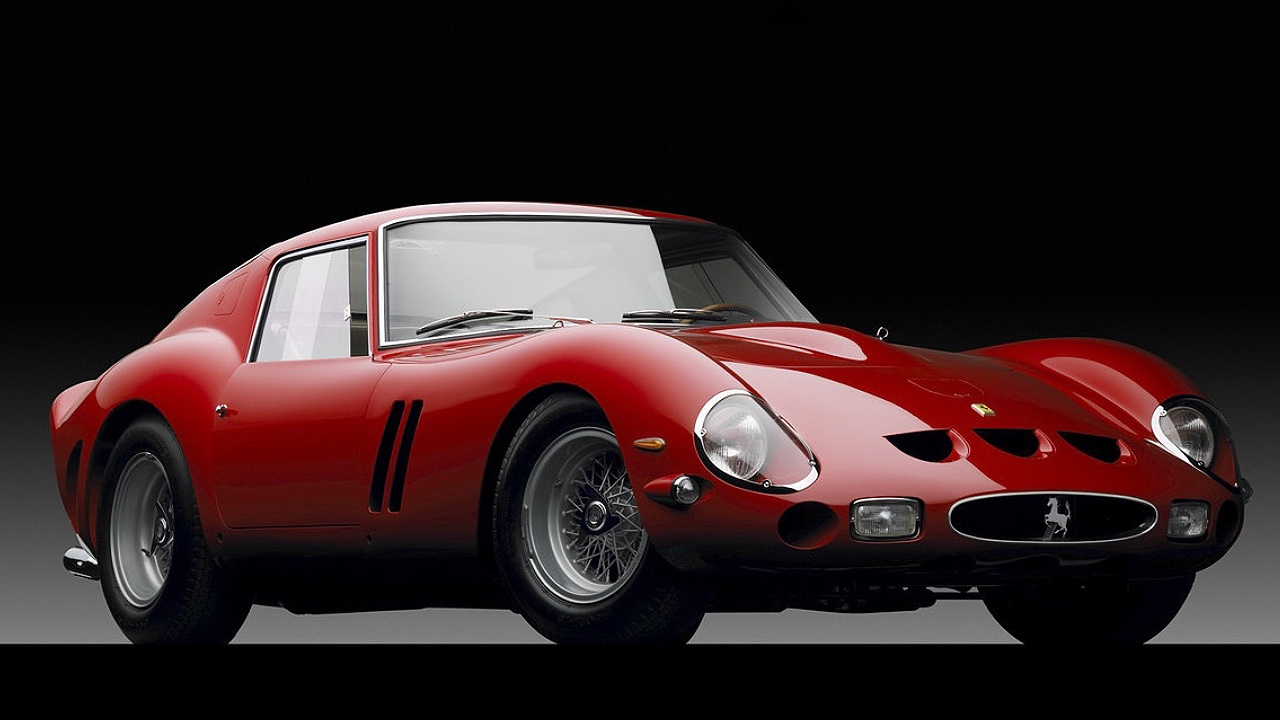
The Ferrari 250 GTO is one of the most iconic sports cars ever made. Produced between 1962 and 1964, it was designed for FIA’s Group 3 Grand Touring Car category.
With a sleek body and a powerful V12 engine, it delivers around 300 horsepower. Weighing just under 800 kg, it was built for speed and agility on the track.
Only 39 units were made, making it extremely rare. This model has become a symbol of racing pedigree and is highly sought after by collectors. If you get a chance to see one in person, don’t miss it!
BMW 3.0 CSL
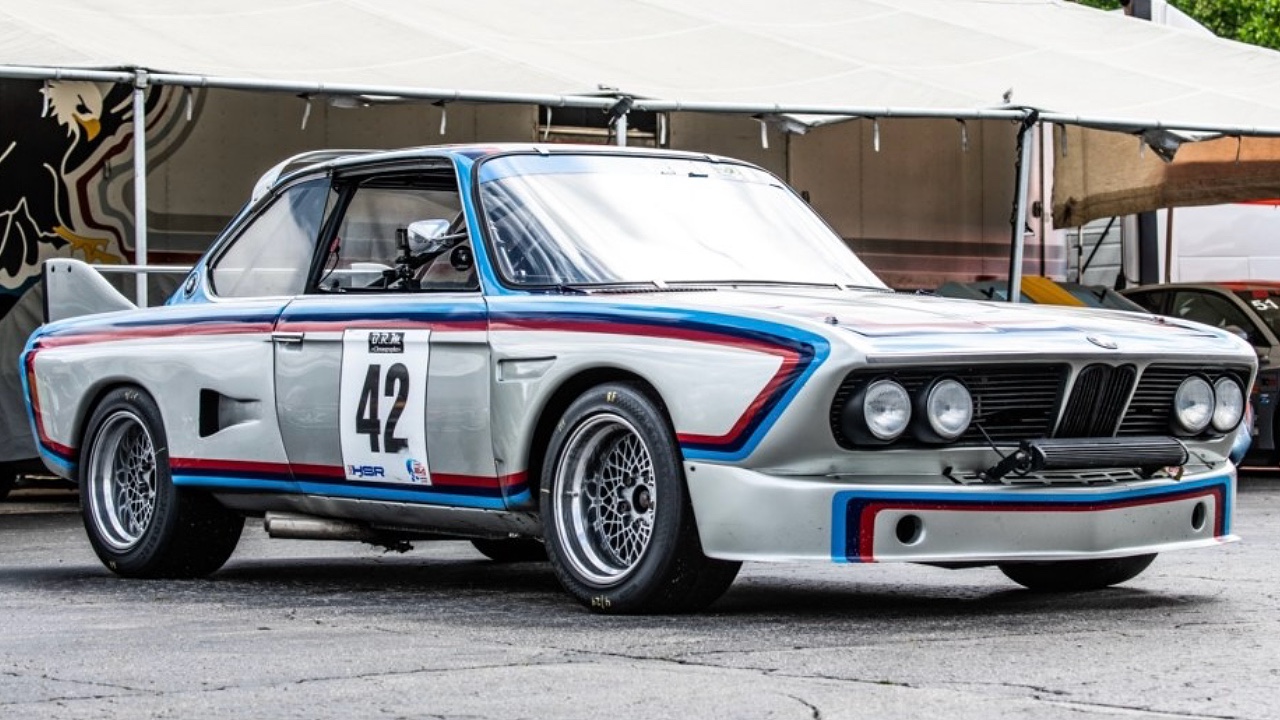
The BMW 3.0 CSL, introduced in the early 1970s, is often considered the first M car. This beauty was designed to meet homologation requirements for the European Touring Car Championship.
With a 3.0-liter inline-six engine, it produced around 180 horsepower. It was light, thanks to its aluminum parts and plastic body panels, tipping the scales at just 1,200 kg.
The 3.0 CSL made a splash in racing, winning the European Touring Car Championship in 1973. Its unique “Batmobile” styling and performance create a lasting legacy in sports car history. If you’re a fan of racing, this car is a must-know.
Aston Martin DBR1
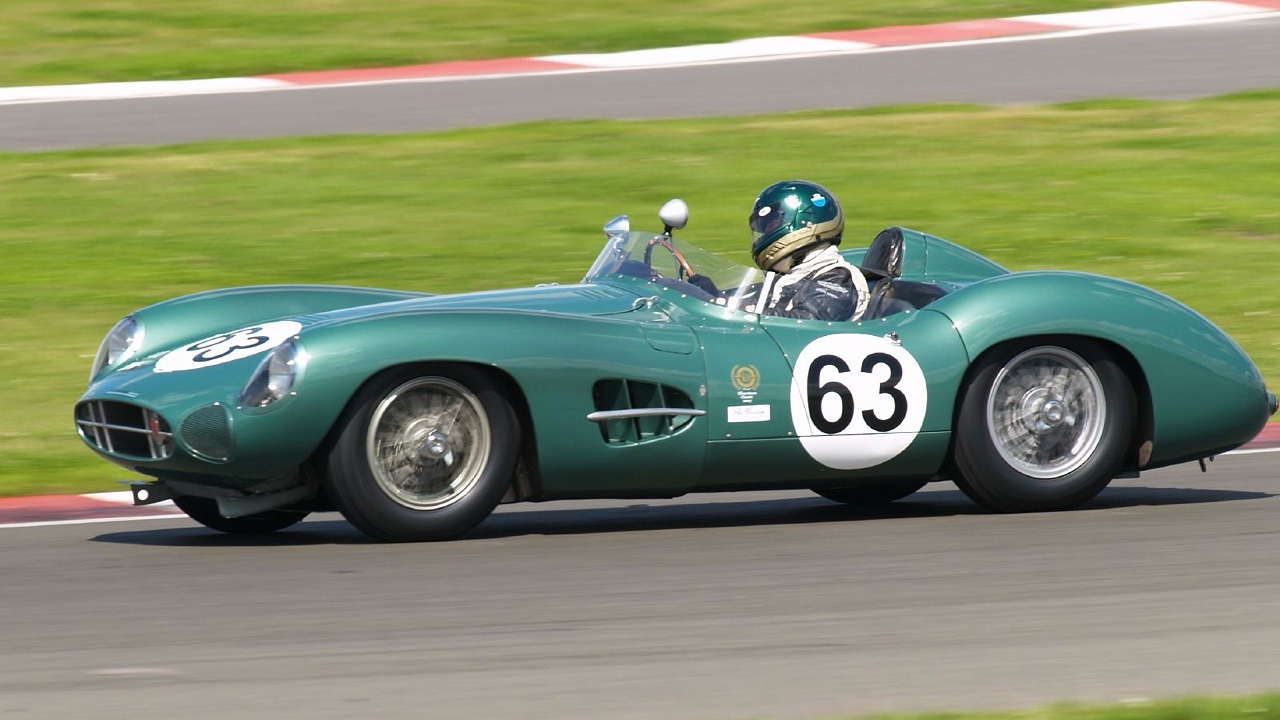
The Aston Martin DBR1 is a standout in racing history. Built from 1956, it was designed for competitions like the World Sportscar Championship.
You might know it best for its incredible win at the 1959 24 Hours of Le Mans. With a 2.5-liter inline-six engine, it pushed out around 240 horsepower.
This car wasn’t just fast; it was iconic, combining sleek design with groundbreaking engineering. The DBR1 has become a symbol of Aston Martin’s racing legacy.
Alfa Romeo 33 Stradale
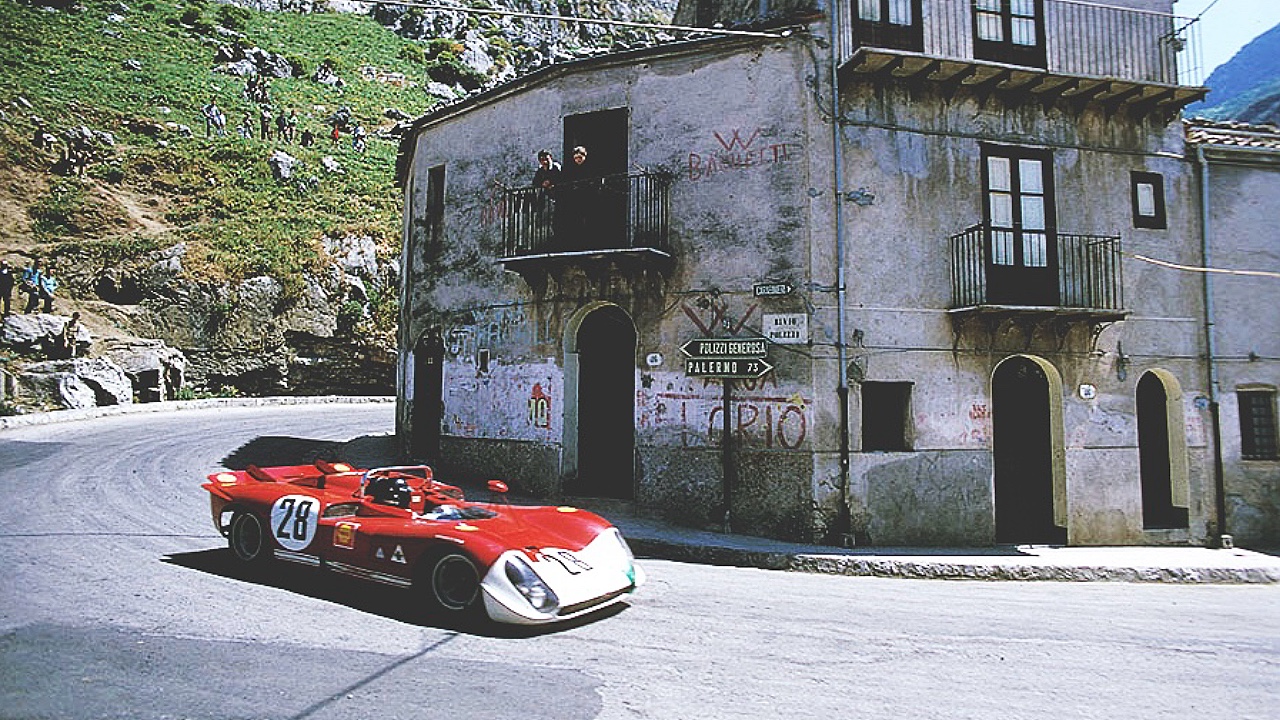
The Alfa Romeo 33 Stradale is a true icon in the sports car world. Launched in 1967, it was the fastest road car of its time.
Only 18 units were produced, making it extremely rare. With a mid-engine layout and a lightweight design, it delivers impressive performance.
The 33 Stradale features a stunning design that captures the essence of Italian craftsmanship. Its racing heritage is evident, as it’s based on the Alfa Romeo Tipo 33 race car.
Fans of the brand still celebrate this model for its blend of beauty and engineering. If you’re lucky enough to see one today, you’ll witness a piece of automotive history.
Maserati Tipo 61 ‘Birdcage’
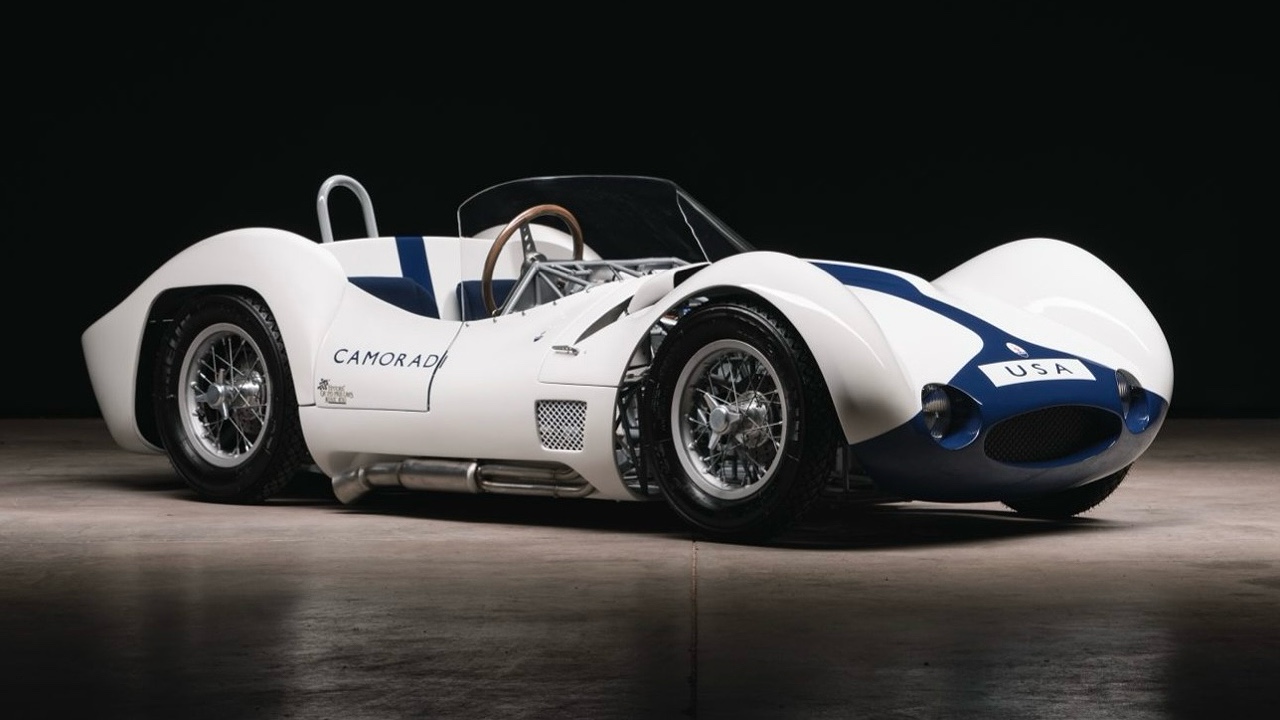
The Maserati Tipo 61, also known as the Birdcage, is a true icon of racing history. Produced between 1959 and 1961, this lightweight car features a unique tubular chassis design that set it apart from its competitors.
You’ll find that it ran successfully in major events like the 1960 24 Hours of Le Mans. The Tipo 61 captured attention for its speed and handling, earning a notable fifth place at the Nürburgring 1000 km in the same year.
Only five of these cars competed under the famous Camoradi team, showcasing their importance in motorsport heritage. This legendary model is celebrated for both its engineering and its impressive track record.
Jaguar E-Type Lightweight
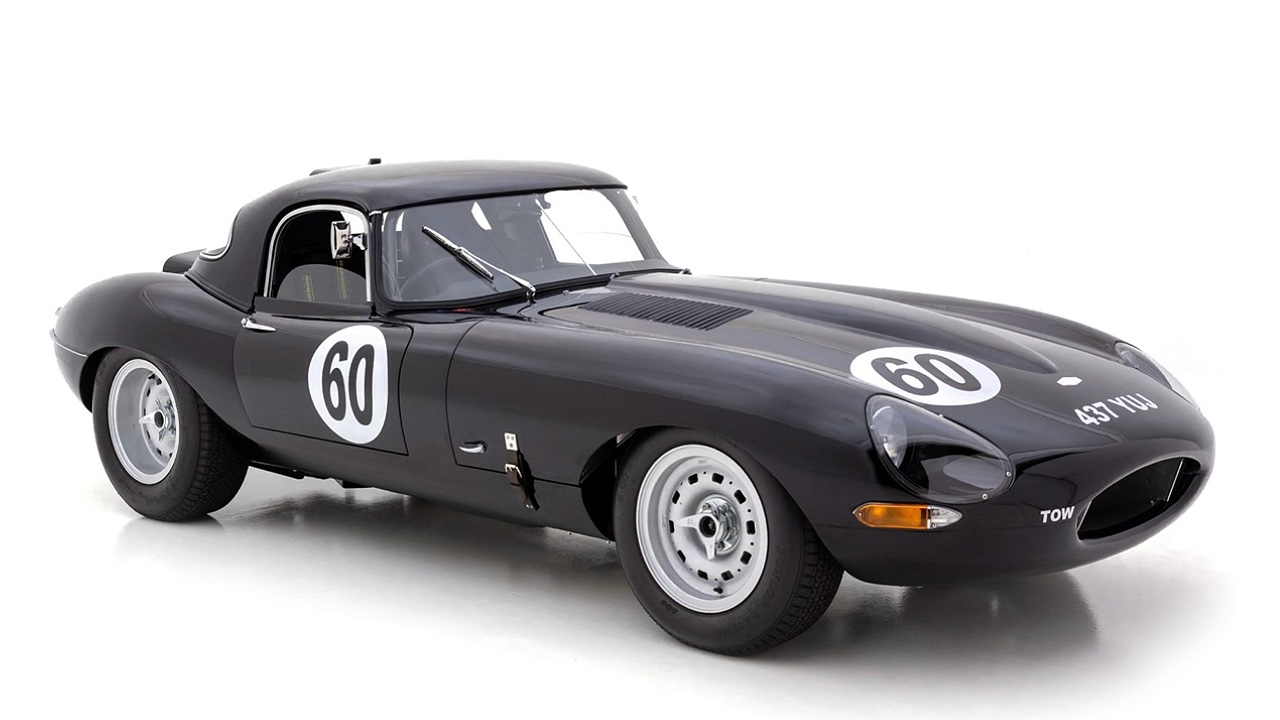
The Jaguar E-Type Lightweight is a true icon among sports cars. Weighing about 114 kg (250 pounds) less than the standard E-Type, it utilizes aluminum for both the body and engine block. This weight reduction contributes to better performance on the track.
Originally built for racing, the Lightweight variant showcases sleek design and advanced engineering. Its powerful inline-six engine delivers impressive speed and agility, making it a favorite among classic car enthusiasts. With a combination of style and performance, the Lightweight continues to capture your imagination.
Audi Quattro S1
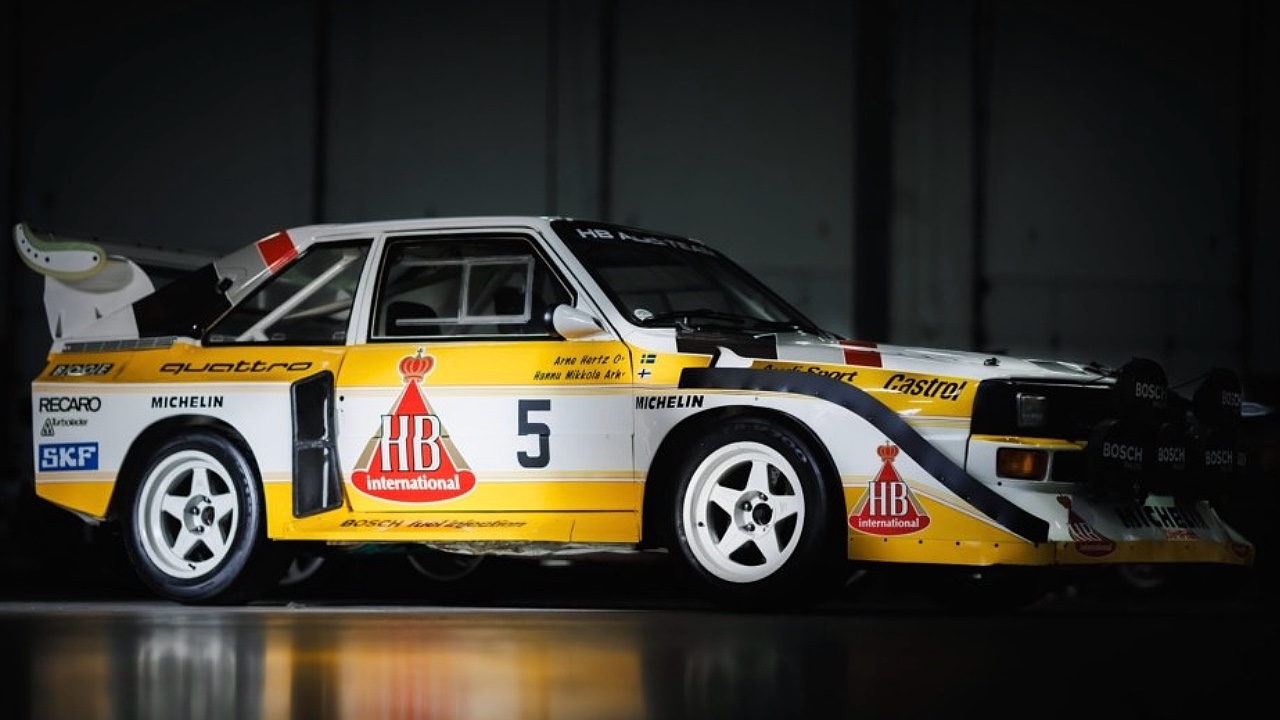
The Audi Quattro S1 is a true icon in the world of rally racing. Built in the 1980s, it was designed to dominate Group B competitions.
With a turbocharged 2.1-liter inline-five engine, it produced about 600 horsepower. This power allowed it to accelerate from 0 to 60 mph in just 3.1 seconds.
Its distinctive boxy shape and innovative all-wheel-drive system set it apart from competitors. You might appreciate how it changed the game for rally cars, making a lasting impact on motorsports.
Mercedes-Benz 300SLR
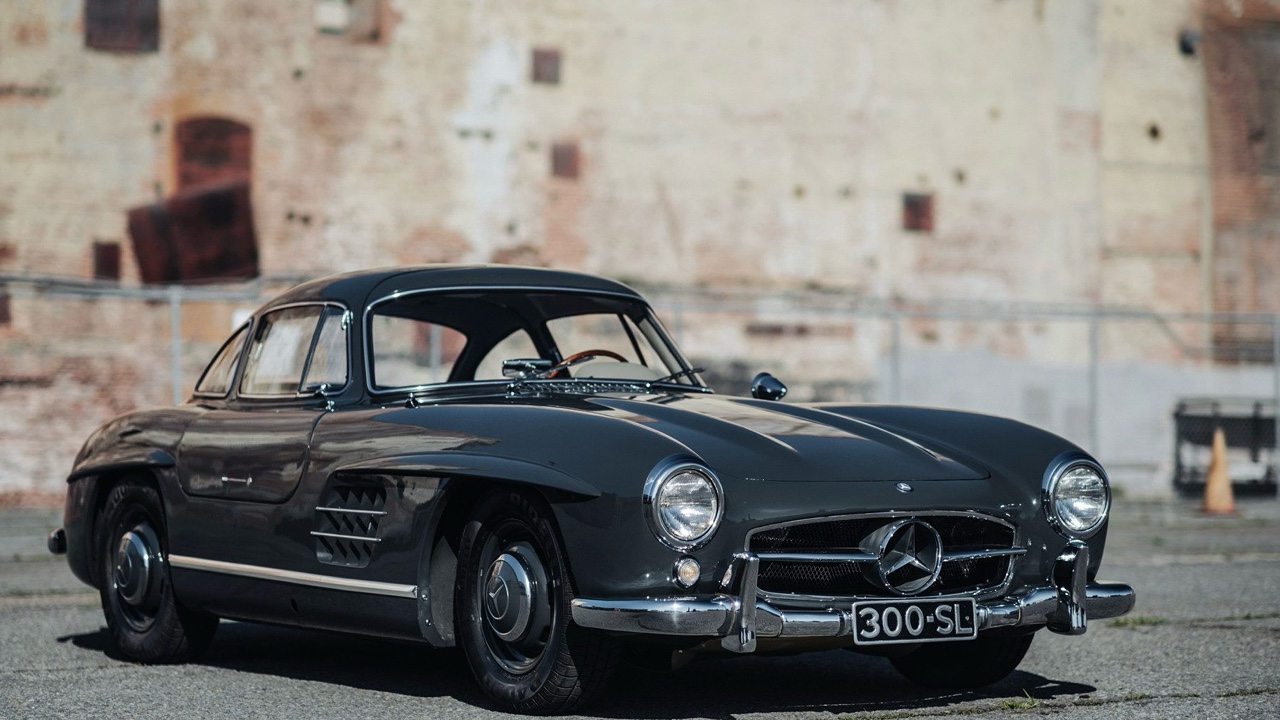
The Mercedes-Benz 300SLR is a true icon in the racing world. With a powerful 3.0-liter straight-eight engine, it could hit speeds of up to 290 km/h (180 mph).
This beauty competed in the 1955 Sports Car World Championship, showcasing its engineering excellence. It also made a name for itself by winning the Mille Miglia with legendary driver Stirling Moss.
The design, inspired by the Formula 1 W 196, combined sleekness with performance. It’s not just a car; it’s a piece of motorsport history.
Today, the 300SLR is celebrated not just for its speed but also for its timeless style and legacy in racing.
Lancia Stratos HF
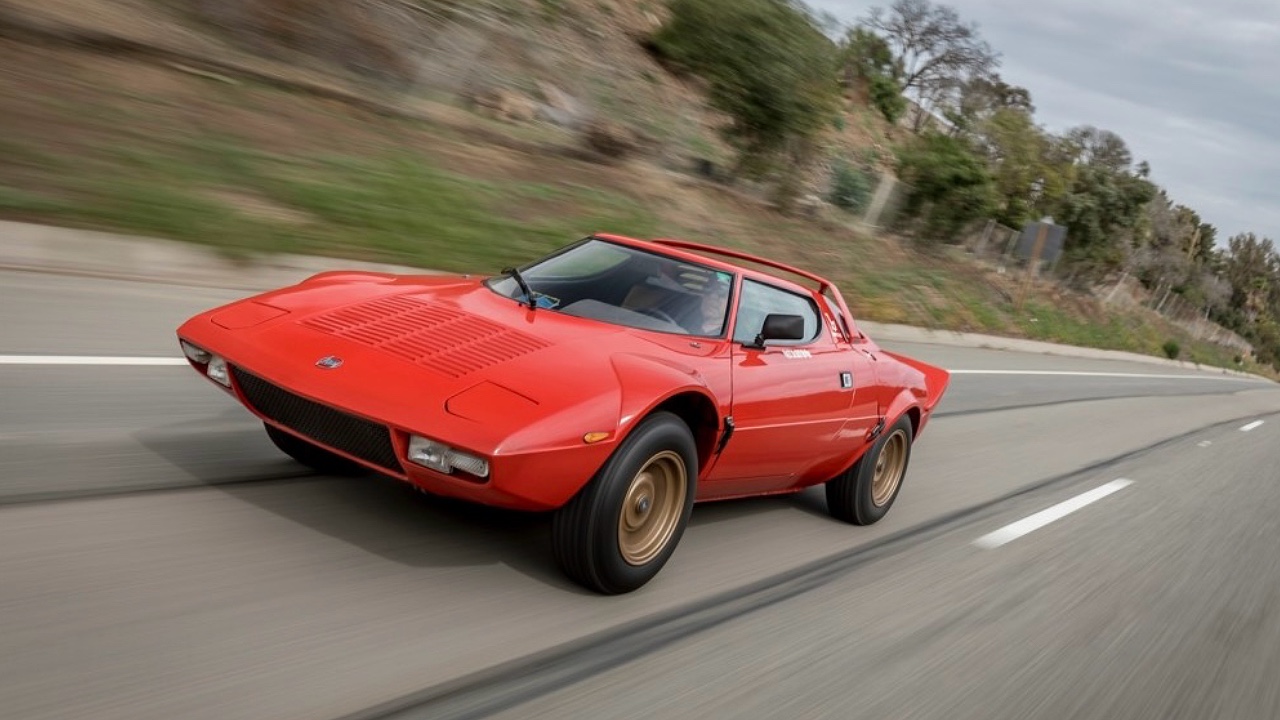
The Lancia Stratos HF is a true gem in the world of sports cars. It made its debut in the early 1970s, designed specifically for rallying.
Equipped with a Ferrari V6 engine, it produced about 190 horsepower. This powerhouse helped it dominate the World Rally Championship, securing three consecutive titles from 1974 to 1976.
The Stratos is notable for its unique wedge shape and lightweight build, weighing around 800 kg. Its blend of style and performance has cemented its status as a legend among car enthusiasts.
Ford GT40
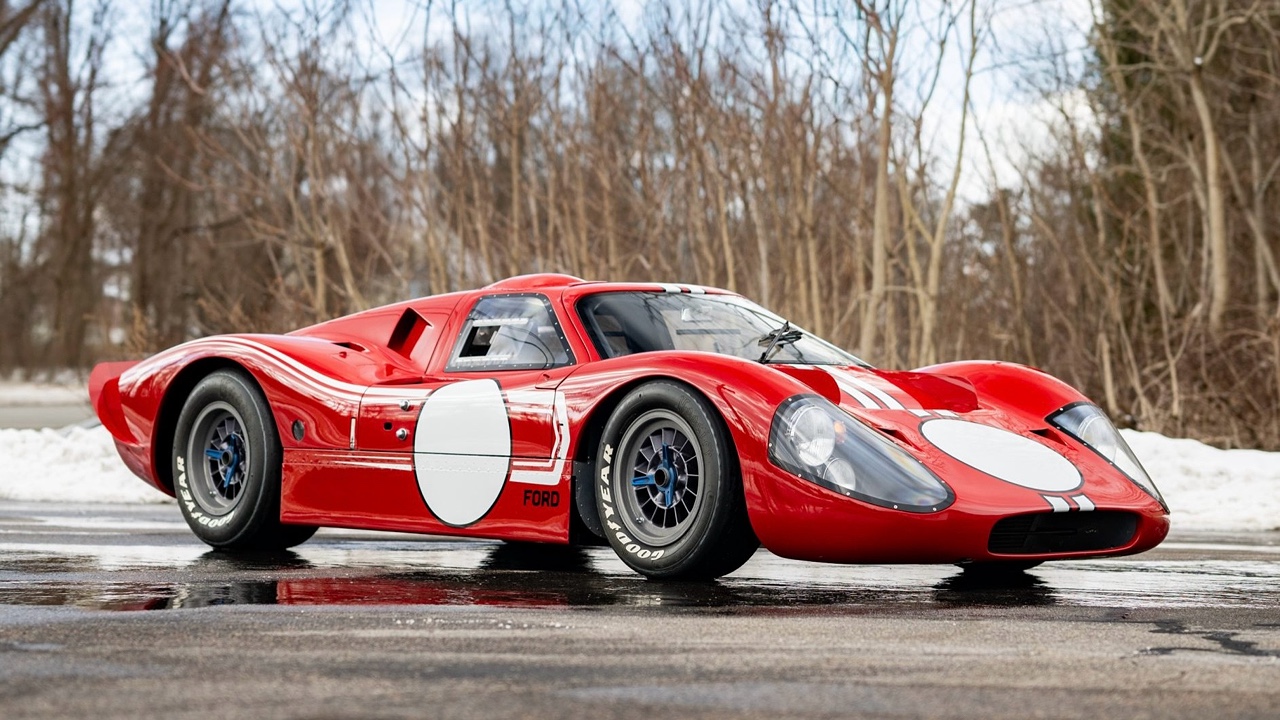
The Ford GT40 is one of the most iconic sports cars in racing history. Designed in the 1960s, it was built to take on Ferrari at the 24 Hours of Le Mans.
You might be impressed to know the GT40 won the race three times: in 1966, 1967, and 1969. This car features a mid-engine layout and a powerful V8 engine, making it a true performance machine.
With its sleek design and racing pedigree, the GT40 has become a symbol of American engineering excellence. It’s not just a car; it’s a piece of automotive legend.
Matra MS670
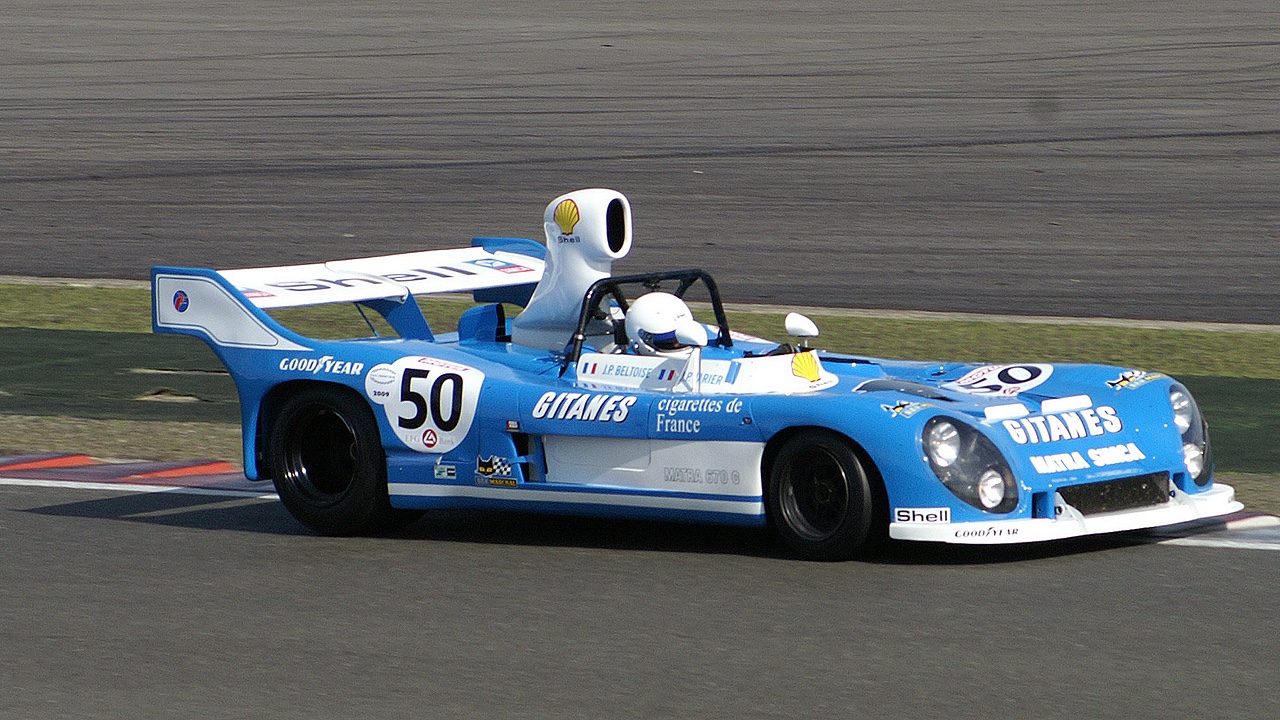
The Matra MS670 is a legendary French sports car that made its mark in motorsport from 1972 to 1974. Known for its impressive performance, this prototype race car helped secure two World Championship for Makes titles.
Weighing in at just 700 kg and powered by a 450 bhp V12 engine, the MS670 showcased innovative all-aluminium monocoque construction.
It’s not just about stats; the MS670 won the 24 Hours of Le Mans three times in a row, cementing its status in racing history. You can check out more about its impressive story and achievements in the full details found here.
Lotus 49
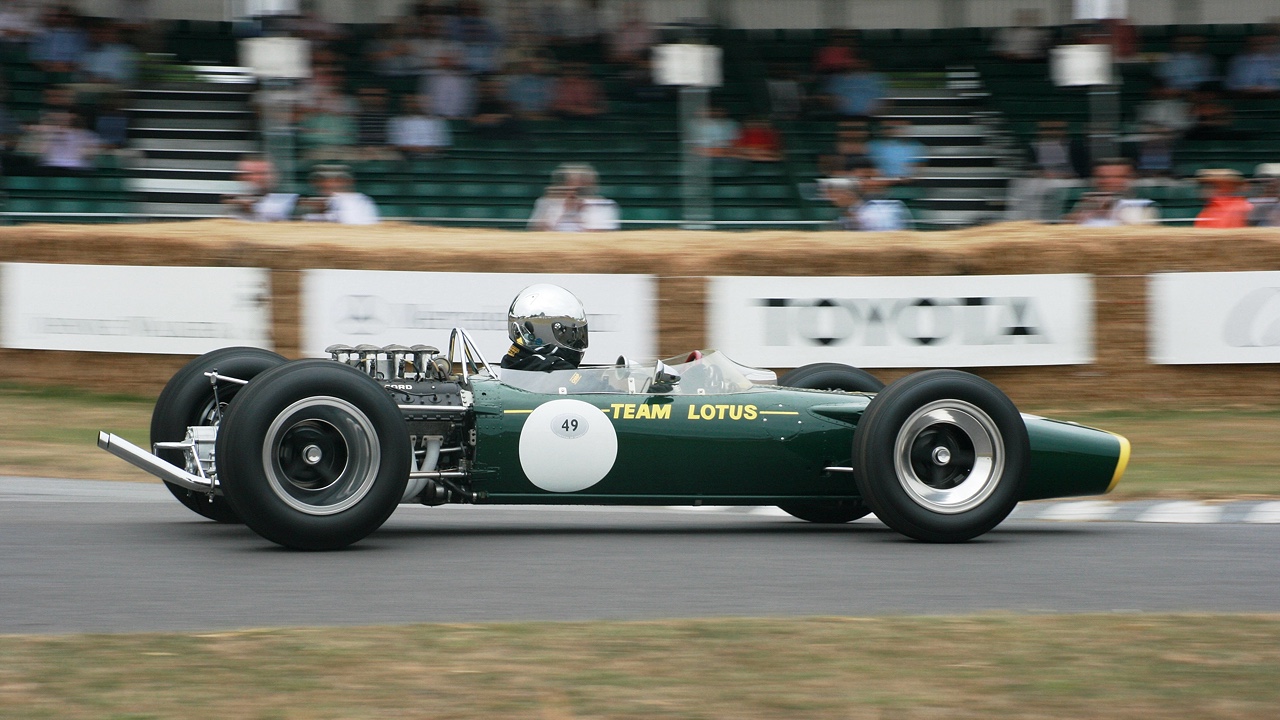
The Lotus 49 is a standout in the world of Formula One. Designed by Colin Chapman for the 1967 season, it introduced the legendary Cosworth DFV engine, which delivered immense power.
You might recognize its sleek design, which combined low weight with high performance.
Racing legends like Jimmy Clark drove this car to victory, marking memorable moments in motorsport history. It remains a symbol of innovation and success in racing circles.