

When you think of muscle cars, images of raw power and speed likely come to mind. These vehicles often boast aggressive designs and impressive styling that can make them look like they’re built for high-speed performance. However, not every muscle car that looks fast actually delivers on that promise.
Many of these cars have gained fame for their visual appeal rather than their on-road capabilities. As you explore this list, you’ll discover some surprising contenders that might make you rethink what speed really means in the muscle car world. Get ready to dive into a mix of iconic models that might be more about looks than actual performance.
1969 Ford Mustang E
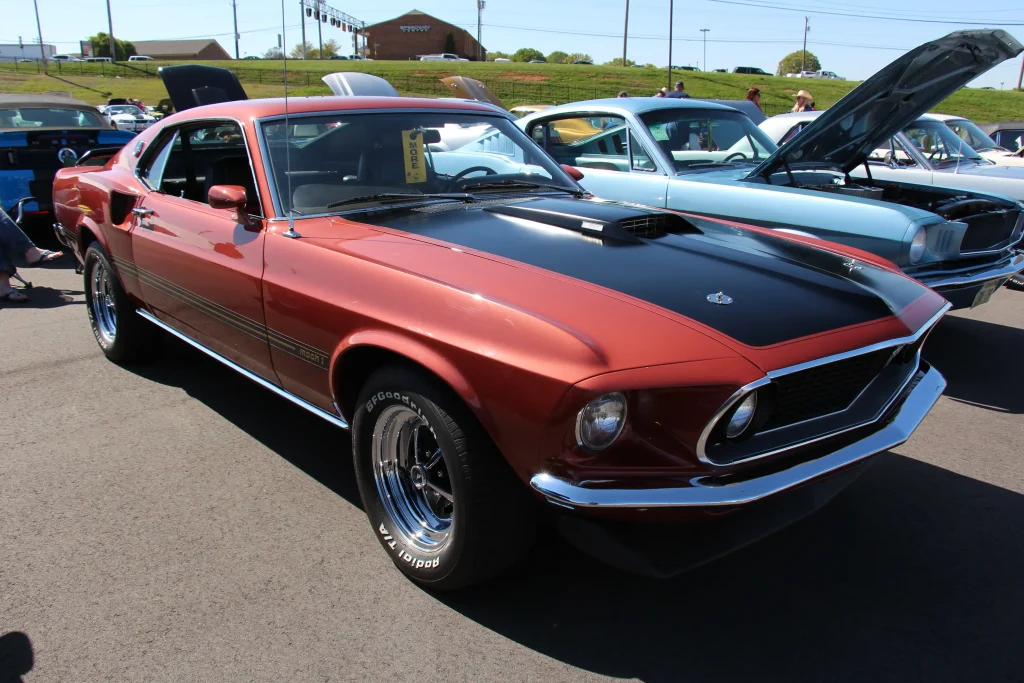
The 1969 Ford Mustang E might catch your eye, but it’s not the muscle car it seems to be. This model stashed a V6 engine under the hood, which isn’t what you’d expect from a Mustang.
With only about 120 horsepower, it struggles to deliver that thrilling performance most people associate with muscle cars. While it has the classic Mustang look, its lack of power makes it more of a poser than a true performance vehicle.
If you’re after speed, the Mustang E won’t give you the rush you’re looking for. It’s more about style than substance when it comes to this model.
1974 Pontiac GTO

The 1974 Pontiac GTO stands out visually but struggles under the hood. With a 400 cubic inch V8, you might expect more power. However, it produced only 230 horsepower due to stricter emissions regulations.
That said, its performance was lacking compared to earlier models. Weighing around 3,500 pounds, it had a slower 0-60 mph time than many competitors.
The design is still iconic, but it doesn’t match the muscle car performance from its golden years. If you’re after looks more than speed, the ’74 GTO might catch your eye, but it won’t offer the thrill many expect from a muscle car.
1974 Dodge Challenger
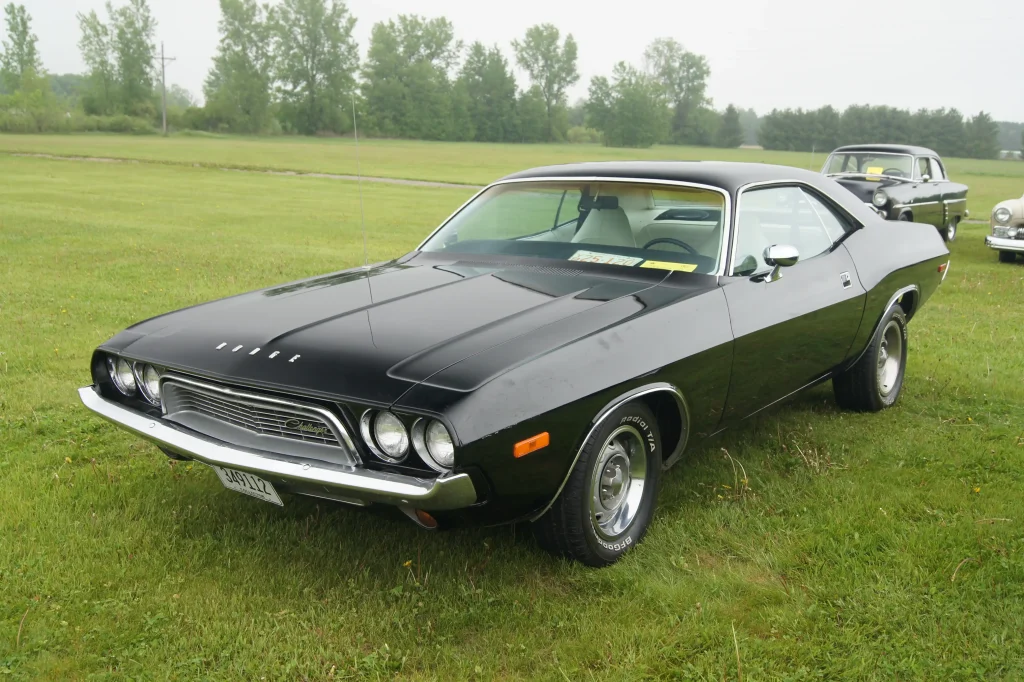
The 1974 Dodge Challenger marked a shift for muscle cars. Due to tightening emissions regulations, power ratings took a hit. The available V-8 options were a 318 engine with 150 horsepower and a 360 engine pushing out 245 horsepower.
While it still had that classic muscle car look, performance was not its strong suit. Many enthusiasts found the drop in power disappointing compared to earlier models. If you’re eyeing one, remember it’s more about nostalgia than speed.
1974 Ford Mustang II
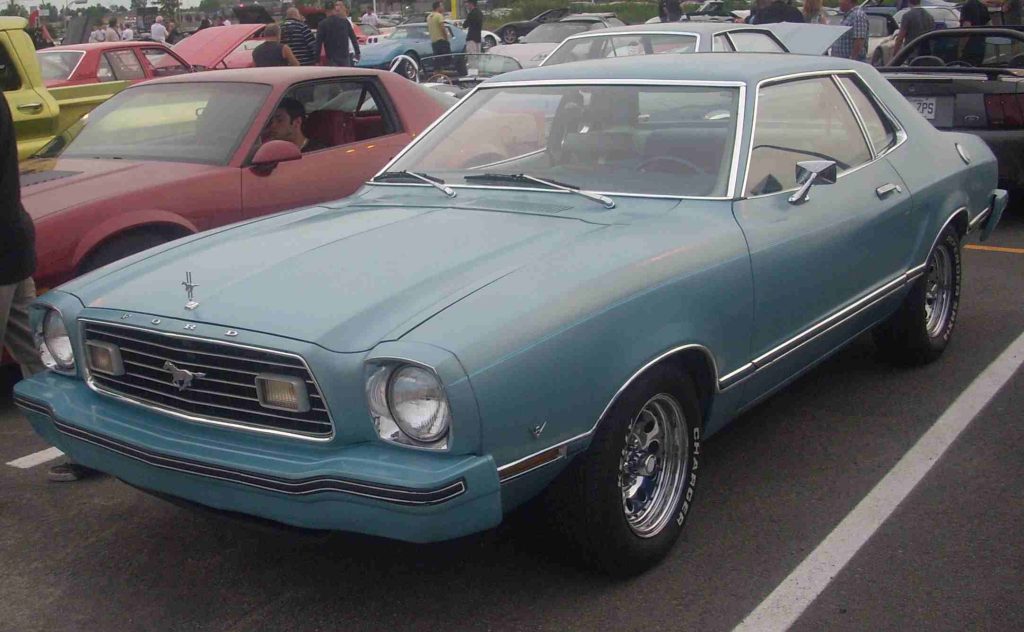
The 1974 Ford Mustang II might catch your eye with its classic design, but don’t be fooled by its looks. This model was heavier than its predecessors, tipping the scales at around 3,000 pounds.
Under the hood, you were looking at a modest 2.8-liter V6 that produced just 105 horsepower. It struggled to keep up on the highway, making it more of a cruiser than a muscle car.
Handling was also an issue, with reports of flaccid steering and significant understeer. While it has a nice interior, performance wise, it’s not what you’d expect from a Mustang.
Chevrolet Monte Carlo SS

The Chevrolet Monte Carlo SS is a classic muscle car that many admire for its sleek design. You’ll find it features a 5.0L V8 engine, producing around 200 horsepower.
Despite its muscle car appearance, the Monte Carlo SS isn’t the fastest on the market. It can go from 0-60 mph in approximately 8.5 seconds, which may feel underwhelming compared to modern competitors.
You appreciate the Monte Carlo SS for its nostalgic value and style, even if it doesn’t deliver the performance of some other muscle cars. It’s a car that’s more about presence than pure speed.
Toyota MR2 (SW20)

The Toyota MR2 SW20, produced from 1990 to 1999, is a sporty little coupe that catches the eye. Its sleek design gives it a fast look, but it’s not the speed demon some might expect.
With a base engine delivering around 138 horsepower, it’s more about fun handling than raw power. The turbo variant offers a boost, hitting around 200 horsepower, but still, it doesn’t compete with modern muscle cars.
You’ll love how it feels in the corners thanks to its mid-engine layout, making it a joy to drive. Just remember, it looks fast but isn’t the quickest on the streets.
Mitsubishi 3000GT/Dodge Stealth
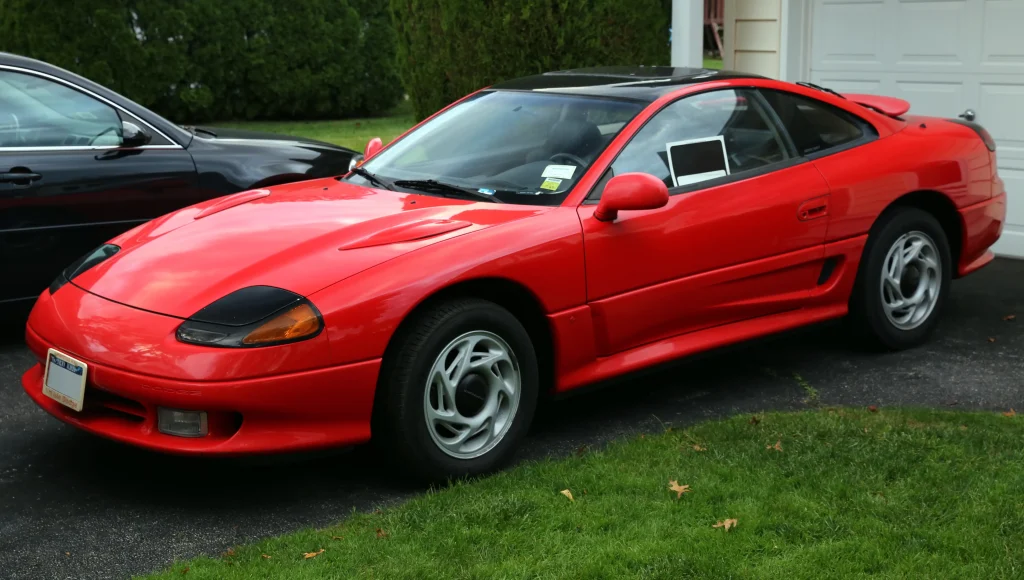
The Mitsubishi 3000GT and its twin, the Dodge Stealth, turn heads with their sporty looks. They feature a sleek design and sculpted lines that suggest speed.
Under the hood, the 3000GT offers a 3.0-liter V6 engine, delivering up to 300 horsepower in the VR-4 model. You might expect racing performance, but they often fall short, especially in real-world acceleration tests.
Many enthusiasts admire them for their techy features, such as all-wheel drive and active aerodynamics. Yet, despite their impressive specs, these cars don’t always translate to the track as well as you’d hope.
Porsche 924
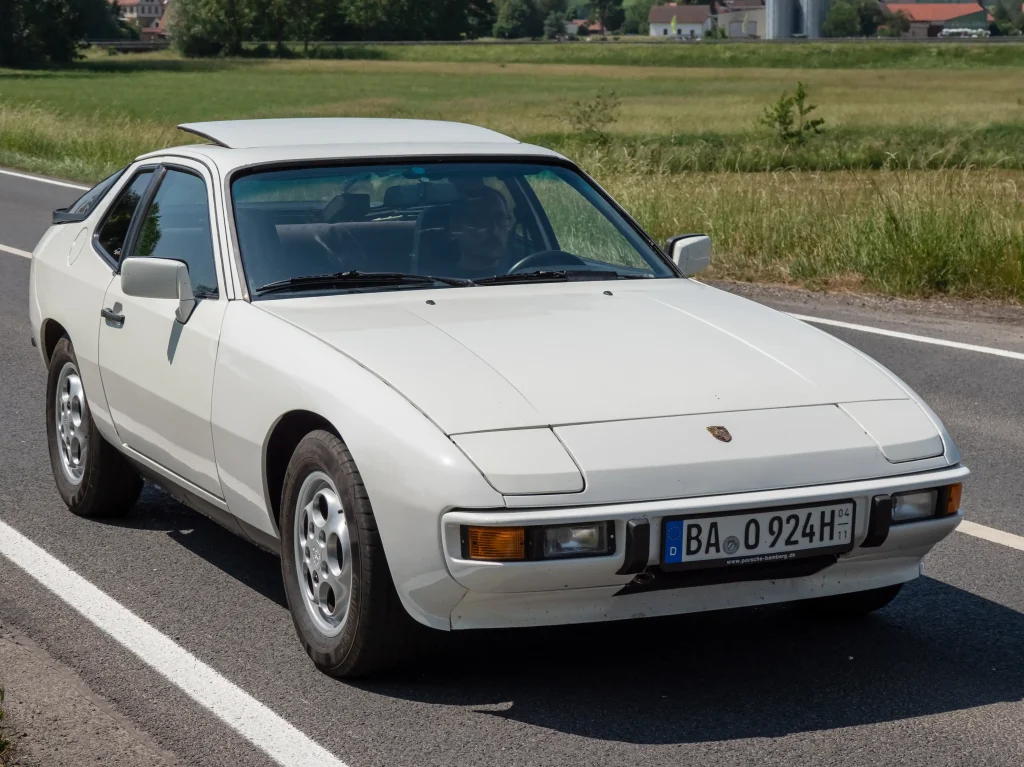
The Porsche 924 is a car that might catch your eye with its sleek design, but don’t expect blistering speed. With a 2.0-liter engine, it delivers around 125 horsepower, allowing a 0-60 mph time of approximately 8.5 seconds.
While it offers sharp handling and sporty aesthetics, it’s not the fastest in the Porsche lineup. You’ll appreciate its style more than its speed. Plus, it’s known for being relatively affordable compared to other Porsche models, which makes it an interesting choice for enthusiasts.
Nissan 300ZX (Z31)
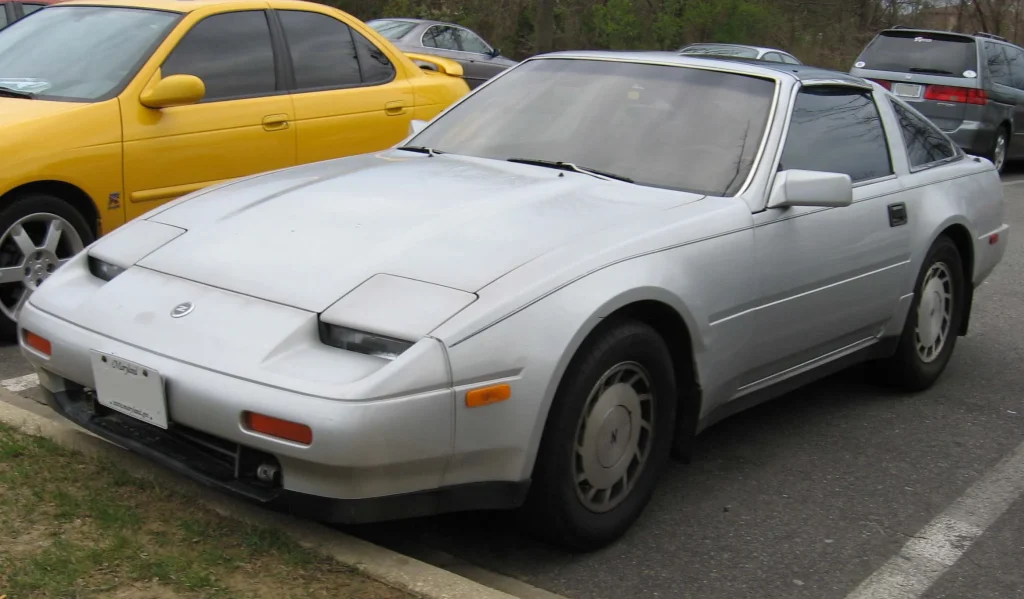
The Nissan 300ZX, particularly the Z31 model, has a sleek design that catches the eye. It’s powered by a V6 engine that produces around 160 to 300 horsepower, depending on whether you go for the naturally aspirated or turbo version.
While it looks like a muscle car, the performance won’t blow your mind, especially compared to modern standards. The Z31 is more about the cruising experience and style than outright speed.
With its digital dash and 80s vibe, it holds a nostalgic charm. Just keep in mind that while you can enjoy the ride, it won’t win any drag races against real performance cars.
1962 Plymouth Savoy
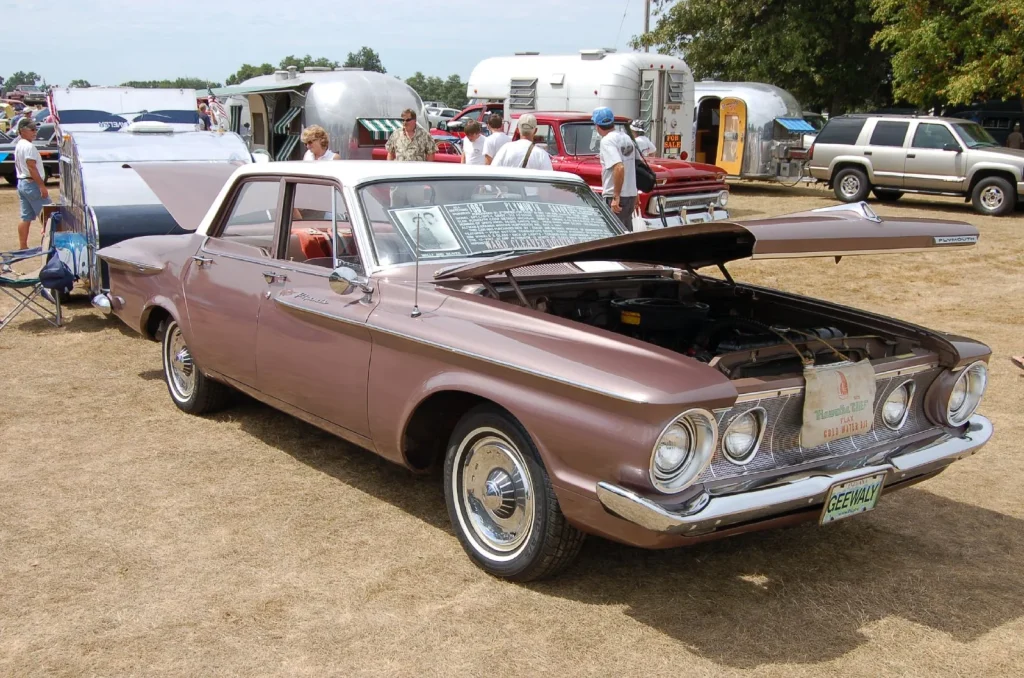
The 1962 Plymouth Savoy is a classic muscle car that can catch your eye with its simple but cool design. It originally came with a modest engine, the 318 V8, which produced around 230 horsepower.
While it wasn’t the fastest on the block, this car has a unique charm. You can spot it by its clean lines and no-frills approach, offering more style than speed.
Some models later featured the 413 Max Wedge engine, boosting performance significantly. This transformation made it a standout during its time, appealing to those who loved the muscle car scene.
Dodge Dart
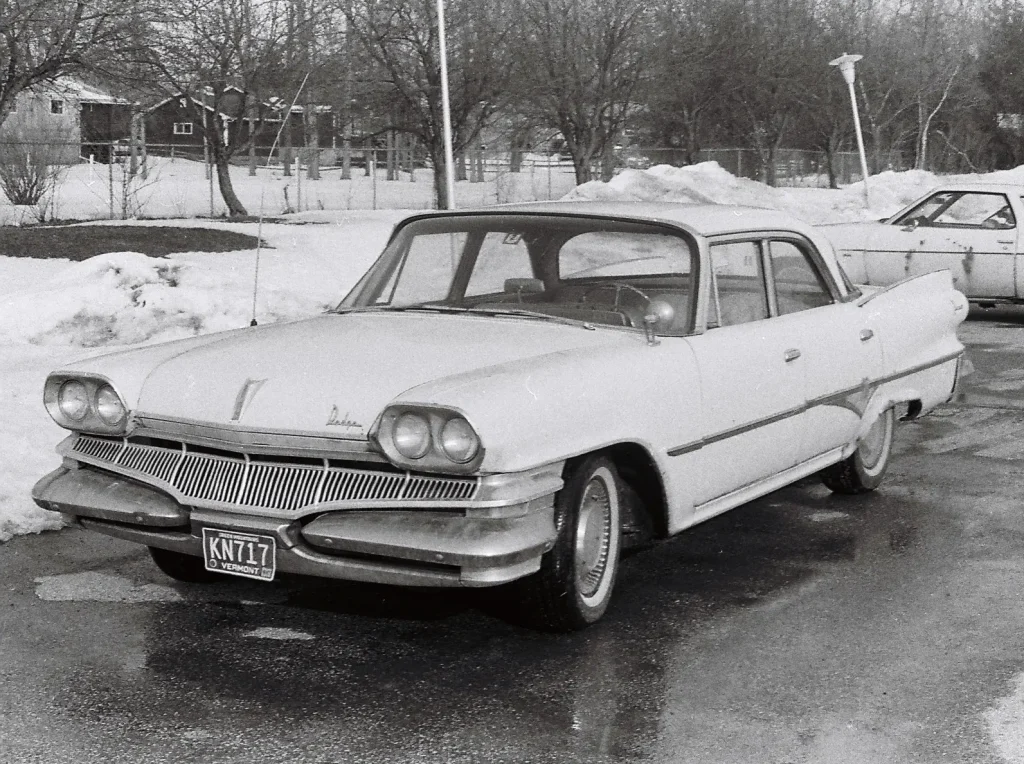
The Dodge Dart often gets attention for its sporty design. It looks fast, but that excitement doesn’t translate under the hood. With an engine that typically produces around 160 horsepower, it’s not exactly a speed demon.
Many enthusiasts find that the performance doesn’t match the aggressive styling. You might see it alongside true muscle cars, but in terms of power, it’s a different story.
The Dart is stylish and fun to drive around town, just don’t expect it to win any race days. If you’re after performance, there are definitely better options out there.
Mitsubishi Eclipse (4G)
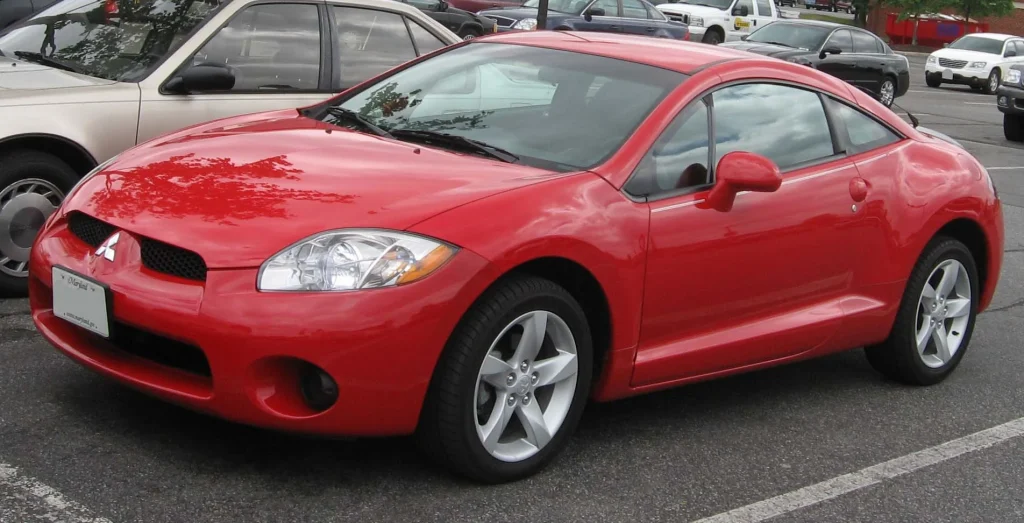
The fourth-generation Mitsubishi Eclipse might catch your eye with its sporty design. However, looks can be deceiving.
Under the hood, it features a 3.8-liter V6 that delivers around 265 horsepower. While that sounds exciting, the car weighs around 3,400 pounds, affecting its real performance.
You can expect a 0 to 60 mph time of just under seven seconds. It’s not bad, but you might be disappointed if you’re expecting true muscle car speed.
So, while the Eclipse stands out visually, it doesn’t quite deliver the thrills you might think.
Ford Fusion Sport
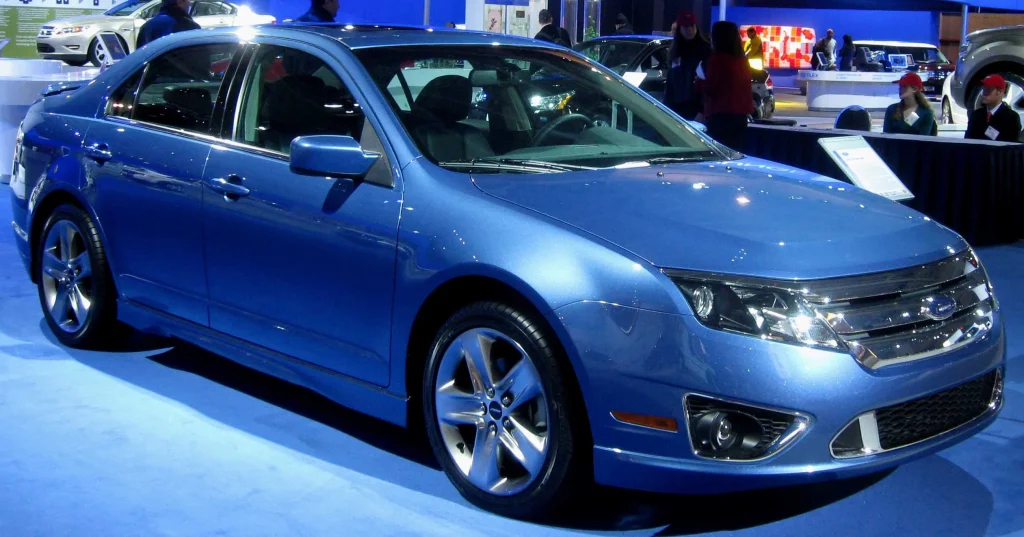
The Ford Fusion Sport might look like a standard family sedan, but it packs a punch under the hood. With a 2.7-liter twin-turbo V6 engine, it produces an impressive 325 horsepower and 380 lb-ft of torque.
You’d be surprised by its acceleration. It can go from 0 to 60 mph in just about 5.3 seconds. Despite its appearance, the Fusion Sport can compete with some muscle cars in performance.
The car features all-wheel drive, enhancing its stability and grip when you hit the gas. While it doesn’t scream speed, it delivers when you push it.