

Some engines are loved for power and refinement, yet mechanics quietly dread seeing them on the schedule. Complex layouts, fragile components, and labor-heavy procedures can turn routine fixes into wallet-draining ordeals. If you are shopping used or planning to keep a vehicle long term, understanding which engines are notorious nightmares to repair can help you budget realistically or avoid trouble altogether.
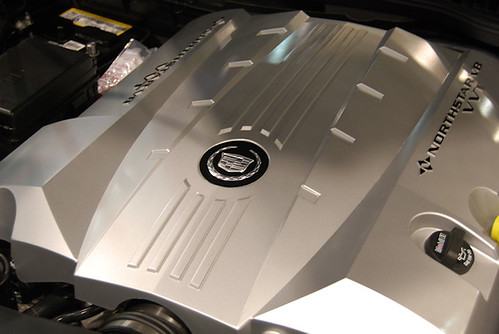
1) Cadillac Northstar V8 Engine
The Cadillac Northstar V8 is infamous among technicians because its head bolts are known to stretch over time, which lets the cylinder heads lift and coolant leak into the cylinders. Owners of 1998-2004 models have documented how this design quirk leads to overheating, misfires, and eventual engine damage, with detailed complaints collected on Northstar head issues. Once coolant starts entering the combustion chambers, you are often looking at a full teardown rather than a quick gasket swap.
Making matters worse, repairs typically require pulling the entire engine out of the car because key accessories are mounted on the sides of the block, buried against the subframe. That layout turns what might be a straightforward head gasket job on other V8s into a major operation involving engine removal, specialized fixtures, and extensive labor hours. For owners, the stakes are high, since repair bills can easily exceed the value of an older Cadillac, forcing a tough decision between scrapping the car or investing in a costly rebuild.
2) Ford 5.4L Triton V8
The Ford 5.4L Triton V8, used in 1997-2010 F-150s and Expeditions, has a notorious spark plug design that makes even basic tune-ups risky. The engine uses two-piece spark plugs that can break off during removal, leaving the lower shell seized in the cylinder head. Mechanics on Triton spark plug threads describe how the porcelain and metal bodies separate, turning a simple service into a delicate extraction job.
When those plugs snap, you often need costly extraction tools and, in worst cases, complete cylinder head removal to drill out the remnants. That means hours of extra labor on trucks that many owners expect to be cheap to maintain. The risk of damage during routine maintenance also discourages DIY work, pushing owners toward professional shops and higher bills. For fleet operators and contractors who rely on these trucks, that combination of downtime and expense can be especially painful.
3) GM 3.8L Series II V6
GM’s 3.8L Series II V6 has a strong reputation for longevity, but its plastic intake manifold gaskets are a weak link that can turn into a repair nightmare. Around 100,000 miles, those gaskets often fail and start leaking coolant internally, a pattern documented in 1996-2005 vehicles on 3.8L gasket discussions. Once coolant seeps past the intake, overheating and potential internal engine damage are not far behind.
Fixing the problem is more involved than simply topping off the radiator. You must drain the entire cooling system, remove the upper and sometimes lower intake manifold, and carefully clean mating surfaces before installing updated gaskets. On older sedans and minivans, corroded fasteners and brittle plastic parts can add hours to the job. For owners who bought these cars for low-cost reliability, the surprise of a major cooling system repair can be both financially and mechanically discouraging.
4) BMW N54 3.0L Twin-Turbo Inline-6
The BMW N54 3.0L twin-turbo inline-6 is beloved for its tuning potential, yet its high-pressure fuel pump (HPFP) is a chronic failure point. Reports on N54 HPFP failure describe how internal wear leads to misfires, long cranks, and eventual no-start conditions in 2007-2010 models. Because the HPFP feeds the direct-injection system at extremely high pressures, any malfunction quickly affects drivability and can leave you stranded.
Replacing the HPFP is not a simple driveway job. Access runs through the valve cover area, and you need special tools and careful procedures to avoid damaging surrounding components. On tightly packaged BMW engine bays, that means significant labor just to reach the pump, followed by precise reassembly and coding. For enthusiasts who bought these cars for performance, the recurring cost and complexity of HPFP replacements can turn ownership into a frustrating cycle of repairs.
5) Volkswagen 1.8T
Volkswagen’s 1.8T four-cylinder is another engine that blends strong performance with tricky maintenance. According to mechanics discussing 1.8T timing failures, the timing belt tensioner and water pump often fail together around 100,000 miles. Because this is an interference engine, a broken belt can let pistons hit valves, bending them and potentially destroying the cylinder head.
Preventive timing belt service on the 1.8T is therefore critical, but it is also labor-intensive. You typically replace the belt, tensioner, idler pulleys, and water pump in one session, which requires front-end disassembly and careful alignment of timing marks. Skipping or delaying this service to save money can backfire badly, resulting in catastrophic engine damage and a repair bill that exceeds the value of many older Jettas, Passats, and Audi A4s that use this engine.
6) Audi 2.7L Biturbo V6
The Audi 2.7L biturbo V6, found in early 2000s performance models, combines twin turbos with complex timing hardware, and that complexity shows up in the repair bay. Owners and technicians on 2.7L biturbo threads report heavy carbon buildup on intake valves that requires walnut blasting roughly every 50,000 miles. Direct injection and tight intake runners make this buildup more than a cosmetic issue, since it can cause rough running and power loss.
Beyond the carbon, the engine’s timing chain guides are known to wear, and addressing them often means putting the car into a “service position” and tearing down the entire front end. That level of disassembly adds hours of labor before you even reach the worn parts. For you as an owner, the combination of frequent carbon cleaning and occasional timing work can turn a once-affordable used S4 or A6 into a high-maintenance project.
7) Subaru EJ25 Boxer
The Subaru EJ25 boxer engine is a case study in how layout can complicate repairs. Head gaskets in the EJ25 fail due to uneven cooling, which leads to overheating and mixing of oil and coolant, a pattern widely discussed on EJ25 head gasket forums. The horizontally opposed design places the heads low and wide in the engine bay, which makes access more difficult than on an inline-four.
For single overhead cam (SOHC) versions from 1999-2004, mechanics often remove the entire engine to replace the failed gaskets with multi-layer metal versions. That is a major operation involving disconnecting wiring, exhaust, and cooling components before the engine can be lifted out. Videos such as “Why Subaru Engines FAIL” break down how The EJ layout and Here Subaru’s design choices contribute to these weak points. For buyers considering older Outbacks or Foresters, factoring in a potential engine-out head gasket job is essential.
8) Honda K-Series Inline-4
Honda’s K-Series inline-4, including K20 and K24 variants, is praised for performance but hides some frustrating service issues. The VTEC solenoid and oil pressure switch on these engines are known to leak oil, which can lead to low pressure and potential engine damage if ignored. Discussions on K-series VTEC leaks detail how these components seep over time, coating the back of the engine and transmission.
Accessing the leaking parts is not always straightforward. You typically must remove the valve cover and work in cramped engine bays, especially in 2002-2012 Civics and Accords where the engine sits close to the firewall. That tight packaging turns what could be a quick gasket or sensor replacement into a time-consuming job. For enthusiasts who swap K-Series engines into smaller chassis, planning for these oil leak repairs and the associated labor is a smart move.
9) Toyota 1MZ-FE V6
The Toyota 1MZ-FE V6, used in 1997-2006 Camrys and related models, is generally reliable but has a serious timing-related flaw. The variable valve timing with intelligence (VVT-i) actuator gears can strip their teeth, which causes rattles and timing issues that are documented in 1MZ-FE VVT-i reports. Once those gears start slipping, valve timing becomes erratic, leading to noise, poor performance, and potential internal damage.
Replacing the failed VVT-i actuator involves removing the front timing cover, a job that can easily run 10 or more hours on these transverse-mounted engines. You must support the engine, remove mounts, and work around tight clearances to access the timing components. For owners of aging Camrys, Avalons, and Lexus ES models, that level of labor can turn a single failed actuator into a four-figure repair, which often triggers the question of whether to fix the car or move on.
10) Chrysler 3.8L V6
The Chrysler 3.8L V6, common in 2001-2010 minivans, suffers from intake manifold gasket leaks that mirror issues seen in some GM engines. According to discussions on 3.8L intake leak threads, these gaskets can allow coolant to intrude into the crankcase. Once coolant mixes with engine oil, lubrication breaks down, accelerating wear on bearings and other internal parts.
Addressing the leak requires removing the intake manifold and installing a full gasket kit, which is more involved than a simple external hose repair. On front-drive minivans, access to the rear bank and manifold bolts is cramped, adding frustration and time. For families relying on these vans as daily transportation, catching the leak early is crucial, since prolonged coolant contamination can turn a gasket job into a full engine replacement.
11) Mercedes-Benz M271 2.0L Inline-4
The Mercedes-Benz M271 2.0L inline-4, used in 2003-2009 C-Class models, has a known weak point in its balance shaft sprocket. Reports on M271 balance shaft wear explain how the sprocket teeth wear prematurely, allowing the timing chain to jump. When that happens, timing can slip far enough to cause chain failure and serious internal engine damage.
Repairing this issue is far from simple. Technicians must remove the oil pan and use special locking tools to hold the crankshaft and camshafts in place while replacing the worn sprocket and chain. That level of precision work, combined with the labor of accessing the bottom end, makes the repair both time-consuming and expensive. For owners of older C-Class sedans, the prospect of a major timing repair can significantly affect resale value and long-term ownership costs.
12) Land Rover 5.0L AJ-V8
The Land Rover 5.0L AJ-V8, fitted to 2009-2016 Range Rovers, is another engine where timing components create major headaches. The timing chain tensioners in this engine are known to collapse, which causes chain slap and can lead to valve damage if the chain jumps. Owners and mechanics discussing AJ-V8 tensioner failures describe rattling noises on cold start as an early warning sign.
Accessing the failed tensioners is particularly punishing. On many models, you must remove the transmission to reach the rear-mounted timing components, turning the job into a major drivetrain-out service. That level of labor, combined with the cost of new chains, guides, and tensioners, can result in repair bills that rival the price of a used SUV. For buyers tempted by the luxury and off-road capability of an older Range Rover, understanding this risk is essential.
13) Porsche 3.6L Flat-6 (996/997)
The Porsche 3.6L flat-6 in 996 and early 997 911s is infamous for its intermediate shaft (IMS) bearing failures. Technical analysis on IMS bearing failure explains how the bearing can degrade, leading to oil starvation and sudden engine seizure. When the IMS bearing lets go, metal debris circulates through the lubrication system, often destroying the entire engine in seconds.
Preventive replacement of the IMS bearing is possible, but it requires partial engine disassembly on 1998-2008 911s. Typically, the transmission must be removed, and the engine partially separated to access the bearing housing. That makes the job expensive even as a precaution, and catastrophic if done reactively after a failure. For enthusiasts shopping these 911s, budgeting for an IMS retrofit or verifying that it has already been done is a critical part of due diligence.
14) Jaguar AJ-V8 4.2L/5.0L
The Jaguar AJ-V8 in 4.2L and 5.0L form, used in 2003-2010 XJ and XK models, rounds out the list with another timing system nightmare. The engine uses plastic timing chain guides that can break apart, scattering debris inside the timing cover. Owners on AJ-V8 timing guide threads describe how broken pieces lead to slack chains and the risk of skipped timing.
Fixing the problem is a marathon job. You must remove the front cover and replace the full chain set, tensioners, and guides, a process that often consumes 20 or more hours of labor. That means even proactive replacement to avoid a failure is a major financial commitment. For luxury sedan and coupe buyers, the prospect of such an extensive teardown can heavily influence whether an aging Jaguar feels like a dream purchase or a looming liability.
More from Wilder Media Group: