


Muscle cars have always been synonymous with power and performance, capturing the imagination of car enthusiasts and casual drivers alike. You might be surprised to learn that many classic muscle cars, despite their aggressive looks and high horsepower ratings, were actually quite slow on the track.
This paradox raises an interesting question about the relationship between a car’s design and its real-world performance. While these vehicles often boast impressive specifications, their actual speed might not measure up to modern expectations.
1980-81 Turbo Trans Am
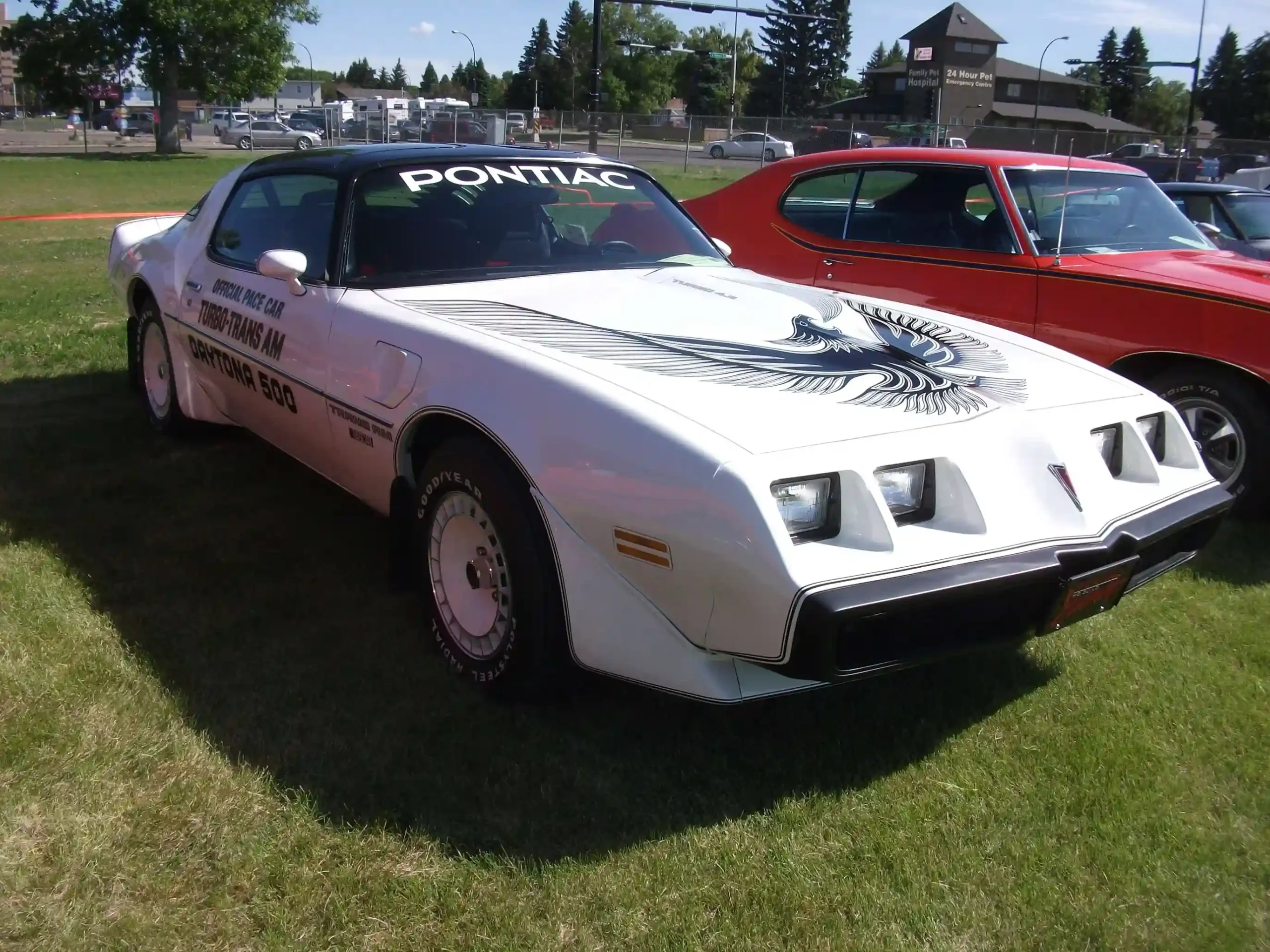
The 1980-81 Turbo Trans Am is famously known for being one of the more disappointing muscle cars of its era. Despite its aggressive styling, it featured a 301 cubic inch V8 engine that produced around 210 horsepower.
You might expect more speed from a car with this badge, but its 0-60 mph time was around 7.5 seconds.
The Turbo T/A was a product of its time, where emissions regulations limited performance. Despite its underwhelming specs, it’s still a piece of automotive history that many fans appreciate.
1970 Mercury Cyclone

The 1970 Mercury Cyclone might look like a classic muscle car, but it wasn’t as fast as you’d hope. Weighing in at around 3,700 pounds, it gained 500 pounds compared to earlier models.
Equipped with a 429 Cobra Jet V8, it produced a solid 360 horsepower. That sounds great on paper, but the weight held back its performance. You’ll find that the Cyclone was more about style than raw speed, making it a unique piece of automotive history.
If you appreciate classic looks with a hint of irony, the Cyclone is a standout. Just don’t expect to win any drag races in this heavyweight.
1977-81 Corvette
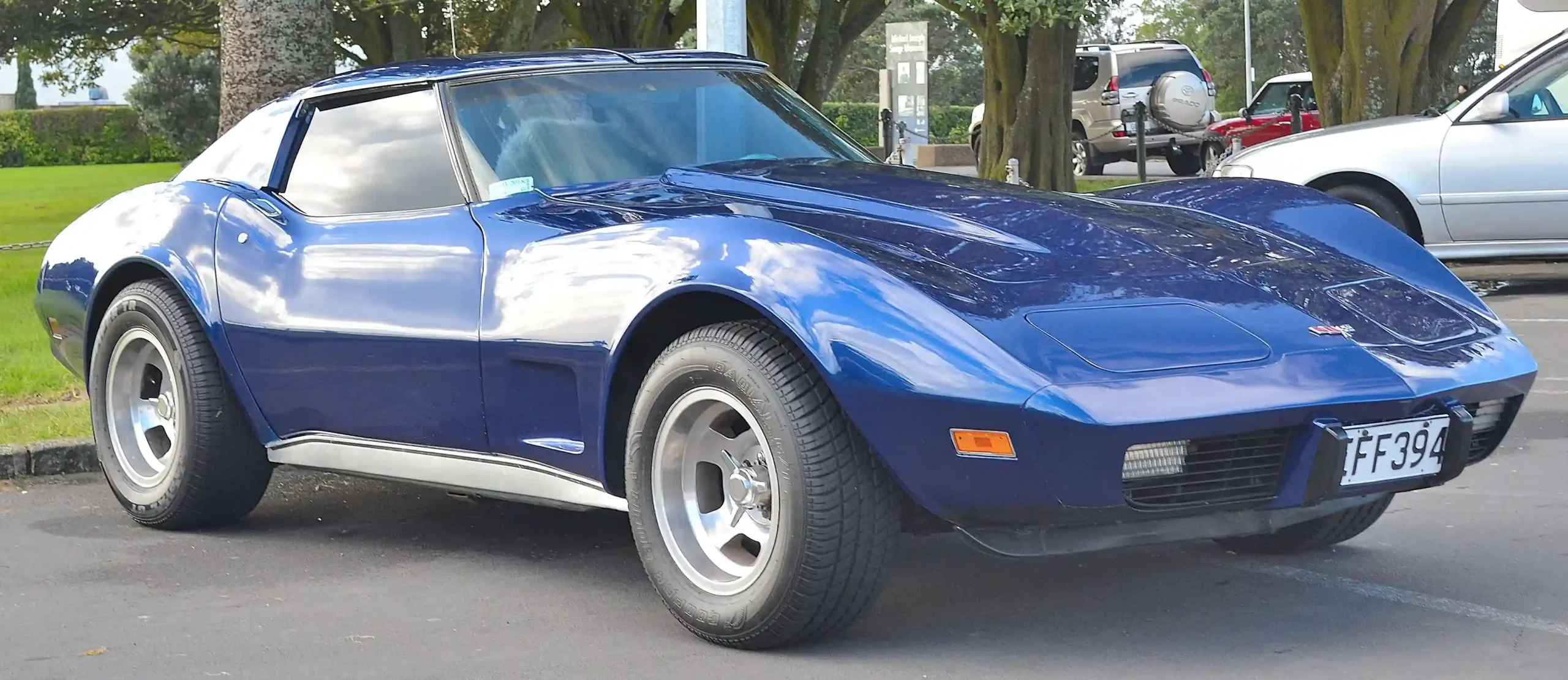
The 1977-81 Corvette, part of the C3 generation, may look sleek but isn’t as quick as you’d expect. These models had a significant change in performance due to stricter emissions regulations.
During this era, horsepower declined, with the 1981 version boasting only about 190 hp from its 5.7-liter V8 engine. Weighing in at around 3,500 pounds, it struggled with acceleration compared to earlier models.
While it holds a strong place in car history, the performance numbers can be surprising for a car with such a bold style. You might find the looks captivating, but the driving experience doesn’t match the muscle car reputation.
Falcon XA/XB
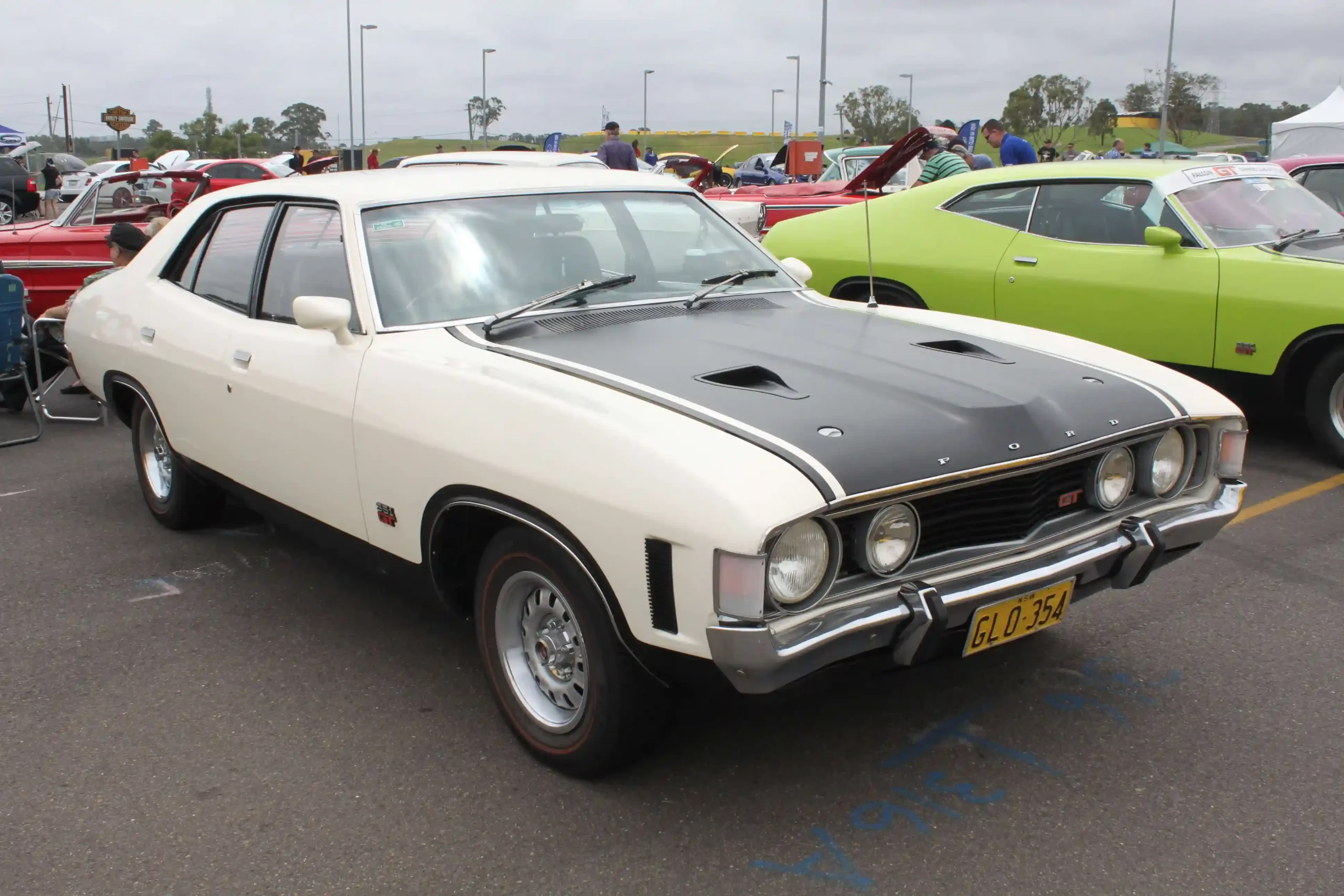
The Ford Falcon XA and XB were iconic in the muscle car scene, but they often fell short of the expected performance. You might think they pack a serious punch, but their weight and design kept them from being true speed demons.
The Falcon XA came equipped with a 351 Cleveland engine, boasting 300 horsepower. While that sounds impressive, the car’s bulk meant it didn’t deliver the neck-snapping acceleration you might anticipate.
Drivers find that, despite their classic looks, the Falcon XA/XB models are more about style and nostalgia than raw speed. They make for a great ride but don’t expect them to outrun their modern counterparts.
Triumph Stag
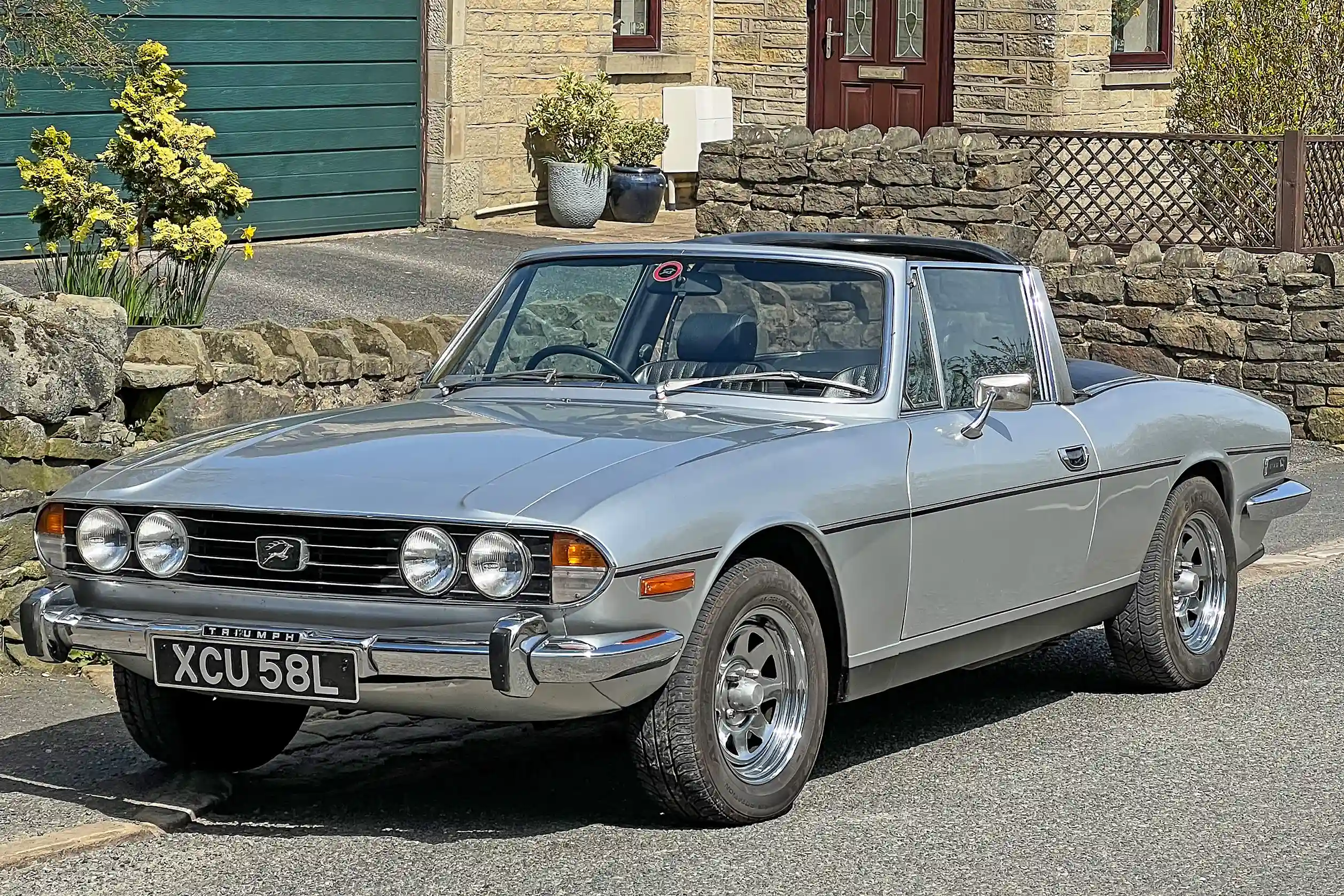
The Triumph Stag is a classic British sports car you might find surprising. With its V8 engine, it was expected to perform well, but it struggled.
Reaching 0 to 60 mph in about 11.5 seconds, it wasn’t exactly quick by muscle car standards. Many drivers experienced issues with the engine, making it infamous for reliability problems.
While it has a stylish design, the Stag’s performance left a lot to be desired. If you’re looking for a slow muscle car, the Triumph Stag fits the bill perfectly.
1965 Pontiac GTO with a 326 V8
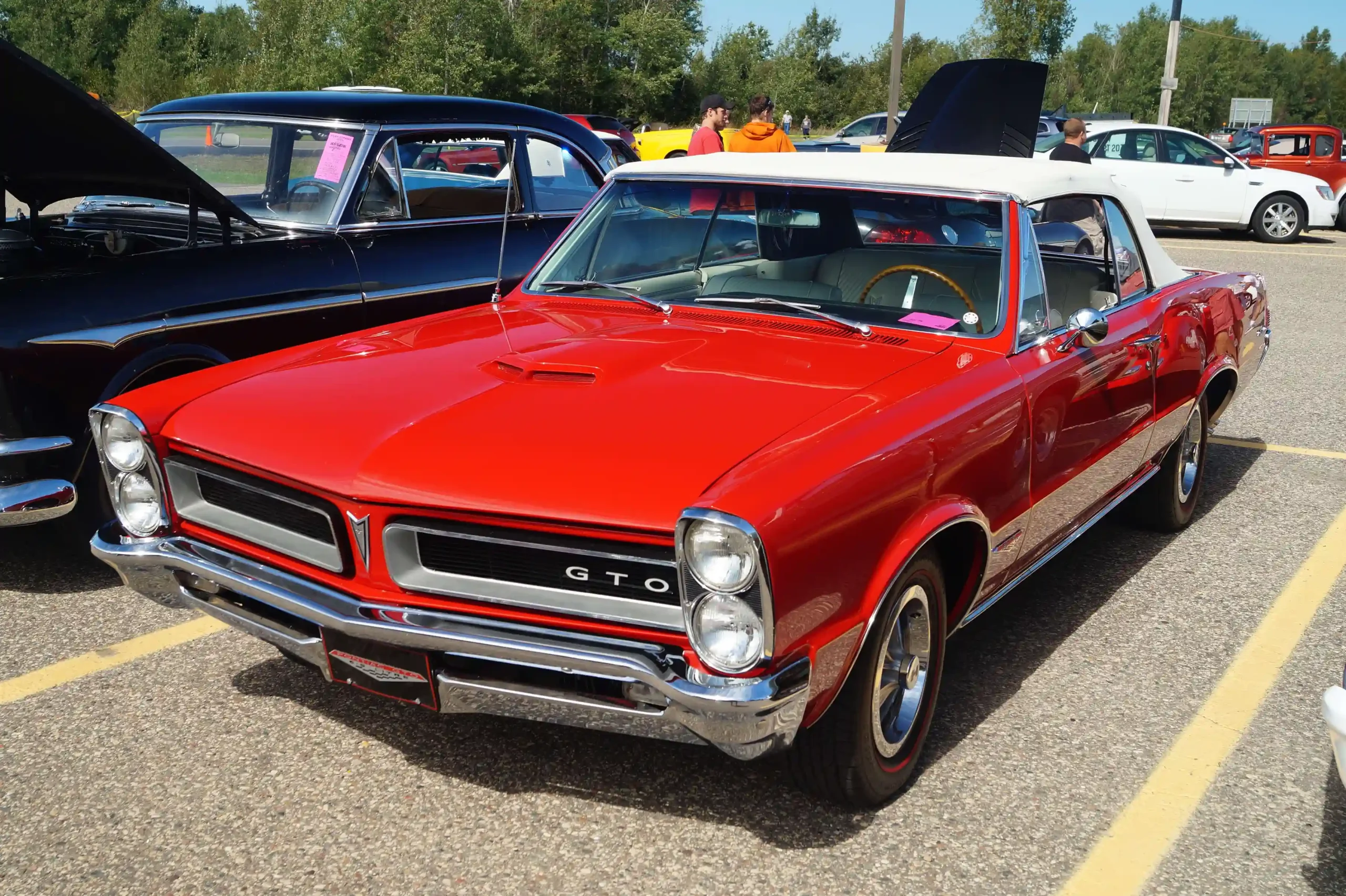
The 1965 Pontiac GTO with a 326 V8 may surprise you. This model packs a 326 cubic-inch engine, producing around 250 horsepower.
While that might seem decent, it wasn’t exactly the powerhouse you’d expect from a muscle car.
With a 0 to 60 mph time of about 8 seconds, it’s clear that it lags behind some of its rivals.
The GTO was praised for its style and comfort, though the performance didn’t always match its bold image.
This muscle car appeals to enthusiasts for its classic design rather than raw speed.
1975 Ford Mustang II
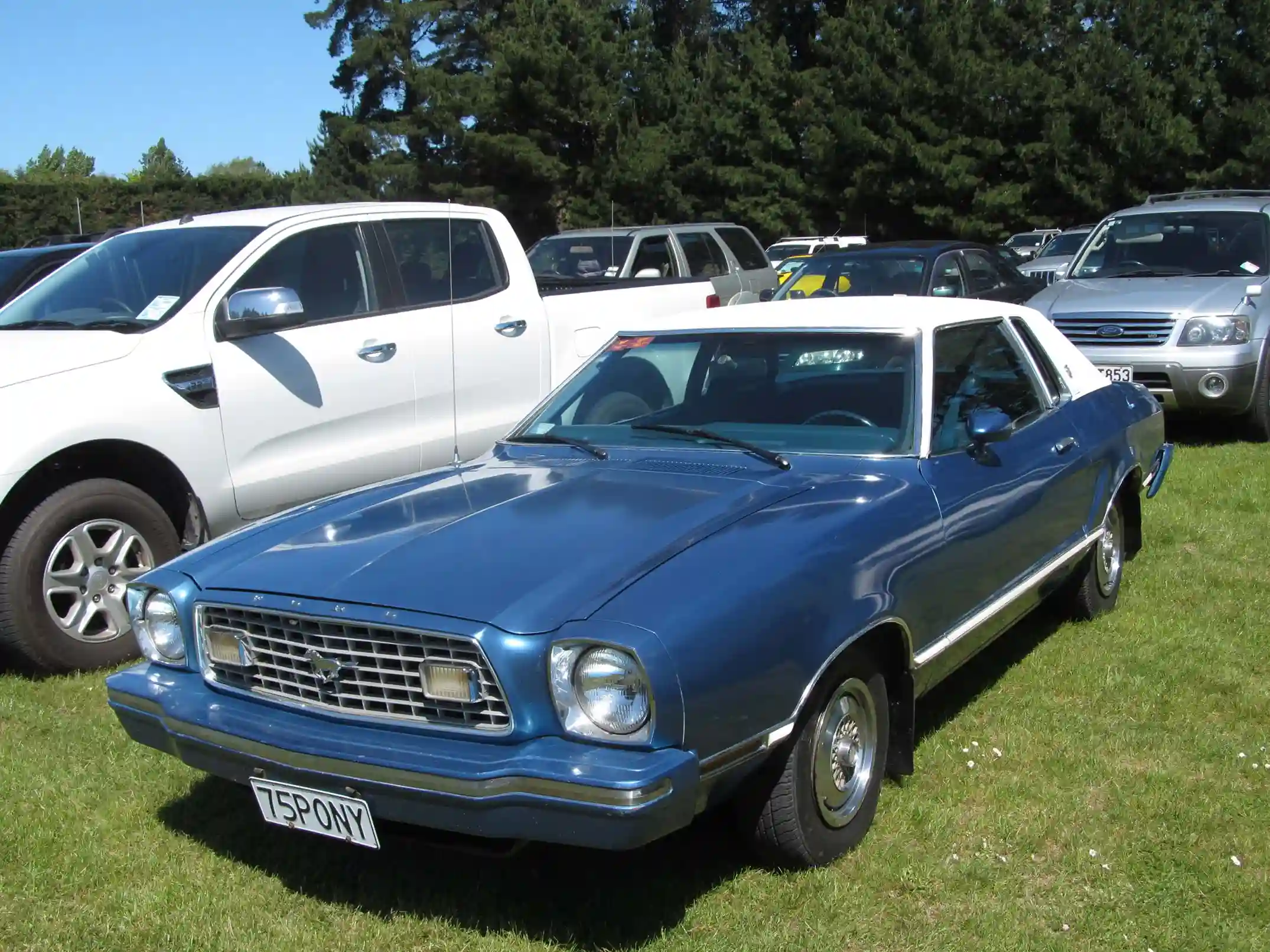
The 1975 Ford Mustang II is often seen as a surprising entry in the muscle car scene. Weighing around 3,000 pounds, it was heavier than earlier Mustang models, which affected its performance.
Powered by a 2.8-liter V6 engine, it produced just 105 horsepower. You might find its acceleration to 60 mph in about 10 seconds lacking compared to its muscle car peers.
Despite its slower performance, this model surprisingly became one of the best-selling Mustangs at the time, showing that style can sometimes outweigh speed. If you appreciate the Mustang legacy, the II has its charm, even if it’s not the fastest on the block.
1978 Dodge Charger SE

The 1978 Dodge Charger SE is often seen as more of a style icon than a performance powerhouse. With a 400 V8 engine, it produced only 190 horsepower, which is pretty modest for a muscle car.
It came with power disc brakes and power steering, making it easier to handle. The exterior featured a rugged Gun Metal paint, giving it a tough look on the road.
Despite its muscle car label, don’t expect lightning-fast acceleration. This Charger prioritized show over go, setting it apart from its more powerful predecessors.
1982 Chevrolet Camaro Iron Duke
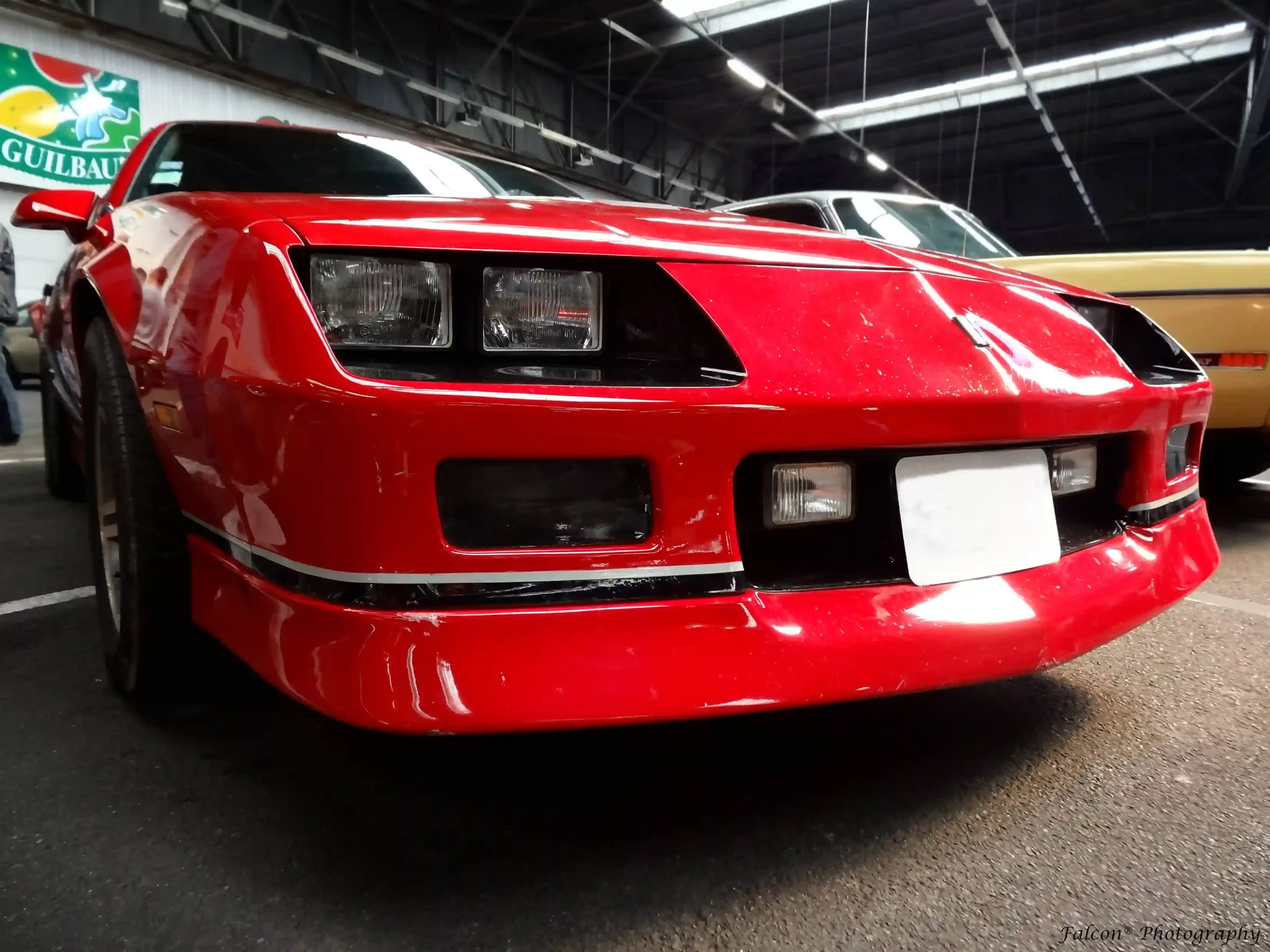
The 1982 Chevrolet Camaro Iron Duke is infamous among muscle car enthusiasts for its lackluster performance. With just 90 horsepower from its 2.5-liter four-cylinder engine, it was not the powerhouse you’d expect.
You could clock 0-60 mph in approximately 20 seconds. That’s slower than many typical family cars today. It’s a Camaro that leaves you waiting instead of roaring down the road.
Despite its looks, the Iron Duke was more of a daily driver than a muscle car. Many enthusiasts look back and wonder what Chevrolet was thinking with this model.
1969 Dodge Super Bee with 383 V8

The 1969 Dodge Super Bee with the 383 V8 is a classic that many muscle car enthusiasts admire. It packed a solid punch with its 335 horsepower, but don’t let that fool you.
When it comes to performance, it ran quarter-mile times in the mid-15 second range. That might not sound slow in the everyday world, but for a muscle car, it wasn’t impressively quick.
While it looks the part with its aggressive styling, the Super Bee’s speed didn’t always match its bold appearance. You’d be surprised at how much more some modern cars can do with less power.
1978 AMC Matador
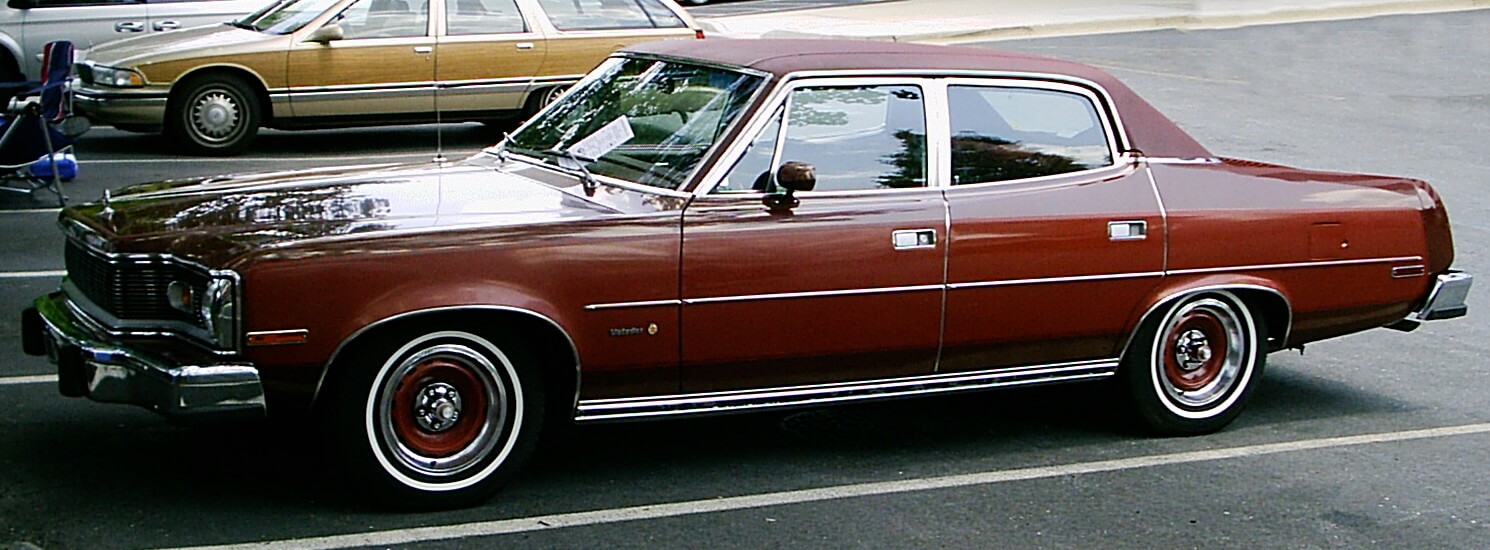
The 1978 AMC Matador was known for its unique design and mid-sized frame. It wasn’t exactly a speedster, though.
Equipped with a 5.9-liter V8 engine, it delivered around 197 horsepower. This might seem decent, but the Matador had a 0 to 60 mph time of about 10 seconds.
In a world of muscle cars boasting impressive stats, the Matador’s performance felt lackluster. Despite its looks, you probably wouldn’t associate it with speed.
While it had its fans, it didn’t quite keep up with rivals from the Big Three. Its production ended in 1978, marking a quiet exit from the muscle car scene.
1980 Ford Thunderbird Turbo Coupe
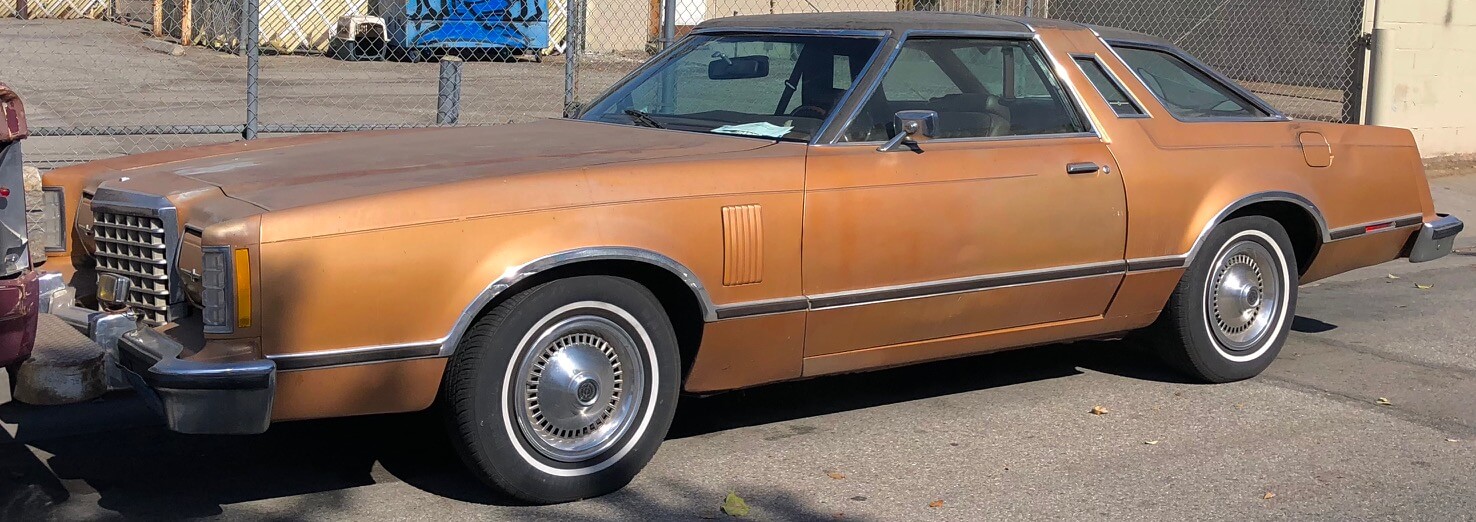
The 1980 Ford Thunderbird Turbo Coupe aimed to blend style with performance. You might think it’s a muscle car, but it didn’t quite live up to that label.
With a turbocharged 2.3-liter inline-four engine, it produced about 142 horsepower. While that sounds decent, it was far from the muscle cars of the era.
The focus was on comfort and luxury rather than raw speed, which is why it lagged behind the competition. The Thunderbird Turbo Coupe was more about cruising than racing.
1967 Mercury Cougar with 289 V8
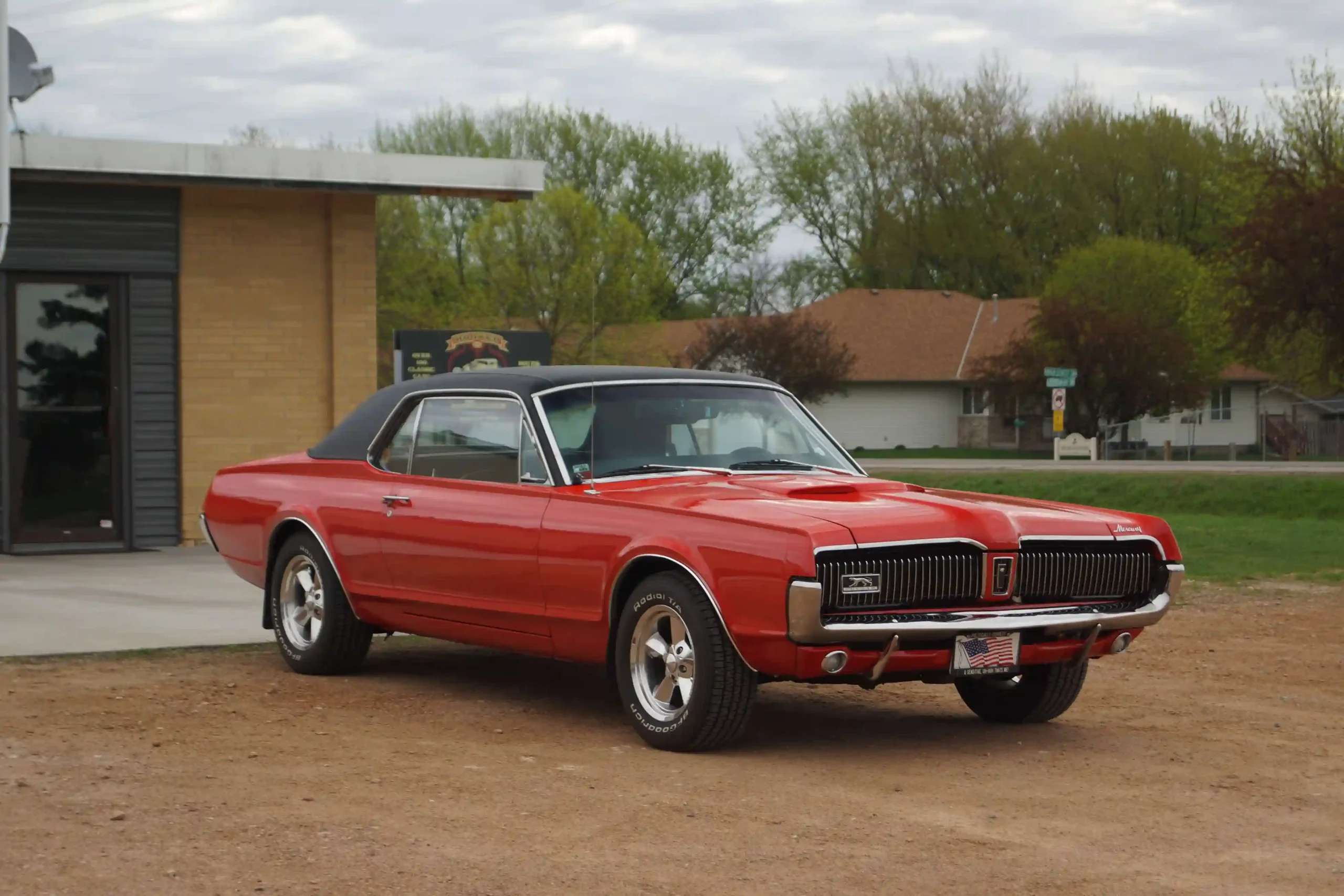
The 1967 Mercury Cougar is an interesting muscle car choice. It featured a standard 289 V8 engine, producing around 200 horsepower.
While that sounds decent, it didn’t translate to high performance. You could go from 0 to 60 mph in about 9.0 seconds, which is on the slower side compared to its peers.
The Cougar offered style and comfort, but it wasn’t a speed demon. Still, its sleek design and classic looks make it a favorite among enthusiasts.
1974 Plymouth Road Runner
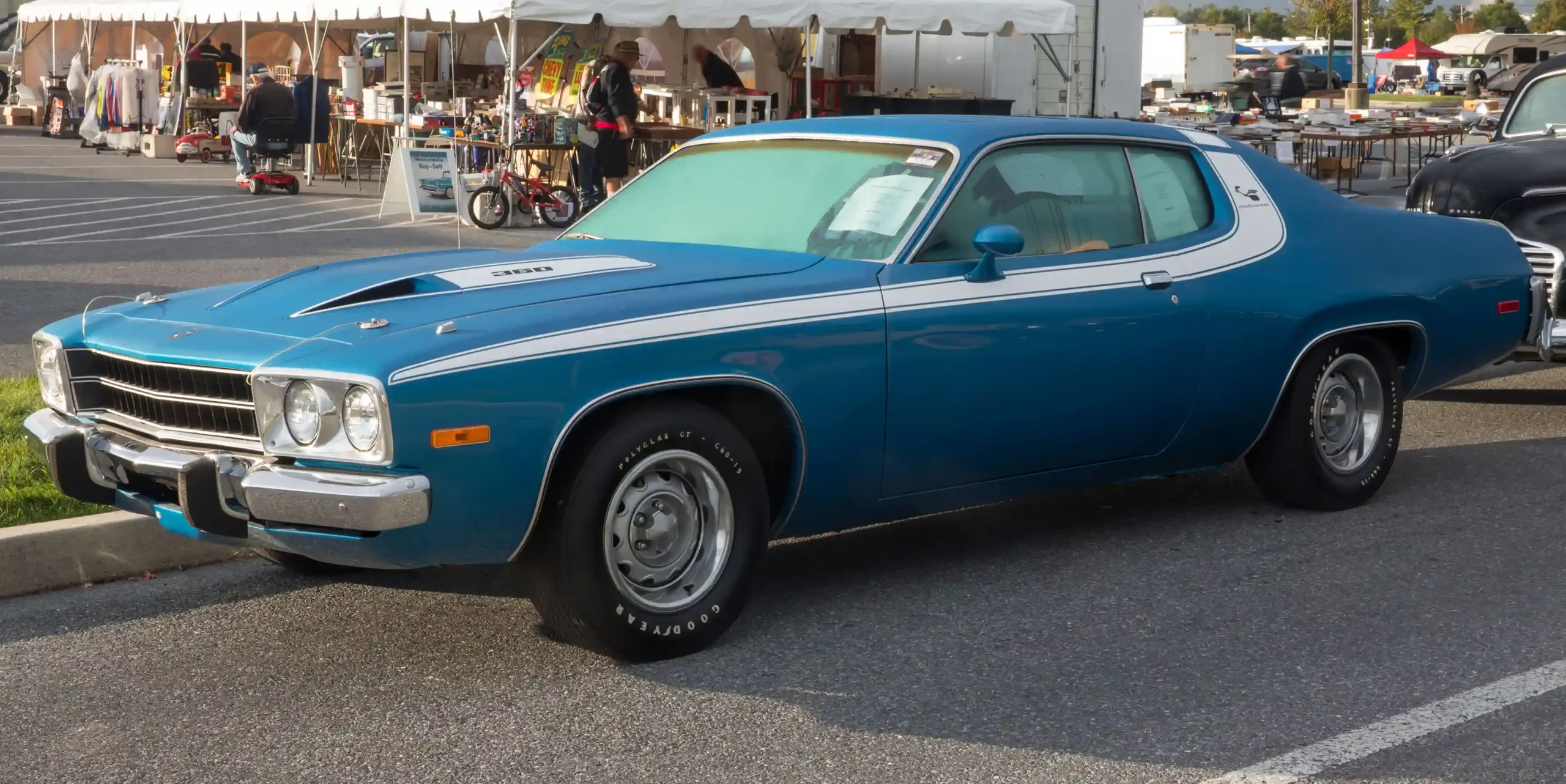
The 1974 Plymouth Road Runner marked a shift for muscle cars. It was equipped with a 383ci V8 engine, which produced around 240 horsepower. This was a notable decrease compared to its predecessors.
You might think that was plenty of power, but it’s important to remember that by 1974, many muscle cars were detuned due to stricter emissions regulations.
The Road Runner was designed more for comfort than speed, leading to quarter-mile times that were respectable for the era but not particularly thrilling. You could expect around 15 seconds, which was a far cry from the earlier models.