

A recent analysis of all-wheel drive (AWD) systems in vehicles has revealed that many models on the market utilize setups that function similarly to front-wheel drive (FWD) systems, albeit with added performance features. This finding affects a broad range of consumers, particularly those who are considering purchasing new vehicles for improved traction and handling. Understanding the differences in AWD systems is crucial for buyers making informed decisions in a competitive automotive market.
Understanding AWD and FWD Systems
All-wheel drive systems are designed to provide power to all four wheels of a vehicle, enhancing traction and stability, especially in adverse weather conditions. However, a significant number of AWD systems on the market are essentially front-wheel drive systems with additional components that can divert power to the rear wheels when needed. This can create a perception of enhanced capability that may not be entirely accurate.
For example, the 2021 Honda CR-V features an AWD system that primarily operates in FWD mode. The system automatically distributes power to the rear wheels only when it detects slip, making it more akin to FWD with performance enhancements rather than a traditional AWD setup. This distinction is critical for consumers who may assume they are purchasing a vehicle with superior off-road capabilities.
Common AWD Systems That Are FWD-Based
Here is a list of 15 vehicles with AWD systems that predominantly function as FWD with additional performance-related features:
- 2021 Honda CR-V: As mentioned, this compact SUV primarily operates in FWD, engaging the rear wheels only when necessary.
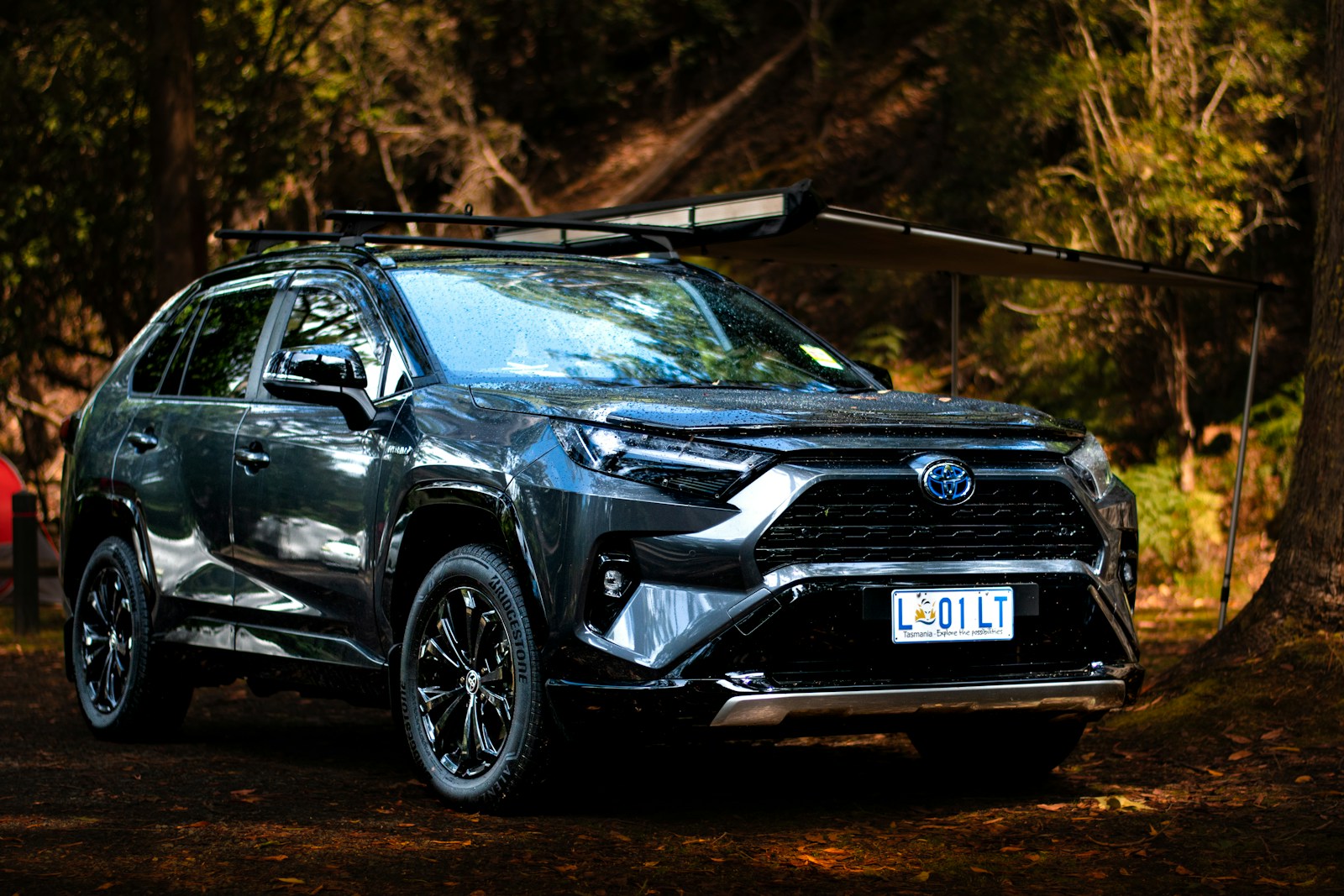
- 2020 Toyota RAV4: Similar to the CR-V, the RAV4’s AWD system can send power to the rear wheels but is primarily FWD-based.
- 2022 Subaru Crosstrek: Subaru is known for its AWD systems, but the Crosstrek features a system that relies heavily on FWD when conditions are normal.
- 2021 Nissan Rogue: The Rogue offers an AWD option that activates rear-wheel power only under specific conditions.
- 2021 Ford Escape: Ford’s Escape utilizes a system that primarily operates in FWD mode, engaging AWD as needed.
- 2022 Chevrolet Equinox: This compact SUV features an AWD system that is mostly FWD until traction is lost.
- 2021 Kia Sportage: The Sportage’s AWD system is designed to mimic FWD functionality until additional traction is required.
- 2020 Volkswagen Tiguan: The Tiguan has an AWD option that mainly functions as FWD, providing rear-wheel drive only when necessary.
- 2021 Hyundai Tucson: Similar to its competitors, the Tucson’s AWD system operates predominantly in FWD mode.
- 2022 Mazda CX-5: The CX-5 has an AWD system that prioritizes front-wheel drive, engaging the rear wheels selectively.
- 2021 Jeep Compass: Although Jeep is known for off-road capability, the Compass features an AWD system that is primarily FWD.
- 2021 Mitsubishi Outlander: The Outlander’s AWD system engages rear wheels primarily in response to traction loss.
- 2022 Buick Envision: This luxury SUV’s AWD system operates largely in FWD mode, activating the rear wheels when slip is detected.
- 2022 Ford Bronco Sport: Despite its rugged appearance, the Bronco Sport’s AWD system is based on FWD functionality.
- 2021 Volvo XC40: Volvo’s compact SUV utilizes an AWD system that operates mainly in FWD until necessary.
Consumer Implications and Industry Impact
The prevalence of FWD-based AWD systems poses significant implications for consumers, especially those living in regions where all-weather capability is essential. Buyers may be misled into believing they are purchasing vehicles with robust off-road capabilities, when in reality, these systems are primarily designed for on-road use. Understanding the mechanics of these systems can influence purchasing decisions, potentially steering consumers toward vehicles that offer true AWD performance.
Furthermore, the automotive industry may need to reassess marketing strategies related to AWD vehicles. As consumers become more educated about the differences in AWD technologies, manufacturers may face pressure to clarify the capabilities of their systems.