


The ’70s and ’80s were a wild time for the automotive world, filled with creativity and innovation that pushed the boundaries of design and technology. You’ll discover some of the best concept cars from this era that not only captivated audiences but also laid the groundwork for future automotive advancements.
These unique vehicles showcased the ideas and ambitions of designers who dared to dream big. From futuristic shapes to experimental features, these concept cars reflect a bold vision that continues to inspire car enthusiasts today.
Mazda RX-500
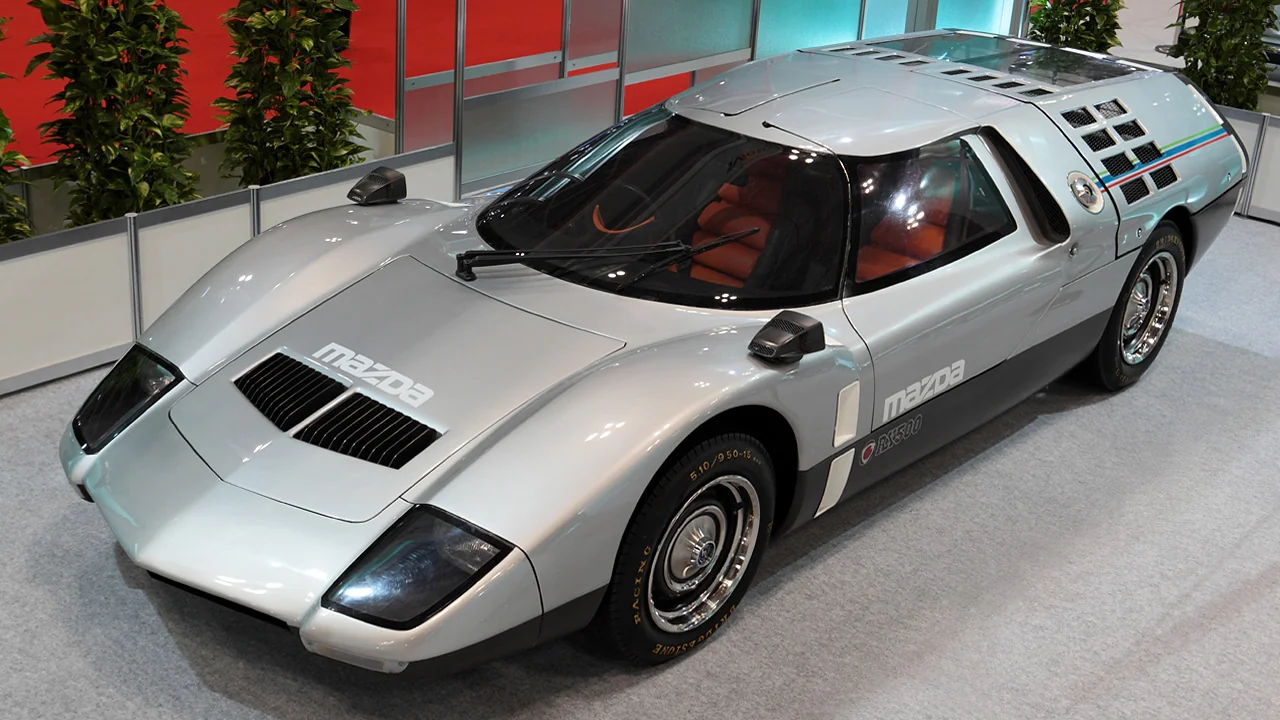
The Mazda RX-500 first hit the scene at the 1970 Tokyo Motor Show. It was a bold experiment showcasing Mazda’s innovative spirit.
This concept car featured a lightweight design with a Wankel twin-rotor engine. The engine allowed it to achieve a surprising top speed of 130 mph.
Its distinct style included a multi-colored rear and an aerodynamic shape that turned heads. If you’re into unique automotive history, the RX-500 is definitely a standout.
It played a significant role in shaping Mazda’s future designs and inspired many enthusiasts.
Ogle Aston Martin ‘Sotheby Special’
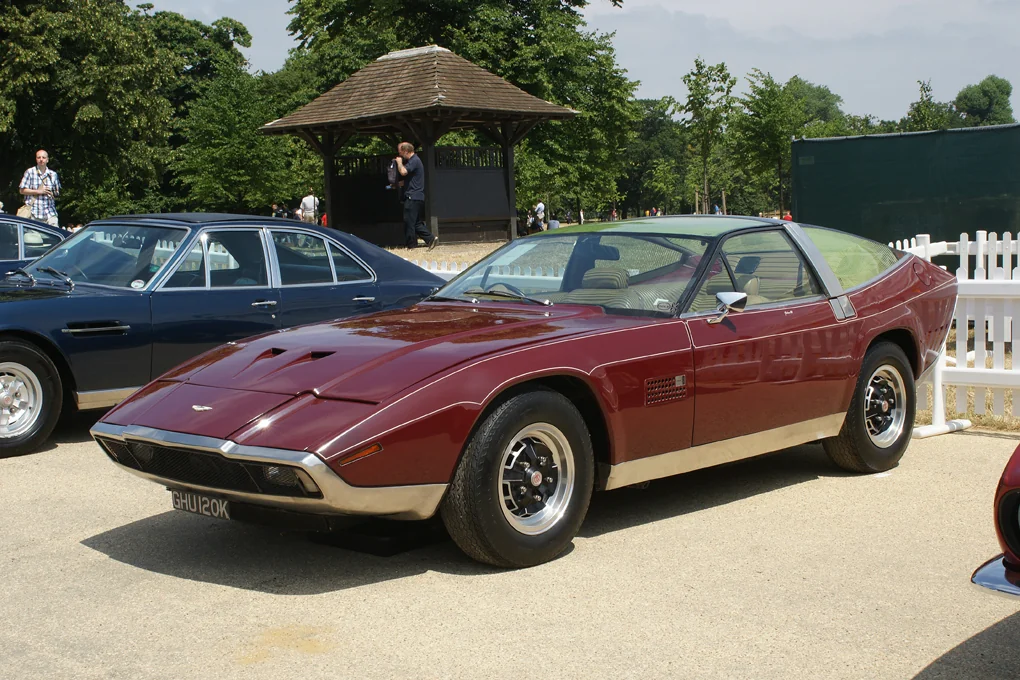
The Ogle Aston Martin ‘Sotheby Special’ is a standout from the early ’70s, known for its unique design and stylish flair. Introduced in 1972, this model featured a sleek, dark blue exterior with eye-catching gold pinstripes.
You’ll notice it was named after the Sotheby brand, which was used for promotional purposes. This car was more than just looks; it packed a V8 engine that delivered a sporty performance.
With only a few prototypes built, it’s now considered a rare gem for collectors. The ‘Sotheby Special’ reflects a time when automakers pushed creative boundaries, making it a truly iconic car from that era.
Vauxhall SRV
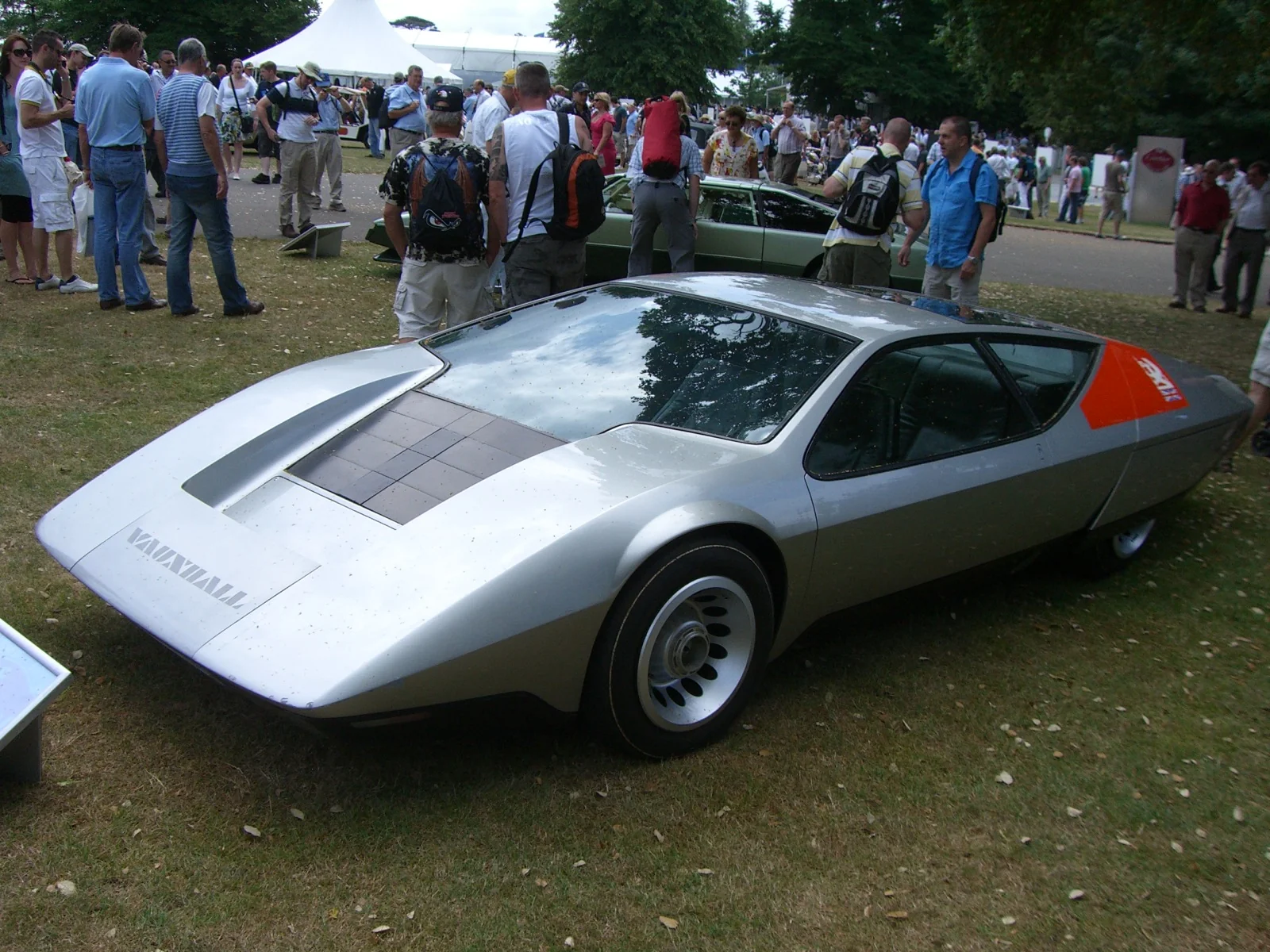
The Vauxhall SRV, introduced in 1970, was a striking concept car that showcased innovative design. With a sleek, futuristic look, it featured hidden rear doors and adjustable aerodynamics.
Designed by Wayne Cherry and Chris Field, the SRV aimed to blend style with performance. This four-seater supercar promised a unique blend of comfort and cutting-edge technology.
You might find it interesting that the SRV was considered too advanced for its time, highlighting Vauxhall’s ambition in automotive innovation. It remains a fascinating piece of automotive history, appealing to fans of retro futurism.
Peugeot Peugette

The Peugeot Peugette is a unique concept car from 1976, designed in collaboration with Pininfarina. It aimed to introduce an affordable sports car to the Peugeot lineup.
With its sleek, compact design, the Peugette featured a lightweight structure and an innovative aesthetic that stood out in the ’70s. The car emphasized fun and performance, making it a memorable entry in the world of concept cars.
This model reflects the adventurous spirit of its time and highlights Peugeot’s willingness to experiment with design. You can check out more about this intriguing concept in detail at Classic & Sports Car.
1989 Dodge Viper RT/10
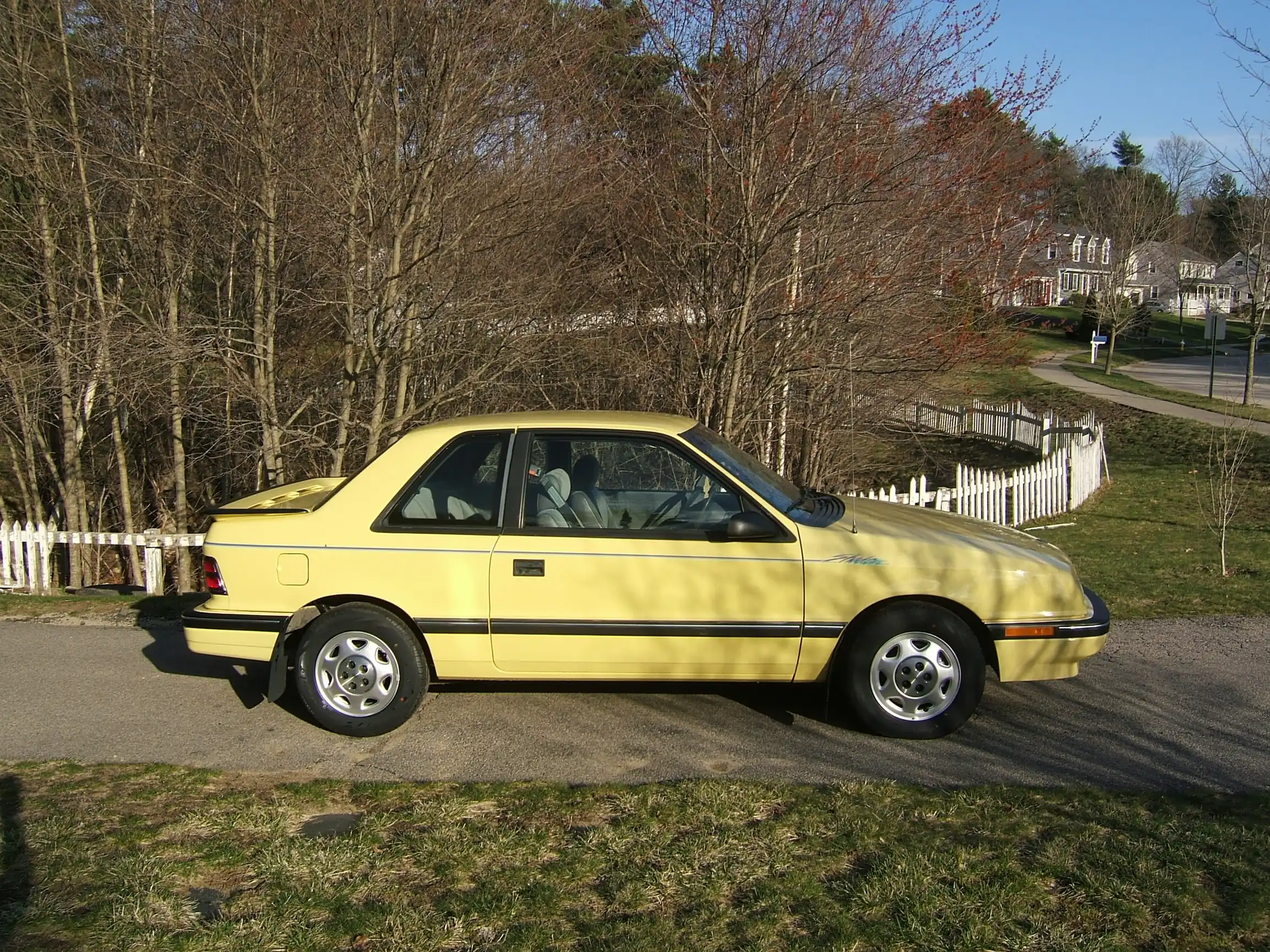
The 1989 Dodge Viper RT/10 was a game changer. Unveiled as a concept at the Detroit Auto Show, it showcased a bold design that turned heads.
This car featured a massive 8.0-liter V10 engine, producing around 400 horsepower. It had no airbags, ABS, or traction control, keeping things raw and thrilling.
The Viper’s design was influenced by classic sports cars, making it a timeless piece. With its striking looks and powerful performance, it paved the way for the Viper brand that followed.
1988 Pontiac Banshee IV
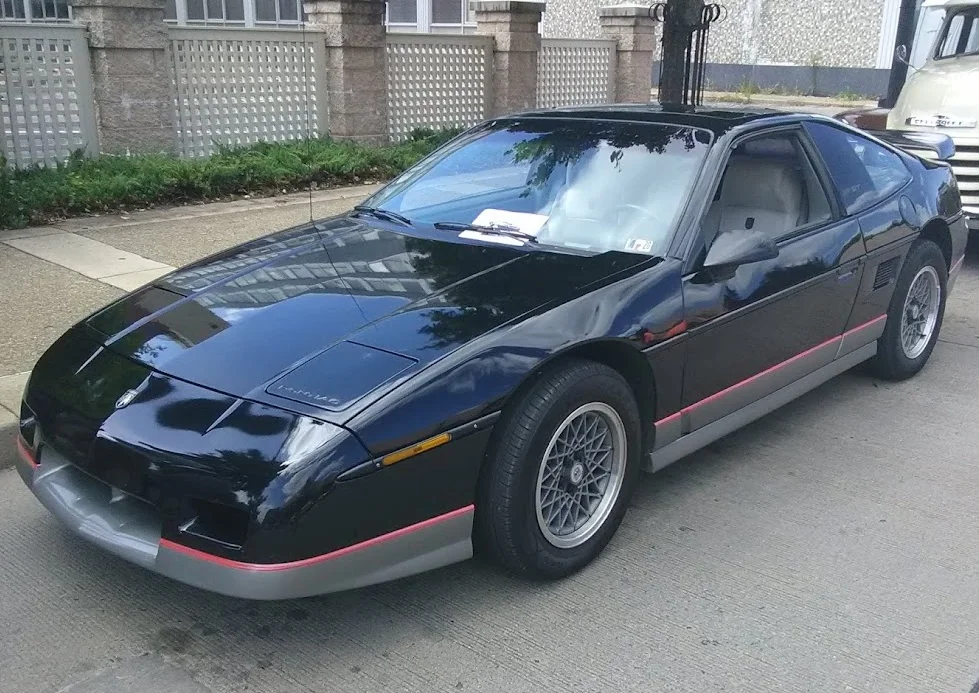
The 1988 Pontiac Banshee IV is a striking example of futuristic car design. With a sleek, two-door, four-seater setup, its fiberglass body was painted bright red, making it stand out.
You’ll notice its bubble-like glass canopy and long hood, which give it an aerodynamic look. Though it never hit production, the Banshee IV showcased innovative concepts that influenced future models.
This concept car was inspired by the need for a new identity for Pontiac amidst changing automotive trends. Its design elements hint at what could have been if it made it to the market. Check out more details about the Banshee IV on YouTube.
1988 GMC Centaur
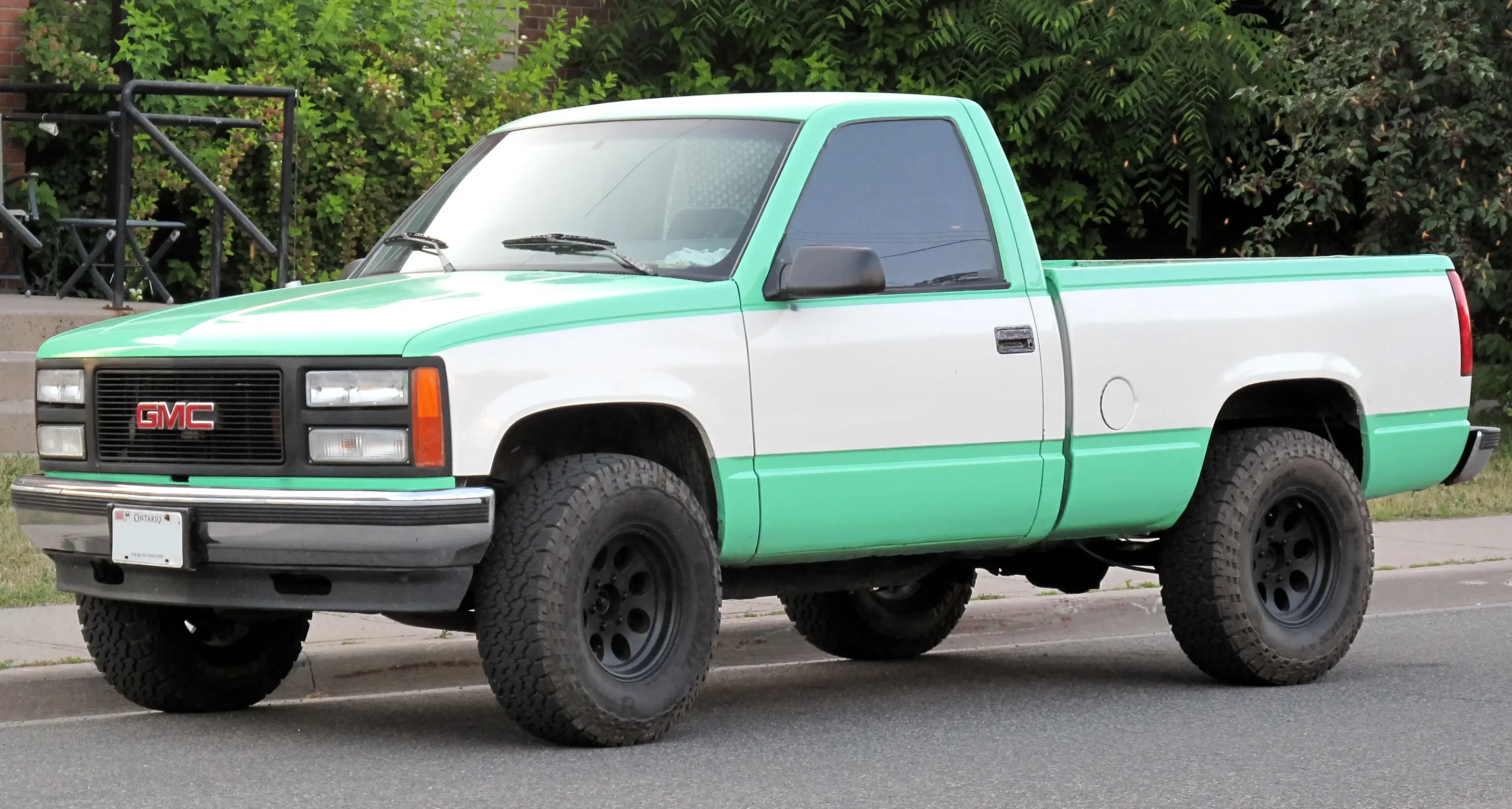
The 1988 GMC Centaur is a unique concept vehicle that aimed to blend car-like aesthetics with pickup truck functionality. Its design features a bullet-shaped body, which was quite eye-catching for its time.
With a forward cabin placement, the Centaur has a layout resembling a minivan rather than a traditional pickup. This setup was intended to offer a spacious interior while still maintaining utility.
Although it never reached production, the Centaur remains a memorable piece of automotive history, representing the bold design experimentation of the late ’80s. If you’re a fan of quirky cars, the Centaur is definitely worth a look.
1988 Cadillac Voyage
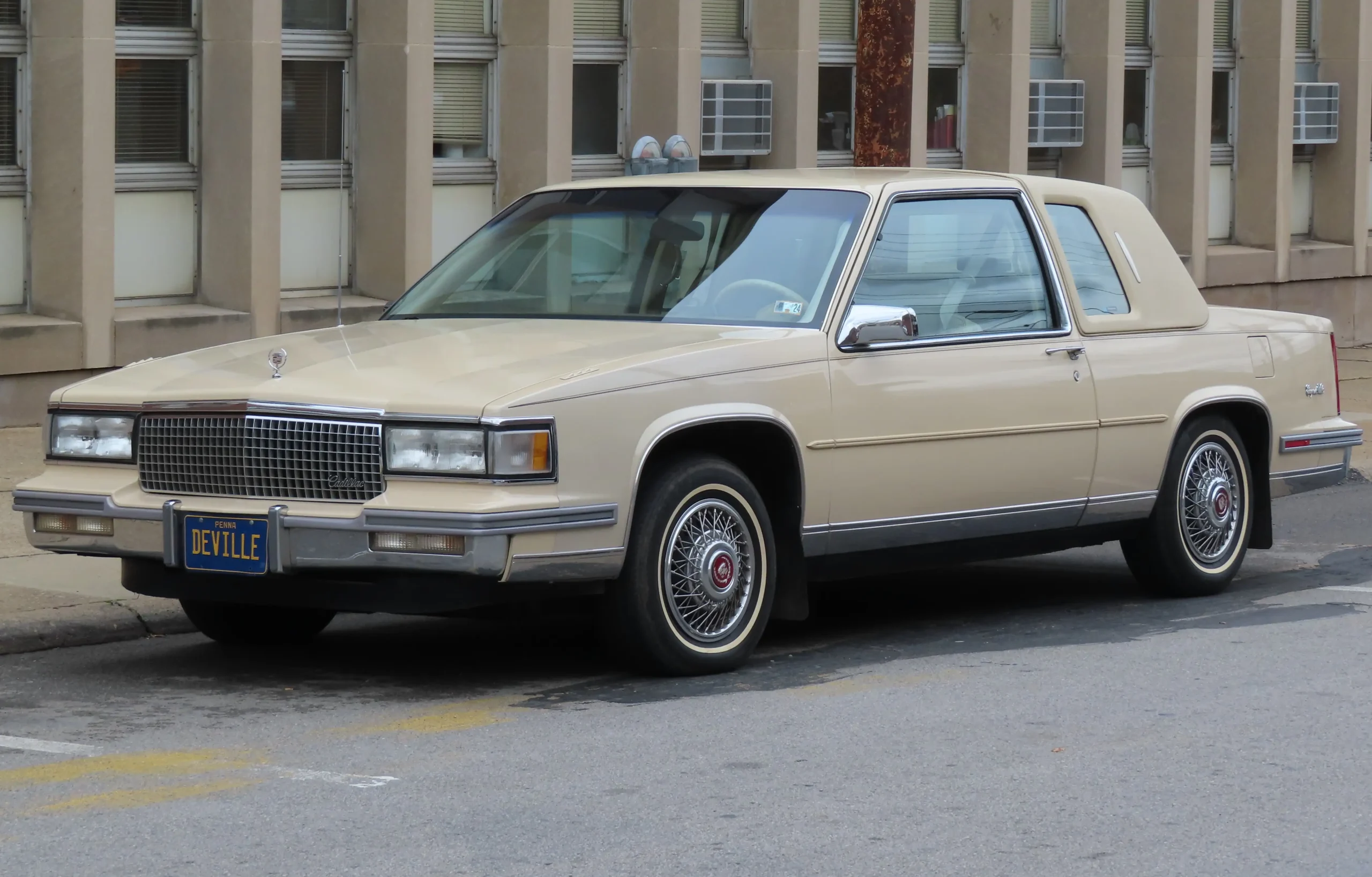
The 1988 Cadillac Voyage was a striking concept car that never hit production. It was designed to showcase luxury and innovation, featuring a sleek, aerodynamic body.
This beauty comfortably seats five people and has room for luggage — perfect for those long road trips. The Voyage stood out with its futuristic design, which included advanced technology for its time.
You might remember it appearing alongside other iconic concepts in movies, adding to its mystique. Explore its story and significance in automotive history; it’s a real gem worth knowing about. For more insights, check out this detailed article.
Ford GT90

The Ford GT90 is a striking concept car that debuted in 1995. It was designed as a showcase of cutting-edge technology and engineering.
This vehicle featured a quad-turbocharged V12 engine, producing an impressive 715 horsepower.
With a futuristic retro design, the GT90 represented a bold step in automotive creativity. You can see how it influenced future sports cars, blending power with innovative exterior styles.
The car was also focused on driver-oriented features, making it a true driver’s dream. Its unique look and performance continue to capture car enthusiasts’ attention today.
BMW Turbo
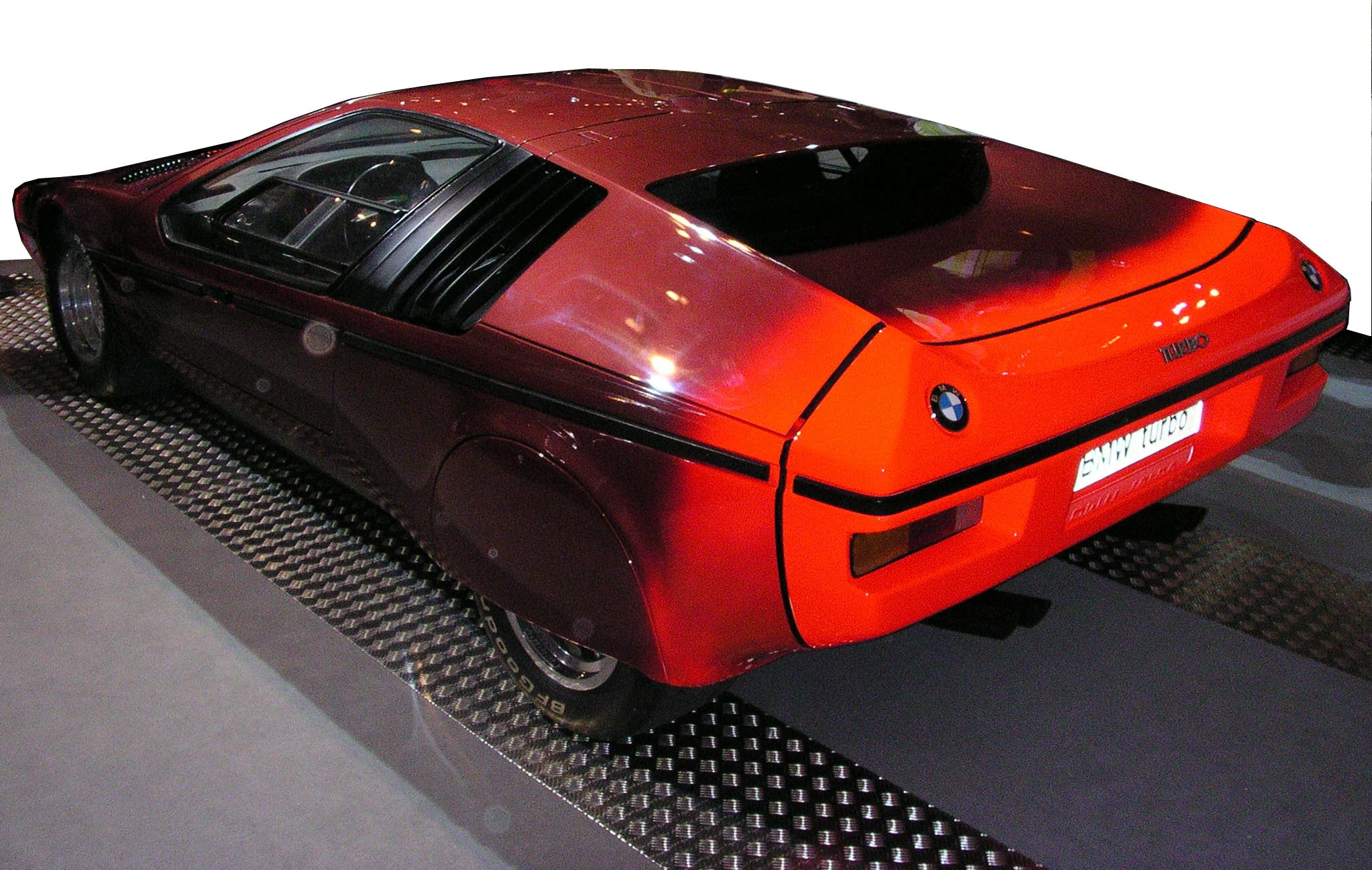
The BMW Turbo, introduced in 1972, was a game-changer. This concept car featured a turbocharged 2.0-liter four-cylinder engine, showcasing BMW’s commitment to innovation.
With a sleek design and eye-catching looks, it was ahead of its time. You might appreciate its impressive 0-60 mph time of just under six seconds.
The Turbo didn’t just focus on speed; it also highlighted advanced aerodynamics. Its unique styling influenced future BMW models, laying the groundwork for performance engineering.
This concept car remains iconic for blending performance and style, making you wonder how it would hold up today.
Lancia Stratos Zero
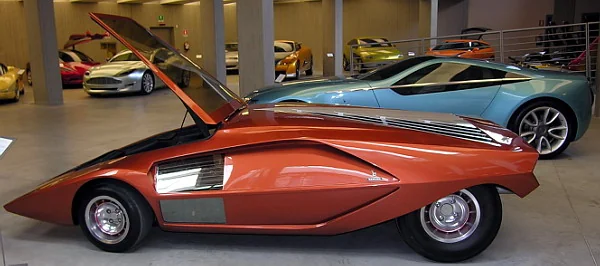
The Lancia Stratos Zero is a standout concept car that was unveiled at the 1970 Turin Motor Show. Designed by Bertone, this beauty is known for its striking, low-slung design, standing just 33 inches tall.
With a mid-engine layout and a V4 that produced 113 horsepower, it was both futuristic and functional. You can see how it set the tone for sports cars with its unique wedge shape and sculptural aesthetics.
The Stratos Zero remains an iconic representation of 1970s automotive design, proving that creativity knows no bounds. Check it out for a true piece of history—it’s unforgettable!
Lotus Esprit Turbo
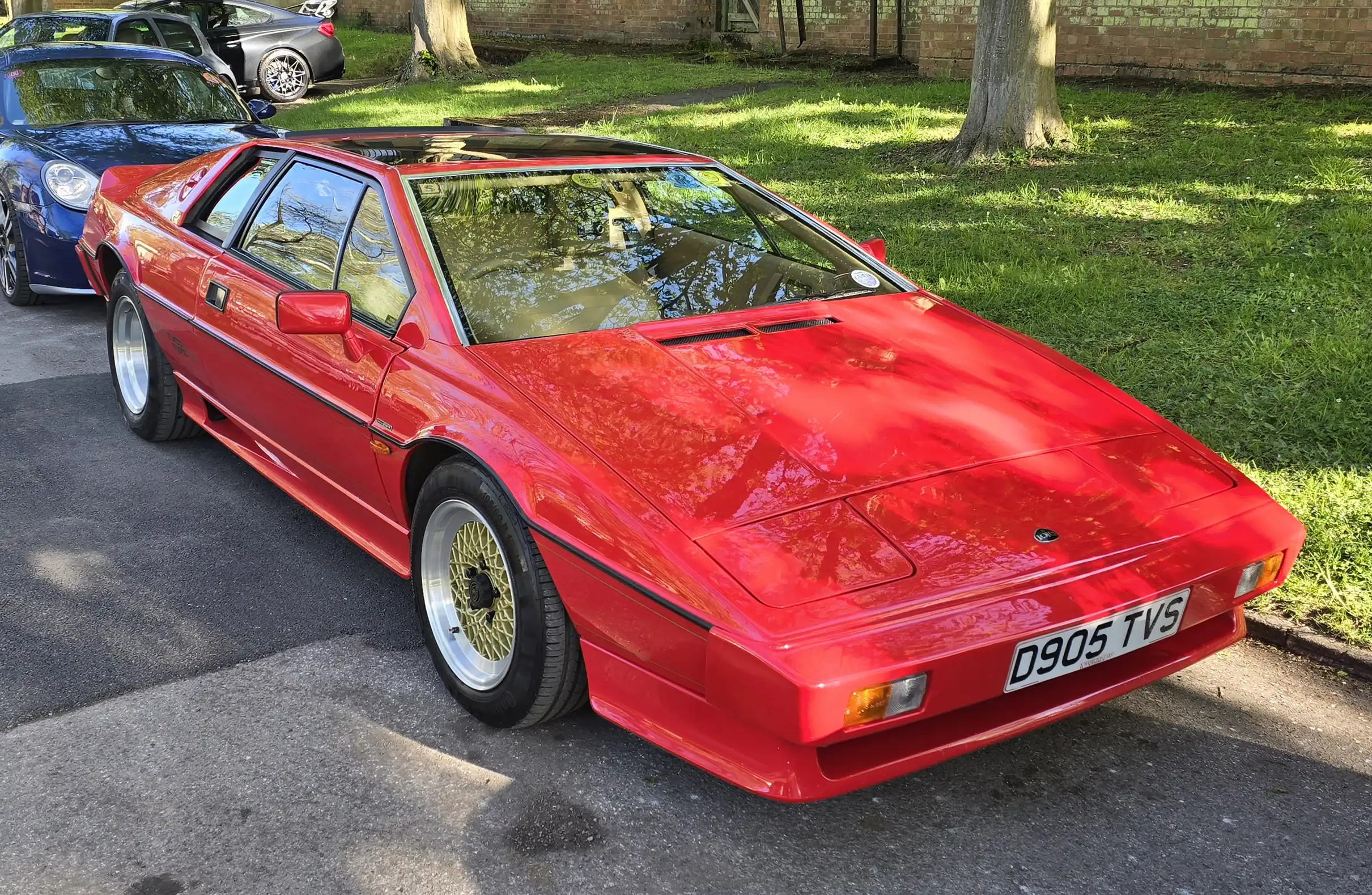
The Lotus Esprit Turbo, launched in 1980, is a standout in the world of concept cars. Its wedge shape and low profile give it a distinctive look that grabs attention.
Powered by a 2.2-liter turbocharged inline-four engine, the Esprit Turbo produced about 215 horsepower. It could sprint from 0 to 60 mph in around 5.4 seconds, making it a thrilling ride.
This vehicle not only showcased impressive speed but also featured sharp handling, thanks to its lightweight design. The Esprit Turbo remains an icon, symbolizing the innovative spirit of its era.
Buick Y-Job

The Buick Y-Job is known as the first concept car in automotive history. Unveiled in 1938, it showcased a sleek design that was way ahead of its time.
Designed by Harley J. Earl, this beauty was based on a Buick Super chassis. It featured a 5.2-liter straight-eight engine and unique power-operated hidden headlamps.
The Y-Job also boasted wraparound bumpers and flush door handles, giving it a futuristic look. Its innovative features influenced the design of many cars that followed. You can learn more about this iconic vehicle on its Wikipedia page.
Lamborghini Bravo
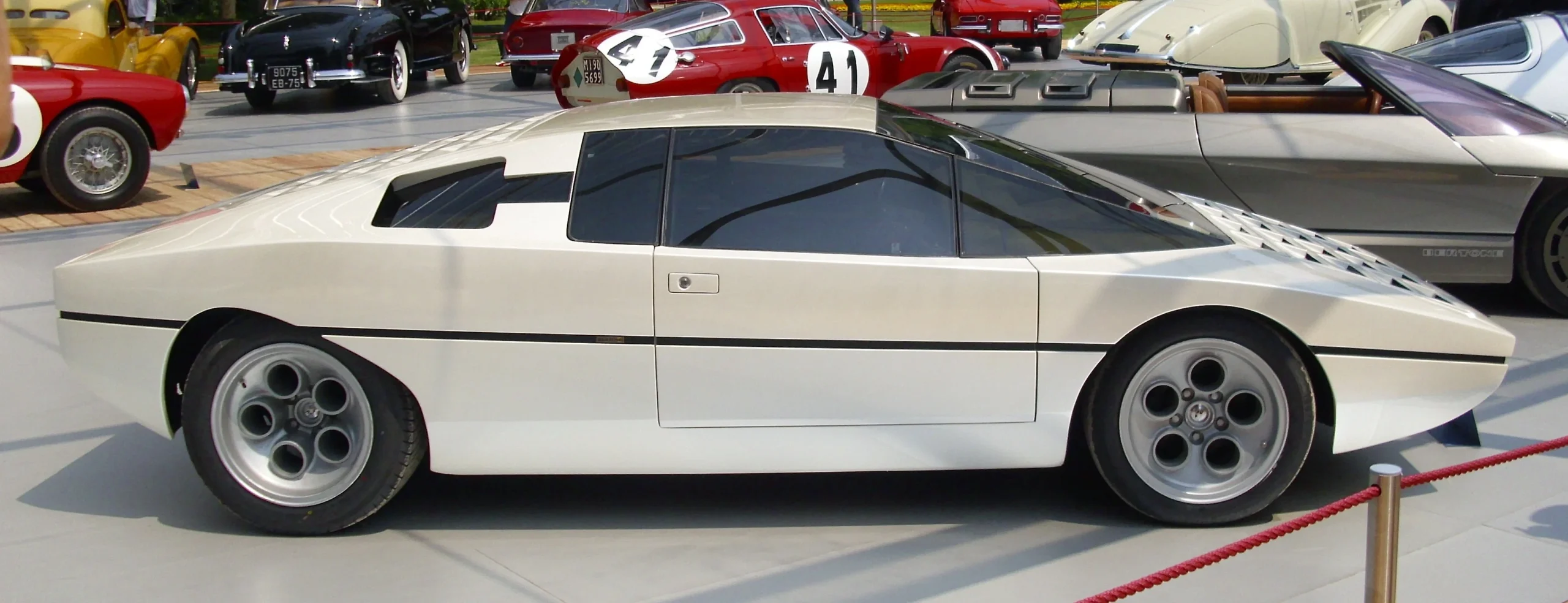
The Lamborghini Bravo made its debut in 1974 as a stunning concept car. With a sleek, wedge-shaped design, it showcased the bold styling trends of the time.
Under the hood, the Bravo featured a 3.0-liter V8 engine, capable of producing around 300 horsepower. This allowed it to reach impressive speeds for its era.
Its distinctive angular lines and low profile made it a standout at auto shows. The Bravo remains a symbol of Lamborghini’s innovative spirit during the ’70s, influencing many future models.
Chevrolet AeroVette
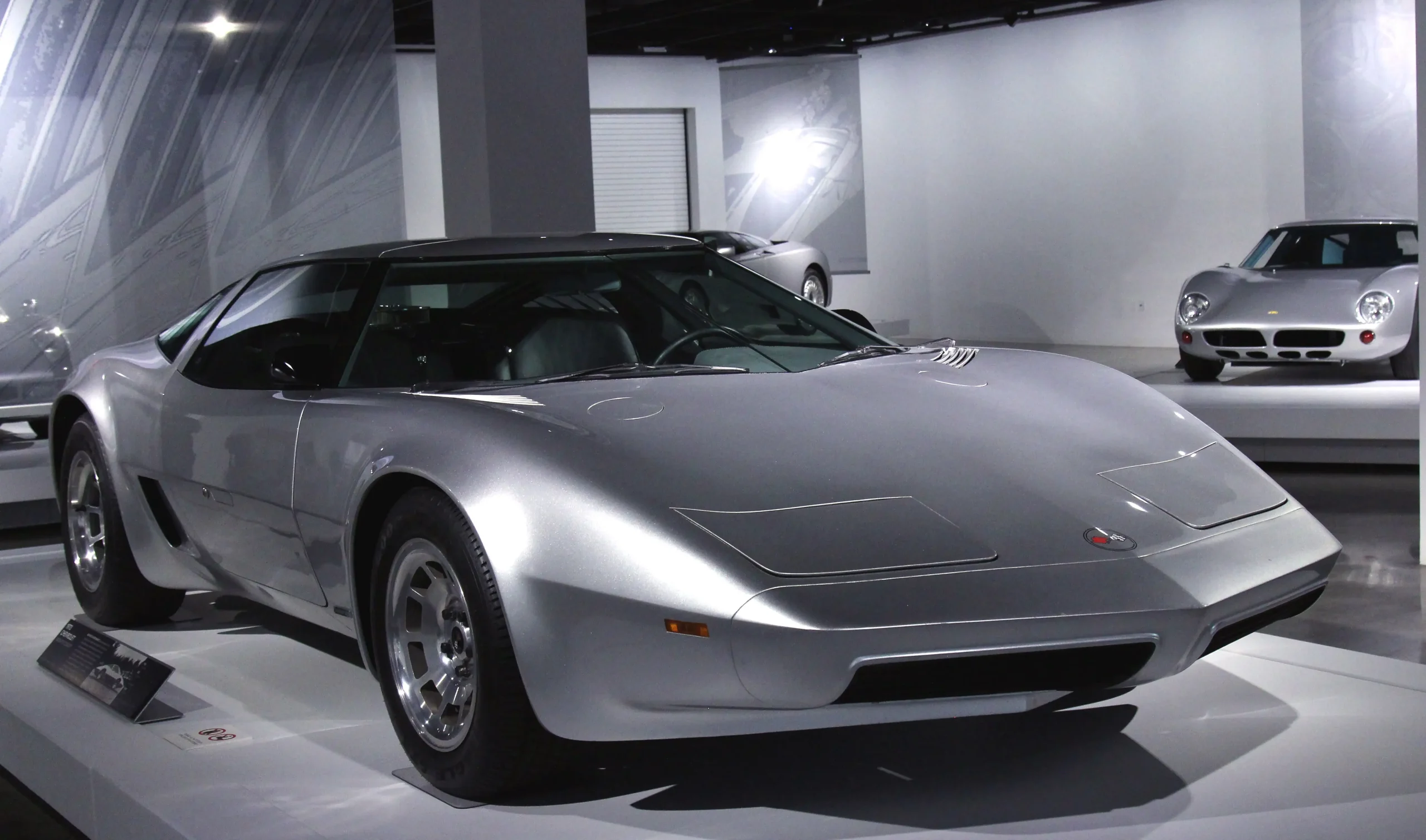
The Chevrolet AeroVette is a standout concept car from the 1970s that captured attention with its unique mid-engine design. First unveiled in 1976, it featured a powerful 4-rotor Wankel engine, which was a departure from traditional V8 configurations.
This sleek design offered improved aerodynamics, pushing the boundaries of what a sports car could be. The AeroVette’s innovative styling and advanced technology hinted at a future that didn’t fully materialize in production vehicles.
While it never made it to the streets, the AeroVette remains a beloved symbol of automotive creativity. You can see why enthusiasts cherish this beauty and why it’s still celebrated in car shows like the Lime Rock Historic Festivals.