

The automotive landscape has transformed significantly since the turn of the 21st century, with innovation, sustainability, and technology leading the charge. This article highlights 15 vehicles that have not only shaped the industry but have also influenced consumer preferences and environmental policies. Their impact on car culture, technology, and the economy makes them pivotal in understanding automotive evolution in the 21st century.
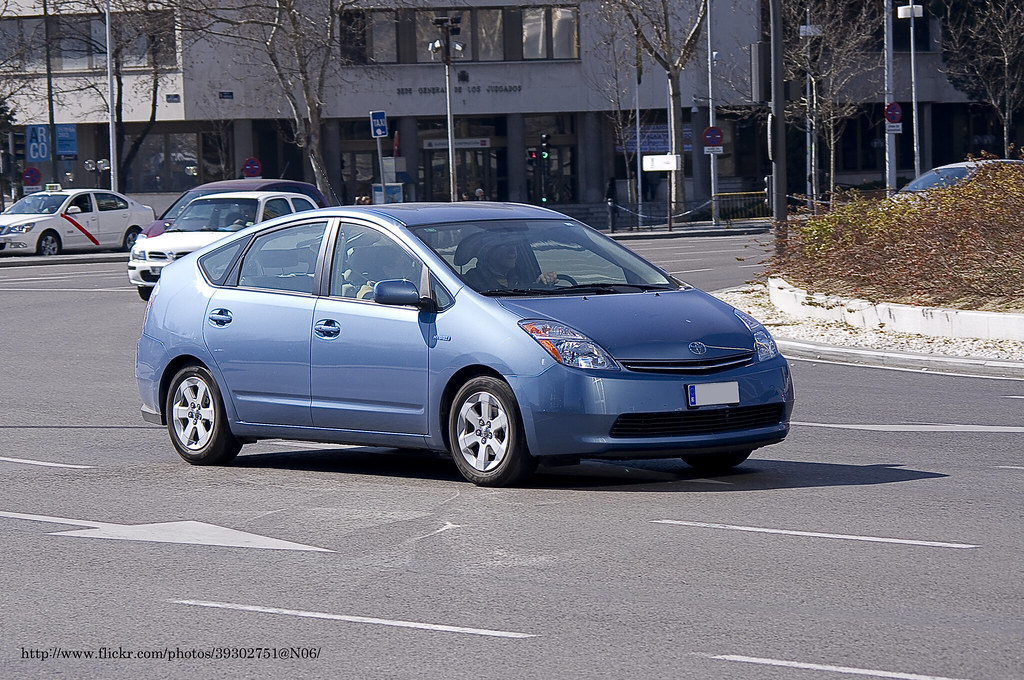
Toyota Prius (1997–Present)
Although launched in the late 1990s, the Toyota Prius became a symbol of the hybrid movement in the 21st century, especially after its redesign in 2009. With over 6 million units sold globally as of 2021, the Prius has contributed significantly to the popularization of eco-friendly vehicles. Its success has prompted other manufacturers to invest heavily in hybrid technology, making it a cornerstone in the transition towards sustainable transportation.
Ford F-150 (2015-Present)
The 2015 Ford F-150 marked a significant shift in pickup design by incorporating aluminum body panels, resulting in a weight reduction of nearly 700 pounds. As the best-selling vehicle in the United States for decades, the F-150’s evolution has set the standard for trucks, blending performance with fuel efficiency. In 2021 alone, Ford sold over 726,000 units, showcasing its enduring popularity.
Tesla Model S (2012–Present)
The Tesla Model S has redefined electric vehicles since its launch in 2012, combining luxury with cutting-edge technology. With a range of over 370 miles and rapid acceleration, it has challenged traditional perceptions of EVs. As of 2023, Tesla holds approximately 70% of the U.S. electric vehicle market share, making it a driving force in the industry’s shift toward electrification.
Honda Civic (2001–Present)
The Honda Civic has undergone several redesigns since 2001, consistently appealing to a wide demographic thanks to its reliability and fuel efficiency. The 2022 model continues to attract attention with its sporty design and advanced safety features. With over 12 million units sold in the U.S. alone, the Civic remains a staple in the compact car market.
Chevrolet Volt (2010–2019)
The Chevrolet Volt was a pioneering plug-in hybrid that played a crucial role in reshaping the perception of electric vehicles. Launched in 2010, the Volt offered a combined range of over 400 miles, bridging the gap between gasoline and electric driving. Although discontinued in 2019, its influence persists, inspiring newer models and encouraging the development of charging infrastructure.
Subaru Outback (2019-Present)
The 2019 Subaru Outback has become synonymous with adventure and versatility, appealing to outdoor enthusiasts and families alike. Its all-wheel-drive capability and rugged design have made it a popular choice in regions prone to inclement weather. As of 2022, Subaru reported a 20% increase in Outback sales, reflecting its status as a top-selling crossover SUV.
Jeep Wrangler (2007-Present)
The Jeep Wrangler has retained its iconic status while evolving to meet modern demands, particularly with the introduction of the 2021 4xe hybrid model. The Wrangler’s off-road capabilities combined with eco-friendly technology have attracted a new generation of drivers. In 2021, Jeep sold over 200,000 Wranglers, reinforcing its position in the market.
Volkswagen Golf (2015-Present)
The 2015 Volkswagen Golf has been a benchmark for compact cars, known for its quality, performance, and technology. Its versatility is evident in various iterations, including the sporty GTI and the electric e-Golf. Despite Volkswagen’s controversies, the Golf remains popular, with over 35 million units sold globally since its introduction in the 1970s.
BMW i3 (2013-2021)
The BMW i3 was one of the first premium electric vehicles to hit the market, showcasing innovative design and sustainability. Launched in 2013, it featured a lightweight carbon-fiber body and a unique interior made from recycled materials. Even though production ended in 2021, the i3 has left a mark on the EV sector, influencing the design of future electric models.
Mercedes-Benz S-Class (2020-Present)
The 2020 Mercedes-Benz S-Class represents the pinnacle of luxury sedans, equipped with advanced technology and unmatched comfort. Its MBUX infotainment system and semi