

A recent study reveals that many popular car modifications can actually lead to slower performance, impacting driver satisfaction and potentially wasting money. Car enthusiasts and average drivers alike might be surprised to learn that some of the most commonly suggested cheap mods can hinder a vehicle’s speed and efficiency. Understanding these modifications is crucial for anyone looking to enhance their vehicle’s performance without unintended consequences.
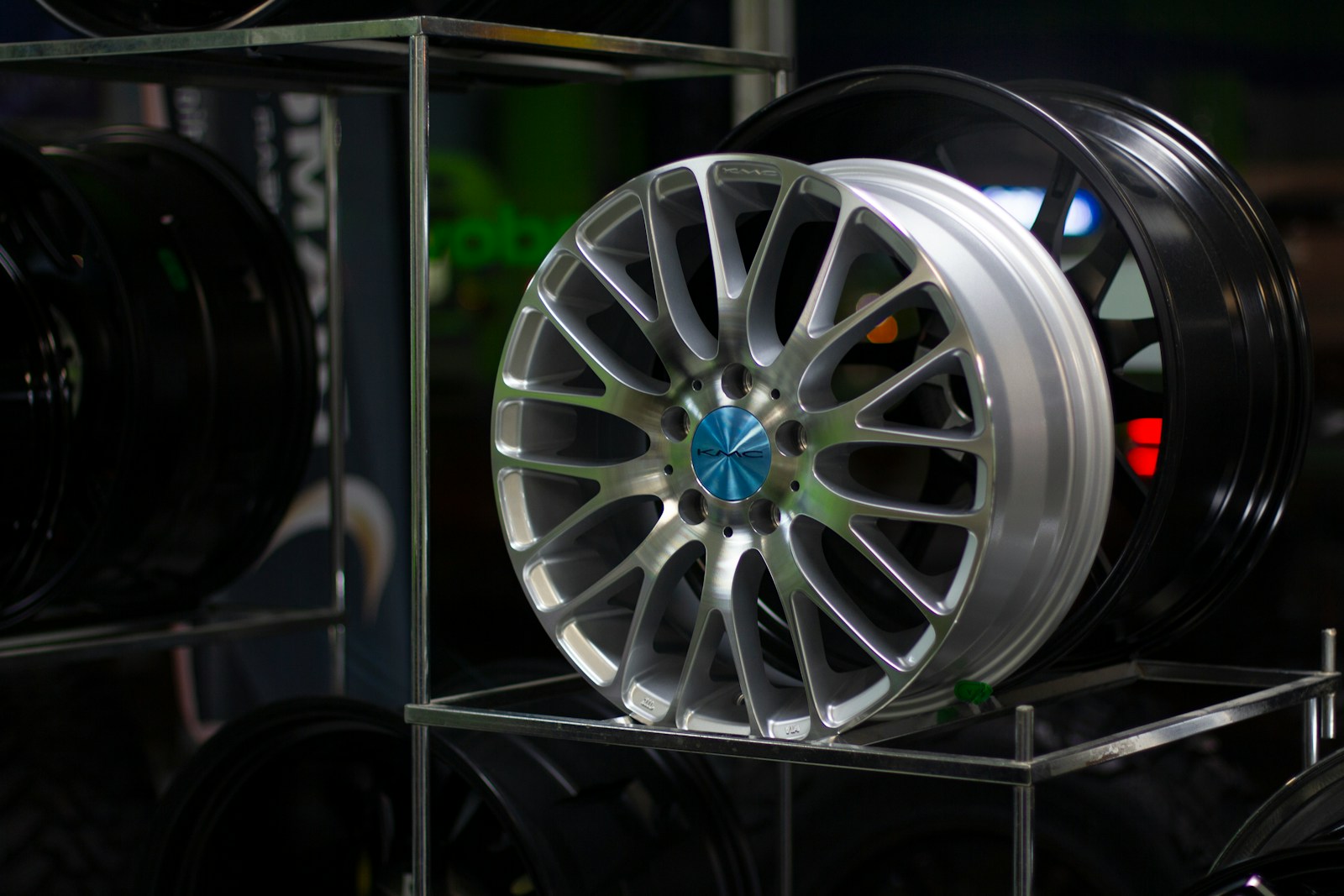
1. Heavy Rims
Upgrading to larger rims is often seen as a way to improve appearance, but heavier rims can significantly reduce acceleration. For instance, swapping stock rims for larger, heavier ones on a 2020 Honda Civic can add unnecessary weight, which may slow down the car by up to 0.5 seconds in a quarter-mile drag race. This weight increase not only affects speed but can also diminish fuel economy.
2. Exhaust Modifications
While a new exhaust system can give a car a more aggressive sound, poorly designed exhaust systems can actually reduce horsepower. For example, a 2018 Ford Mustang might suffer from backpressure issues if the exhaust is not properly calibrated, resulting in a noticeable decrease in speed. Drivers may find that their efforts to enhance sound come at the cost of performance.
3. Air Filter Changes
Some drivers opt for aftermarket air filters, believing they will improve airflow and performance. However, certain options, especially those that are not specifically designed for a model, can introduce too much dirt and debris, which can choke the engine. A 2021 Toyota Corolla, for example, could see its efficiency decline if an incompatible filter is used, leading to a loss of power and responsiveness.
4. Lowering Springs
Lowering a vehicle can enhance its aesthetic appeal and handling, but it may also lead to a harsher ride and reduced suspension performance. For a 2019 Subaru WRX, lowering springs could cause the car to lose its ability to absorb bumps effectively, resulting in slower cornering speeds and less grip on the road. This trade-off can disappoint drivers who seek both style and performance.
5. Fuel Economy Mods
Some modifications aimed at improving fuel efficiency can unintentionally slow down a vehicle. For example, adding a larger fuel tank to a 2022 Chevrolet Silverado can increase weight and reduce acceleration. While the intention is to save on gas, the added mass can negate any fuel savings by affecting overall performance.
6. Cold Air Intakes
Cold air intakes are frequently advertised as performance boosters, but their effectiveness can vary widely. If improperly installed on a 2020 Volkswagen Golf, these systems can cause issues like engine knock or poor fuel mixture, leading to sluggish performance. Drivers might find their car slower than before, countering the very purpose of the upgrade.
7. Suspension Upgrades
Upgrading suspension components can improve handling, but the wrong choices can hinder speed. For instance, a 2018 Nissan Altima modified with overly stiff springs may lose its balance and slow down during quick maneuvers. This can lead to reduced confidence while driving, especially in performance-oriented scenarios.
8. Spoilers and Body Kits
While spoilers and body kits can enhance a car’s appearance, they can also disrupt airflow and create drag. A 2021 Hyundai Elantra fitted with a bulky aftermarket spoiler may experience increased wind resistance, leading to a reduction in top speed. The visual appeal may come at a significant cost to performance.
9. Weight Reduction Mods
Weight reduction is typically a performance goal, but poorly executed weight-saving measures can have the opposite effect. For a 2019 Ford Focus, removing factory components without proper planning can lead to an imbalance, affecting speed and control. It’s essential to ensure that weight reductions do not compromise essential structural elements of the car.
10. Poorly Tuned Engine Chips
Engine tuning chips are often used to enhance performance, but improperly tuned chips can lead to a decrease in power. For example, a 2020 Chevrolet Camaro could suffer from reduced responsiveness if the chip does not match the engine’s specifications. This could result in a slower driving experience, contrary to the owner’s expectations.
11. Tire Changes
Switching to wider tires may seem like a good idea for grip, but it can lead to increased rolling resistance. A 2021 Kia Forte, for instance, fitted with wider tires may experience slower acceleration and decreased fuel efficiency. Drivers should carefully consider tire specifications before making such changes.