

Your vehicle is more than just a means of transportation; it’s an investment. As such, it’s important to protect it from the elements to maintain its value and ensure it continues to function optimally. Whether it’s harsh sun, heavy rain, snow, hail, or dust, the elements can cause significant damage to your car’s exterior and interior. Here are 15 practical tips to help you protect your beloved car from Mother Nature’s fury.
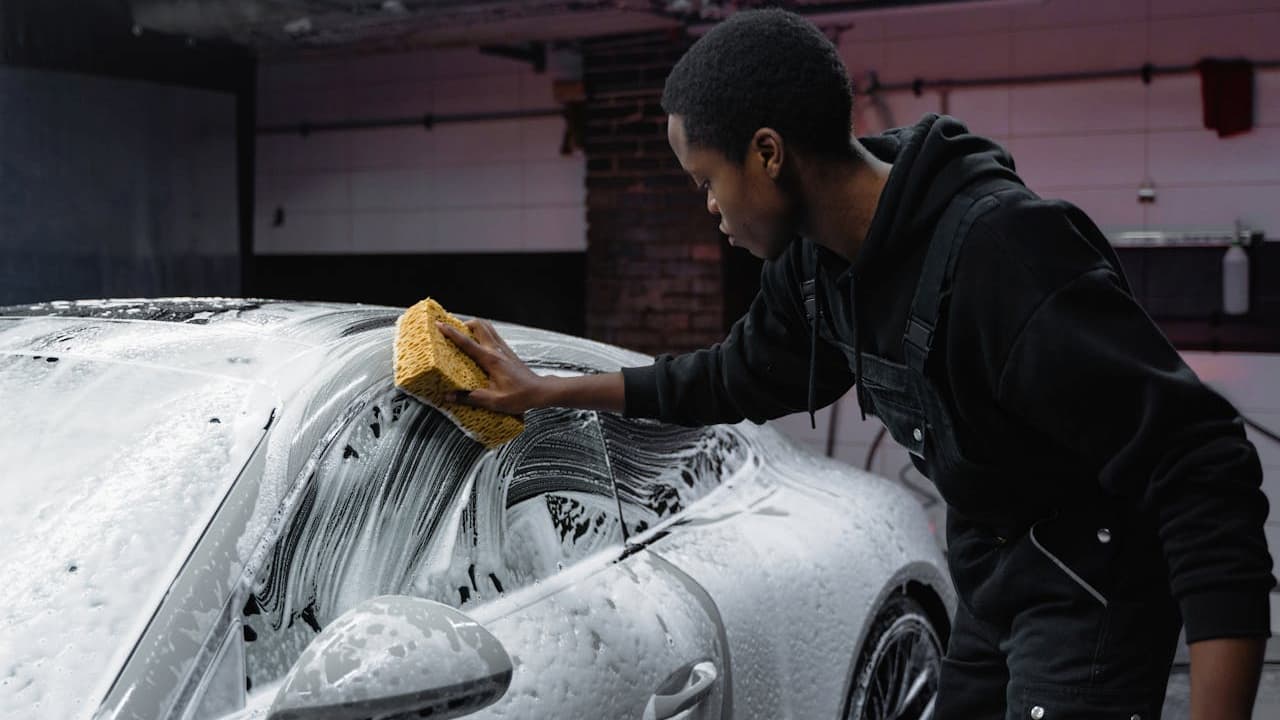
1. Regularly Wash Your Car
The simplest way to protect your car from the elements is to keep it clean. Dirt, dust, bird droppings, and other debris can accumulate on your car’s surface and cause damage over time. By washing your car regularly, you can remove these harmful substances and prevent them from corroding or scratching your car’s paint.
Additionally, washing your car regularly allows you to inspect the car’s exterior for any minor damages that can be fixed before they become major problems. For instance, you might notice small chips in the paint that can be quickly repaired to prevent rusting. Make sure to use a car-specific soap to avoid damaging the paint and finish.
2. Apply a Quality Wax
After washing your car, it’s a good idea to apply a quality wax. Wax provides a protective layer that helps guard against scratches, sun damage, and other environmental hazards. It also gives your car a shiny, new-look finish that enhances its aesthetic appeal.
Choose a wax that offers UV protection to shield your car from the harmful effects of the sun’s rays. You should wax your car every three months or so, or more frequently if you live in a particularly harsh climate.
3. Use a Car Cover
If you don’t have access to a garage or covered parking, a car cover is a great way to protect your vehicle from the elements. Car covers are designed to shield your vehicle from sun, rain, snow, and even minor physical damage.
When selecting a car cover, look for one that is breathable to prevent moisture from getting trapped and causing rust. It should also be UV-resistant to protect your car from the harmful effects of the sun.
4. Invest in a Windshield Sun Shade
A windshield sun shade is a simple and effective way to protect your car’s interior from sun damage. It keeps your car cooler and prevents the sun’s UV rays from fading the upholstery and dashboard.
Not only does a sun shade protect your car, but it also makes your vehicle more comfortable to get into on hot days. No more burning your hands on a hot steering wheel or sitting on scorching seats!
5. Regularly Check Your Tires
Your tires are the only part of your car that makes contact with the road, and they take a lot of abuse as a result. Checking your tires regularly for signs of wear and tear can help prevent more serious damage.
Make sure your tires are properly inflated and replace them when the tread gets too low. This will not only make your car safer to drive, but it will also improve fuel efficiency.
6. Protect the Undercarriage
The undercarriage of your car is susceptible to damage from road salt, rocks, and other debris. Regularly washing the undercarriage can help remove these harmful substances and prevent corrosion.
If you live in an area where road salt is used, consider getting your car’s undercarriage treated with a protective coating. This can help prevent rust and prolong the life of your car.
7. Keep Your Car Parked in the Shade
Whenever possible, try to park your car in the shade. This can help protect your car’s paint and interior from the damaging effects of the sun.
If shade isn’t available, consider using a car cover or windshield sun shade to help protect your car. It’s a simple step that can make a big difference in maintaining the appearance and value of your car.
8. Use Rubber Floor Mats
Rubber floor mats can help protect your car’s interior from water, mud, snow, and other debris. They’re easy to clean and durable enough to withstand heavy use.
While carpet floor mats can look nice, they can easily get dirty and stained. Rubber floor mats are a more practical option for protecting your car’s interior.
9. Regularly Inspect and Clean Your Brakes
Brake dust, which is a combination of iron particles, carbon fibers, and Kevlar particles, is corrosive and can damage your car’s wheels. Regularly inspecting and cleaning your brakes can help prevent this.
There are brake dust shields available that you can install to keep dust off your wheels. Alternatively, there are also wheel cleaners that can help remove brake dust.
10. Don’t Ignore Small Scratches
Small scratches may not seem like a big deal, but they can lead to bigger problems if left untreated. They can rust or spread, damaging your car’s paint and reducing its value.
If you notice a scratch, it’s best to address it as soon as possible. There are DIY scratch repair kits available that can help you fix minor scratches at home.
11. Keep Your Car’s Fluids Topped Up
The fluids in your car, including oil, coolant, and windshield washer fluid, are crucial for its operation and performance. Regularly checking and topping up these fluids can help prevent damage and keep your car running smoothly.
In particular, coolant is important for preventing your engine from overheating, while oil lubricates the engine’s moving parts to prevent damage.
12. Use Seat Covers
Seat covers are a great way to protect your car’s upholstery from spills, stains, and sun damage. They’re also easy to clean and can be replaced if they become too worn or dirty.
Seat covers come in a variety of materials, including leather, fabric, and neoprene, so you can choose the one that best fits your needs and style.
13. Regularly Inspect and Replace Windshield Wipers
Windshield wipers are crucial for maintaining visibility during rain, snow, and other adverse weather conditions. However, they can wear down over time and become less effective.
Regularly inspecting your windshield wipers and replacing them when necessary can help ensure they function properly when you need them most.
14. Avoid Driving Through Puddles
Driving through puddles can splash water into your car’s undercarriage, potentially damaging the brakes and other components. It’s best to avoid puddles whenever possible.
If you must drive through a puddle, do so slowly to minimize the splash. Afterwards, it’s a good idea to inspect your car for any signs of damage.
15. Regularly Apply a Protectant to Interior Surfaces
Applying a protectant to your car’s interior surfaces can help prevent sun damage, as well as wear and tear from regular use. This includes the dashboard, seats, and any other surfaces that are frequently exposed to the sun.
There are a variety of protectants available, so choose one that is suitable for the material of your car’s interior. Regularly applying a protectant can help keep your car’s interior looking new and fresh.