

The 2028 Mitsubishi Montero is finally stepping out of the shadows, with a fresh teaser signaling that the brand’s flagship off-roader is almost ready for a public return. After years off the U.S. market, the Montero, also known globally as the Pajero, is being positioned as a serious body-on-frame SUV again rather than a soft crossover. The early look hints at a model that leans into its heritage while trying to meet modern expectations for comfort, technology, and efficiency.
A teaser that confirms the Montero comeback
The new teaser video makes one thing clear before any specification sheet arrives: Mitsubishi is bringing back a full-size Montero, not just a nameplate on a crossover. The clip, released as the company builds buzz for an upcoming debut, shows a tall, upright SUV silhouette with the kind of squared-off roofline and generous ground clearance that signal a traditional ladder-frame layout. It also confirms that the Montero name, which has been dormant in the United States since the mid‑2000s, is being revived in a way that acknowledges the model’s reputation as a serious off-road tool rather than a lifestyle accessory.
Reporting on the teaser notes that the 2028 Mitsubishi Montero, also referred to as the Pajero in other markets, is expected to be a body-on-frame SUV that leans heavily on its rugged roots, with the debut described as just around the corner in the new teaser video. That framing matters because it signals Mitsubishi’s intent to rejoin a segment now dominated by vehicles like the Toyota 4Runner and Ford Bronco, rather than chasing softer crossovers. The confirmation that this is a proper Montero, not a badge-engineered derivative, sets expectations high among fans who remember the model’s Dakar Rally pedigree and long-distance durability.
Why Mitsubishi is reviving a classic SUV nameplate
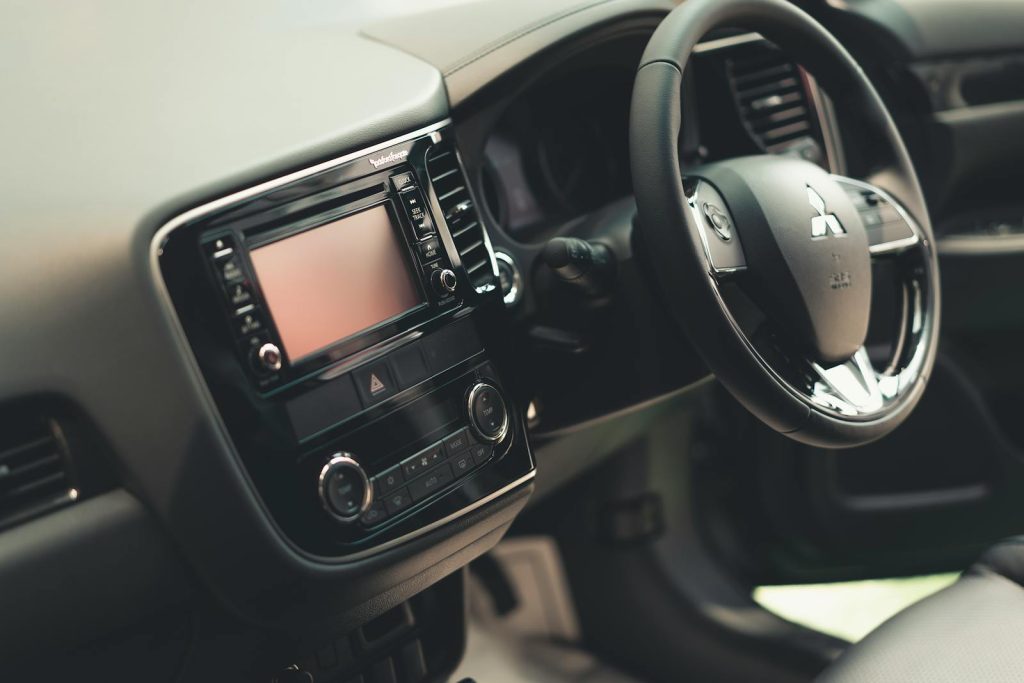
The decision to bring back the Montero name is not happening in a vacuum. Mitsubishi has spent the past decade leaning on crossovers such as the Outlander and Eclipse Cross, which helped stabilize the brand but left a gap where a halo off-road model used to sit. Reviving a storied badge gives the company a shortcut to credibility in a segment where heritage and perceived toughness matter as much as horsepower figures or touchscreen size.
Background reporting on the model’s history underscores why the name still carries weight. The Montero, described in a detailed Montero Comeback overview, was last sold in the U.S. in 2006 as a body-on-frame SUV built to compete with other serious off-roaders. That same analysis notes that any return would not be happening in isolation, but as part of a broader push to refresh Mitsubishi’s image and product lineup. By choosing to revive the Montero rather than invent a new name, the company is tapping into nostalgia among long‑time owners while signaling to new buyers that it intends to play in the same arena as established adventure-focused SUVs.
Design cues: modern body, old‑school stance
Even in heavily edited teaser footage, the 2028 Montero’s design direction is visible enough to sketch out its priorities. The SUV appears to favor a boxy profile with short overhangs, a high beltline, and a relatively flat hood, all of which are classic off-road design cues that improve approach and departure angles. The lighting signature looks more contemporary, with slim headlamps and a likely reinterpretation of Mitsubishi’s current front fascia theme, but the overall stance is more utilitarian than fashion‑forward.
That balance between modern surfacing and traditional proportions aligns with expectations set by earlier spy shots and analysis of the Montero’s likely role. Coverage of the potential prototype, which was linked to Mitsubishi’s alliance partner Nissan, described a tall, squared-off SUV that would fit comfortably in the $50,000‑ish range and compete directly with other body-on-frame models. While neither Nissan nor Mitsubishi commented on that vehicle at the time, the proportions seen there match the silhouette now teased, reinforcing the idea that the production Montero will prioritize off-road geometry and interior space over coupe‑like styling trends.
Platform and alliance ties with Nissan
Under the skin, the 2028 Montero is widely expected to share key components with hardware already in use within the Renault‑Nissan‑Mitsubishi Alliance. That strategy would allow Mitsubishi to spread development costs while still tailoring the SUV’s tuning and design to its own brand identity. A ladder-frame platform derived from existing Nissan trucks or SUVs would also give the Montero the towing capacity and durability that buyers in this segment expect, without requiring Mitsubishi to engineer a new architecture from scratch.
Speculation about these underpinnings gained traction when a camouflaged SUV, believed to be linked to the Montero project, was spotted testing alongside vehicles from Nissan. Observers noted that neither Nissan nor Mitsubishi would comment on future product, but the prototype’s size, stance, and expected pricing in the $50,000‑ish range suggested a shared architecture with existing alliance models. That kind of parts commonality would mirror how other manufacturers handle their off-road flagships, pairing proven frames and drivetrains with unique bodywork and interior treatments to create distinct products without reinventing every component.
Powertrain expectations and the V6 question
Powertrain details for the 2028 Montero remain unannounced, but the context around Mitsubishi’s recent engineering choices offers some clues. The brand has leaned heavily into four‑cylinder engines and electrified drivetrains in models like the Outlander PHEV, which suggests that efficiency and emissions will be central to whatever sits under the Montero’s hood. At the same time, a large, body-on-frame SUV aimed at towing and off-road use will need enough torque and cooling capacity to handle low‑speed climbs and highway trailers, which could push Mitsubishi toward turbocharged or hybridized solutions rather than a simple naturally aspirated four‑cylinder.
Analysis of the Montero’s potential return notes that, at least for now, a traditional V6 engine remains part of the conversation. One detailed look at the project points out that this reborn Montero could be exactly what Mitsubishi fans and adventure seekers have been waiting for, and that the company may stick with a V6 engine, at least for now, to satisfy expectations for smooth power delivery and towing capability, as outlined in a Montero powertrain breakdown. If Mitsubishi pairs such an engine with modern transmission and four‑wheel‑drive systems, the Montero could offer a blend of familiar mechanical robustness and updated efficiency that appeals to both long‑time owners and new buyers.
Interior and technology: from bare‑bones to family‑ready
The original Montero built its reputation on durability and off-road capability, not cabin glamour, but the 2028 model will have to satisfy families who expect comfort and connectivity alongside trail performance. The teaser hints at a tall greenhouse and likely three‑row layout, which would position the SUV as both an adventure rig and a daily family hauler. Buyers in this segment now look for features like configurable seating, multiple USB‑C ports, and robust climate control for all rows, so Mitsubishi will be under pressure to deliver a cabin that feels competitive with rivals from Toyota, Ford, and Jeep.
Context from broader Montero coverage suggests that Mitsubishi understands this shift. The historical overview that framed the Montero as a body-on-frame SUV built to compete with other serious off-roaders also emphasized how the market has evolved since the model was last sold in the U.S. in 2006. Back then, buyers were more willing to accept spartan interiors in exchange for toughness. Today, even hardcore off-roaders like the latest Land Cruiser and Bronco offer large touchscreens, advanced driver assistance systems, and refined materials. For the Montero to succeed, Mitsubishi will need to blend its traditional strengths with a tech suite that feels current, including modern infotainment, active safety features, and possibly off-road specific displays for pitch, roll, and drivetrain status.
Off‑road hardware and capability targets
Capability will be the core of the Montero’s pitch, and the teaser’s visual cues suggest Mitsubishi is not shying away from that challenge. The SUV’s tall ride height, squared wheel arches, and likely short overhangs point to a chassis designed for serious trail work. A proper four‑wheel‑drive system with low range, locking differentials, and multiple terrain modes would be expected in this class, especially given the Montero’s history in events like the Dakar Rally and its reputation among overlanding enthusiasts.
Reporting that tracks the Montero’s potential return repeatedly emphasizes that this is not a crossover project but a genuine SUV revival. The detailed Here is What We Know analysis describes the original Mitsubishi Montero as a body-on-frame SUV built to compete with other off-roaders, and frames the comeback as a chance to recapture that role. Combined with the alliance platform speculation that ties the new Montero to robust Nissan underpinnings, the expectation is that Mitsubishi will deliver hardware capable of handling everything from rocky trails to long‑distance desert tracks. If the company falls short on this front, it risks undermining the very nostalgia and brand equity it is trying to leverage.
Market positioning and pricing strategy
Positioning the 2028 Montero correctly will be as important as its engineering. The SUV segment it is reentering has become crowded with both traditional body-on-frame models and rugged‑styled crossovers, so Mitsubishi will need a clear value proposition. Early analysis suggests that the Montero will likely target a mid‑to‑upper price band, trading on its size, capability, and heritage rather than trying to undercut every rival on cost. That approach would allow Mitsubishi to invest in the hardware and interior quality needed to make the Montero feel like a flagship rather than a budget alternative.
Clues about pricing and competitive set come from the prototype coverage that linked the Montero project to a vehicle expected to land in the $50,000‑ish range. That figure would place the Montero alongside well‑equipped versions of the Toyota 4Runner, Jeep Wrangler Unlimited, and Ford Bronco, as well as emerging competitors from Korean and Chinese brands. At that level, buyers will expect not only strong off-road credentials but also a comprehensive warranty, competitive fuel economy for the class, and a feature list that includes advanced driver assistance and modern infotainment. Mitsubishi’s challenge will be to justify the price with a mix of capability, reliability, and distinct character that stands out in a crowded field.
Fan anticipation, pop‑culture nods, and what happens next
Enthusiast anticipation for the Montero’s return has been building for years, and the new teaser has only intensified that energy. The model’s cult following includes off-roaders who prize its durability and relatively simple mechanics, as well as families who remember it as a comfortable long‑distance cruiser. That enthusiasm has spilled into mainstream coverage, with some commentary joking that it does not take detective Benoit Blanc to figure out what Mitsubishi is getting close to announcing, a playful nod that underlines how obvious the comeback has become as teasers and spy shots accumulated. The same analysis notes that Mitsubishi has been dropping hints that the reveal will happen soon, feeding a cycle of speculation and excitement.
As the debut approaches, the key questions now revolve around how closely the production SUV will match the expectations set by years of reporting and fan wish lists. Coverage of the highly anticipated model points out that Mitsubishi has been signaling a serious return to the off-road space, with the company’s own messaging suggesting that the wait for a full reveal will not be long, as highlighted in the highly anticipated Montero preview. For now, the teaser confirms that the Montero name is back on a tall, rugged SUV body, that Mitsubishi is leaning into its Pajero heritage, and that the brand sees an opportunity to reassert itself in a segment where authenticity and capability still matter. The final verdict will have to wait for the full debut, but the groundwork has been laid for one of the most consequential Mitsubishi launches in years.
More from Wilder Media Group: