

You probably love the CR‑V for its practicality, but compact‑SUV options have tightened the field. This article shows which three rivals have climbed ahead and why that matters for your next crossover choice.
You’ll get a clear look at contenders that beat the CR‑V on things that count — from driving feel and cabin quality to efficiency and tech — so you can judge what matters most to your life.
Mazda CX-5
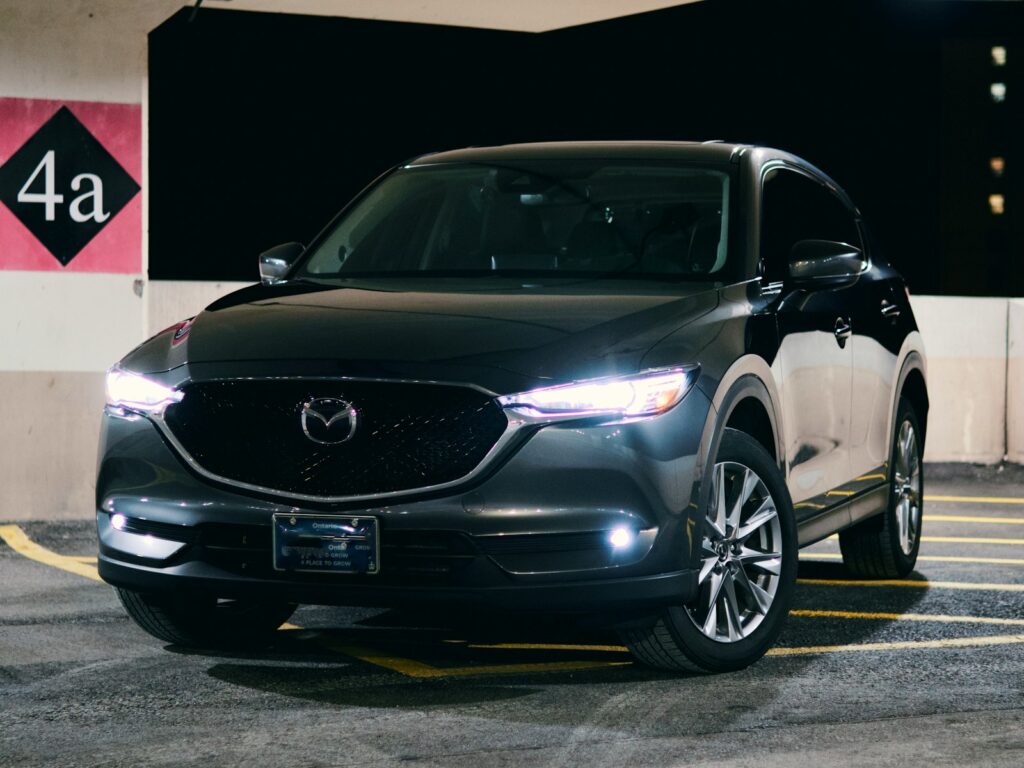
You’ll notice the CX-5 leans into refined design and a sporty feel that makes daily driving more engaging. Interior materials often feel a step up, so your cabin time can feel quieter and more premium.
If you value sharp handling and a composed ride, the CX-5 delivers without flashy tech overload. Prices and trims vary; read the detailed comparison at U.S. News for full specs and trim breakdowns: 2026 Honda CR-V vs. 2025 Mazda CX-5: Head to Head.
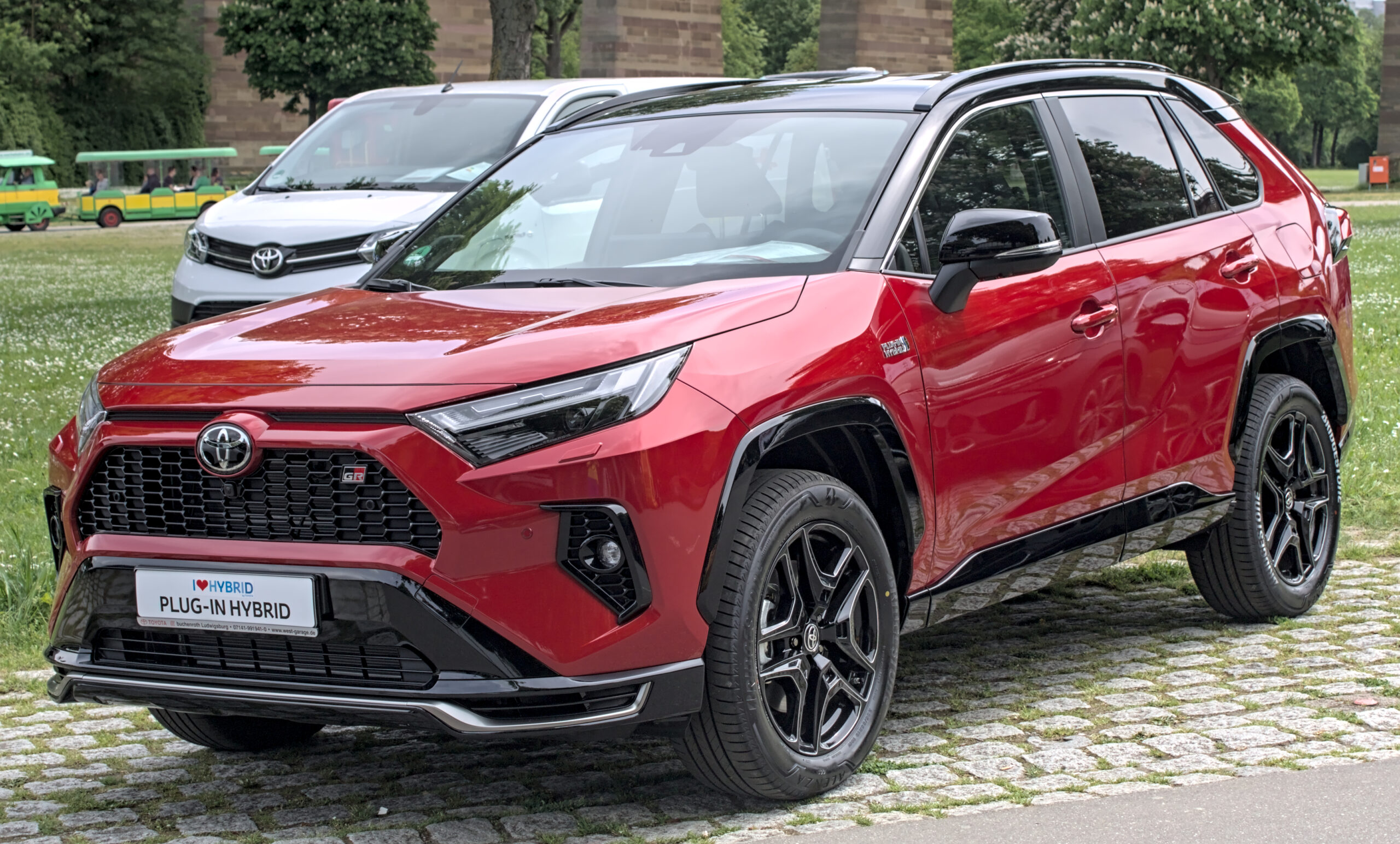
Toyota RAV4 Plug-in Hybrid
You get about 40–50 miles of electric range in the 2026 RAV4 Plug-in Hybrid, which cuts commute costs and lets short trips run mostly on battery power. Check Toyota’s official page for details on trims and EV range.
The plug-in version boosts acceleration and adds a quiet, refined feel compared with the CR-V. If you want a compact SUV that can run daily errands electric-first, this one deserves a close look.
Subaru Forester Hybrid
You’ll notice the Forester Hybrid brings Subaru’s standard all-wheel drive and a new electrified powertrain that improves city fuel economy without sacrificing ground clearance.
Ride quality stays composed over rough roads, and the cabin feels practical and roomy for gear and passengers.
If you want a straightforward hybrid with off-road confidence, check the detailed comparison with the CR-V in this review of the 2025 Subaru Forester vs. Honda CR-V.
More from Steel Horse Rides: