

You want a hybrid that saves you money and time, not one that keeps you in the shop. This article shows which hybrid models often lead to expensive repairs and which ones tend to run reliably so you can choose with confidence.
Flip through the lineup with practical guidance on maintenance difficulty, parts availability, and long-term ownership expectations. Keep this page handy as a quick roadmap for avoiding costly surprises and finding hybrids that actually pay off.
Ford Escape Hybrid (2005-2012) – known for frequent repairs and tricky maintenance
You’ll find many owners report recurring issues with the early Escape Hybrids, from brake and battery troubles to transmission quirks. Mechanics often call these years higher-maintenance compared with newer hybrids.
Expect repair visits more often than with most Toyota or Honda hybrids. Check detailed complaint histories like those on CarComplaints before buying used.
GM hybrids – hard to find skilled mechanics, can be costly to fix
You might struggle to find technicians who specialize in GM’s hybrid systems, because the company didn’t push hybrids as aggressively as brands like Toyota or Honda.
That can mean longer trips to dealerships or independent shops with less experience, and those repairs often cost more than routine gasoline-only work.
Expect higher parts costs for hybrid batteries and electronics, and limited resale value can make repairs feel less worthwhile.
If you buy a GM hybrid, prioritize service history and access to trained mechanics nearby.
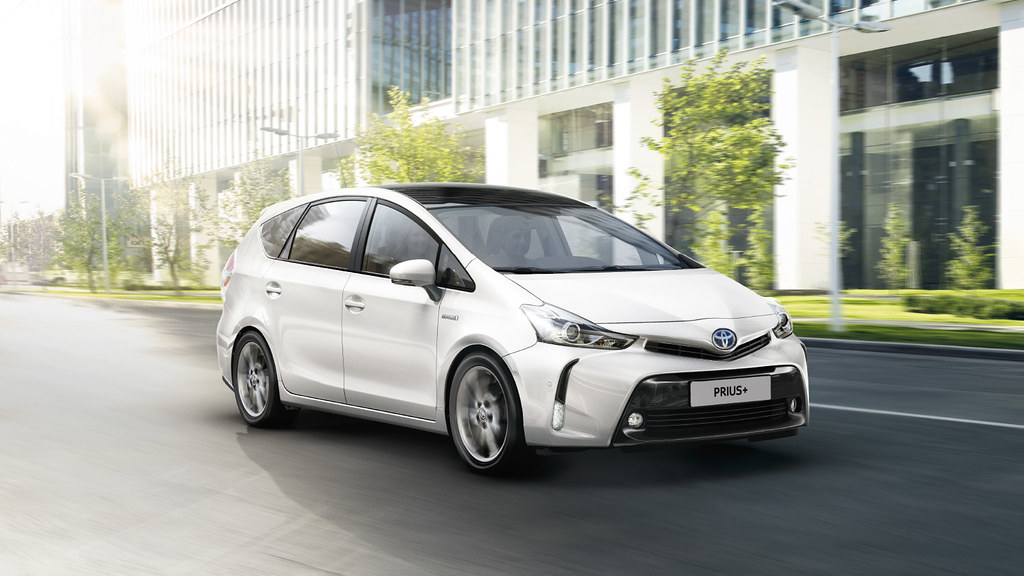
Toyota Prius – built to last with reliable hybrid tech and easy upkeep

You’ll find the Prius known for decades of dependable hybrid systems and straightforward maintenance.
Routine items like brake pads and the 12‑volt battery are inexpensive, and Toyota’s hybrid components have a long service record.
If you need reference reviews and specs, check the official 2026 Toyota Prius page.
That page covers trims, tech, and efficiency so you can compare features before you buy.