

Nearly 40 million used cars changed hands in the United States in 2024, according to Cox Automotive data. Many of those transactions went smoothly. Plenty did not. ASE-certified technicians who perform pre-purchase inspections for a living say the buyers who get burned almost always skipped the same basic homework. Their advice boils down to three non-negotiable checks that take less than an hour and can prevent a five-figure mistake.
1. Fluids and service records tell you how the car actually lived
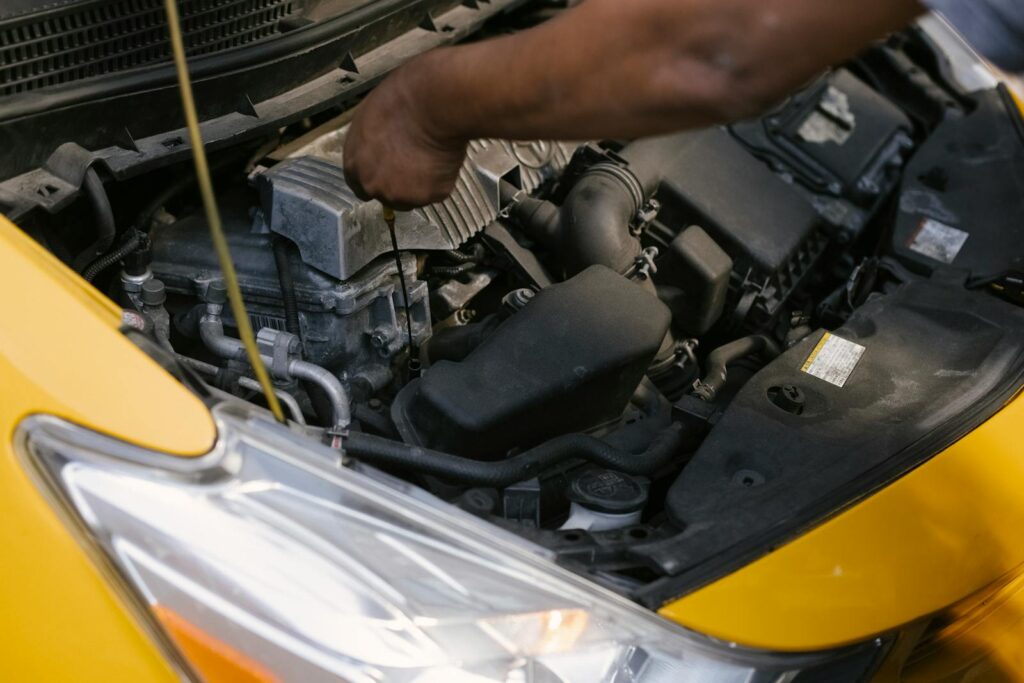
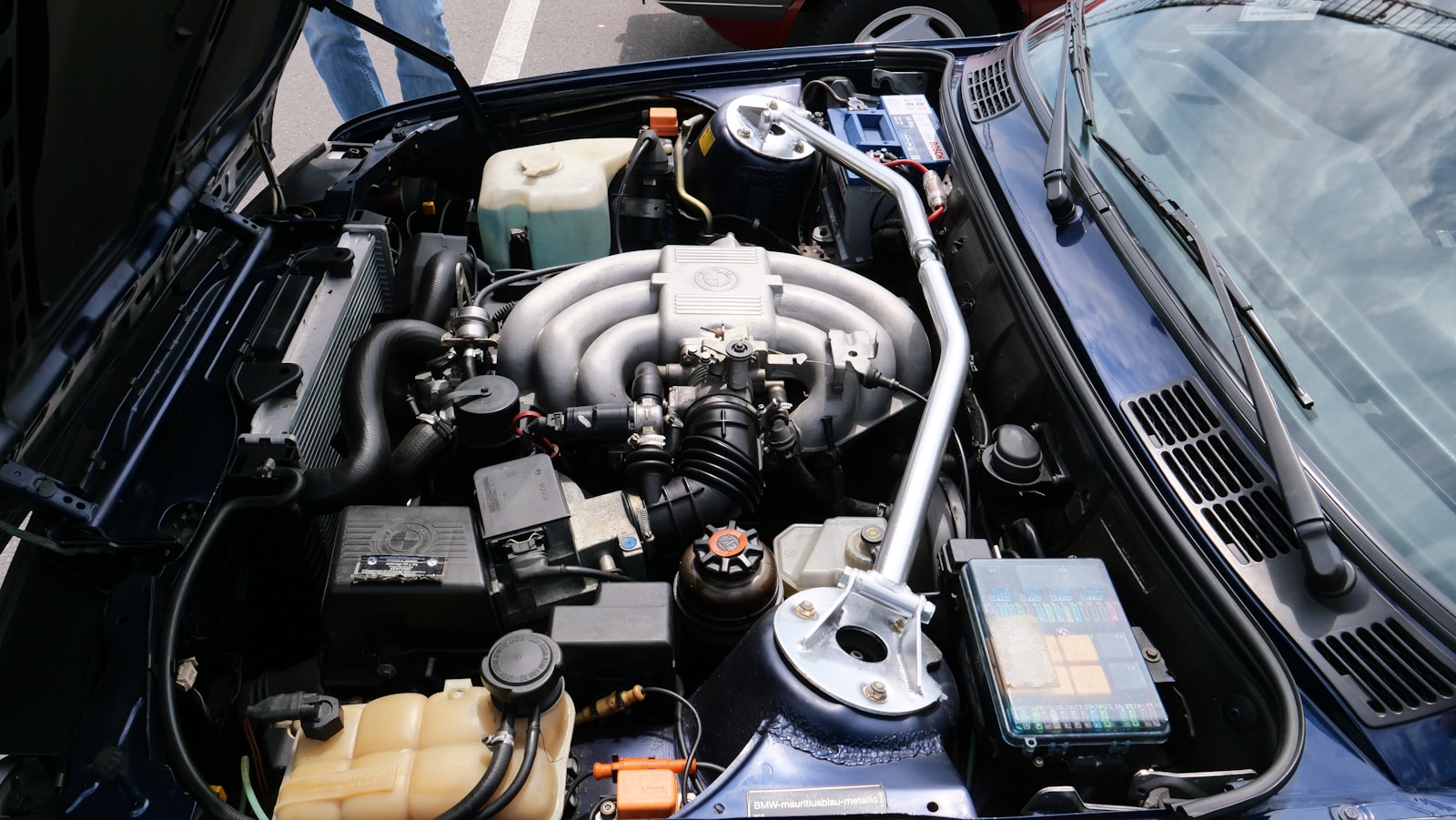
Start under the hood, not behind the wheel. The condition of a vehicle’s fluids is the fastest window into how its previous owner treated it. Pull the engine oil dipstick first. Clean, amber-colored oil sitting between the min and max marks suggests the car has been serviced on schedule. Thick, dark sludge or a burnt odor points to extended drain intervals and possible internal engine wear, problems that can cost $3,000 to $7,000 to address if they escalate to bearing or timing chain failure, according to RepairPal repair estimates.
Transmission fluid deserves equal scrutiny. On vehicles with a user-accessible dipstick, the fluid should be pink, red, or light brown and should not smell scorched. Dark, gritty fluid or a burnt odor can indicate internal clutch wear. Coolant in the radiator reservoir should be the correct color for the vehicle’s specification (typically green, orange, or pink depending on the manufacturer) and free of oily residue, which can signal a head gasket leak.
Fluid checks only tell part of the story. Ask the seller for maintenance records: oil change receipts, dealer service printouts, or stamps in the owner’s booklet. A vehicle history report from Carfax or AutoCheck can confirm reported service visits, flag title brands like salvage or flood, and reveal odometer discrepancies. As of early 2026, a single Carfax report runs about $24.99, a small price relative to the risk of buying blind.
While you are under the hood, scan for visual red flags: heavy oil deposits around valve cover gaskets, damp spots near coolant hoses, or a strong fuel smell. A conspicuously steam-cleaned engine bay is not automatically suspicious (many dealers detail engines before listing a car), but if the rest of the vehicle is dirty and the engine is spotless, it is worth asking why. Seepage hidden by a fresh cleaning may reappear within days.
Finally, check the glass. Every factory-installed window carries an OEM manufacturer stamp, typically in a lower corner. Mismatched or aftermarket glass on multiple windows can indicate prior accident damage or break-ins. A single replaced windshield is common and usually harmless, but several non-OEM panes should prompt deeper questions about the car’s history.
These early checks serve a second purpose: they test the seller’s honesty. A car advertised as “dealer serviced since new” should have the paperwork and clean fluids to back that claim. If the story and the evidence do not match, move on.
2. The test drive should stress the car, not the buyer
A five-minute cruise around the block reveals almost nothing. Experienced technicians recommend a test drive of at least 20 to 30 minutes that includes highway merging, firm braking, tight parking-lot turns, and a stretch of rough pavement. The goal is to push every major system hard enough to expose problems a gentle drive would hide.
During hard acceleration, the engine should pull smoothly without hesitation, misfires, or knocking under load. Knocking or pinging at wide-open throttle can indicate carbon buildup, low-octane fuel, or more serious detonation issues. The transmission should shift cleanly. On an automatic, watch the tachometer for flare (engine speed rising without a corresponding increase in vehicle speed), which suggests worn clutch packs. On a manual, feel for grinding between gears and note where the clutch engages in its pedal travel. A clutch that grabs only at the very top of the stroke is likely nearing the end of its life, and replacement typically runs $1,200 to $2,500 on most passenger cars, per RepairPal.
Listen carefully throughout the drive. A rhythmic hum that rises with vehicle speed often points to a failing wheel bearing. Clunks over bumps can indicate worn sway bar links, ball joints, or strut mounts. A rattle from underneath at idle may be a loose heat shield, which is cheap to fix, or a failing catalytic converter, which is not.
Brakes should bite firmly and progressively without pulling the car left or right. A pulsation through the brake pedal usually means warped rotors. A soft pedal that sinks toward the floor under steady pressure can indicate air in the hydraulic lines or a failing master cylinder. Either condition needs diagnosis before purchase.
Test every accessory: air conditioning (both cooling and heating modes), all power windows, mirrors, locks, the infotainment system, and any driver-assistance features like backup cameras or blind-spot monitoring. Electrical faults in vehicles older than five or six years can be time-consuming and expensive to trace.
Watch the dashboard throughout. The check engine light, ABS light, airbag light, and TPMS indicator should illuminate briefly at startup and then switch off. If any warning light stays on, do not accept “it’s just a sensor” as an explanation. A basic OBD-II scan, which many auto parts stores will perform for free, can reveal stored diagnostic trouble codes and give you leverage to negotiate or walk away.
3. Frame, body, and undercarriage reveal what the seller won’t
A car can drive well and still be hiding structural damage that compromises safety and resale value. This is where buyers need to get low, look underneath, and take their time.
Crouch down and scan the frame rails, subframe, and floor pans. Factory welds are uniform and consistent. Aftermarket welds, fresh undercoating applied in patches, or bent frame rails are signs of prior collision repair. Surface rust on an older vehicle in a northern climate is expected, but heavy scale, flaking, or perforation around suspension mounting points or along the rocker panels is a structural concern. Repairing a rusted-through subframe or control arm mount often exceeds the vehicle’s market value, according to the National Highway Traffic Safety Administration, which has issued recalls and safety advisories related to frame corrosion on several popular models.
Body panels offer their own clues. Walk slowly around the car and sight down each side at a low angle. Differences in paint shade between adjacent panels, overspray on rubber door seals or trim, and uneven panel gaps can all indicate previous bodywork. Quality collision repair is not inherently disqualifying, but it should be disclosed by the seller and reflected in the asking price. Ripples along the roof or rear quarter panels are more concerning, as they can suggest a rollover or severe side impact.
Inside the cabin, lift the floor mats and check the spare tire well in the trunk. Damp carpet, a musty smell, or silt lines in hidden corners are classic indicators of flood damage, a condition that may not always appear on a vehicle history report, especially if the car was moved across state lines before the title was branded. Corrosion on seat-mounting bolts or under-dash brackets reinforces the concern. Flood-damaged vehicles frequently develop chronic electrical failures as wiring connectors and control modules corrode from the inside out.
Headlights and taillights deserve a final look. Moisture trapped inside a lens housing can indicate a broken seal from an impact. Mismatched light assemblies (one clear, one yellowed, or different part numbers) suggest replacement after a collision. These are not always deal-breakers on their own, but combined with other evidence, they build a picture the seller may not be volunteering.
The check that ties them all together: a pre-purchase inspection
Even buyers who follow every step above should seriously consider paying an independent mechanic for a formal pre-purchase inspection (PPI). Most shops charge between $100 and $250 for the service, which typically includes a lift inspection, OBD-II scan, brake measurement, and a written report. The Federal Trade Commission recommends getting an independent inspection before buying any used vehicle, and a seller who refuses to allow one is telling you something worth hearing.
A PPI does not guarantee a trouble-free ownership experience, but it shifts the odds sharply in the buyer’s favor. Combined with a careful fluid check, an aggressive test drive, and a thorough body and frame inspection, it turns a gamble into an informed decision. In a market where the average used car transaction price still hovers above $28,000 as of early 2026, according to Kelley Blue Book data via Cox Automotive, that due diligence is not optional. It is the price of buying smart.
More from Wilder Media Group: