

A car can look perfect on a spec sheet and still leave its owner counting the days until the lease is up. Consumer Reports’ owner satisfaction surveys quantify that disconnect by asking one pointed question: would you buy this vehicle again? The results, drawn from surveys of thousands of verified owners, reveal which models inspire loyalty and which ones generate regret.
Three nameplates stand out in the most recent data for especially low “would buy again” scores: the Jeep Grand Cherokee 4xe plug-in hybrid, the Volkswagen ID.4 electric crossover, and the Cadillac Escalade. They span different price brackets and powertrains, but the complaints share a common thread: real-world ownership did not live up to the showroom pitch.
Jeep Grand Cherokee 4xe: the plug-in hybrid that struggles to convert owners
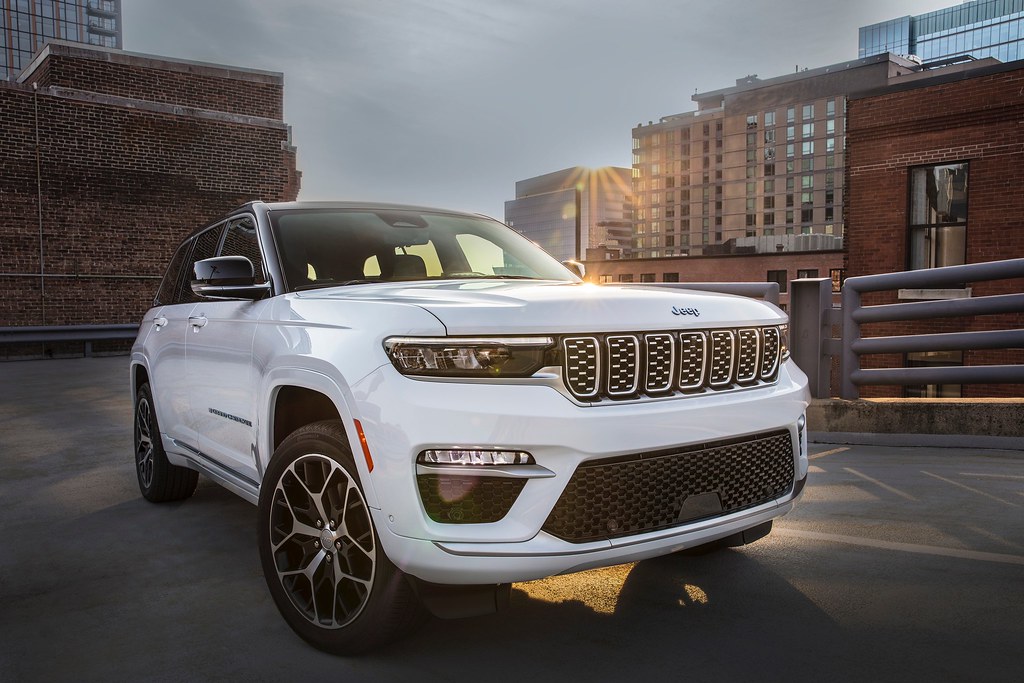
Stellantis positioned the Grand Cherokee 4xe as the best of both worlds: trail-rated SUV capability plus roughly 25 miles of electric-only range for daily commuting. The idea is compelling. The execution, according to owners, is less so.
Consumer Reports’ survey data places the Grand Cherokee among the least satisfying vehicles to own, with a “would buy again” score that trails most of its competitive set. Only about 47% of surveyed owners said they would choose it a second time, according to reporting that analyzed the CR findings.
The complaints cluster around a few themes. Once the battery is depleted, fuel economy drops sharply, and owners who expected hybrid-level efficiency on longer trips report feeling misled by the EPA numbers. The transition between electric and gasoline power is not always smooth, and some drivers describe a noticeable lurch or delay when the engine kicks in. Ride quality on the 20-inch and 21-inch wheels that dominate dealer lots also draws criticism, with owners saying the Grand Cherokee feels harsher than competitors like the Toyota Grand Highlander Hybrid or the Ford Explorer.
Then there is the price. A loaded Grand Cherokee 4xe can push past $75,000, which puts it in range of luxury plug-in hybrids from BMW and Lexus. At that level, owners expect polish, and several reviewers have questioned whether the 4xe delivers enough refinement to justify the premium over a standard Grand Cherokee, which starts roughly $20,000 lower.
Buyers considering this model should charge at home and confirm that their daily commute fits within the electric range. If most driving will rely on the gasoline engine, a conventional Grand Cherokee or a competing hybrid SUV may deliver better long-term satisfaction.
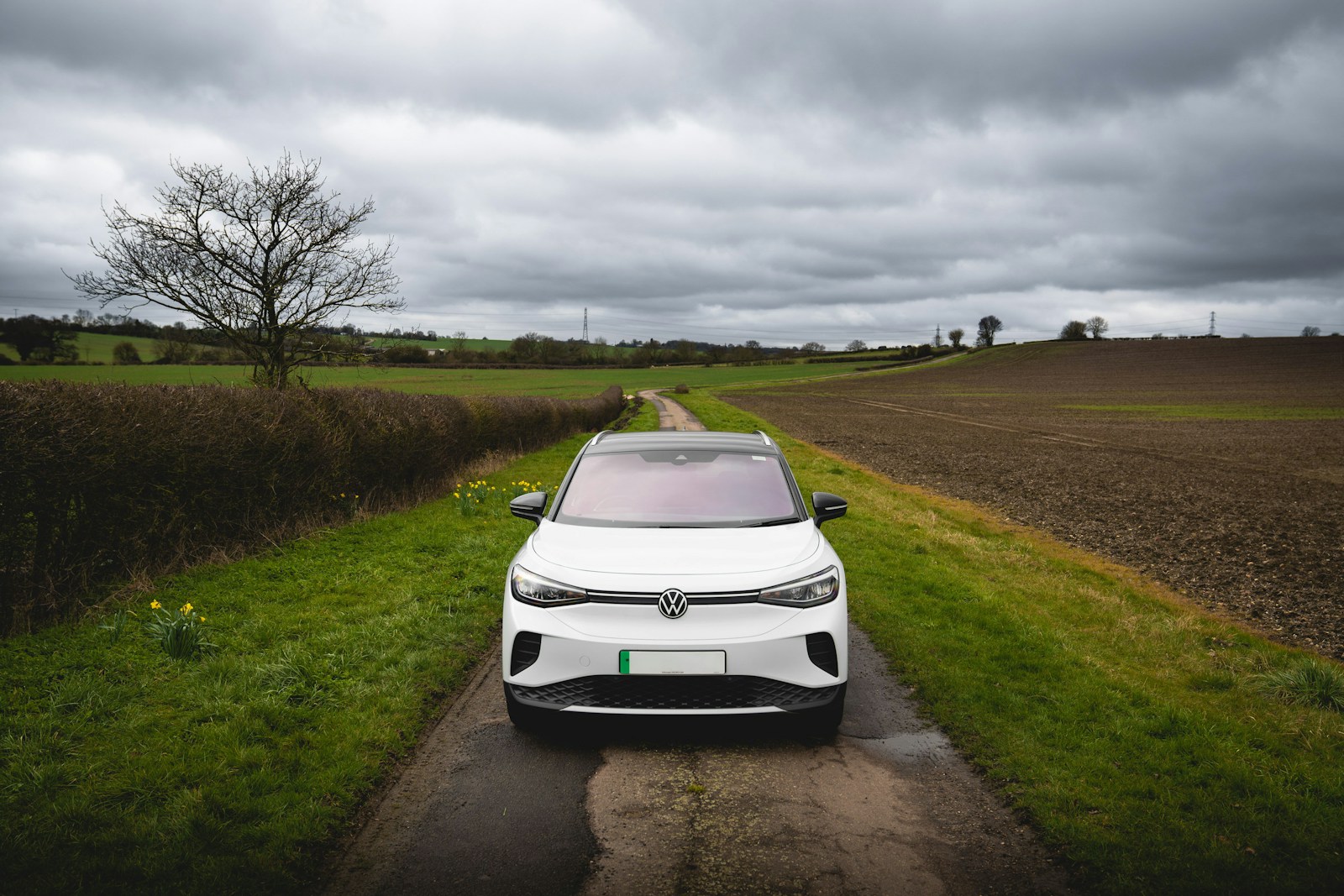
Volkswagen ID.4: an EV held back by its own software
Volkswagen built the ID.4 to be its mainstream electric answer to the Tesla Model Y: roomy, reasonably priced, and practical for families. It has sold in meaningful numbers since its 2021 launch, and the packaging is genuinely useful, with a flat floor, a deep cargo area, and available all-wheel drive.
But Consumer Reports’ owner satisfaction survey tells a rougher story. Only 45% of surveyed ID.4 owners said they would buy the vehicle again, one of the lowest figures among current EVs. For context, the Tesla Model Y and Hyundai Ioniq 5 both score significantly higher in the same survey, suggesting the problem is not with electric cars in general but with this one in particular.
Software is the recurring frustration. The ID.4’s infotainment system relies heavily on a touchscreen with capacitive sliders for volume and climate, and owners report sluggish response times, confusing menus, and occasional system crashes. Volkswagen has pushed over-the-air updates to address some of these issues, but forum threads and owner reviews suggest the improvements have been incremental rather than transformative.
Charging experience also factors in. While the ID.4’s official EPA range (up to 275 miles on certain trims) looks competitive on paper, owners report that highway speeds, cold weather, and climate control use can cut that figure by 20% to 30%. DC fast-charging speeds, particularly on earlier model years, have also drawn complaints for tapering more aggressively than some rivals.
For shoppers drawn to the ID.4’s price point, spending extended time with the infotainment system before signing is essential. Compare the software experience directly against the Chevrolet Equinox EV, Hyundai Ioniq 5, and Tesla Model Y. If the interface feels frustrating during a 30-minute test drive, it will not improve over three years of ownership.
Cadillac Escalade: six-figure luxury, sub-50% loyalty
The Cadillac Escalade has been a status symbol for two decades, and the current generation delivers on presence. Its 38-inch curved OLED dashboard display is genuinely impressive, the cabin is quiet and spacious, and the Super Cruise hands-free driving system is among the best in the industry. None of that, apparently, is enough to guarantee a second purchase.
Consumer Reports data shows that just 43% of Escalade owners would buy one again. For a vehicle priced from roughly $91,000 to over $170,000 depending on trim and options, that is a striking number. It means the majority of people who spent six figures on a luxury SUV walked away unsatisfied enough to say they would not do it again.
Fuel economy is the most cited pain point. The Escalade’s 6.2-liter V8 returns approximately 16 mpg combined, and city driving can dip into the low teens. At current fuel prices, owners filling a 28-gallon tank with premium gasoline are spending north of $100 per fill-up, and doing it often. For buyers who previously owned a midsize luxury SUV, the jump in fuel costs can feel jarring.
Size is the other recurring complaint. At nearly 18.5 feet long, the Escalade is difficult to park in urban garages, tight restaurant lots, and standard residential driveways. Owners who bought it for the interior space and technology sometimes find that the sheer footprint makes it impractical for daily use in anything other than suburban or rural settings.
Reliability concerns at this price level also amplify dissatisfaction. When a vehicle can approach $170,000 with options, any electronic glitch, trim rattle, or unscheduled dealer visit feels disproportionately frustrating. Owners expect perfection, and the Escalade does not always deliver it.
Anyone considering an Escalade should honestly assess how often they need full-size SUV capability versus how often they are navigating parking structures and city streets. The upcoming all-electric Escalade IQ, expected to address the fuel-economy issue, may also be worth waiting for if the brand’s styling and technology are the primary draw.
What these three models have in common
Despite targeting very different buyers, the Grand Cherokee 4xe, ID.4, and Escalade share a pattern: each one promises something ambitious and then underdelivers in daily use. The Jeep promises hybrid efficiency but stumbles when the battery runs out. The VW promises accessible electric driving but frustrates with half-baked software. The Cadillac promises ultimate luxury but burdens owners with fuel bills and parking headaches that chip away at the experience.
They are not alone. Consumer Reports’ broader satisfaction rankings flag several other models with “would buy again” scores below 50%, including the Nissan Altima (48%), the Volkswagen Jetta (47%), and the Kia Forte (47%), according to the same survey data. Budget sedans tend to disappoint on cabin quality and road noise; expensive trucks and SUVs tend to disappoint on running costs and reliability.
How to avoid buyer’s remorse on your next car
Owner satisfaction data is one of the most underused tools in car shopping. Here is how to put it to work:
- Check “would buy again” scores before you visit a dealer. Consumer Reports publishes owner satisfaction rankings that go beyond reliability to capture how owners actually feel about living with a vehicle. A score below 50% is a red flag worth investigating.
- Read owner forums, not just professional reviews. Professional reviewers drive a car for a week. Owners live with it for years. Forums and long-term owner threads surface complaints about software degradation, warranty service, and real-world fuel economy that a press-fleet test drive will never reveal.
- Calculate total cost of ownership, not just the monthly payment. Fuel, insurance, maintenance, and depreciation can vary by thousands of dollars per year between competing models. A vehicle that looks affordable on a payment calculator may cost significantly more over a five-year ownership period.
- Test the pain points, not just the highlights. If a model is criticized for a laggy infotainment system, spend 20 minutes using it during your test drive. If owners complain about ride harshness on large wheels, make sure the dealer lot car has those wheels. The goal is to experience the compromises before you sign.
More from Wilder Media Group: