


The price on the window sticker is where most first-time car buyers start and stop their math. But the sticker accounts for only a fraction of what a vehicle actually costs to own. According to a 2024 Bankrate study, the average American spends $6,894 per year on hidden ownership costs beyond the car payment itself, covering everything from depreciation and insurance to taxes, maintenance, and fees.
For someone buying their first car, those extras can quietly consume a budget that looked comfortable on paper. Here are the four cost categories that catch new buyers off guard most often, along with specific ways to plan for each one.
1. Depreciation: the biggest cost nobody writes a check for
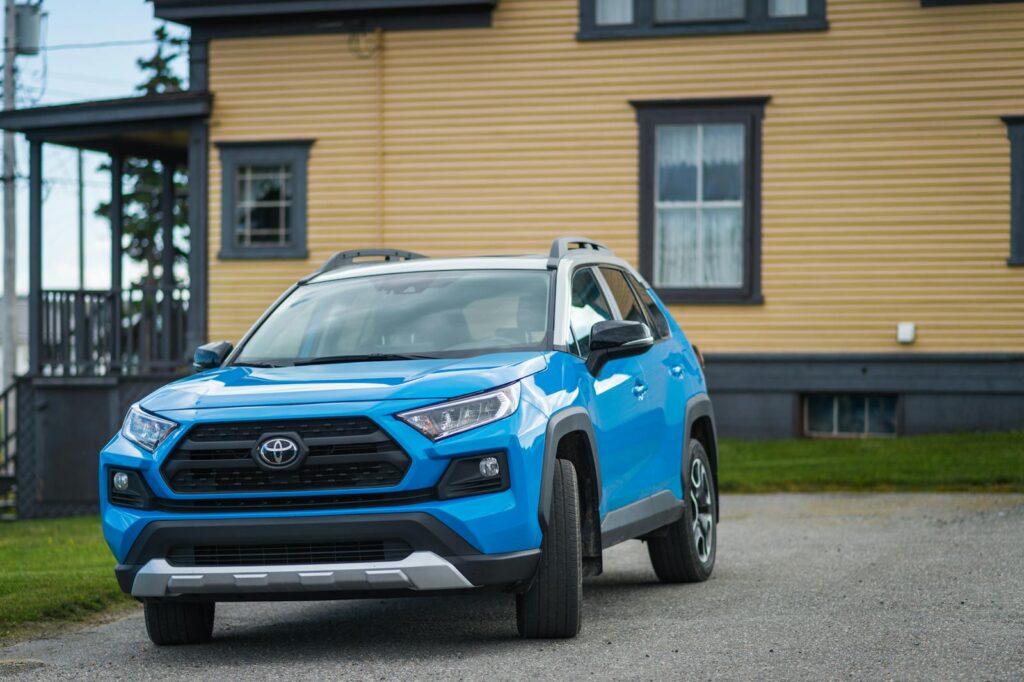
Depreciation does not show up on a monthly statement, which is exactly why first-time buyers tend to ignore it. But it is routinely the single largest ownership expense. According to Edmunds’ True Cost to Own calculator, a 2025 Honda Civic Sedan loses roughly $14,000 in value over its first five years. A 2025 Toyota RAV4 drops by a similar amount, though exact figures vary by trim and region.
That loss matters most for buyers who plan to trade in or sell within three to four years. If a car loses $9,000 in value over three years and the buyer still owes $12,000 on the loan, they are underwater, meaning they would need to write a check just to get out of the deal. This is how buyers who negotiated a “great price” at the dealership still end up losing money.
Depreciation is not fully avoidable, but it is predictable. Models with strong resale demand, such as the Civic, Tacoma, or Subaru Crosstrek, tend to hold value better than heavily incentivized sedans or large SUVs that flood the used market. The practical move for a first-time buyer: look up the projected five-year depreciation for any car on the shortlist, divide by 60, and add that figure to the monthly payment. If the combined number stretches the budget, the car costs more than it appears.
2. Insurance: the quote that changes with every choice you make
Insurance is the ownership cost most likely to surprise a young buyer at the last minute. According to the Insurance Information Institute, the national average annual premium for full coverage was over $2,300 as of the most recent data, but drivers under 25 routinely pay significantly more. A 21-year-old insuring a new turbocharged hatchback in an urban ZIP code can face premiums that rival the car payment itself.
Lenders require full coverage (collision and comprehensive) on any financed vehicle, so buyers who plan to carry only liability will not have that option until the loan is paid off. The vehicle itself also drives the premium: cars with higher repair costs, worse theft rates, or lower crash-test scores cost more to insure. A TrueCar overview of overlooked ownership costs notes that even buyers who budget carefully for fuel and maintenance often forget to account for the jump from liability-only to full coverage.
The fix is straightforward but rarely followed: get a binding insurance quote before signing for the car, not after. Call insurers with the specific VIN, your actual coverage requirements, and realistic annual mileage. Compare how a higher deductible or a telematics (usage-based) discount program would change the number. In some cases, choosing a certified pre-owned model one or two years old instead of a brand-new one can lower both the purchase price and the insurance premium, because the replacement value the insurer covers is lower.
3. Maintenance and repairs: predictable until they are not
New-car buyers often assume warranty coverage means zero maintenance costs. It does not. Warranties typically exclude wear items like tires, brake pads, wiper blades, and cabin air filters. Even under warranty, owners are responsible for scheduled oil changes and tire rotations, which most manufacturers require to keep coverage valid.
According to AAA’s annual driving cost study, maintenance and repair costs for a new vehicle average roughly $0.10 per mile, which works out to about $1,500 per year for a driver covering 15,000 miles. That figure rises as the car ages and the warranty expires. A CarEdge breakdown of total ownership costs shows that even small recurring items, from cabin filters to brake fluid flushes, compound over several years.
The real budget risk is unplanned repairs. A first-time buyer choosing a 2016 SUV with 90,000 miles over a 2023 compact with 15,000 miles may save thousands upfront but face cooling system work, suspension component replacement, or transmission service far sooner. Skipping routine maintenance to save money in the short term tends to accelerate those larger bills.
A reliable buffer: set aside a fixed monthly amount in a separate savings account, even while the car is still under warranty. For a mainstream compact or crossover, $100 to $150 per month covers most scheduled services and builds a cushion for the first major out-of-pocket repair. That turns a surprise $800 brake job from a crisis into an inconvenience.
4. Taxes, fees, and the charges that arrive before you drive
The gap between the negotiated price and the actual out-the-door cost catches more first-time buyers than almost anything else. State sales tax alone can add thousands: in states like California (7.25% base rate, often higher with local additions) or Texas (6.25%), a $30,000 car generates $1,800 to $2,400 in sales tax before any other fees. An Autotrader guide to hidden purchase costs lists financing charges, state and local taxes, title fees, and dealer documentation fees as line items that routinely add $2,000 to $4,000 to the transaction.
Those costs do not stop at the point of sale. Annual registration renewals, state inspection or emissions testing fees, and in some areas parking permits or toll transponder charges create a recurring layer of expense. States that combine high insurance premiums with steep registration fees, such as Michigan, Louisiana, and Florida, tend to rank among the most expensive for total ownership costs, according to the Bankrate study.
Before signing anything, first-time buyers should ask the dealer for a complete out-the-door quote that includes every tax, fee, and add-on, then compare that total to their pre-approval amount. Tools like the Edmunds True Cost to Own calculator roll depreciation, financing, taxes, fees, insurance, fuel, maintenance, and repairs into a single five-year projection. That full picture often reveals that a slightly less expensive model with lower taxes and better fuel economy costs far less to own than a heavily promoted alternative with a flashier trim package.
More from Wilder Media Group: