
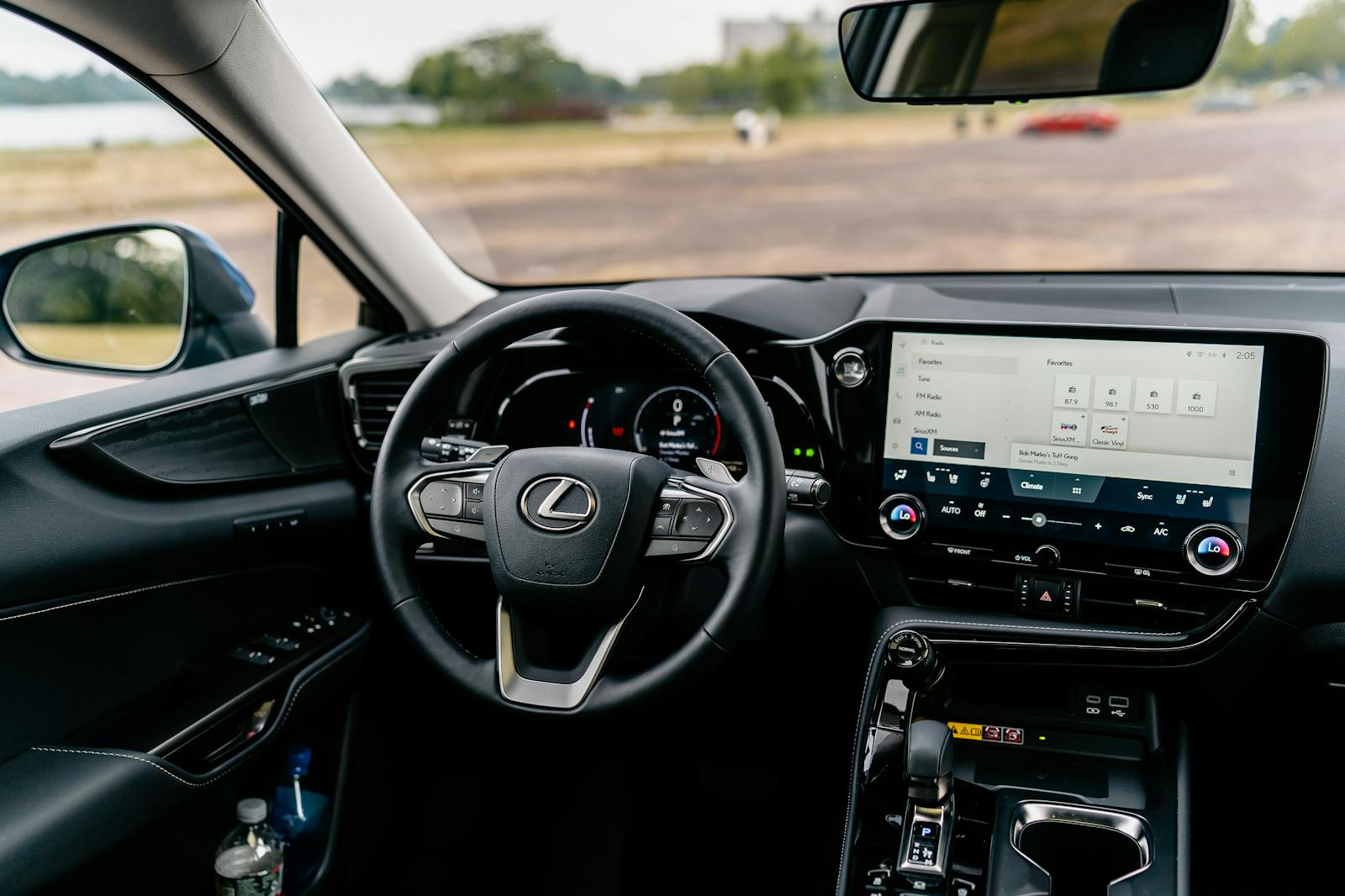

A 2024 Carwow survey of 2,000 UK drivers found that lane-keeping assist, automatic stop-start and oversized touchscreens ranked among the features owners would most willingly rip out of their cars. A separate S&P Global Mobility study the same year reported that 76 percent of respondents refused to pay for automakers’ connected-service subscriptions, even when they liked what the services did. The message from the people actually buying these vehicles is blunt: stop adding tech we have to fight.
As of early 2026, the disconnect between what automakers ship and what drivers want has only widened. Four categories of in-car technology draw the most consistent complaints, and they share a thread: each one prioritizes a product roadmap or regulatory checkbox over the experience of the person behind the wheel.
1. Giant touchscreens that bury basic controls
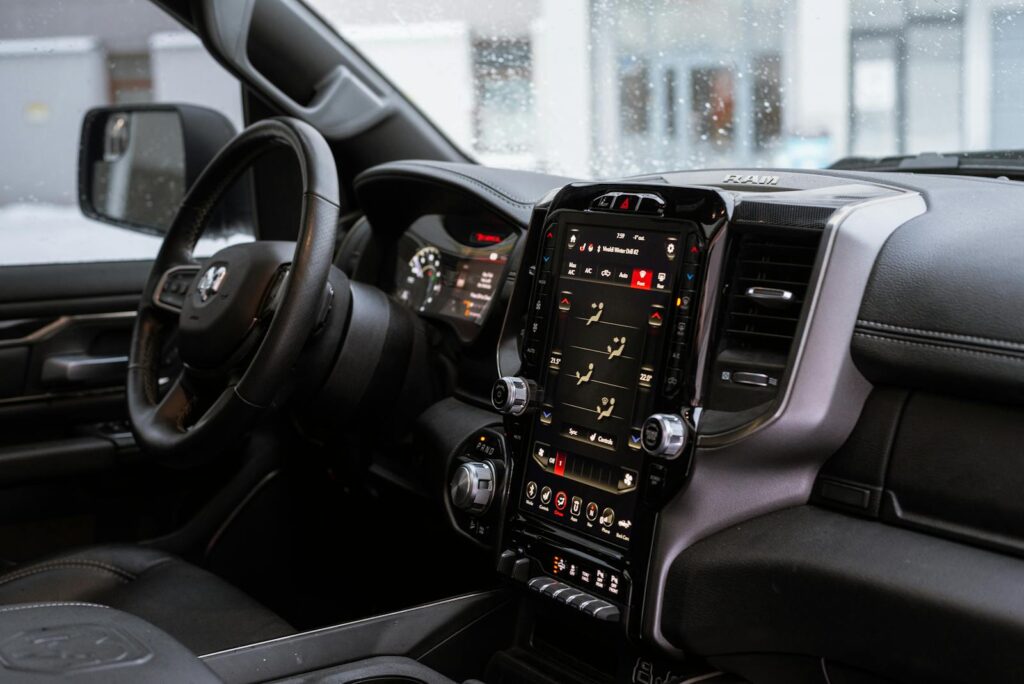
Climate knobs, volume dials, seat-heater switches — in a growing number of new models, all of these live inside a tablet-style screen. Tesla normalized the layout with the Model 3 in 2017. By the mid-2020s, brands from Volkswagen to Peugeot had followed, sometimes eliminating nearly every physical button from the dashboard.
The backlash has been measurable. Euro NCAP, the European crash-testing body, updated its safety rating protocol in 2026 to penalize vehicles that force drivers to use a touchscreen for basic functions like indicators, hazard lights and windshield defrost. The reasoning: every second a driver spends navigating a sub-menu is a second their eyes leave the road. A Swedish study by Vi Bilägare found that adjusting the climate in some touchscreen-only cars took up to four times longer than in models with physical controls.
Owners have noticed the reliability problem, too. When a large central screen freezes or blacks out, it can take navigation, audio, climate and sometimes rear-camera feeds with it. A WCNC Charlotte report on driver frustration with high-tech cars found that many buyers would trade an elaborate infotainment stack for simpler, more reliable controls that do not require an app login or a software update to function.
Some manufacturers have started to course-correct. Porsche retained physical climate toggles in the Taycan refresh. Hyundai’s latest Ioniq models brought back buttons for frequently used functions after customer feedback. Volkswagen acknowledged publicly that its all-touch approach in the ID. series was a mistake and pledged to reintroduce physical controls. The trend suggests the industry heard the criticism — though millions of touchscreen-only cars are already on the road.
2. Automatic stop-start that restarts the argument every drive
Few features generate as much low-level irritation as automatic stop-start. The system kills the engine at red lights and restarts it when the driver lifts off the brake, saving a modest amount of fuel — typically in the range of 3 to 5 percent in city driving, according to AAA testing. On paper, that is a sensible trade-off. In practice, many drivers describe shuddering restarts, hesitation when merging into a gap, and a nagging sense that the car is working against them.
The feature exists largely because it helps automakers meet fleet-wide emissions and fuel-economy targets. That regulatory logic does not translate into enthusiasm at the wheel. The Truth About Cars found that stop-start draws more complaints than almost any other standard feature, with owners citing the jolt of the restart and the loss of cabin comfort when the A/C compressor pauses on a hot day.
Pocket-lint grouped stop-start with other systems that “sound good in a brochure but quickly become daily annoyances,” noting that in many vehicles the disable button resets every time the engine is turned off. That design choice forces drivers to press the same button at the start of every trip — or, increasingly, to buy aftermarket modules that remember the preference permanently. When owners spend $50 to $150 to defeat a factory feature, something has gone wrong with the user experience.
Concerns about premature starter-motor and battery wear are common, though most manufacturers engineer stop-start components for the extra cycling. Still, the perception of mechanical stress adds to the frustration, especially in extreme climates where the system cycles dozens of times per commute.
3. Hyperactive driver aids that train you to ignore them
Lane-departure warnings, forward-collision alerts, blind-spot chimes, drowsiness detectors — modern cars can carry a dozen or more active driver-assistance systems (ADAS), and many of them announce themselves constantly. The intent is crash prevention. The effect, for a significant share of drivers, is sensory overload.
A Fox Business report on driver frustration with new-car technology described owners who feel as though the vehicle is “always judging their technique,” chirping at lane changes, close follows and even gentle curves. The Carwow survey of 2,000 drivers found that while most respondents valued basic automatic emergency braking, they were far less tolerant of systems that tug the steering wheel or trigger false alarms in construction zones.
The false-alarm problem is especially corrosive. Pocket-lint’s review of aggressive lane-keep systems described cars that “ping-pong within the lane” or fight the driver through gentle bends when road markings are faded or temporary. A video analysis of the unintended consequences of driver aids argued that constant low-level alerts train owners to tune warnings out entirely, which undermines the safety case for having the systems in the first place.
Regulators are partly responsible for the proliferation. The European Union’s General Safety Regulation, which took full effect in July 2024, mandates intelligent speed assistance, driver-drowsiness detection and lane-departure warning on all new cars sold in the bloc. In the United States, automatic emergency braking became a federal requirement for new passenger vehicles starting in 2029 under an NHTSA rule finalized in 2024. The safety rationale is strong — NHTSA estimates the AEB mandate alone will prevent 360 deaths a year — but the execution varies wildly between manufacturers. The gap between a well-calibrated system and an overbearing one is the difference between a feature drivers trust and one they disable at the first opportunity.
4. Subscriptions that charge rent on hardware you already own
The most visceral backlash is not about a gadget. It is about a business model. Automakers have discovered that connected cars can generate recurring revenue long after the sale, and they have begun locking features behind monthly or annual fees. BMW briefly charged $18 a month to activate heated seats in some markets. Toyota required a subscription to use the key fob for remote start. General Motors pulled Apple CarPlay and Android Auto from its newest EVs, steering owners toward its own built-in Google system and connected-services plans.
Drivers have responded with something close to revolt. The S&P Global Mobility study cited by The Drive found that 76 percent of respondents declined automakers’ connected-service subscriptions. The Autopian put it plainly: “Consumers Hate Paying a Subscription to Use Features Their Car Already Has, and the Data Proves It.”
Owners draw a clear line. Many are willing to pay for genuinely cloud-dependent services — live traffic routing, over-the-air security patches, emergency SOS. The anger flares when the hardware is already installed in the car and a software flag simply locks it until a credit card is entered. That dynamic feels less like a service and more like a tollbooth on something you thought you bought.
The friction compounds when subscriptions are layered on top of already complex infotainment ecosystems. The WCNC Charlotte report noted that some owners must download a dedicated app, create an account and enable push notifications before they can use features that previous-generation models offered with the turn of a knob. When that onboarding process is also the gateway to recurring charges, brand trust erodes quickly.
Why automakers keep pushing features drivers resist
If the complaints are this loud, why does the tech keep coming? Three forces explain most of it.
Regulation. Emissions rules push stop-start into base trims. Safety mandates require ADAS hardware. Automakers often have little choice about whether to include these systems; their latitude is in how well they calibrate and present them.
Revenue pressure. Subscription services represent a rare source of high-margin, recurring income in an industry where per-vehicle profits are thin and warranty costs are rising. Wall Street rewards automakers that can show growing software revenue, which creates an incentive to paywall features even when customers push back.
Competitive signaling. A 15-inch screen photographs well in a press release and looks impressive on a dealer lot. Physical knobs do not generate headlines. In a market where tech specs double as marketing copy, restraint can look like falling behind.
None of these forces are likely to disappear. But the brands paying closest attention to owner feedback — restoring buttons, refining ADAS calibration, offering transparent one-time pricing for optional features — are the ones building loyalty rather than resentment. The technology itself is not the problem. The problem is treating the driver as an afterthought in decisions about how that technology should work.
More from Wilder Media Group: