
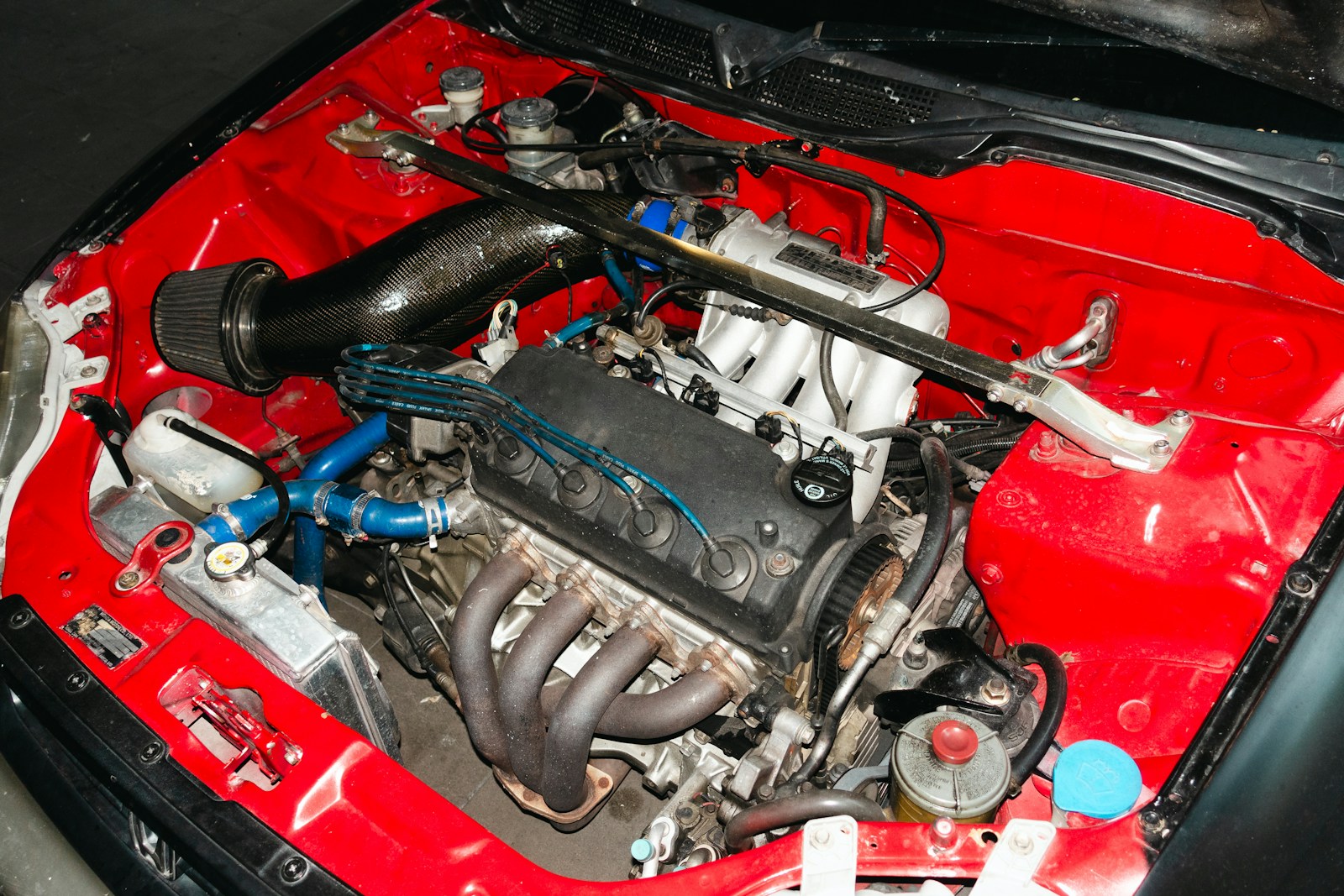

Hey there, car enthusiasts! If you’ve ever popped the hood of your vehicle, you know it’s not just a metal box filled with wires and belts. It’s a complex symphony of engineering, and keeping that symphony in tune is all about using the right fluids—especially coolants. Now, before you grab just any old jug of coolant off the shelf, let’s chat about a few types that mechanics are raising the alarm about. They might seem harmless, but they can do some serious damage to modern engines.
1. Traditional Green Antifreeze
You might remember the classic green antifreeze from your childhood, right? It was the go-to for many decades. While it’s still prevalent, many mechanics now caution against it for newer cars. Traditional green antifreeze is based on ethylene glycol and can actually contain silicates, which can lead to sludge buildup in modern engines. And no one wants sludge clogging up those delicate engine parts, believe me!
Modern engines are designed with finer tolerances and different materials, meaning they need a coolant that won’t cause corrosion or buildup. So, if you’re driving a newer model, it’s best to steer clear of the green stuff and opt for something better suited to your vehicle’s needs. Think of it as upgrading from a flip phone to a smartphone—your engine will thank you!
2. Water Alone
Now, I know what you’re thinking: “Water? That’s harmless!” And yes, it might be the most natural coolant out there, but using just plain water can lead to a world of hurt for your engine. It might cool things down temporarily, but it lacks the antifreeze properties necessary to prevent freezing in cold weather or boiling over in the heat.
Plus, water can lead to rust and corrosion in your engine’s cooling system over time. Think of water as that friend who’s always late—reliable in theory, but not when you really need them. So, if you’re tempted to just top off with water, resist that urge! Mix it with the right coolant instead for a happy, thriving engine.
3. Universal Coolants
Universal coolants might sound like a dream come true—one size fits all, right? Well, not so fast. While these products claim to work for any vehicle, the truth is they can be a bit of a gamble. Each car manufacturer has specific requirements for coolant based on the materials used in their engines, and universal coolants may not meet those standards.
Using a universal coolant could risk compatibility issues, leading to corrosion, leaks, and other nasty surprises. It’s like trying to wear a friend’s shoes—they might fit, but they’re not the right fit for you. So, always check your owner’s manual and stick to the recommended coolant for your car. Your engine will appreciate the tailored care!
4. Old Coolant
Finally, let’s chat about the coolant that’s been hanging out in your vehicle for a bit too long. Just like that leftover pizza in your fridge, coolant doesn’t last forever. Over time, it can lose its effectiveness—think of it as a superhero who’s lost their powers. Old coolant can become acidic, leading to corrosion and potential engine damage.
Most manufacturers recommend flushing and replacing your coolant every two to five years, depending on your vehicle and the type of coolant used. So, if you can’t remember the last time you did this or find yourself wondering why your engine is running hotter than usual, it might be time for a coolant check-up. Better safe than sorry, right?
Wrap-Up: Keep Your Engine Happy!
So, there you have it! Four types of coolants that mechanics warn can wreak havoc on modern engines. The key takeaway? Always do your homework before pouring any old coolant into your ride. Stick with the brands and types that are recommended for your specific vehicle, and you’ll be cruising along smoothly for years to come.
Next time you’re at the auto shop or browsing the shelves, keep these tips in mind. Your car’s engine will be grateful, and you’ll have peace of mind knowing you’re doing right by your trusty steed. Happy driving, and keep that engine cool!
More from Steel Horse Rides: