
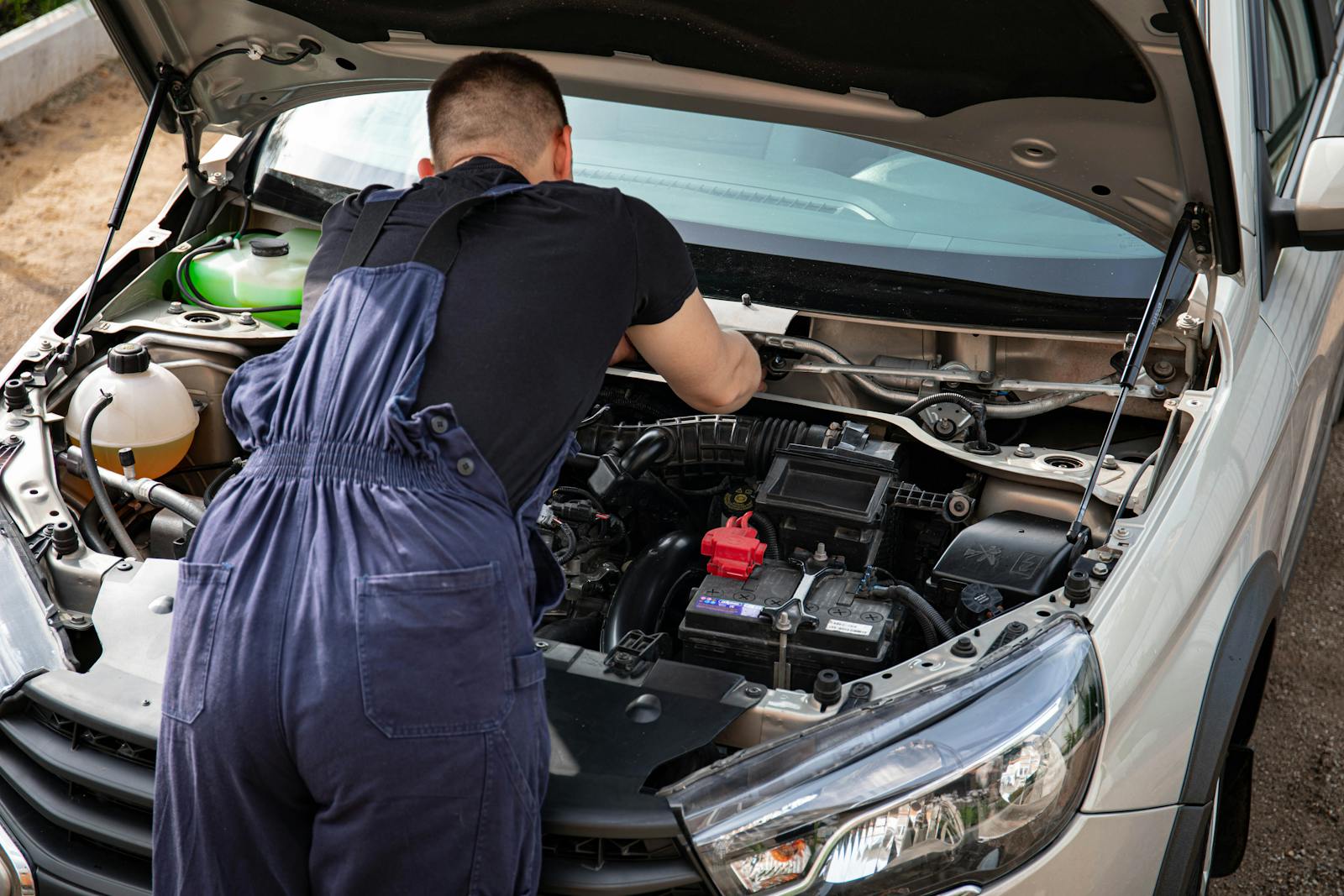

So, you’re cruising down the highway, feeling pretty good about your fuel efficiency. Maybe you’ve even splurged on one of those trendy fuel-saving gadgets, convinced it’s going to cut your gas expenses and help save the planet. But hold on a second! According to some recent federal tests, there are quite a few of these devices that just don’t live up to the hype. Grab a cup of coffee, and let’s chat about four of these underwhelming gadgets that you might want to think twice about before investing your hard-earned cash.
1. Fuel Line Magnets
First up on our list are those nifty-looking fuel line magnets. The idea is simple: you attach a magnet to your fuel line, and it’s supposed to align the fuel molecules in a way that boosts combustion efficiency. Sounds magical, right? Well, not according to the U.S. Department of Energy. In their tests, they found no significant improvement in fuel efficiency. So, unless you’re really into magnets (which I totally get if you are), you might be better off leaving this one on the shelf.
2. Electronic Fuel Savers
Next, we have the electronic fuel savers. These little gizmos plug into your car’s OBD-II port and promise to optimize your engine’s performance for better mileage. You’d think that with all the tech we have today, this would be a sure thing. However, federal tests showed that most of these devices didn’t make a dent in fuel consumption. Instead, you might just be paying for a glorified paperweight that lights up when you start your car. Talk about a bummer!
3. Air Intake Modifiers
Now, let’s chat about air intake modifiers. These devices claim to enhance your car’s airflow, which, in theory, should improve fuel efficiency. Who doesn’t want their engine to breathe a little easier? But, in practice, these devices often do more harm than good. Many users report that they notice no change in fuel economy, and some even find that their engine performance takes a hit. It’s like trying to breathe through a straw while running a marathon — not exactly helpful!
4. Tire Pressure Monitoring Systems
Last but not least, we have tire pressure monitoring systems (TPMS). Now, before you get all defensive — because yes, keeping your tires properly inflated is super important for fuel efficiency — the problem lies in the aftermarket TPMS. Some of these systems claim to help maintain optimal tire pressure automatically, but they don’t always deliver. The federal tests found that while regular tire maintenance can help save fuel, many aftermarket devices simply don’t do a better job than good old-fashioned manual checks. So, if you still want to play the tire pressure game, grab a gauge instead; it’s tried and true!
Why Do People Keep Buying Them?
You might be wondering why these gadgets still fly off the shelves, despite the lack of results. Well, it’s a mix of clever marketing and human nature. We all want to believe there’s a quick fix, don’t we? The promise of saving money at the pump can be incredibly tempting, especially when gas prices seem to rise faster than our spirits on a Monday morning. Plus, let’s be real — who doesn’t love a shiny new gadget?
What Can You Do Instead?
If you’re looking to genuinely save on fuel, you might want to consider some tried-and-true methods instead. Regular maintenance is key — keeping your engine tuned and your tires inflated can work wonders. And, surprise, surprise, driving habits play a huge role too! Smooth acceleration and braking, sticking to speed limits, and reducing idle time can really help stretch that tank of gas.
Also, don’t underestimate the power of carpooling or taking public transport when you can. Not only will you save money, but you might even make some new friends along the way. And hey, if you’re feeling adventurous, maybe it’s time to dust off that bike in the garage? It’s a fun way to get some exercise while saving on gas. Win-win!
Final Thoughts
In the end, it’s all about being informed and making smart choices. While it’s tempting to chase after the latest fuel-saving gadget, sometimes the simplest solutions are the most effective. So, before you throw your money down on the next shiny device that promises to revolutionize your fuel efficiency, take a moment to do your homework. Your wallet will thank you!
More from Steel Horse Rides: