

Your car might start without complaint every morning and sail through its last inspection, but that doesn’t mean it’s safe from a repair bill that rivals its resale value. The failures that hit hardest tend to brew quietly in systems most owners never think about: oil passages slowly clogging with sludge, a coolant leak dripping where you can’t see it, a timing belt stretching toward its breaking point. Here’s where the real financial risk hides, and what you can do now to stay ahead of it.
1. Skipped Oil Changes Can Quietly Kill an Engine
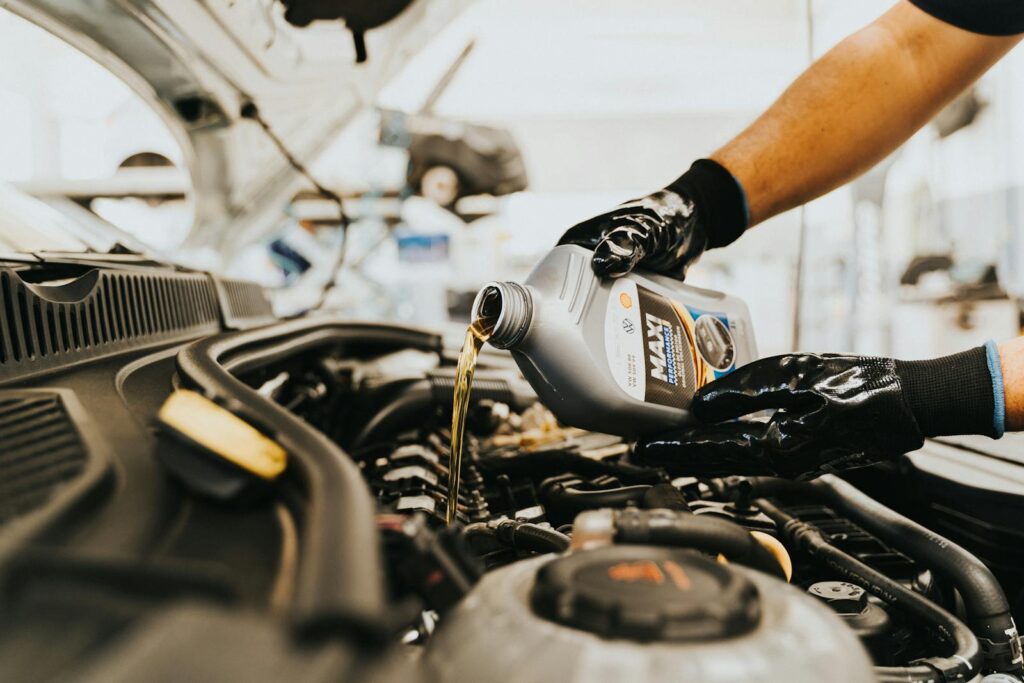
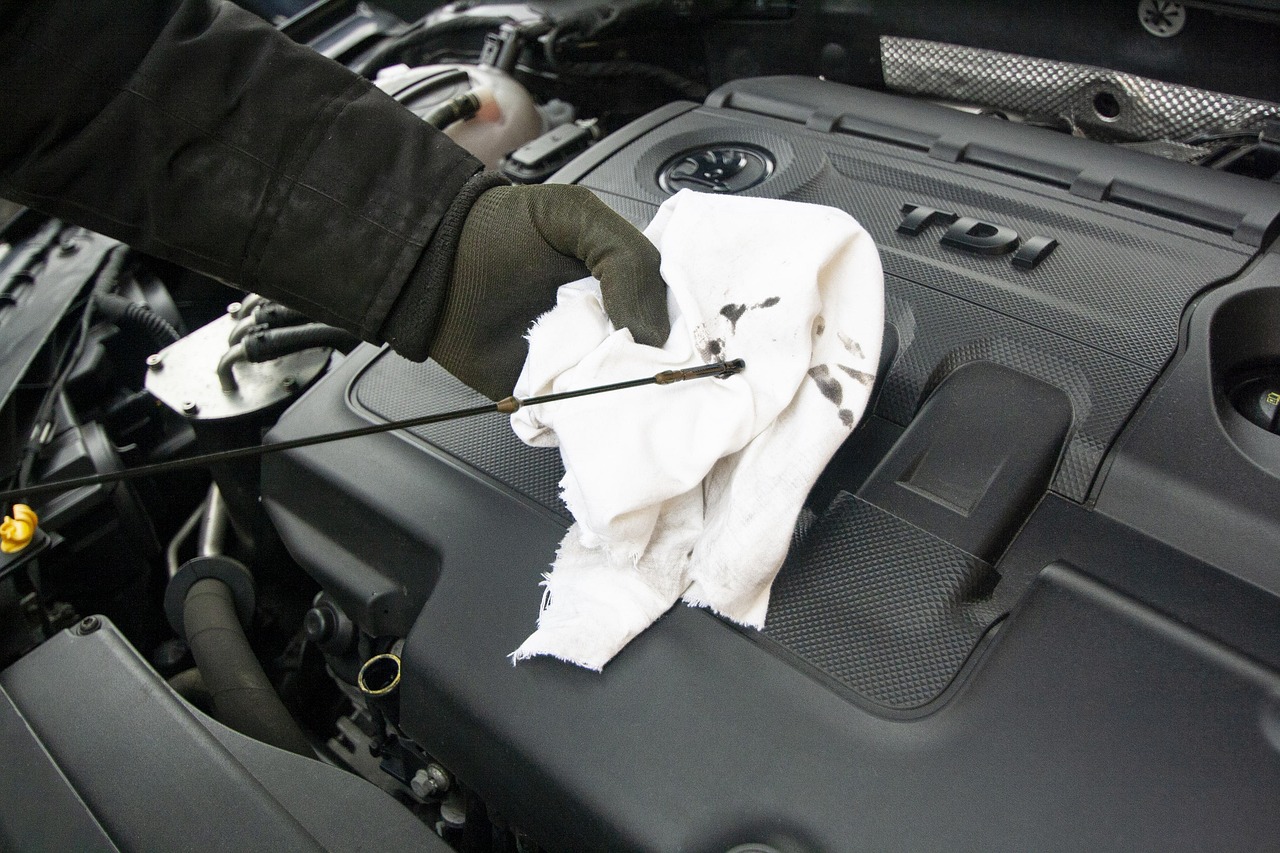
Engine oil does three jobs at once: it lubricates moving metal, carries heat away from critical surfaces, and flushes microscopic debris toward the filter. When owners stretch change intervals well past the manufacturer’s recommendation, that oil degrades. It thickens, loses its ability to reduce friction, and eventually allows sludge to form in the narrow passages that feed bearings, camshafts, and turbocharger journals.
The early signs are easy to dismiss. A slight rattle at cold startup, a vibration at idle that wasn’t there six months ago, or a ticking noise under acceleration can all trace back to oil that’s lost its protective qualities. Dairyland Insurance’s maintenance guide flags increased noise and vibration as direct consequences of deferred oil service, noting that the damage behind those symptoms is often already done by the time a driver notices.
When neglect reaches its endpoint, the repair bill is severe. Full engine failure routinely tops lists of the most expensive breakdowns, with Indy Auto Man’s breakdown analysis placing it alongside head gasket cracks and water damage as a category where costs can range from $4,000 to $7,500 or more, depending on the vehicle. For a car worth $12,000 on the used market, that’s potentially a total loss.
The math is hard to argue with. A standard oil and filter change runs $60 to $120 at most shops. Skipping even two or three of those over the life of a vehicle, particularly a modern turbocharged four-cylinder that runs hotter and pushes oil harder than older naturally aspirated engines, can set the stage for a five-figure repair. No single maintenance item offers a better return on investment.
2. Cooling System Failures That Escalate in Minutes
Cooling systems are deceptively simple: a water pump circulates coolant through the engine and radiator, a thermostat regulates flow, and hoses connect everything. But when any link in that chain fails, engine temperatures can spike from normal to critical in under a minute, and drivers who don’t pull over immediately risk warping cylinder heads or cracking the engine block.
The financial damage adds up fast. Dairyland Insurance estimates that overheating-related repairs, including secondary transmission damage, can cost between $2,000 and $5,000. That range assumes the driver stopped in time. If they didn’t, the bill climbs toward engine replacement territory.
Most cooling failures start with something small and fixable. A sweet-smelling puddle under the front of the car, a radiator hose that’s soft or swollen, or a temperature gauge that creeps higher than usual in traffic are all early warnings. Mad Hatter Auto Repair’s cooling system guide notes that unaddressed leaks can lead to warped heads and internal corrosion, problems that are far more expensive than replacing a $30 hose or a $15 thermostat.
One overlooked contributor: clogged body drains. Leaves and debris that accumulate around the windshield cowl, wheel wells, and sunroof channels can block drainage paths. When water backs up, it seeps into wiring harnesses and connector housings tied to cooling fans, temperature sensors, and engine control modules. What starts as a seasonal cleanup chore becomes a complex electrical diagnosis if ignored through a full winter.
3. Timing Belts and Chains: The Failures You Won’t See Coming
Timing components are buried deep inside the engine, hidden behind covers and accessory drives. Their job is precise: they synchronize the rotation of the crankshaft and camshaft so that pistons and valves never occupy the same space at the same time. On interference engines, which include many popular models from Honda, Subaru, Volkswagen, Audi, and several Hyundai and Kia lines, a broken belt or slipped chain means pistons slam into open valves at full speed. The result is bent valves, scored pistons, and sometimes a destroyed cylinder head.
What makes this failure especially dangerous is the lack of warning. Unlike a squealing brake pad or a leaking hose, a timing belt at the end of its life often shows no external symptoms. It doesn’t make noise. It doesn’t trigger a check-engine light. It simply snaps, usually at highway speed, and the engine stops instantly.
The repair costs reflect the severity. A widely referenced thread on r/MechanicAdvice lists timing chain and belt work among the most labor-intensive and expensive jobs mechanics perform regularly. Endurance Warranty’s repair cost breakdown adds that a failed timing belt on an interference engine frequently triggers secondary damage to seals and gaskets, compounding the bill well beyond the belt replacement itself.
For anyone shopping for a used car, timing belt history should be near the top of the checklist. Most manufacturers specify replacement between 60,000 and 105,000 miles, or every seven to ten years, whichever comes first. If the seller can’t produce a receipt or service record showing the work was done, assume it wasn’t, and factor $800 to $1,500 for a belt, tensioner, and water pump kit into your purchase negotiation. That’s far cheaper than gambling on a part you can’t inspect without disassembly.
4. Transmissions and Driver-Assist Tech: Where Modern Complexity Gets Expensive
Automatic transmissions have grown dramatically more sophisticated over the past decade. Eight-, nine-, and ten-speed units, dual-clutch automated manuals, and continuously variable transmissions (CVTs) all deliver smoother shifts and better fuel economy than their predecessors, but they also carry higher repair costs when something goes wrong internally.
The warning signs tend to appear gradually. Slipping between gears, a momentary surge in RPM during a shift, grinding or whining noises, and delayed engagement when moving from park to drive are all documented symptoms in Parma Car Care’s transmission repair guide. Many drivers unconsciously adapt, easing off the throttle during shifts or avoiding certain gears, which masks the problem and lets worn clutch packs, valve bodies, or solenoids deteriorate further. By the time the transmission fails outright, a rebuild or replacement can run $3,000 to $6,000 on mainstream vehicles and significantly more on European luxury models with proprietary designs.
Layered on top of the drivetrain, advanced driver-assistance systems (ADAS) have introduced a new category of repair cost that barely existed five years ago. Lane-keep assist, adaptive cruise control, and automatic emergency braking depend on forward-facing cameras, radar modules, and ultrasonic sensors that must be precisely calibrated to work correctly. A minor fender bender that shifts a radar module by a few millimeters, or water intrusion into a camera housing behind the windshield, can trigger warnings across multiple systems. Recalibration alone often requires specialized equipment and can add $500 to $1,500 to a repair that would have been straightforward on an older vehicle.
None of this means modern cars are unreliable. It means the cost of ignoring early symptoms, or skipping the diagnostic step after a minor collision, is higher than it used to be. A $150 transmission fluid service at the recommended interval is cheap insurance against a $5,000 rebuild. And confirming that ADAS sensors are properly calibrated after any body work is no longer optional; it’s a safety issue.
More from Wilder Media Group: