


We’ve all been there: you’re cruising along, maybe jamming to your favorite playlist, when suddenly the unmistakable flash of blue lights catches your eye. Your heart races, and as you pull over, a whirlwind of thoughts fills your mind. It’s a nerve-wracking moment, and how you respond can make all the difference. But believe it or not, some drivers unknowingly make mistakes that escalate what could be a routine traffic stop into a full-blown situation. Let’s chat about four common blunders and how to avoid them.
1. Ignoring the Officer’s Instructions
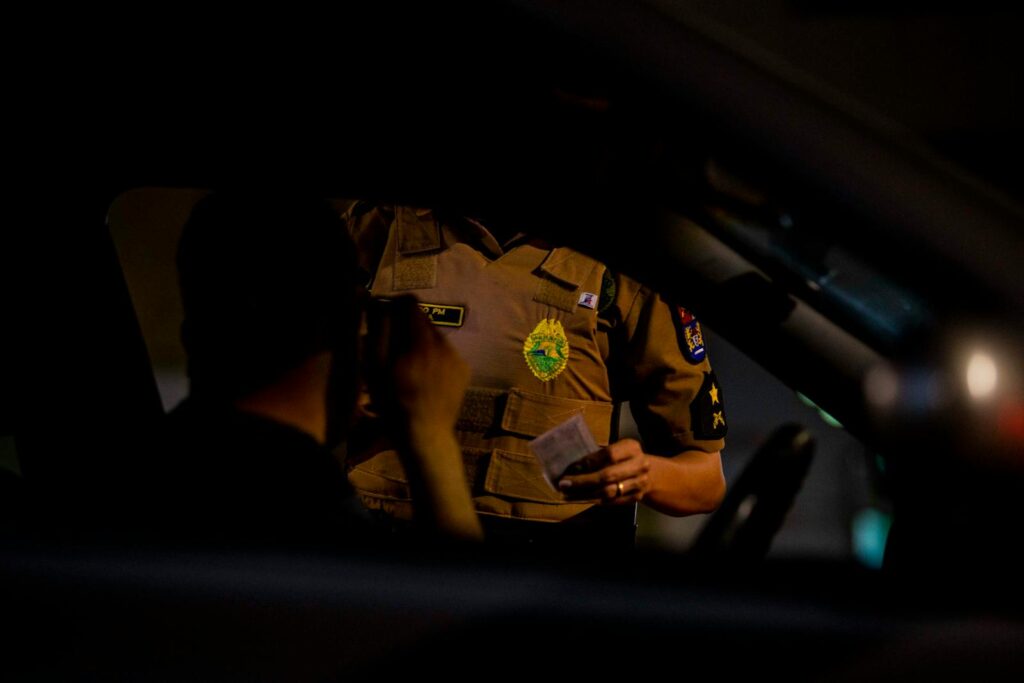
Picture this: you’re pulled over, and the officer approaches your car. They might ask you to roll down your window or keep your hands on the steering wheel. It’s easy to feel overwhelmed and confused, especially if you’re already flustered. But ignoring their requests can lead to misunderstandings. Officers are trained to maintain safety, and following their instructions shows respect and cooperation. So, take a deep breath, do what they ask, and keep things calm. Trust me, it’ll keep the vibes smooth.
2. Being Defensive or Argumentative
This one’s a biggie. You got pulled over, and you know you weren’t speeding (or at least that’s what you tell yourself). So, when the officer approaches, you may feel the urge to defend yourself or argue about the ticket. But here’s the thing: getting defensive usually doesn’t help your case. Instead, it can escalate tensions. Remember, the officer is just doing their job. A polite “yes, officer” or even a simple nod can go a long way. If you feel the ticket is unfair, there’s always the option to contest it later. Just save the argument for the courtroom, not the roadside.
3. Making Sudden Movements
Imagine this: you’re fidgeting with your phone, trying to pull up your insurance information while the officer is standing there, watching your every move. It might seem innocent, but sudden movements can be misinterpreted as suspicious behavior. To the officer, it might look like you’re reaching for something dangerous. So, before the stop, it’s a good idea to have your documents ready—license, registration, insurance—so you can retrieve them slowly and calmly when asked. It’s all about creating a sense of safety for both parties involved.
4. Not Staying in Your Vehicle
If you’ve ever seen a cop show, you might think that getting out of your car to talk to the officer is a bold move. Spoiler: it’s usually not. Unless the officer specifically asks you to exit the vehicle, it’s best to stay put. Getting out can raise red flags and make the officer uncomfortable, especially if they’re unsure of your intentions. So, buckle up and stay in your seat. If you need to have a conversation, do it from the comfort of your car. Plus, it’ll save you the awkwardness of trying to close the door while chatting.
What to Remember
Traffic stops can be anxiety-inducing, but understanding these common mistakes can help you navigate them more smoothly. It’s all about communication and cooperation. Think of it this way: you’re both in this moment together, and a little friendliness can go a long way. If you stay calm, follow instructions, and avoid unnecessary drama, chances are you’ll walk away from the stop with just a warning (or a ticket, but hey, at least you kept it civil!).
Final Thoughts
So, the next time you see those blue lights flashing in your rearview mirror, take a deep breath and remember these tips. Traffic stops don’t have to be stressful. They can be just a brief pause in your day—like a long red light, but hopefully without the honking. By steering clear of these common mistakes, you can keep things cool and collected, making life a little easier for both you and the officer. And who knows? You might even leave the scene with a story to tell, minus the drama!
More from Wilder Media Group: