
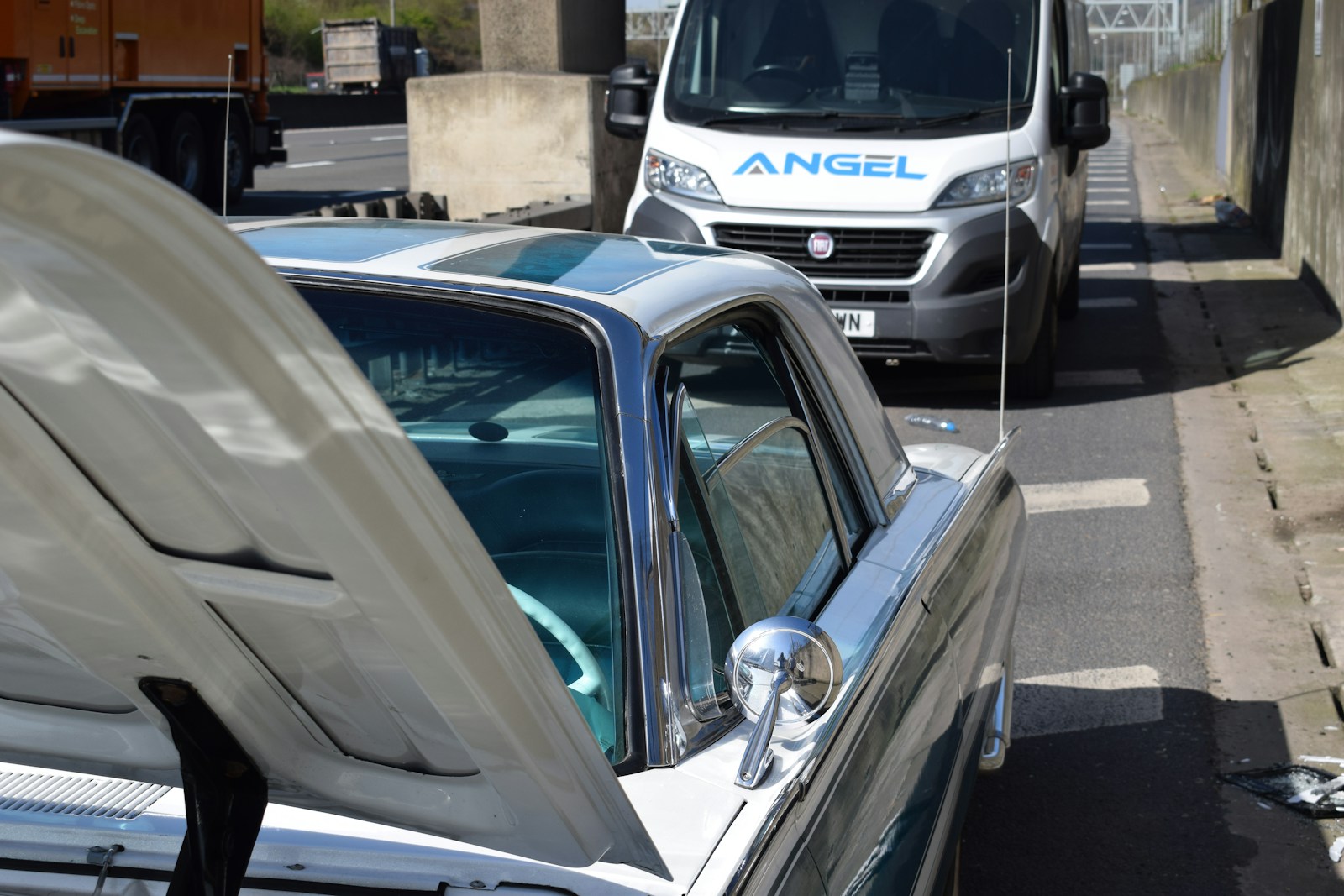

The breakdowns that ruin road trips and morning commutes rarely start with a dramatic bang. More often, they begin months earlier in systems most drivers never think about: aging brake fluid, overworked transmission fluid, neglected coolant and quietly failing electrical components. According to AAA’s 2024 roadside assistance data, the organization responded to more than 33 million calls in a single year, with dead batteries, overheating and mechanical failures among the top reasons drivers were left stranded.
Many of those calls were preventable. The four trouble spots below fail in predictable patterns when routine maintenance slips, and the fixes are almost always cheaper than the tow.
1. Brake Fluid: The Safety System Nobody Services
Drivers tend to watch their brake pads and rotors closely, but the hydraulic fluid that actually transmits force from the pedal to the calipers often goes untouched for the life of the car. That is a problem, because brake fluid is hygroscopic: it absorbs moisture through rubber hoses and seals over time. The Car Care Council, a nonprofit backed by the auto parts and service industry, lists brake fluid replacement among the most commonly skipped maintenance items.
As water content rises, the fluid’s boiling point drops. In heavy stop-and-go traffic or on a long mountain descent, the fluid can get hot enough to boil, creating compressible vapor pockets in the brake lines. The result is a soft, sinking pedal and, in the worst case, a vehicle that does not stop when the driver expects it to. Contaminated fluid also corrodes the master cylinder and caliper internals from the inside out, damage that only shows up under hard braking or during a system inspection.
Honda, for example, recommends a brake fluid flush every three years regardless of mileage. Subaru and Volkswagen set similar intervals. Yet many owners skip the service because there is no dashboard warning and no obvious symptom until something fails. A brake fluid flush typically runs between $70 and $150 at an independent shop. Replacing seized calipers or repairing collision damage caused by extended stopping distances costs many times that. Fresh fluid also keeps ABS and electronic stability control working precisely, since both systems depend on clean hydraulics to modulate pressure at each wheel.
2. Transmission Fluid: Overheated Long Before It Leaks
Many owners assume their automatic or continuously variable transmission is sealed and maintenance-free. Some newer models do have extended service intervals, but “lifetime fluid” is a misleading label. The fluid inside a transmission does far more than lubricate gears: it cools clutch packs, carries debris to the filter and provides the hydraulic pressure that engages gearsets.
Heat is what kills it. Stop-and-go commuting, towing a small trailer or climbing sustained grades can push fluid temperatures well above the 175°F to 200°F range most transmissions are designed to handle during gentle highway driving. The Automatic Transmission Rebuilders Association (ATRA) has noted that every 20°F increase above normal operating temperature can cut fluid life roughly in half. Repeated overheating breaks down the fluid’s friction modifiers and detergents, leading to varnish on valve bodies and slipping clutches. Drivers may notice a harsh shift, a delay when selecting drive or a whine at highway speed. By the time those symptoms are obvious, internal wear is already significant.
A transmission drain-and-fill at the intervals listed in the owner’s manual (typically 30,000 to 60,000 miles for normal use, sooner for severe conditions) costs roughly $150 to $250. A full transmission rebuild can run $3,000 to $5,000 or more, often exceeding the trade-in value of a high-mileage vehicle. For drivers who regularly tow boats or utility trailers, an auxiliary transmission cooler (around $100 to $300 installed) can lower operating temperatures enough to meaningfully extend the unit’s life.
3. Cooling System Neglect: The Slow Path to a Warped Engine
When a car overheats on the shoulder, bystanders usually blame a burst hose or a broken fan. The real cause is often years of skipped coolant service. Modern engine coolants contain corrosion inhibitors that protect aluminum cylinder heads, radiators and heater cores, plus lubricants that keep the water pump’s seal and bearing healthy. Over time, those additives are consumed. What remains is a fluid that allows scale and rust to build inside narrow coolant passages, reducing heat transfer and setting the stage for component failure.
A stuck thermostat, a seized water pump or a cracked plastic radiator end-tank can each trigger a rapid overheat. Once an aluminum cylinder head warps from excessive heat, the head gasket fails and coolant can enter the combustion chambers. At that point, the repair bill on a vehicle like a 2014 Volkswagen Jetta or a 2016 Toyota RAV4 can easily reach $2,000 to $4,000, sometimes more than a well-maintained used engine would cost.
Most manufacturers recommend a coolant flush every 30,000 to 50,000 miles or every five years, whichever comes first, though some long-life coolants stretch to 100,000 miles. The service typically costs $100 to $200. Between flushes, drivers should watch for a sweet smell near the engine bay, a low-coolant dashboard warning or small puddles of green, orange or pink fluid under the car. Topping off the reservoir without investigating the source of a loss is a common mistake that turns a slow leak into a highway emergency. A pressure test during routine service can catch small leaks before they strand anyone.
4. Electrical Strain: It Starts With the Alternator and Battery
Electrical failures have a reputation for striking without warning. The car starts fine for weeks, then refuses to crank in a parking lot. AAA’s data consistently shows that battery-related problems are the single largest category of roadside assistance calls, accounting for roughly one-third of all service requests.
Today’s vehicles place heavy demand on their charging systems. Heated seats, high-output audio, advanced driver-assistance sensors and USB charging ports all draw current. The alternator must keep the battery topped up while feeding those accessories simultaneously. If alternator output drops because of worn brushes or a failing voltage regulator, the battery quietly makes up the difference until it is deeply discharged. Drivers may notice dimmer headlights at idle or a battery warning light that flickers briefly, but the first unmistakable sign is often a no-start.
Corroded battery terminals and loose ground straps can mimic the symptoms of a weak battery or a failing alternator. Green or white buildup on the cable clamps increases resistance and reduces the current available to the starter motor. Cleaning the terminals and applying a thin coat of dielectric grease is a five-minute fix that can restore reliable starting. Most battery manufacturers and AAA recommend replacing a conventional lead-acid battery every three to five years, depending on climate (heat accelerates degradation more than cold). A replacement battery runs $150 to $300 installed. Having the alternator’s output tested during routine oil changes provides early warning and costs nothing at most shops.
Drivers who frequently take short trips or run accessories with the engine off should be especially attentive. Short trips may not give the alternator enough time to fully recharge the battery, gradually draining it over weeks.
Why These Failures Catch Drivers Off Guard
The common thread across all four trouble spots is invisibility. Brake fluid darkens slowly inside a sealed reservoir. Transmission fluid degrades at temperatures the driver never sees on a gauge. Coolant inhibitors deplete on a chemical timeline, not a visible one. And a battery can test “good” one week and fail the next once it crosses a voltage threshold.
None of these systems announce trouble with a loud noise or a flashing light until the damage is well underway. That is why calendar-based and mileage-based maintenance schedules exist: they catch degradation before it becomes a breakdown. The owner’s manual for any vehicle lists these intervals, and a trustworthy shop will flag overdue services during a routine inspection.
Spending a few hundred dollars a year on fluid services and electrical checks is not glamorous, but it is the most reliable way to keep a daily driver out of the breakdown lane. The drivers who never call a tow truck are rarely lucky. They are just paying attention to the parts of the car that do not ask for it.
More from Wilder Media Group: